
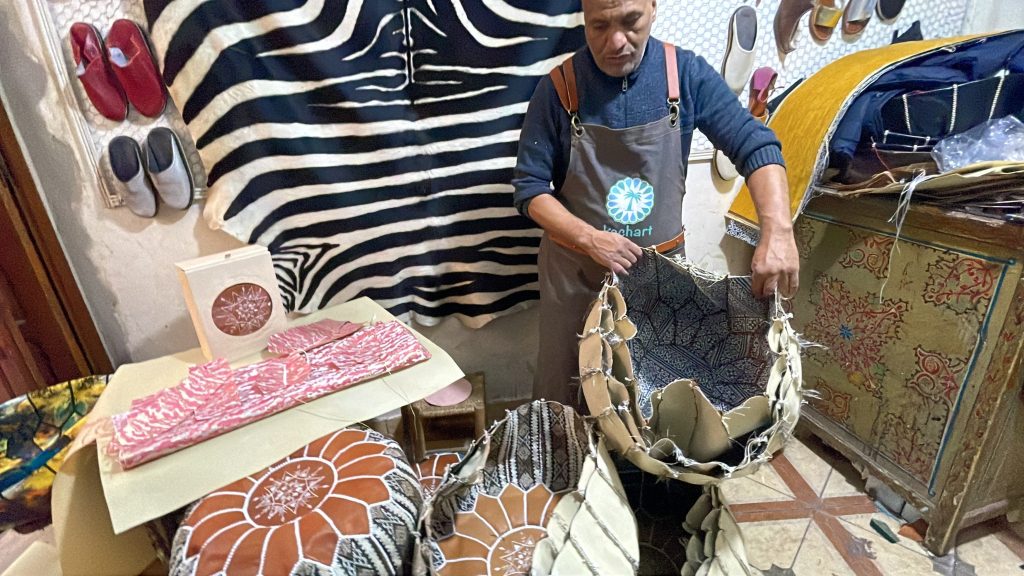
Are you wondering what can you use to stuff a Moroccan pouf to make it comfy and durable? Choosing the right filling is key to turning your pouf into a cozy spot that lasts.
Whether you want it soft and squishy or firm and supportive, the stuffing you pick will change everything. Keep reading to discover the best options that suit your style, budget, and comfort needs. Your perfect Moroccan pouf is closer than you think!
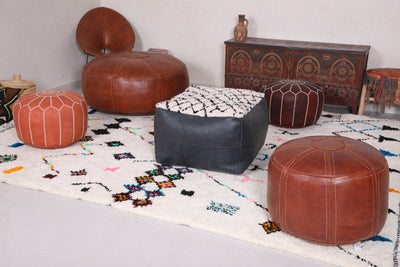
Credit: www.boucherouiterug.com
Materials For Pouf Filling
Choosing the right filling for a Moroccan pouf affects its comfort and shape. Various materials offer different levels of support and softness. Some fillings keep the pouf firm, while others make it more cushy. Understanding the options helps you pick the best stuffing for your needs.
Traditional Fillings
Traditional pouf fillings often include natural materials. These fillings provide a firm and durable structure.
- Horsehair: Offers firm support and lasts long.
- Wool: Soft and breathable, good for comfort.
- Cotton batting: Provides a balanced softness and firmness.
- Sawdust: Common in handmade poufs, gives a firm shape.
Modern Alternatives
Modern pouf fillings use synthetic materials for flexibility and ease. These options often improve durability and comfort.
- Polyester fiberfill: Soft, lightweight, and easy to shape.
- Foam beads: Provide a squishy and moldable feel.
- Memory foam: Adapts to body shape for extra comfort.
- Microbeads: Small beads that allow easy movement inside.
Eco-friendly Options
Eco-friendly fillings appeal to those who want sustainable choices. They use recycled or natural materials that reduce waste.
- Recycled fabric scraps: Soft and help reduce landfill waste.
- Coconut coir: Natural fiber that adds firmness and breathability.
- Organic kapok: A fluffy, natural fiber from seed pods.
- Recycled foam: Made from repurposed foam materials.
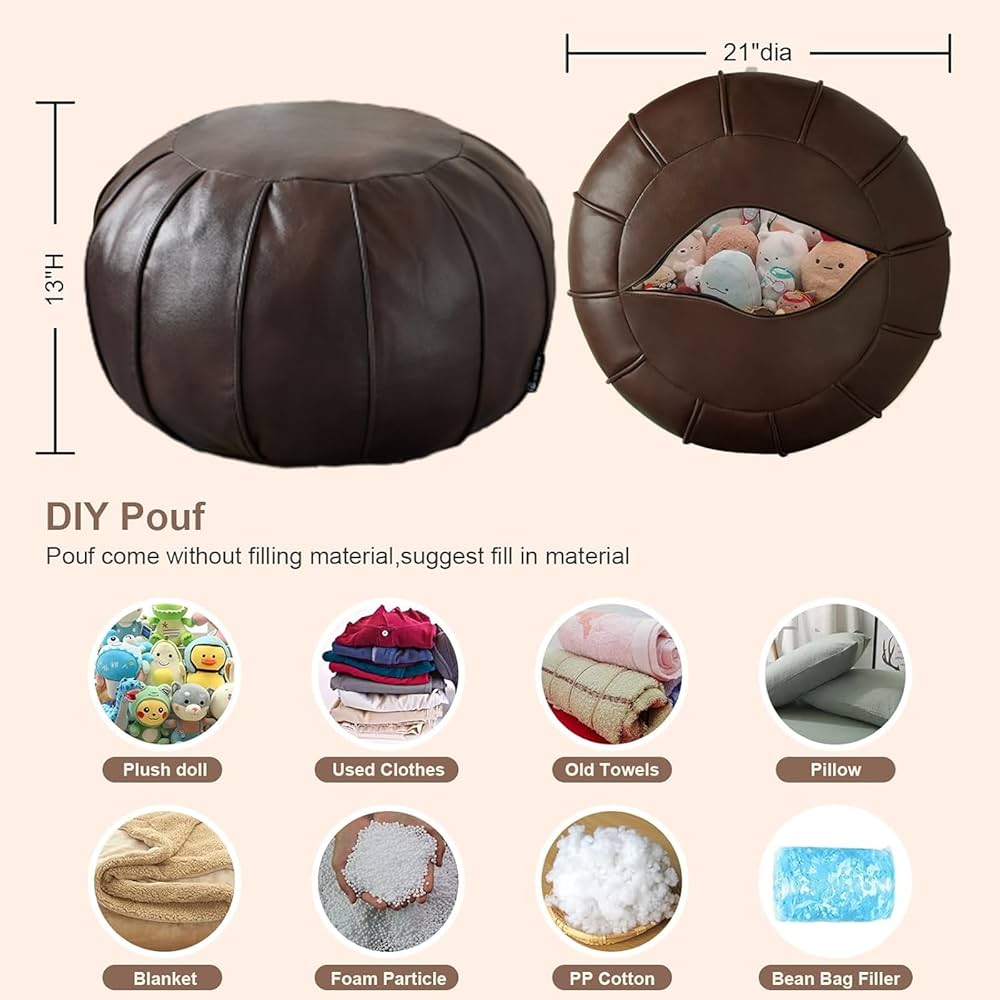
Credit: www.amazon.ca
Using Fabric Scraps
Using fabric scraps to stuff a Moroccan pouf offers a creative and eco-friendly option. These leftover pieces of cloth can fill your pouf while reducing waste. This method allows customization of firmness and texture.
Fabric scraps come in different types and conditions. Sorting and preparing them properly is key to a comfortable and durable pouf.
Types Of Fabric Suitable
- Cotton: Soft and breathable, easy to compress.
- Denim: Durable and thick, adds firmness.
- Fleece: Lightweight and soft, great for a plush feel.
- Old clothes: T-shirts, sweatshirts, and pants work well.
- Fabric remnants: Leftovers from sewing projects are ideal.
Preparation Tips
- Cut scraps into small, even pieces for easier stuffing.
- Wash and dry fabrics to remove dust and odors.
- Remove any buttons, zippers, or hard objects.
- Mix different fabric types to balance softness and support.
- Compress scraps tightly while stuffing to avoid lumps.
Advantages And Drawbacks
| Advantages | Drawbacks |
|---|---|
| Cost-effective and eco-friendly filling option. | May need frequent fluffing to maintain shape. |
| Custom firmness by adjusting scrap quantity. | Uneven pieces can cause bumps inside the pouf. |
| Soft and comfortable texture. | Can retain odors if not cleaned well. |
| Recycles old textiles, reducing waste. | Not as durable as commercial stuffing materials. |
Foam And Cushion Inserts
Foam and cushion inserts offer soft and firm support for stuffing a Moroccan pouf. They help keep the pouf’s shape while providing comfortable seating. These inserts are easy to find and work well for a cozy, durable fill.
Foam and cushion inserts offer a practical stuffing option for Moroccan poufs. These inserts provide comfort, support, and a smooth finish. They are versatile and easy to shape, making them a popular choice.Different Foam Types
Foam comes in various types, each with unique properties. Memory foam molds to your shape, offering excellent comfort. High-density foam provides firm support and durability. Low-density foam is softer but less durable. Choose based on your comfort preference and usage.Cutting And Shaping Foam
Cutting foam requires precision for a perfect fit. Use a sharp knife or electric cutter for clean edges. Measure your pouf’s dimensions before cutting the foam. Shape the foam to fit snugly inside the pouf. This ensures even filling and a smooth surface.Where To Source Foam
Foam can be sourced from various places. Craft stores often stock different foam types. Online retailers offer a wide selection with delivery options. Local upholstery shops may also have foam in different sizes. Compare prices and quality before purchasing.Recycled Materials
Recycled materials offer a smart and eco-friendly option for stuffing your Moroccan pouf. Using what you already have or can easily find reduces waste and gives new life to old items. This approach can also save money and add a unique touch to your pouf’s texture and feel.
Old Clothes And Textiles
Old clothes and textiles are perfect for pouf stuffing. You can cut or tear worn-out T-shirts, jeans, or fleece into small pieces to create a soft, compressible filling. This method not only keeps fabric out of landfills but also allows you to customize the firmness of your pouf by how tightly you pack the fabric.
Think about that old sweater you never wear—could it turn into a cozy pouf filler instead? Just be sure to use clean, dry fabric to avoid any unpleasant smells or mold buildup over time.
Plastic Fillers And Alternatives
Plastic fillers like shredded plastic bags or packing peanuts work well if you want a firmer pouf. However, instead of buying new plastic fillers, try reusing materials from your packaging waste. You can shred plastic bags or bubble wrap to create a lightweight stuffing that adds volume without much weight.
Consider if you have any plastic waste that’s clean and safe to repurpose. Would you be surprised how much useful filling you can collect just from your recent online shopping deliveries?
Sustainability Considerations
Choosing recycled materials for your pouf stuffing helps reduce waste and lowers your environmental footprint. It’s important to balance comfort with sustainability—some recycled fillings may compress over time, so you might need to top up your pouf occasionally.
Ask yourself: How can I maintain the pouf’s shape without constantly replacing the stuffing? Combining different recycled materials might give you the best results for durability and comfort, while still being kind to the planet.
Natural Fillings
Natural fillings for a Moroccan pouf offer a cozy, eco-friendly alternative to synthetic materials. These options often provide better breathability and comfort, making your pouf not just a decorative piece but a functional one. Choosing the right natural filling can also affect the durability and feel of your pouf, so let’s look at popular choices and their benefits.
Wool And Cotton
Wool and cotton are classic natural fillings known for their softness and resilience. Wool is excellent at regulating temperature, keeping your pouf warm in winter and cool in summer. Cotton, on the other hand, is lightweight and offers a smooth texture that feels great under your hands or feet.
Both materials compress over time but can be fluffed up easily to maintain shape. If you’ve ever sat on a wool-filled cushion, you know how it adapts to your body, providing firm yet comfortable support.
Buckwheat Hulls
Buckwheat hulls are an interesting natural filling that adds firmness and support to your pouf. These small, lightweight shells shift naturally to conform to your seating position without losing shape quickly. Many people prefer buckwheat hulls for their durability and ability to stay cool.
However, they can be a bit noisy when you move, and the texture might feel rough if you’re used to soft cushions. Still, their eco-friendly nature and long-lasting qualities make them a solid choice for those who want a pouf that holds up well over time.
Pros And Cons Of Natural Materials
| Material | Pros | Cons |
|---|---|---|
| Wool |
|
|
| Cotton |
|
|
| Buckwheat Hulls |
|
|
Do you prioritize softness or support in your pouf? Natural fillings offer choices to match your comfort needs and lifestyle. Experimenting with these materials can lead to discovering the perfect balance for your Moroccan pouf.
Filling Techniques
Choosing the right filling technique shapes your Moroccan pouf’s comfort and look. Proper filling gives the pouf a firm yet soft feel. It also helps keep the shape over time. Different materials and methods can create unique results. Below are some effective ways to fill your pouf.
Layering For Comfort
Start with a soft base layer. Use materials like cotton batting or foam pieces. These add gentle cushioning and prevent lumps. Next, add denser fillers such as shredded fabric or foam beads. Layering these materials balances softness and support. This technique creates a comfy seat that molds to your body.
Securing The Filling
Keep the filling in place to avoid shifting. Use a strong inner lining bag for the stuffing. Sew the bag tightly or use a zipper closure. This holds the filling firmly and maintains shape. Avoid loose packing, which causes uneven lumps. Secure filling helps your pouf stay neat and durable.
Adjusting Firmness Levels
Firmness depends on the amount and type of filling. Add more dense materials for a firmer seat. Remove some filling to soften the pouf. Use a mix of soft and firm layers to customize feel. Test by sitting and adjust until comfortable. This flexibility lets you create the perfect pouf for your space.
Maintenance And Refilling
Keeping your Moroccan pouf in top shape requires regular maintenance and occasional refilling. This process ensures your pouf remains comfortable and visually appealing over time. Understanding when to refill, how to clean, and tips to extend its life will help you enjoy this unique piece for years.
When To Refill Your Pouf
You might notice your pouf losing its firmness or shape after frequent use. If it feels flat or less supportive, it’s time to add more stuffing. Regular checking every few months can prevent it from becoming too soft or misshapen.
Choosing the right stuffing is key. Common fillers include shredded foam, polyester fiberfill, or even recycled fabric scraps. Each type offers different levels of comfort and durability, so pick one that fits your needs and lifestyle.
Cleaning Filled Poufs
Cleaning a filled pouf can be tricky because of the stuffing inside. Always remove the cover if it’s detachable and follow the washing instructions carefully. For poufs without removable covers, use a vacuum with a brush attachment to remove dust and dirt.
Spot clean stains immediately with a mild soap solution and a soft cloth. Avoid soaking the pouf, as moisture can damage the filling and promote mold growth. Keeping your pouf clean will also reduce wear and keep the fabric fresh.
Extending Pouf Longevity
How can you make your pouf last longer? Rotate it regularly to ensure even wear and avoid pressure points. Keep it out of direct sunlight to prevent fading and weakening of the fabric.
Consider using a pouf liner inside the cover to protect the stuffing from dirt and moisture. This simple step can save you from frequent refills and maintain the pouf’s shape and comfort. Small habits like these can keep your Moroccan pouf looking and feeling like new.
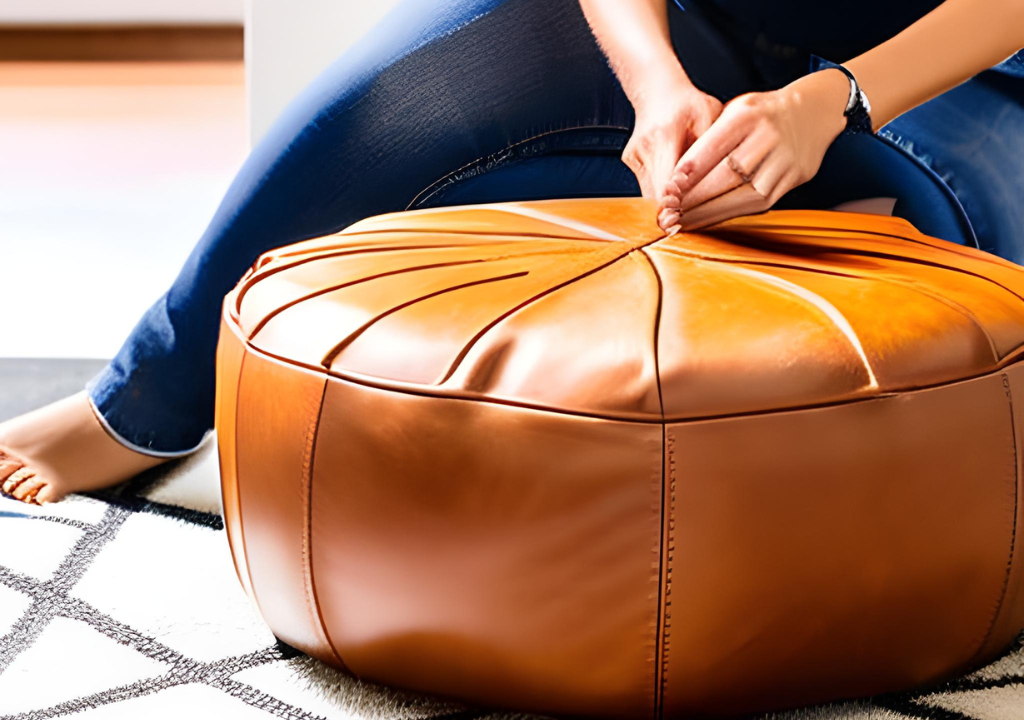
Credit: medium.com
Frequently Asked Questions
What Materials Can I Use To Stuff A Moroccan Pouf?
You can use polyester fiberfill, old clothes, fabric scraps, or foam pieces to stuff a Moroccan pouf. These materials provide firmness and comfort while maintaining the pouf’s shape.
Is It Better To Use Foam Or Fabric Scraps For Stuffing?
Foam offers firm support and durability, while fabric scraps are eco-friendly and softer. Choose foam for structure, fabric scraps for a lightweight, cushy feel.
How Do I Prepare Old Clothes For Pouf Stuffing?
Cut old clothes into small, even pieces to prevent lumps. Wash and dry them thoroughly to avoid odors or stains inside the pouf.
Can I Use Recycled Materials To Stuff A Moroccan Pouf?
Yes, recycled materials like shredded fabric, old pillows, or unused textile scraps work well. They’re eco-friendly and help reduce waste while keeping your pouf comfortable.
Conclusion
Choosing the right stuffing for your Moroccan pouf makes a big difference. Soft fillings like cotton or polyester offer comfort and shape. You can also use old clothes or foam for a budget option. Make sure the stuffing is firm enough to hold form but soft to sit on.
This way, your pouf stays cozy and lasts longer. Try different materials to see what feels best. Your perfect pouf awaits with the right stuffing inside.



