
Have you ever looked at your pendant light and thought, “Is this cord too long or too short for my space?” You’re not alone. Getting the perfect height for your pendant light can change the entire feel of a room.
But can you adjust the cord length yourself? This simple question could save you time, money, and frustration. Keep reading, and you’ll discover easy tips to customize your pendant light exactly how you want it—no electrician needed. Ready to transform your lighting?
Let’s dive in.
Choosing The Right Pendant Light
Choosing the right pendant light can transform the mood and functionality of any room. It’s not just about picking a beautiful fixture; you need to consider the style, size, and how it fits your space. One key factor often overlooked is the cord length, which affects both aesthetics and practicality.
Types Of Pendant Lights
There are several types of pendant lights, each suited for different needs and styles. Globe pendants offer a modern and sleek look, perfect for kitchens or dining areas. Industrial pendants bring a rugged charm and work well in lofts or casual spaces.
Other options include mini pendants, which are great for task lighting, and multi-light pendants that add drama and brightness over larger surfaces. Choosing the right type depends on your room’s purpose and the atmosphere you want to create.
Cord Length Considerations
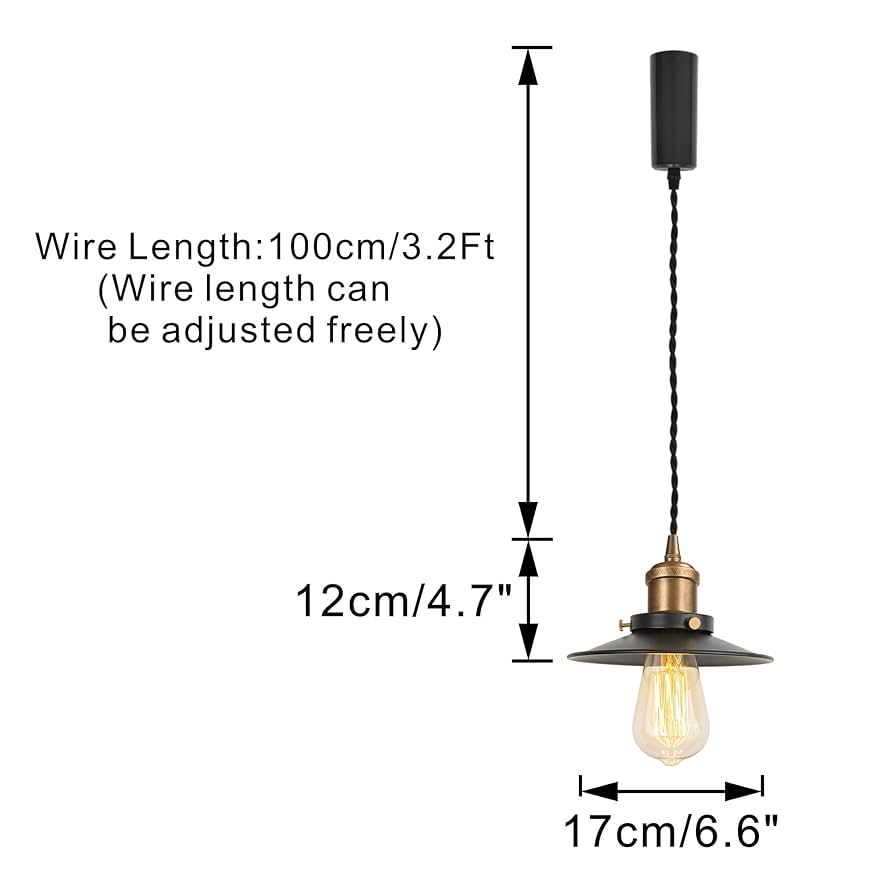
Cord length plays a crucial role in the pendant light’s effectiveness. Too short, and the light might be awkwardly positioned; too long, and it could hang too low or look messy. You want the light to complement your room’s height and layout.
Think about where you’ll install the pendant. Is it over a kitchen island, a dining table, or in a hallway? Each setting requires different cord lengths for optimal lighting and visual balance. Adjusting the cord length lets you customize the fit without changing the fixture.
Have you noticed how a well-hung pendant light can make a room feel more inviting? Getting the cord length right is often the difference between a lighting feature that works and one that distracts.
Credit: www.amazon.com
Tools Needed For Cord Adjustment
Adjusting the length of a pendant light cord might seem tricky at first, but having the right tools makes the job much easier. Knowing what you need before you start saves time and helps you avoid frustration. Plus, the right equipment ensures your adjustment is safe and precise.
Basic Tools List
- Wire cutters:Essential for trimming the cord cleanly without fraying the wires inside.
- Wire strippers:Needed to remove the outer insulation and expose the inner wires for reconnection.
- Screwdriver:Usually a flathead or Phillips, to open the canopy and secure wiring connections.
- Measuring tape:Helps you measure the desired length accurately before cutting.
- Electrical tape or wire nuts:To insulate and secure wire connections safely.
Having these tools ready means you won’t have to stop midway to find something, which can disrupt your focus and increase the chance of mistakes. It’s surprising how often a missing screwdriver or tape can hold up a simple project.
Safety Equipment
- Voltage tester:Always check if the power is off before touching wires to avoid shocks.
- Insulated gloves:Provide extra protection when handling electrical components.
- Safety glasses:Protect your eyes from any debris or accidental sparks.
- Ladder or sturdy step stool:Helps you reach the fixture comfortably and safely.
Your safety should come first. Have you ever underestimated the importance of a voltage tester? It’s a simple device that can prevent serious accidents. Keeping safety gear close by builds confidence and lets you focus on the task without worry.
Preparing To Adjust The Cord
Adjusting a pendant light cord requires turning off the power first for safety. Measure the desired length and prepare tools like wire cutters and a screwdriver. Careful planning helps ensure a neat and secure adjustment.
Preparing to adjust a pendant light cord requires careful steps. Proper preparation ensures safety and accuracy. Before starting, gather the necessary tools. You will need a screwdriver, pliers, and a voltage tester. A ladder or stable chair is also essential. With these tools ready, you can proceed confidently.Turning Off Power
Safety is the top priority. Begin by turning off the power. Locate your home’s electrical panel. Find the switch labeled for the pendant light. Flip it to the “off” position. Use a voltage tester to ensure no electricity flows. This step prevents any electrical hazards.Removing The Pendant Light
Once power is off, remove the pendant light. Stand on a stable surface. Unscrew the light’s canopy from the ceiling. Carefully detach the wires connecting the light. Make note of their configuration for reassembly. Handle the light fixture with care to avoid damage.
Credit: www.reddit.com
Step-by-step Cord Shortening
Shortening a pendant light cord is a simple way to improve your room’s look and lighting. It helps fit the light perfectly to your space. This guide shows how to do it safely and neatly.
Measuring Desired Length
Start by deciding how low the pendant should hang. Use a tape measure to check the length from the ceiling to the bulb. Mark the cord with a pencil or tape at the point where you want to cut. Double-check the length to avoid cutting too short.
Cutting The Cord Safely
Turn off the power at the breaker before touching the light. Use wire cutters or scissors made for electrical work. Cut the cord at the marked spot carefully. Keep the end of the cord clean and straight for easy wiring.
Reconnecting The Wires
Strip about half an inch of insulation from each wire end using a wire stripper. Twist the exposed wire strands tightly to prevent fraying. Connect wires by matching colors: usually black to black, white to white, and green or copper to ground. Use wire nuts or connectors to secure them. Wrap connections with electrical tape for extra safety.
Adjusting Cord Length Without Cutting
Adjusting the length of your pendant light cord without cutting it can save you time and avoid permanent changes. Sometimes, you want to shorten the cord for a cleaner look or better lighting, but you’re hesitant to use scissors. Luckily, there are simple ways to manage excess cord length while keeping your fixture intact and functional.
Using Cord Grips
Cord grips are small, handy devices designed to hold the cord firmly in place. They clamp onto the cord, allowing you to pull the excess length up into the ceiling canopy or fixture housing.
These grips give you the flexibility to adjust the height without any tools or complicated steps. If you’ve ever struggled with a pendant hanging too low, a cord grip can be your quick fix. Plus, they keep the cord neat and safe, preventing any accidental slips.
Do you have a pendant that feels like it’s dangling awkwardly? Try using a cord grip to lift it up and see how much cleaner your space looks.
Cord Wrap Techniques
If you don’t have a cord grip, wrapping the cord is a practical alternative. You can coil the extra cord above the fixture or inside the canopy to hide the slack neatly.
Try wrapping the cord around the mounting bracket or a hook inside the ceiling box. This method keeps the cord from hanging loose and looking messy.
Be careful not to wrap too tightly, as that could damage the cord over time. Have you ever noticed a pendant light with a messy cord? Tidying it up with a simple wrap can change the entire room’s vibe.
Testing And Reinstalling
After adjusting your pendant light’s cord length, testing and reinstalling are crucial steps to ensure everything works safely and looks great. This part of the process confirms that your adjustments didn’t affect the electrical connections and that the fixture is securely mounted. Let’s walk through the key checks to help you get your pendant light shining perfectly again.
Checking Electrical Connections
Start by turning the power back on and carefully testing the light switch. If the pendant doesn’t illuminate, double-check your wire connections inside the canopy. Loose wires can cause flickering or no power at all.
Make sure all wire nuts are tight and that no copper is exposed. If you notice any damage to the wires, replace or repair them before proceeding. Can you identify any unusual smells or sparks? If so, shut off the power immediately and call an electrician.
Securing The Pendant Light
Once the electrical side is confirmed safe and functional, focus on securing the pendant light to the ceiling. The mounting bracket should hold the fixture firmly without wobbling.
Check that screws and mounting hardware are snug but avoid overtightening, which can crack the canopy or damage the fixture. A loose pendant not only looks unprofessional but can be a safety hazard.
Have you tested the light by gently pulling the cord or fixture? It should stay stable with no movement. Proper installation gives you peace of mind and keeps your space looking polished.
Common Mistakes To Avoid
Adjusting the pendant light cord length can change a room’s look. Mistakes during this process can cause problems and extra work. Avoiding common errors helps ensure a smooth and safe adjustment. Pay attention to details and take your time.
Overcutting The Cord
Cutting the cord too short is a frequent mistake. It leaves no room for future adjustments. Once cut, adding length back is difficult and costly. Always measure twice before making a cut. Leave extra cord length for flexibility.
Overcutting can also affect the light’s power connection. A short cord might strain the wires or plug. This can lead to loose connections or damage. Proper cord length protects both your light and your home.
Ignoring Safety Precautions
Working with electrical fixtures needs care. Ignoring safety steps may cause shocks or fire hazards. Always turn off the power at the breaker before starting. Use insulated tools designed for electrical work.
Check the cord and socket for damage before adjusting. Avoid cutting cords with frayed wires or exposed insulation. Wear gloves and follow local electrical codes. Safety protects you and your family during installation.

Credit: www.risenlighting.com
When To Call A Professional
Adjusting the length of a pendant light cord might seem like a simple task at first. But sometimes, the situation is more complicated than just pulling or cutting the cord. Knowing when to call a professional can save you from potential hazards and ensure the job is done right.
Complex Wiring Issues
If your pendant light involves complicated wiring, it’s best to get an expert involved. Issues like multiple wires, unusual connections, or unclear wiring diagrams can be tricky and dangerous to handle on your own. Have you ever started a project and realized the wiring was different from what you expected? That’s a clear sign to pause and consult an electrician.
Professionals have the right tools and knowledge to manage these problems safely. They can identify hidden issues that might cause electrical shorts or fire risks. Your safety and the durability of your lighting depend on proper wiring, so don’t take chances.
Local Electrical Codes
Every area has its own electrical codes that you must follow when adjusting light fixtures. These rules exist to keep your home safe and ensure electrical work meets standards. Not following these codes can lead to fines or problems when selling your home later.
Do you know the specific electrical requirements in your neighborhood? A licensed electrician stays updated on local codes and can make sure your pendant light adjustment complies. This way, you avoid surprises and keep your home inspection-ready.
Frequently Asked Questions
Can You Shorten A Pendant Light Cord Easily?
Yes, you can shorten a pendant light cord by adjusting or cutting it. Always turn off the power and follow safety guidelines when doing this.
How Do You Lengthen A Pendant Light Cord?
To lengthen a pendant light cord, add an extension cord or replace the existing cord with a longer one. Ensure proper wiring and safety precautions.
Is It Safe To Adjust Pendant Light Cords?
Adjusting pendant light cords is safe if done carefully. Always switch off electricity and avoid damaging wires during adjustment.
What Tools Are Needed To Adjust Pendant Light Cords?
You need wire strippers, a screwdriver, electrical tape, and possibly a wire connector to adjust pendant light cords safely and effectively.
Conclusion
Adjusting pendant light cord length suits many spaces and styles. Shortening or lengthening the cord changes light focus and room feel. Simple tools and careful steps make adjustment easy and safe. Always measure twice before cutting to avoid mistakes. Proper cord length improves both look and function of your light.
Try adjusting to find the perfect height for your room. Small changes can make a big difference in your home’s ambiance.



