
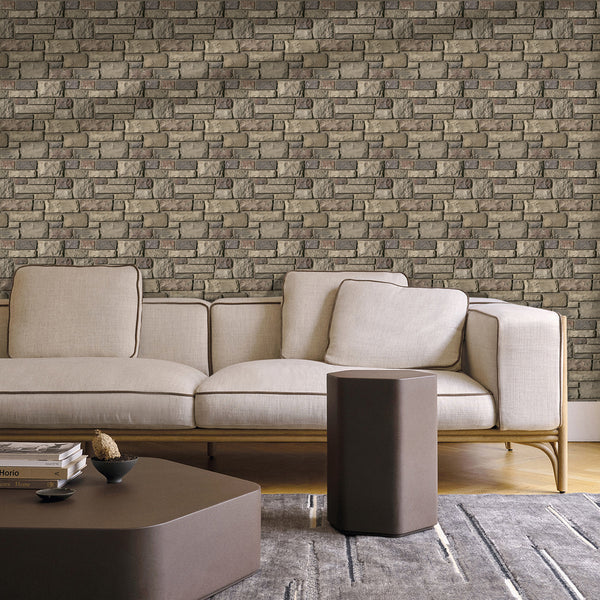
Are you thinking about adding wall stickers to your textured wallpaper but aren’t sure if it will work? You’re not alone.
Many people wonder if stickers will stick properly or if they’ll damage the wallpaper underneath. The good news is, you don’t have to give up on your design ideas just because your walls have texture. You’ll discover exactly what you need to know before putting wall stickers on textured wallpaper, so you can transform your space with confidence.
Keep reading to find out the simple tips that will make your walls look amazing without any hassle.
Types Of Textured Wallpaper
Textured wallpaper adds depth and character to any room. But before you decide to put wall stickers on it, understanding the types of textured wallpaper is essential. Different textures react differently to adhesives, so knowing what you have can save you from peeling and damage.
Common Texture Patterns
Textured wallpapers come in various patterns that range from subtle to bold. Some popular patterns include:
- Grasscloth:Made from natural fibers, it has a woven, organic look.
- Embossed:Raised patterns create a tactile effect, often floral or geometric.
- Stucco or Plaster:Mimics a rough, hand-troweled finish.
- Sand:Contains tiny granules to give a gritty feel.
Each pattern affects how well a wall sticker will stick. For example, smooth embossed wallpaper might hold stickers better than rough stucco.
Materials Used
Wallpaper materials influence texture and adhesion. Common materials include:
- Vinyl:Durable and moisture-resistant, often with a smooth or lightly textured surface.
- Paper:Traditional wallpaper, prone to damage and less durable.
- Fabric:Adds a soft texture but can be delicate.
- Grasscloth and natural fibers:Eco-friendly but uneven and porous.
Vinyl wallpapers generally provide a better base for wall stickers due to their smooth surface. Have you noticed how stickers peel off more easily on rough or porous materials?
Durability Factors
Durability depends on texture, material, and wall preparation. Wallpapers with heavy embossing or natural fibers tend to be less durable when adhesives are applied. Peeling or tearing can occur if stickers are removed incorrectly.
Consider how often you want to change your décor. If you love switching up wall stickers frequently, opt for smoother textures and vinyl materials for better longevity. What’s your experience with removing stickers—easy or frustrating?
Compatibility Of Wall Stickers
Understanding the compatibility of wall stickers with textured wallpaper helps avoid peeling and damage. Textured wallpaper has uneven surfaces that affect sticker adhesion. Choosing the right sticker and adhesive type is crucial for long-lasting results.
Sticker Adhesive Types
Wall stickers use various adhesives that differ in strength and purpose. Permanent adhesives stick firmly but can damage wallpaper when removed. Removable adhesives allow easy removal without residue but may not hold well on textured surfaces. Repositionable adhesives offer a balance, letting you adjust placement without losing stickiness.
Surface Adhesion Challenges
Textured wallpaper creates bumps and grooves that reduce sticker contact. These uneven surfaces cause stickers to lift or peel over time. Dust and dirt trapped in texture also weaken adhesion. Smooth, flat surfaces provide the best results for wall stickers. Preparing the wallpaper surface by cleaning and testing a small area improves success.
Sticker Material Options
Materials impact flexibility and adhesion on textured wallpaper. Vinyl stickers are durable and flexible, adapting better to uneven surfaces. Paper-based stickers may tear or wrinkle easily. Transparent or clear stickers can blend with texture but need strong adhesive. Thicker stickers handle bumps better than thin, fragile ones.
Preparing Textured Walls
Textured walls need a smooth surface for wall stickers to stick well. Cleaning and lightly sanding the wallpaper helps the stickers stay longer. Avoid rough textures that can cause peeling or bubbles under the stickers.
Preparing textured walls for wall stickers can be a game-changer in ensuring they stick well and look their best. Textured wallpaper presents unique challenges, but with the right preparation, you can achieve a smooth and lasting finish. Let’s dive into some practical steps to get your textured walls ready for those stylish wall stickers.Cleaning Techniques
Before applying wall stickers, it’s essential to clean the walls thoroughly. Dust and grime can prevent stickers from adhering properly. Use a damp cloth or sponge with mild soap to gently clean the surface, ensuring you reach every nook and cranny of the texture. Allow the wall to dry completely. Moisture can cause stickers to peel off over time. A dry wall provides a solid foundation for adhesion.Smoothing The Surface
Textured walls can be tricky, but there are ways to minimize the bumps. Lightly sand the surface to reduce extreme textures. This doesn’t mean making the wall completely smooth, but softening the texture can help stickers adhere better. Consider using a wallpaper smoothing tool. These tools can help press down the stickers evenly over the textured surface, reducing air bubbles and ensuring a tight grip.Priming Tips
Applying a primer can be beneficial, especially if the texture is particularly rough. A primer acts as a bonding agent, enhancing the sticker’s ability to stick to the wall. Choose a primer that is compatible with both your wall type and the adhesive on the stickers. This ensures that the primer doesn’t react negatively, causing the stickers to fall off. Have you ever thought about how these little preparations can make such a big difference in the final look? By taking these steps, you increase the chances of your wall stickers looking fabulous and staying put for a long time.
Credit: commomy.com
Applying Stickers On Textured Wallpaper
Applying stickers on textured wallpaper can be tricky, but it’s definitely possible with the right approach. The texture creates small bumps and grooves that can make stickers harder to stick smoothly. However, with patience and the proper technique, you can achieve a neat, lasting look that adds character to your space.
Step-by-step Application
Start by cleaning the wallpaper surface with a dry cloth to remove dust and dirt. This helps the sticker adhere better. Next, carefully peel the sticker from its backing, holding it by the edges to avoid fingerprints on the adhesive.
Position the sticker gently on the wall, starting from one edge and slowly pressing it down. Use a flat tool like a credit card to smooth the sticker as you go, pushing out any air. If the sticker doesn’t stick well at first, lift it gently and reposition it rather than forcing it down.
Tools Needed
- A clean, dry cloth for prepping the wall
- A plastic card or squeegee to smooth out the sticker
- Scissors or a craft knife for trimming edges if necessary
- A spray bottle with water and a drop of dish soap (optional, for repositioning)
Having these tools ready will make the process smoother and reduce the chance of mistakes. I found that using a plastic card really helps in getting a clean, bubble-free finish on my textured walls.
Avoiding Air Bubbles
Air bubbles are the biggest challenge when applying stickers on textured wallpaper. To avoid them, apply the sticker slowly and press firmly from the center outwards. This pushes trapped air to the edges, letting it escape naturally.
If a bubble appears, poke it gently with a pin and smooth it out. You can also use the damp cloth method: lightly spray water mixed with soap on the wall before applying the sticker. This allows you to slide the sticker into place and squeeze out bubbles before it dries.
Have you ever struggled with bubbles ruining your wall art? Taking the time to work carefully can save you from redoing the whole job later.
Alternatives To Wall Stickers
Textured wallpaper can make applying wall stickers tricky. Many stickers won’t stick well or peel off quickly. Luckily, some great alternatives exist for decorating textured walls. These options offer style without damage and suit various tastes and budgets.
Wall Decals Vs. Paint
Wall decals are similar to stickers but often use stronger adhesive. They may work better on some textured surfaces. Paint offers a permanent and smooth finish. It covers texture completely and allows creative designs. Painting requires more effort but lasts longer and looks neat.
Using Stencils
Stencils help add patterns or images directly on textured walls. They create clean shapes by applying paint over a cut-out design. Stencils are reusable and customizable. This method hides texture bumps and adds artistic flair. It is a budget-friendly way to refresh a room.
Temporary Solutions
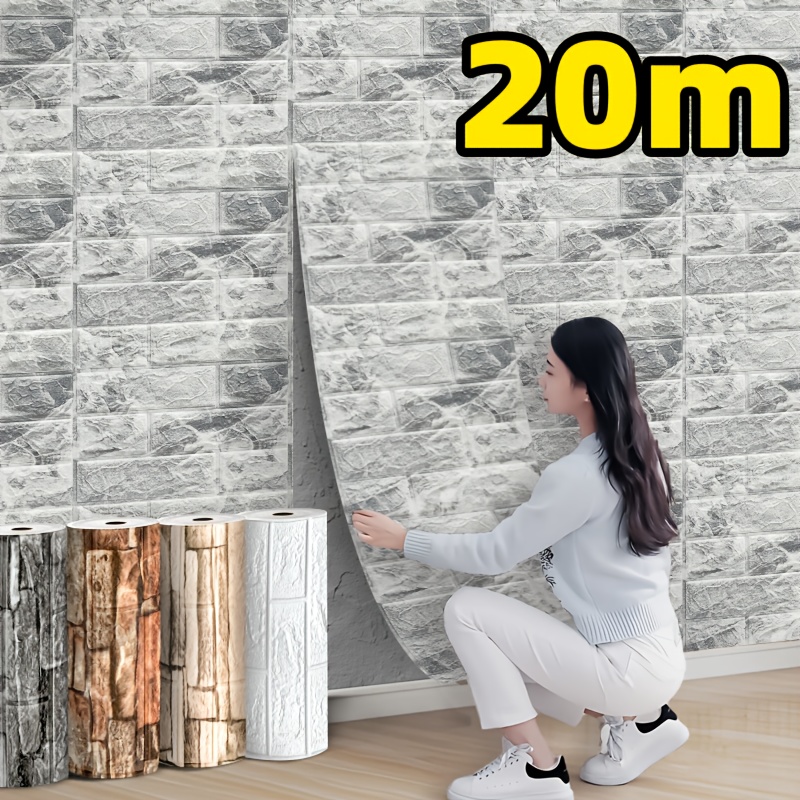
Temporary decor suits renters or those who change styles often. Options include fabric wall hangings, removable wallpaper, or washi tape designs. These do not stick directly to textured surfaces and avoid damage. They provide color and pattern without commitment.
Credit: www.temu.com
Removing Wall Stickers Safely
Removing wall stickers from textured wallpaper can be tricky. You want to avoid peeling off the wallpaper or leaving behind sticky marks. Taking your time and using the right approach makes the process smoother and safer for your walls.
Techniques For Textured Surfaces
Textured wallpaper doesn’t always give up wall stickers easily. Start by gently warming the sticker with a hairdryer. Heat softens the adhesive, making it easier to peel off without ripping the wallpaper.
Use a plastic scraper or your fingernail to lift the edge slowly. Pull the sticker back at a low angle, not straight out. This reduces stress on the wallpaper’s surface and helps keep it intact.
Avoiding Wallpaper Damage
Rushing can cause damage to your wallpaper’s texture. Avoid using sharp tools or harsh chemicals that can eat away at the paper or paint. If the sticker resists, heat it again rather than forcing it.
Think about the wallpaper’s pattern too. Peeling off stickers might pull at raised areas or embossed details. Go slow and be patient. If you notice any wallpaper lifting, stop and reapply heat before continuing.
Cleaning Residue
Sticky residue can ruin the look even after the sticker is gone. Use a gentle adhesive remover or a mixture of warm water and mild soap. Test the cleaner on a small, hidden spot first to make sure it won’t harm your wallpaper.
Apply the cleaner with a soft cloth or sponge, then gently blot the residue. Avoid scrubbing hard, as that might damage the texture. Have you noticed how some cleaning products leave a film? Wipe the area again with a damp cloth to remove any leftover cleaner.
Common Mistakes To Avoid
Applying wall stickers on textured wallpaper can be tricky. Many make simple mistakes that ruin the look or cause stickers to peel off quickly. Avoiding these errors helps stickers stay put and look great.
Applying On Unprepared Surfaces
Textured wallpaper must be clean and dry before applying stickers. Dust, grease, or moisture reduce sticker adhesion. Wipe the surface gently with a damp cloth. Let it dry fully. Skipping this step causes stickers to peel or bubble.
Ignoring Sticker Quality
Not all stickers stick well to textured surfaces. Low-quality stickers may not have strong adhesive. Choose stickers designed for rough or uneven walls. Better quality stickers last longer and look smoother on textured wallpaper.
Overstretching Stickers
Pulling stickers too hard while applying can stretch and distort them. This damages the design and weakens adhesive power. Apply stickers carefully, smoothing gently from the center outward. Avoid stretching to keep the sticker intact and flat.

Credit: uwdecals.com
Frequently Asked Questions
Can Wall Stickers Stick Well On Textured Wallpaper?
Wall stickers may not adhere well to textured wallpaper due to its uneven surface. Adhesion depends on texture depth and sticker quality. Smooth surfaces offer better sticking. Consider testing a small area first to check if the sticker holds properly without peeling or bubbling.
Will Wall Stickers Damage Textured Wallpaper?
Wall stickers can potentially damage textured wallpaper when removed. The adhesive may peel paint or wallpaper layers. Use low-tack stickers for minimal damage. Always remove stickers slowly and carefully to reduce risk. Testing on a small, hidden area is recommended before full application.
How To Apply Wall Stickers On Textured Wallpaper?
Clean the wallpaper surface to remove dust before applying stickers. Press firmly to ensure good contact with textured areas. Use a squeegee to smooth out bubbles and wrinkles. Applying stickers slowly helps achieve better adhesion on uneven wallpaper surfaces.
Are Some Wall Stickers Better For Textured Wallpaper?
Vinyl and fabric wall stickers generally perform better on textured wallpaper. They offer flexible backing that molds to uneven surfaces. Avoid paper-based stickers as they may not adhere well. Choosing high-quality, repositionable stickers improves durability and ease of removal.
Conclusion
Wall stickers can work on textured wallpaper with some care. Choose stickers with strong adhesive for better hold. Test a small area first to avoid damage. Peel stickers slowly to keep wallpaper intact. Textured walls may cause bubbles or peeling edges.
Patience and gentle handling give best results. This way, you can enjoy new wall designs easily. Give your space a fresh look without much effort. Just follow these tips for a smooth sticker application.



