
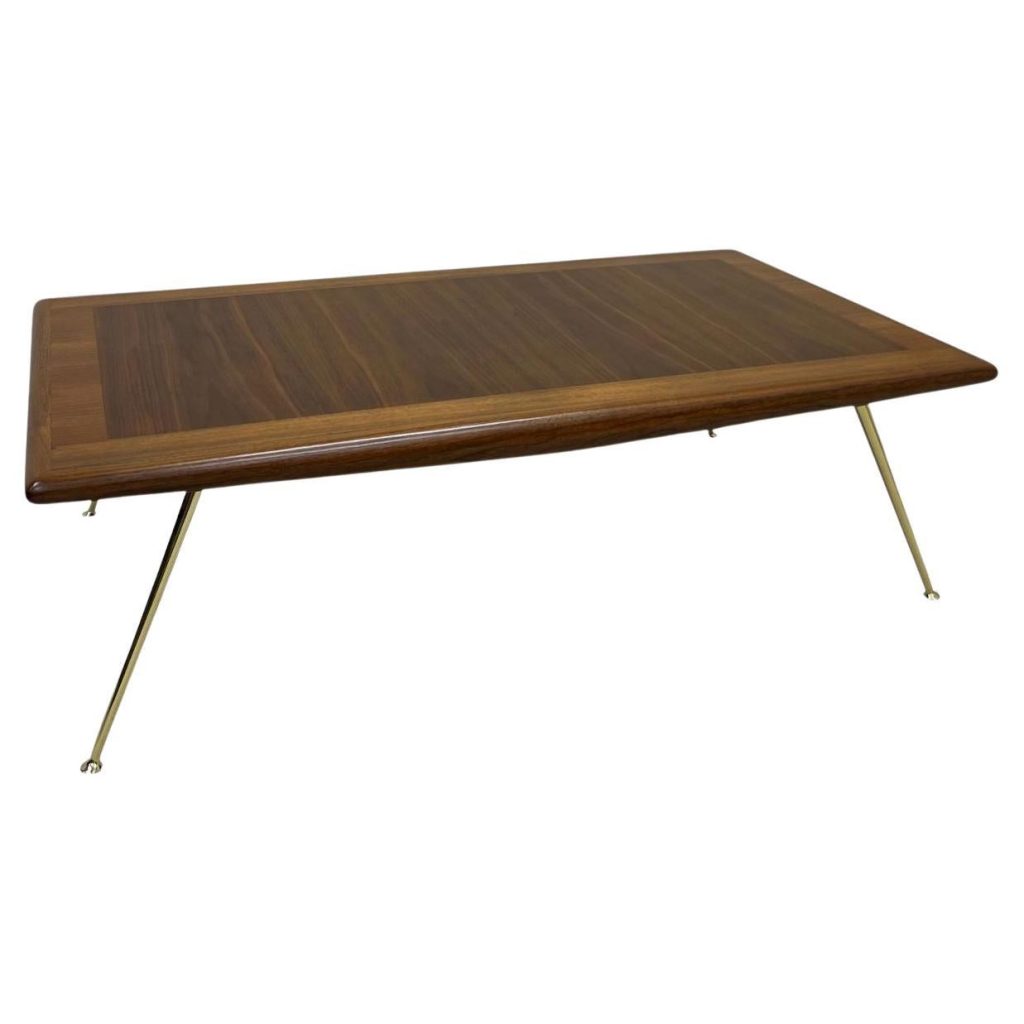
Have you ever wondered why the small table in your living room is called a “coffee table”? It seems like a simple name, but there’s more to it than just holding your morning cup.
Understanding where this name comes from can change how you see a common piece of furniture in your home. If you’re curious about the story behind this everyday object, keep reading—you might be surprised by what you discover.
Origins Of The Coffee Table
The story behind the name “coffee table” goes beyond just a piece of furniture in your living room. It reflects a shift in social habits and a growing love for coffee that shaped how people interacted in their homes. Understanding these origins can change the way you see this everyday item.
Early Furniture And Social Habits
Before coffee tables existed, people used various small tables and stands to hold drinks and snacks. These were often high and placed beside chairs, not low and central like today’s coffee tables. The idea of a low table came from the need to accommodate casual gatherings where people could relax and enjoy refreshments together.
Think about how you use your coffee table now. It’s not just for holding cups—it’s a place to share moments, play games, or even work. This social function has roots in early furniture designs aimed at bringing people closer in informal settings.
Rise Of Coffee Culture In Europe
The coffee table as we know it took shape during the 17th century when coffee became popular in Europe. Coffeehouses sprang up, becoming hubs for conversation and socializing. This new coffee culture influenced homes, prompting furniture makers to create tables suited for coffee drinking at home.
Imagine the excitement of the first European coffee drinkers gathering around a low table designed just for their cups. This was a new way to enjoy a drink and company, different from the formal dining experience. Your coffee table carries that legacy of bringing people together for simple, shared pleasures.
Evolution Of Coffee Tables
The coffee table has traveled through time with surprising twists in its design and purpose. Its evolution reflects changes in social habits, home layouts, and even technology. Understanding this journey helps you appreciate why your coffee table looks and feels the way it does today.
Design Changes Over Centuries
Coffee tables didn’t always sit low in front of sofas. Early tables were taller and often served multiple purposes, such as dining or writing. It wasn’t until the 19th century, when coffee became a popular social beverage, that tables specifically designed for coffee drinking emerged.
Think about your own living room—does your coffee table encourage casual conversation or just hold magazines? Designers gradually lowered tables to be more accessible while seated, inviting relaxation and interaction. This shift changed not just the height but also the shape and size, adapting to modern living spaces.
Materials And Styles
Wood was the original go-to material, prized for its durability and warmth. Over time, other materials like glass, metal, and even acrylic found their way into coffee table designs. Each material choice affects the table’s look and feel, influencing the vibe of your room.
Styles have ranged from ornate Victorian designs with intricate carvings to sleek, minimalist pieces perfect for small apartments. Have you noticed how a glass coffee table can make a room feel bigger? That’s a style and material decision that impacts your space practically and aesthetically.
Cultural Impact On Naming
The cultural impact on naming everyday objects often reflects societal values, habits, and even the evolution of language. The name “coffee table” offers an intriguing glimpse into how cultural practices have shaped our lexicon. Understanding why we call it a “coffee table” requires a look at how coffee as a social phenomenon and the activities surrounding it have influenced furniture designations.
Coffee As A Social Beverage
Coffee has long been more than just a beverage; it is a social catalyst. From the bustling coffee houses of the Ottoman Empire to the trendy cafés of today, coffee has fostered conversation and connection. When you invite friends over, isn’t it often around a cup of coffee that discussions flow freely?
This social aspect of coffee naturally extended to home settings, where serving coffee to guests became a norm. A table that facilitated this gathering was aptly named the “coffee table.” It symbolizes a space for sharing stories, laughter, and ideas over a warm brew.
Naming Furniture After Activities
The naming of furniture often mirrors the activities they support. Just as a “dining table” is named for dining, a “coffee table” is named for the cherished ritual of serving coffee. Do you ever wonder why we don’t call it a “tea table” despite tea’s popularity?
In many cultures, coffee emerged as the centerpiece of casual entertaining, eclipsing other beverages. This prominence solidified its place in the home, influencing furniture design and nomenclature. The “coffee table” became more than just a table—it became a representation of a lifestyle centered around social interaction.
Isn’t it fascinating how a simple piece of furniture can tell us so much about cultural priorities? Next time you gather around your coffee table, think about the rich history and cultural significance embedded in its name.
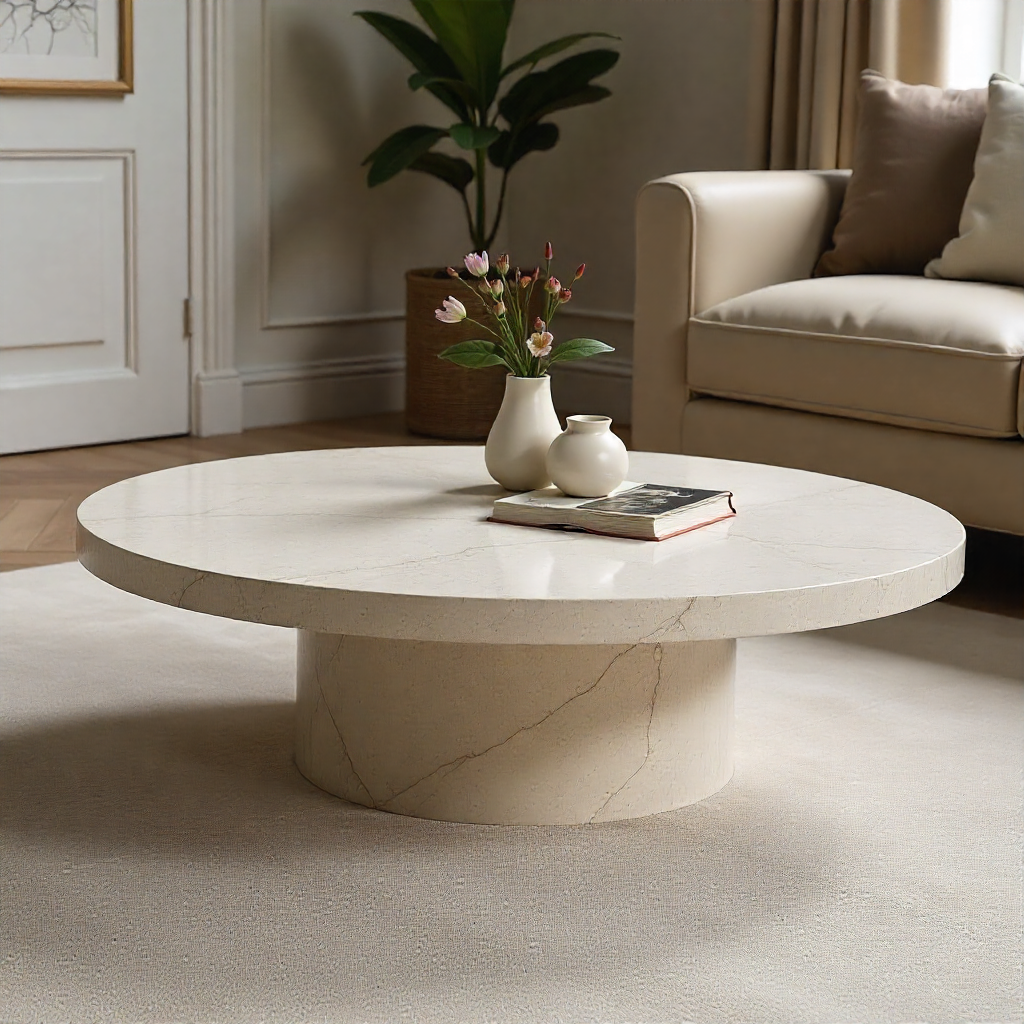
Credit: www.dezignlover.com
Regional Variations In Terminology
The name “coffee table” is common in many places, but it is not universal. Different regions and cultures use various terms for this piece of furniture. These differences reflect local traditions, languages, and uses. Understanding these variations helps us appreciate the diversity in home design language worldwide.
Different Names Around The World
In the United States and the United Kingdom, “coffee table” is the usual term. In Australia, some people say “cocktail table” instead. In parts of Europe, the term “low table” or “center table” is more common. In Japan, a similar piece called “chabudai” is used, which is a short-legged table for sitting on the floor.
Here is a quick list of names used in some countries:
- USA/UK: Coffee Table
- Australia: Cocktail Table
- France: Table basse (low table)
- Germany: Couchtisch (couch table)
- Japan: Chabudai
Influence Of Language And Culture
Language plays a big role in naming furniture. Some cultures focus on the table’s use, while others highlight its shape or position. For example, “cocktail table” suggests a place for drinks, not just coffee. “Chabudai” reflects Japanese floor seating culture.
Cultural habits also shape terms. In some countries, coffee drinking at a low table is common. In others, tea tables or dining tables take priority. These habits influence the preferred name and design. The same table may serve different purposes, affecting what people call it.
Modern Uses Beyond Coffee
The coffee table has outgrown its original purpose as a simple spot to place your morning cup of coffee. Today, it serves many roles that enhance your living space beyond just holding drinks. You might be surprised at how versatile this piece of furniture can be.
Multifunctional Roles In Living Spaces
Think about your own living room. Is your coffee table just a place to set down a mug, or does it do more? Many people use their coffee tables to store books, magazines, remote controls, or even board games.
Some coffee tables come with shelves or drawers, making them ideal for organizing clutter. Others transform into desks or extra seating when guests arrive. This adaptability makes them central to everyday living and social gatherings.
Trends In Contemporary Coffee Tables
Modern coffee tables reflect current design trends and practical needs. Materials like glass, metal, and reclaimed wood are popular for adding style and durability. Some designs even include built-in charging stations or LED lighting.
Have you noticed how some coffee tables feature minimalist shapes or bold colors? These choices can define the mood of a room and express your personality. When selecting a coffee table, consider how it will fit both your space and lifestyle.
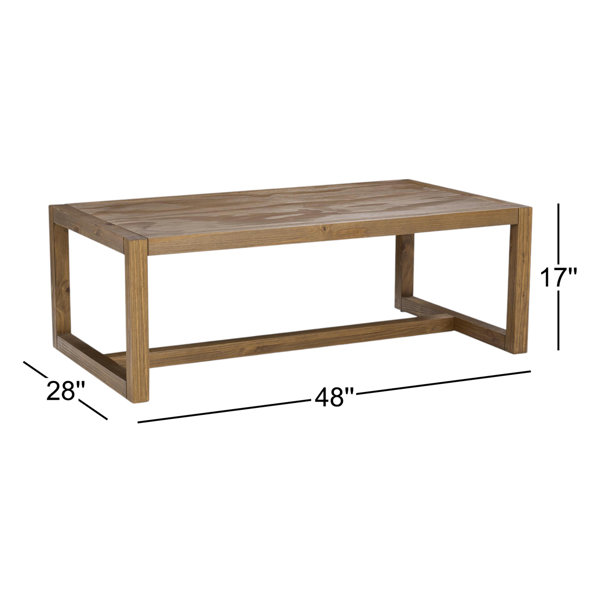
Credit: www.jossandmain.com
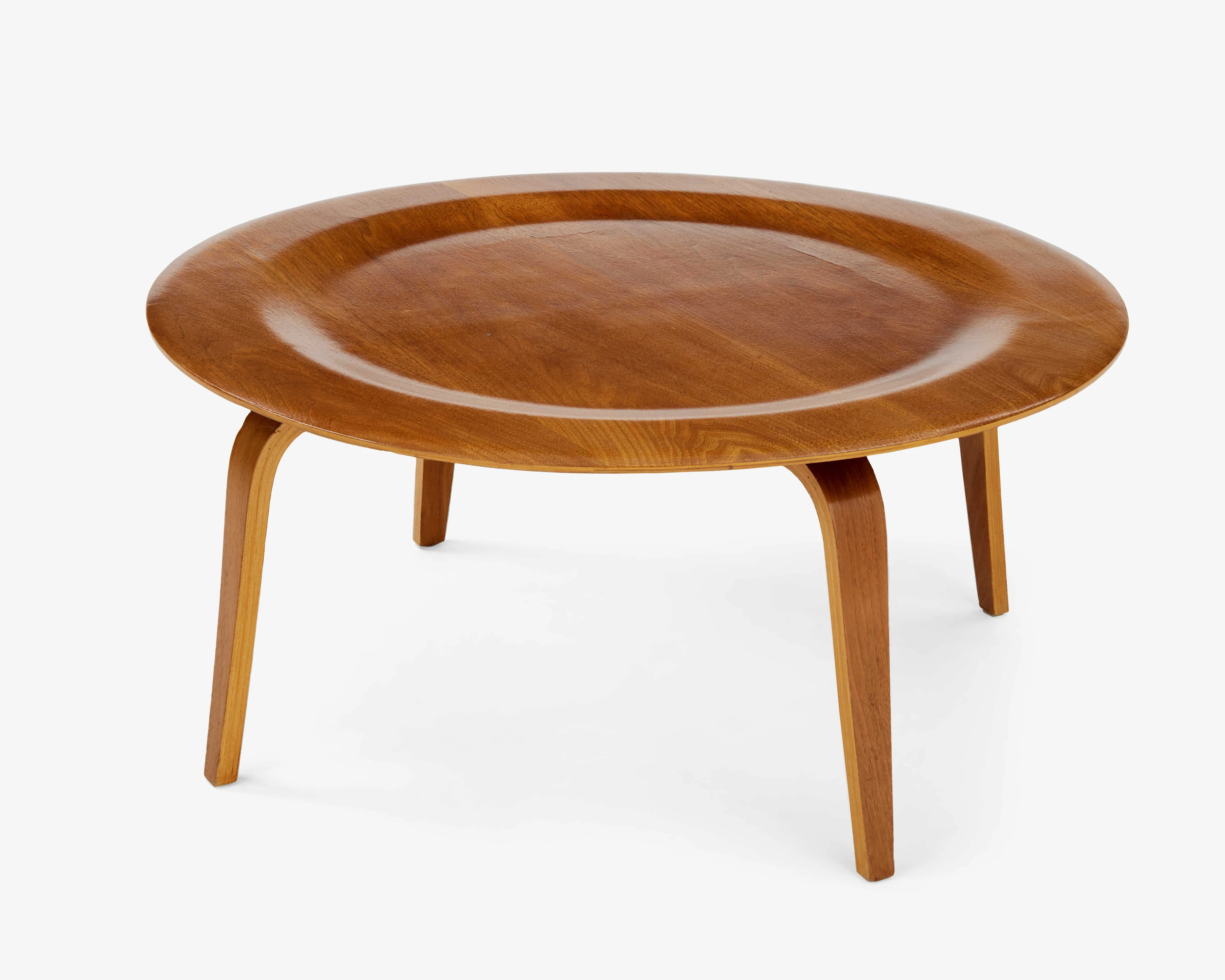
Credit: www.eamesinstitute.org
Frequently Asked Questions
Why Is It Called A Coffee Table?
A coffee table got its name because it was designed for holding coffee cups. It originated in the 17th century. People used it in living rooms to place coffee and light snacks conveniently.
When Did Coffee Tables First Appear?
Coffee tables first appeared in the late 1600s. They became popular during the Victorian era. Their design evolved to suit social coffee drinking habits.
What Is The Purpose Of A Coffee Table?
A coffee table serves as a low surface for drinks, books, and decor. It enhances living room functionality and aesthetics. It encourages social interaction around coffee or tea.
How Has The Coffee Table Design Evolved?
Coffee table designs evolved from simple, functional pieces to stylish furniture. Materials like wood, glass, and metal are popular now. Modern tables often include storage or adjustable features.
Conclusion
A coffee table got its name from its original use. People placed coffee cups on these low tables. They made it easy to enjoy coffee while sitting. Over time, the name stayed even as uses changed. Today, coffee tables hold books, decor, and more.
They remain a cozy spot in living rooms. Knowing the name’s origin adds interest to this common piece. Next time you see a coffee table, remember its simple start. It’s more than just furniture—it tells a small story.



