
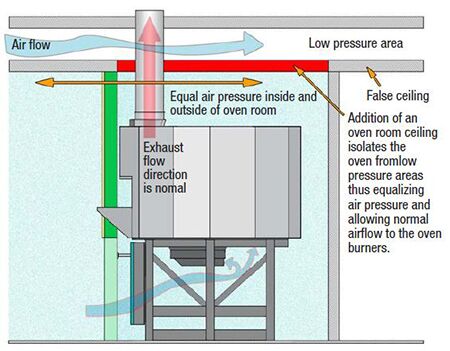
Are you wondering if your gas oven needs ventilation? It’s a question that many homeowners overlook but shouldn’t.
Proper ventilation isn’t just about keeping your kitchen fresh—it’s about your safety and the efficiency of your oven. If you want to protect your family from harmful gases and make sure your oven works smoothly, understanding ventilation is key. Keep reading to find out why ventilation matters and what you need to do to keep your kitchen safe and comfortable.
Why Ventilation Matters
Ventilation plays a key role in the safe use of gas ovens. It helps remove harmful gases and keeps the air clean. Without proper airflow, dangerous substances can build up indoors. This can affect health and cause safety issues. Understanding why ventilation matters helps you use gas ovens safely and effectively.
Risks Of Poor Ventilation
Poor ventilation leads to the accumulation of harmful gases. These gases include carbon monoxide, which is colorless and odorless. High levels of carbon monoxide can cause headaches, dizziness, or even death. Poor air quality also increases the risk of respiratory problems. In some cases, gas leaks may go undetected, causing fire hazards. Proper ventilation reduces these risks by clearing out dangerous fumes.
How Gas Ovens Produce Combustion Byproducts
Gas ovens burn natural gas or propane to generate heat. This process produces combustion byproducts such as carbon monoxide and nitrogen dioxide. Water vapor and small amounts of soot may also form. These byproducts can accumulate inside homes without proper ventilation. Gas ovens require fresh air to complete combustion fully. Ventilation helps carry these byproducts outside, maintaining healthy indoor air.
Credit: blog.yaleappliance.com
Types Of Ventilation For Gas Ovens
Understanding the types of ventilation available for gas ovens can help you keep your kitchen safe and comfortable. Ventilation plays a crucial role in removing harmful gases and excess heat. Knowing your options lets you choose what fits your space and cooking style best.
Range Hoods And Exhaust Fans
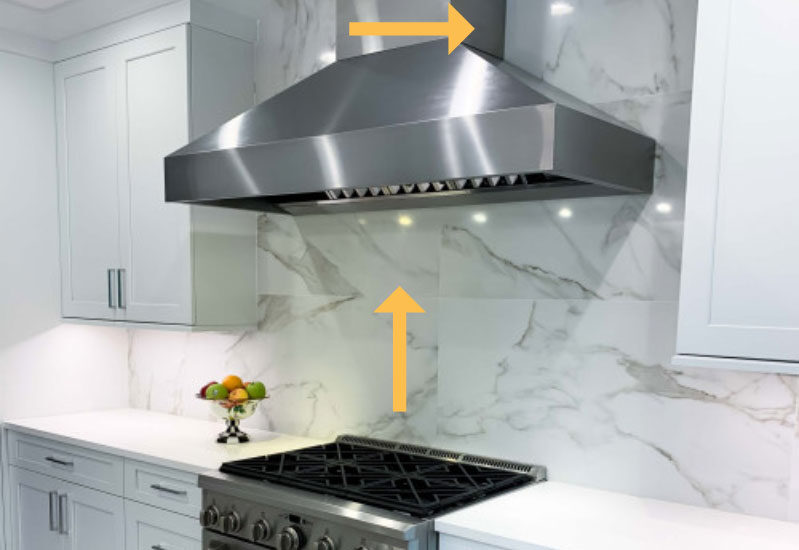
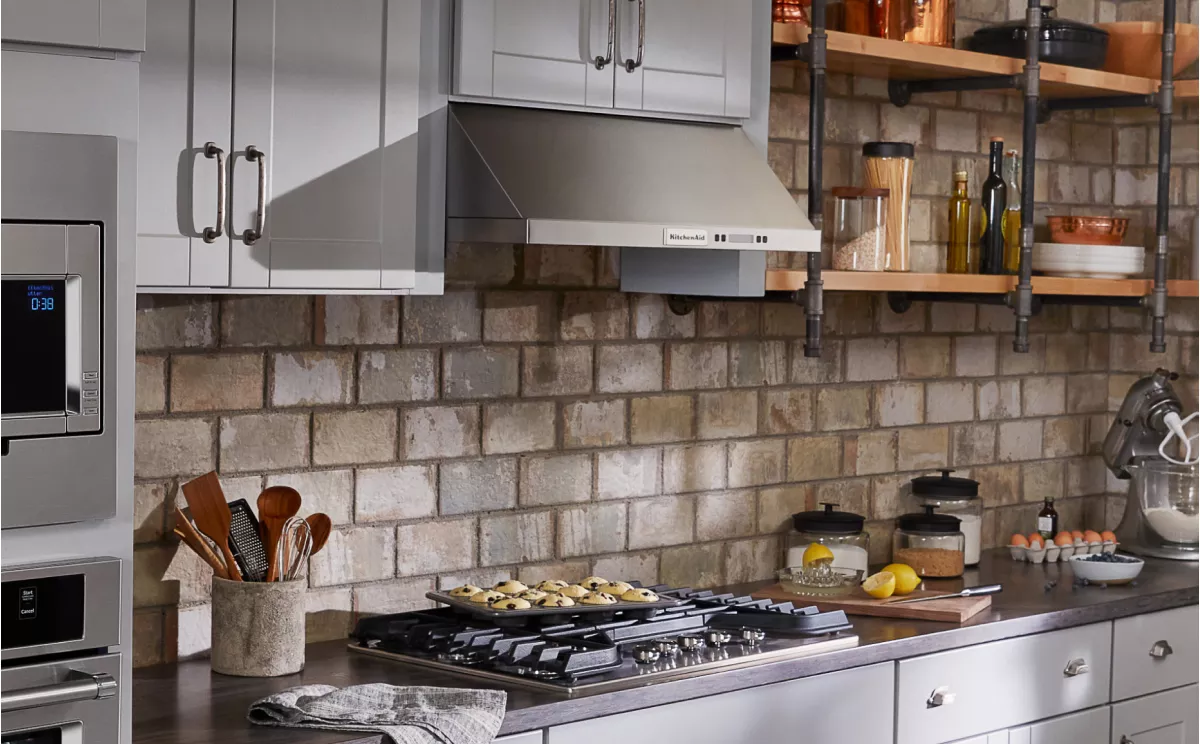
Range hoods are the most common ventilation choice for gas ovens. They capture smoke, steam, and cooking odors directly above the stove. Many come with built-in fans that pull air out of your kitchen, improving air quality instantly.
Exhaust fans work similarly but can be installed separately from the stove area. They help draw out stale air and replace it with fresh air. If you’ve ever cooked something that filled your kitchen with smoke, you know how valuable these devices are.
Ducted Vs. Ductless Systems
Ducted systems vent air outside your home through ducts. This option removes contaminants completely, making it highly effective. However, installing ducts can be costly and sometimes challenging in smaller kitchens.
Ductless systems filter the air and recirculate it back into the room. They use charcoal or carbon filters to trap odors and particles. While easier to install, these systems don’t remove gases entirely, so regular filter replacement is essential.
Natural Ventilation Options
Natural ventilation uses windows, vents, or open doors to let fresh air flow through your kitchen. It’s a simple, cost-free way to reduce gas buildup but depends heavily on weather and your home’s layout.
Have you considered how often you open your kitchen windows while cooking? Even brief bursts of fresh air can significantly improve safety and comfort. Combining natural ventilation with mechanical options can offer the best results.
Signs You Need Better Ventilation
Knowing when your gas oven needs better ventilation is crucial for safety and comfort. Poor ventilation can lead to serious health risks and damage to your home. Watch for clear signs that your kitchen’s airflow isn’t enough to keep your space safe and fresh.
Detecting Carbon Monoxide
Carbon monoxide (CO) is a silent danger that often goes unnoticed. If you or your family experience headaches, dizziness, or nausea while using the oven, it could be due to CO buildup. You should install a carbon monoxide detector near the kitchen to catch this invisible threat early.
Have you ever felt dizzy or unusually tired after cooking? That might be your body signaling unsafe air quality. Don’t ignore these symptoms—they could mean your gas oven isn’t ventilating properly.
Unusual Odors And Smoke
If you smell a strong gas odor or notice smoke lingering longer than usual, your ventilation system might be failing. Proper airflow should clear out fumes quickly, so persistent smells are a red flag. Pay attention to burning smells or an acrid odor, which could indicate incomplete combustion.
Sometimes, smoke can make your eyes water or cause coughing. These reactions suggest your kitchen air isn’t circulating well enough to remove harmful particles. Improving ventilation can stop these irritations and keep your space healthier.
Condensation And Moisture Issues
Excess moisture around your oven area is another sign ventilation is lacking. Condensation on windows or walls near the kitchen can lead to mold growth and damage surfaces. This often happens when gas ovens release water vapor that isn’t vented outside.
Have you noticed damp spots or peeling paint near your cooking space? These are clues that moisture is trapped indoors. Better ventilation helps prevent these problems by pushing humid air outside and keeping your kitchen dry.
Installation Tips For Safe Ventilation
Proper ventilation is crucial for gas ovens as it removes hazardous fumes and prevents carbon monoxide buildup. Ventilation systems help ensure safe cooking by removing cooking odors and moisture. Regular maintenance of ventilation systems is essential for optimal performance.
Proper ventilation is crucial for the safe operation of gas ovens. Without it, harmful gases like carbon monoxide can accumulate, posing serious health risks. Let’s dive into essential installation tips for ensuring your gas oven is safely ventilated.Proper Placement Of Vents
Positioning vents correctly is key to effective ventilation. Vents should ideally be placed near the ceiling, where hot air naturally rises. Make sure they’re not obstructed by cabinets or other kitchen fixtures. This ensures that heat and gases can escape efficiently, reducing the risk of buildup.Ensuring Adequate Airflow
Good airflow prevents the accumulation of harmful gases. Consider using an exhaust fan to help circulate air effectively. Ensure windows or other openings are not blocked, allowing fresh air to flow freely into the kitchen. This setup can dramatically improve the safety and efficiency of your gas oven.Hiring Qualified Professionals
While DIY projects can be tempting, gas oven ventilation is best left to experts. A qualified professional ensures that all installations meet safety standards. Their expertise can save you from costly mistakes and provide peace of mind. Plus, they can offer insights into maintaining optimal ventilation over time. Have you ever noticed your kitchen feeling stuffy after cooking? Proper ventilation could be the solution. It’s not just about comfort—it’s about safety too.Maintaining Your Gas Oven And Ventilation
Maintaining your gas oven and its ventilation ensures safe and efficient cooking. Proper care reduces risks like gas leaks and carbon monoxide buildup. It also extends the oven’s life and keeps air clean in your kitchen.
Regular Cleaning Of Vents And Filters
Keep vents and filters clean to allow proper airflow. Dust and grease can block vents and reduce ventilation. Remove filters and wash them with warm, soapy water. Wipe down vents with a damp cloth to clear dust. Clean these parts at least once a month for best results.
Routine Safety Inspections
Check your gas oven and ventilation system regularly for damage. Look for cracks, rust, or loose connections in vent pipes. Test for unusual smells or noises while the oven runs. Call a professional if you detect any signs of leaks or faults. Regular inspections help catch problems early and keep your kitchen safe.
When To Replace Ventilation Components
Replace ventilation parts if they show wear or no longer work well. Old or damaged vents can cause poor air quality and safety hazards. Signs to replace include:
- Visible cracks or rust on vent pipes
- Filters that no longer clean effectively
- Persistent cooking smells or smoke in the kitchen
Timely replacement supports good airflow and protects your home.
Legal And Safety Regulations
Gas ovens require proper ventilation for safety and legal reasons. Regulations exist to protect people from harmful gases. These rules ensure that gas appliances work safely in homes and businesses. Understanding these laws helps avoid risks and penalties.
Building Codes And Standards
Building codes set the rules for installing gas ovens. They require proper ventilation to remove combustion gases. These codes vary by location but usually include:
- Minimum vent sizes
- Clearance distances from walls
- Proper exhaust systems
- Installation by licensed professionals
Following these codes prevents gas leaks and fire hazards. Inspectors check compliance during construction or renovation.
Carbon Monoxide Detector Requirements
Carbon monoxide (CO) is a colorless, odorless gas from gas ovens. CO detectors are mandatory in many areas. They alert occupants if dangerous levels build up indoors.
- Detectors must be installed near sleeping areas
- Regular testing and maintenance are required
- Some regions require interconnected alarms for whole-house safety
CO detectors save lives by warning about ventilation failures. They are a key part of safe gas oven use.
Alternatives To Improve Kitchen Air Quality
Maintaining fresh air in your kitchen is vital, especially when using gas ovens. Good air quality reduces harmful gases and keeps your space safe. Several alternatives help improve the air without complex installations. These options support cleaner, healthier kitchens.
Using Air Purifiers
Air purifiers remove smoke, dust, and odors from the air. They use filters to trap tiny particles and pollutants. Choose models with HEPA filters for best results. Place the purifier near the cooking area to capture fumes quickly. Regular filter changes keep the device effective. This option is easy and does not require ventilation ducts.
Improving General Kitchen Ventilation
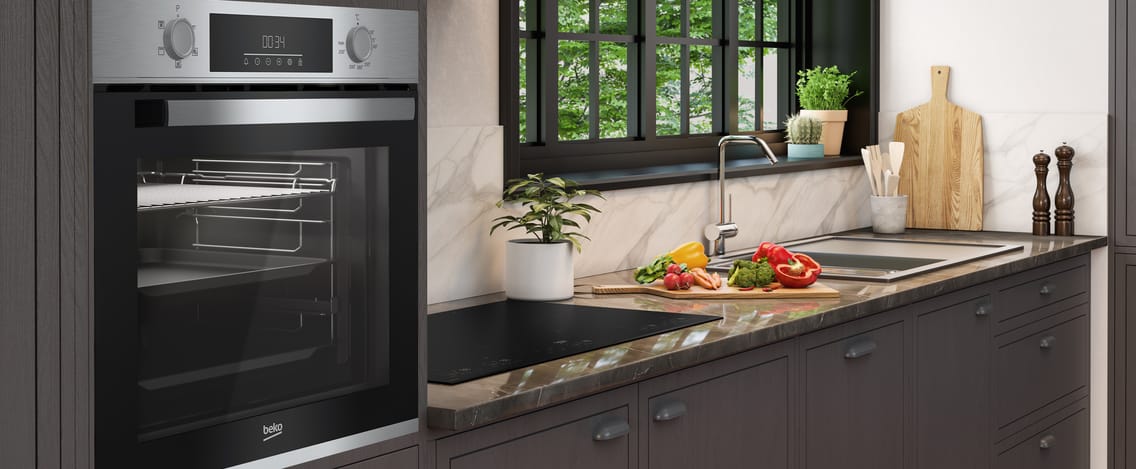
Opening windows helps fresh air flow in and pushes stale air out. Use exhaust fans to remove heat and cooking smells. Ceiling fans can also circulate air around the room. Position fans so air moves toward open windows or doors. Keep vents clean to avoid blockages. These simple steps promote better air exchange and reduce indoor pollution.
Credit: www.beko.co.uk
Credit: www.kitchenaid.com
Frequently Asked Questions
Do Gas Ovens Require Special Ventilation Systems?
Yes, gas ovens need proper ventilation to remove combustion gases. Good ventilation prevents carbon monoxide buildup and ensures safe indoor air quality.
What Type Of Ventilation Is Best For Gas Ovens?
A range hood vented outside is ideal. It effectively expels fumes, heat, and moisture, keeping your kitchen safe and comfortable.
Can Poor Ventilation Affect Gas Oven Performance?
Yes, inadequate ventilation can reduce oven efficiency. It may cause incomplete combustion, leading to higher gas use and safety risks.
How Often Should Gas Oven Ventilation Be Cleaned?
Clean ventilation systems every 3 to 6 months. Regular cleaning prevents grease buildup, improves airflow, and reduces fire hazards.
Conclusion
Gas ovens release gases that can harm your health. Ventilation helps keep the air fresh and safe. It removes smoke, odors, and harmful fumes. Proper airflow also stops moisture buildup and mold. Installing a vent hood or exhaust fan works well.
Regularly check your ventilation for safety and efficiency. Good air quality makes cooking safer and more pleasant. Remember, a well-ventilated kitchen protects you and your family. Simple steps can improve your home’s air every day.



