
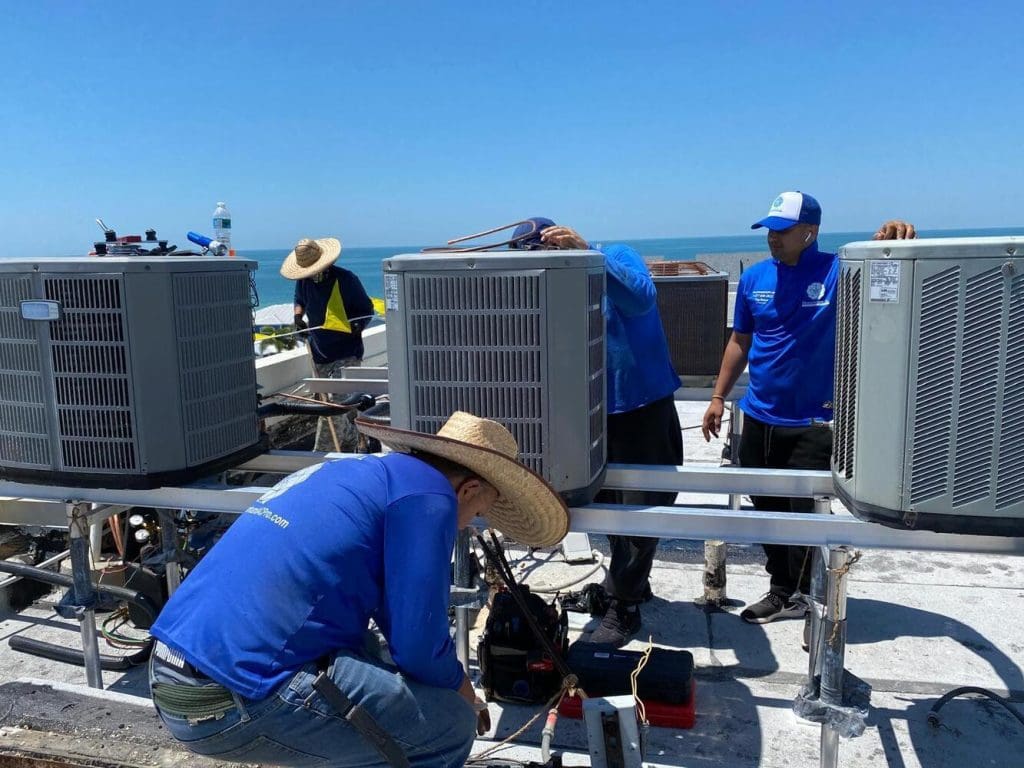
Are you ready to start a career that keeps people comfortable all year round? Becoming a heating and air conditioning specialist puts you in control of creating the perfect indoor climate.
Whether it’s a freezing winter night or a scorching summer day, your skills will make a real difference. You’ll discover the clear steps to enter this rewarding field. From the training you need to the opportunities that await, you’ll get a simple, straightforward guide to help you succeed.
Keep reading to find out how you can turn your interest in HVAC into a stable and satisfying career.
Career Pathways
Choosing a career as a heating and air conditioning specialist offers many pathways. Each step builds new skills and opens doors to diverse job roles. Understanding these pathways helps plan a clear route to success. Opportunities range from starting roles to expert positions with special skills.
Entry-level Roles
Entry-level jobs often require basic technical training or a high school diploma. Common roles include HVAC technician assistant and installer helper. These jobs teach essential skills like equipment handling and safety procedures. Working under experienced technicians provides hands-on learning. Entry-level roles focus on installation, basic repairs, and system checks.
Advanced Positions
Advanced roles demand more experience and often certification. Positions such as HVAC technician, system designer, or service manager fit here. These jobs involve diagnosing complex problems and managing projects. Technicians may also lead teams or train new workers. Advanced positions require strong problem-solving and communication skills.
Specialization Areas
Specializing helps focus your career on specific HVAC fields. Options include refrigeration, commercial systems, or energy efficiency consulting. Some specialists work on green technologies or smart home climate control. Certification in these areas enhances job prospects and pay. Specializing allows deeper knowledge and expert status in a niche.
Essential Skills
Becoming a heating and air conditioning specialist needs more than just basic knowledge. It requires a set of essential skills to perform well. These skills help technicians work safely, efficiently, and provide great service to customers. Developing these abilities increases job success and satisfaction.
Technical Abilities
Technical skills are the foundation of this career. Specialists must understand how HVAC systems work. They need to know how to install, maintain, and repair equipment.
- Read and interpret technical manuals and blueprints
- Use tools and diagnostic devices correctly
- Work with electrical wiring and refrigeration systems
- Follow safety standards and regulations
Strong technical knowledge ensures accurate work and fewer errors.
Problem-solving
Every day brings new challenges. Quick thinking and problem-solving skills are vital. Specialists must identify issues and find solutions fast. Troubleshooting helps avoid long downtime and costly repairs.
- Analyze symptoms and determine root causes
- Use logic to test different fixes
- Adapt to unusual problems or equipment
- Learn from each situation to improve skills
Good problem-solvers save time and keep customers happy.
Customer Service
Technicians often work directly with clients. Clear communication and polite manners improve customer experiences. Specialists must explain problems and solutions simply.
- Listen carefully to customer concerns
- Explain technical details in easy language
- Show respect and professionalism always
- Follow up to ensure satisfaction
Great customer service builds trust and repeat business.
Education Requirements
Becoming a heating and air conditioning specialist requires specific education. This education helps build the skills needed for installation, repair, and maintenance tasks. Understanding the basics is essential to work safely and efficiently.
The path starts with foundational knowledge and grows through hands-on learning. Training programs and certifications boost your chances of success in this field.
High School Diploma
A high school diploma is the first step toward this career. Subjects like math, science, and electronics are very helpful. Basic knowledge in these areas prepares you for technical training ahead.
Vocational Training
Vocational schools offer focused programs on heating and cooling systems. These courses combine classroom learning with practical experience. You learn about system components, wiring, and troubleshooting methods.
Training usually lasts six months to two years. It helps you gain the skills employers want.
Certification Programs
Certifications prove your expertise and improve job prospects. Many states and employers require certifications for legal work.
- EPA Section 608 Certification for handling refrigerants
- HVAC Excellence Certification for technical skills
- North American Technician Excellence (NATE) for industry standards
Certifications show commitment and knowledge to future employers.
Licensing And Certification
Licensing and certification are crucial steps to becoming a heating and air conditioning specialist. They prove your knowledge and skills to employers and clients. Without the proper credentials, you might find it hard to get hired or handle certain tasks legally.
State Licenses
Each state has its own requirements for HVAC specialists. Some require you to pass a licensing exam, while others may ask for a specific number of work hours or education credits.
Check your state’s licensing board website to find exact rules. You might need to renew your license regularly by completing continuing education courses. Staying updated ensures you follow safety and environmental standards.
Epa Certification
If you plan to work with refrigerants, you must have an EPA certification. The Environmental Protection Agency requires this to prevent harmful releases into the atmosphere.
There are different types of EPA certifications, but the most common one for HVAC techs is Section 608. You can prepare by studying refrigerant handling and passing a test that covers safety and legal requirements.
Industry Credentials
Beyond licenses and EPA certification, many HVAC specialists pursue industry credentials to stand out. Organizations like HVAC Excellence or North American Technician Excellence (NATE) offer certifications that show your expertise.
These credentials focus on specific skills, such as installation, maintenance, or system design. Earning them can boost your job prospects and even increase your earning potential.
Training Options
Training is essential to become a skilled heating and air conditioning specialist. Various paths provide the knowledge and hands-on experience needed. Each option offers unique benefits depending on your learning style and career goals.
Apprenticeships
Apprenticeships combine paid work with classroom instruction. You learn directly from experienced technicians on real jobs. This path builds strong practical skills and industry knowledge. It usually lasts 3 to 5 years. Apprenticeships help you earn while you learn.
On-the-job Training
Many companies offer on-the-job training for new hires. You start by assisting skilled workers and gradually take on more tasks. This training focuses on specific tools and systems used by the employer. It offers fast entry into the workforce. You gain confidence handling equipment and solving problems.
Technical Schools
Technical schools provide structured courses in HVAC technology. You study heating, ventilation, air conditioning, and refrigeration theory and practice. Programs typically last 6 months to 2 years. Schools often include labs and simulated work environments. Graduates earn certificates or associate degrees. This option suits those who want formal education before working.

Credit: www.fondasplumbing.com
Tools And Equipment
Becoming a heating and air conditioning specialist requires more than knowledge. The right tools and equipment are essential for effective work. These tools help diagnose problems, perform repairs, and ensure safety. Understanding the key tools used in this trade sets a strong foundation for success.
Basic Tools
Basic tools are the foundation of any HVAC technician’s toolkit. These include screwdrivers, wrenches, pliers, and wire cutters. Each tool serves a specific purpose in installation and repair tasks. A reliable toolkit helps complete jobs efficiently and accurately.
- Screwdrivers (flathead and Phillips)
- Adjustable and pipe wrenches
- Needle-nose and slip-joint pliers
- Wire strippers and cutters
- Measuring tape and levels
Diagnostic Devices
Diagnostic devices identify issues in heating and cooling systems. These tools measure pressure, temperature, and electrical currents. They provide accurate data for troubleshooting and system analysis. Using these devices reduces guesswork and speeds up repairs.
- Multimeter for electrical testing
- Manifold gauge set for refrigerant pressure
- Thermometers and temperature probes
- Leak detectors for refrigerant leaks
- Combustion analyzers for furnace efficiency
Safety Gear
Safety gear protects technicians during potentially hazardous tasks. Wearing proper equipment minimizes injury risks. A focus on safety keeps the work environment secure and professional. Essential safety gear includes protective clothing and eye protection.
- Safety goggles or glasses
- Work gloves for hand protection
- Steel-toed boots for foot safety
- Respirators or masks for dust and fumes
- Ear protection in noisy environments
Job Search Tips
Embarking on a career as a Heating and Air Conditioning Specialist can be rewarding. After acquiring the necessary skills and qualifications, the next crucial step is the job search. This phase requires strategic planning to stand out in a competitive job market.
Resume Building
A well-crafted resume can open doors to job interviews. Highlight your technical skills and certifications prominently. Mention any hands-on experience, including internships or apprenticeships. Use clear, concise language. Tailor your resume for each job application by aligning it with the job description.
Interview Preparation
Interviews can make or break your job prospects. Practice common interview questions related to HVAC systems. Dress professionally and arrive on time. Show enthusiasm and confidence. Prepare questions to ask the employer about the company and role. This shows interest and engagement.
Networking Strategies
Networking can significantly boost your job search efforts. Connect with professionals in the HVAC industry. Attend industry events, workshops, and seminars. Join online forums and groups related to heating and air conditioning. Building relationships can lead to job referrals and insights.

Credit: anna.money
Advancement Opportunities
Heating and air conditioning specialists have various career paths. Advancement opportunities can lead to higher salaries and increased responsibilities. Let’s explore the possibilities in this rewarding field.
Specialized Certifications
Obtaining specialized certifications can enhance your skills. Certifications show expertise in specific areas. They increase your value to employers. For instance, NATE certification is well-regarded in the industry. It demonstrates a high level of technical knowledge.
Another option is EPA certification. It allows handling refrigerants safely. This certification is often required by employers. Pursuing these certifications can open doors to advanced positions.
Supervisory Roles
Experienced specialists may move into supervisory roles. These positions involve managing teams and projects. Supervisors ensure work meets quality standards. They also train and mentor junior technicians. This role requires strong leadership and communication skills.
Supervisory roles often come with increased pay and benefits. They offer a chance to influence company practices. This position is a natural step for career growth.
Starting Your Own Business
Some specialists choose to start their own business. This path offers independence and control. Business owners can set their own schedules. They also have the potential for higher earnings.
Starting a business requires planning and investment. It involves marketing, customer service, and financial management. Successful entrepreneurs often have a strong network. They rely on past clients and industry contacts. Starting your own business can be a fulfilling career choice.
Industry Trends
The heating and air conditioning industry is rapidly evolving. Staying updated on the latest trends can give you an edge as a specialist. Understanding these shifts helps you meet customer needs more effectively and grow your career.
Energy Efficiency
Energy efficiency is a key focus in HVAC systems today. Customers want solutions that save money on utility bills and reduce environmental impact. You can expect more demand for high SEER-rated units and advanced insulation techniques.
Have you considered how optimizing energy use in HVAC systems can differentiate your service? Learning about energy audits and efficient system design will make you a valuable expert. This knowledge also helps you advise clients on upgrades that truly pay off.
Smart Hvac Systems
Smart technology is changing how HVAC systems operate. Thermostats that learn your schedule and adjust settings automatically are becoming the norm. These systems offer remote control via apps and can diagnose problems before they become serious.
Imagine helping customers save energy effortlessly with smart controls. Your ability to install and maintain these systems will boost your reputation. Plus, you’ll reduce callbacks by catching issues early through system alerts.
Sustainability Practices
Sustainability is no longer optional; it’s expected. Using eco-friendly refrigerants and promoting green installation methods show your commitment to the planet. Customers often prefer specialists who prioritize environmentally safe practices.
How can you integrate sustainability into your daily work? Start by choosing equipment that meets environmental standards and advising clients on reducing their carbon footprint. This approach not only benefits the environment but also builds trust with your clients.
Credit: budgetohio.com
Frequently Asked Questions
What Education Is Needed To Become An Hvac Specialist?
A high school diploma or GED is typically required. Technical training in HVAC systems from a trade school or community college is essential for hands-on skills and knowledge.
How Long Does Hvac Training Usually Take?
HVAC training programs generally last from six months to two years. The duration depends on the course type and depth of study.
Are Certifications Necessary For Hvac Specialists?
Yes, certifications like EPA 608 and NATE validate skills and improve job prospects. They ensure compliance with safety and environmental standards.
What Skills Are Crucial For Hvac Professionals?
Technical aptitude, problem-solving, and customer service skills are vital. Physical stamina and attention to detail also play important roles in success.
Conclusion
Becoming a heating and air conditioning specialist takes time and effort. Start by learning the basics and getting proper training. Gain hands-on experience through apprenticeships or entry-level jobs. Stay updated with new technologies and safety rules. Good communication skills help when working with customers.
This career offers steady work and chances to grow. Keep practicing and never stop learning. Success is within reach for those who stay focused and work hard.



