
Are you wondering if you really need a rug pad for your hardwood floors? You might think a rug alone is enough, but there’s more to it than just looks.
A rug pad can protect your floors, keep your rug in place, and even make your room feel cozier. Missing out on this simple addition could cost you in the long run. Keep reading to discover why a rug pad might be the best investment you make for your hardwood floors—and how it can save you time, money, and frustration.
Why Rug Pads Matter
Rug pads are often overlooked when decorating hardwood floors, but they play a crucial role beyond just aesthetics. You might wonder if a simple rug on its own can do the job. The truth is, rug pads add value in ways that protect both your floors and your investment in the rug itself.
Protecting Hardwood Floors
Hardwood floors are beautiful but sensitive to scratches and dents. Without a rug pad, the rug’s backing can trap dirt and grit, which grinds against the floor every time you walk across it.
A rug pad acts as a cushion, preventing direct contact between the rug and the floor. This reduces wear and tear and keeps your floors looking pristine for longer.
Enhancing Rug Durability
Have you noticed how some rugs start to fray or lose shape quickly? That’s often because they lack the support of a good rug pad underneath.
The pad absorbs the pressure from foot traffic and furniture, which helps your rug maintain its shape and texture. It’s a simple way to extend the life of your rug without extra effort.
Improving Comfort And Safety
Walking on a bare hardwood floor can feel cold and hard, especially in winter. A rug pad adds extra cushioning, making your space cozier and more comfortable underfoot.
Safety is another big factor. Rug pads prevent slipping by keeping the rug firmly in place. Have you ever tripped over a sliding rug? A pad can help you avoid that risk entirely.

Credit: www.amazon.ca
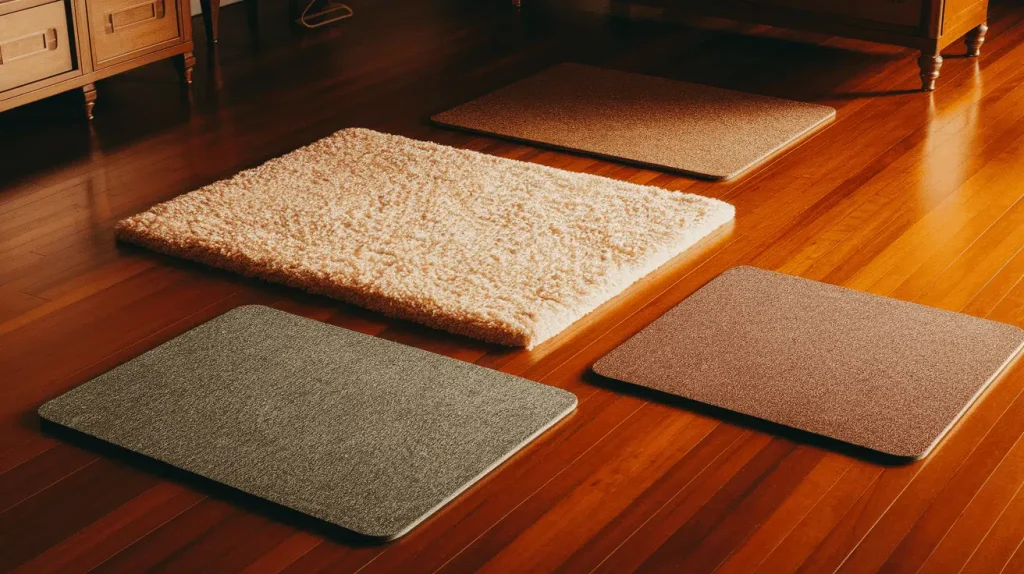
Types Of Rug Pads For Hardwood
Choosing the right rug pad for hardwood floors helps protect your wood and enhances comfort. Different types of rug pads offer various benefits. Each type suits different needs and preferences. Understanding these options helps keep your floors safe and your rugs in place.
Natural Fiber Pads
Natural fiber pads are made from materials like jute or cotton. They provide a soft layer under the rug. These pads allow air to circulate, preventing moisture buildup. They are eco-friendly and biodegradable. However, they may not offer strong grip on hardwood floors.
Rubber And Felt Pads
Rubber pads have a non-slip surface that keeps rugs from sliding. Felt pads add cushioning and protect the floor from scratches. Some pads combine rubber and felt for grip and comfort. These pads are durable and work well on hardwood floors. They help maintain rug position and protect wood finish.
Memory Foam Options
Memory foam rug pads provide extra softness and support. They cushion every step, making walking more comfortable. These pads absorb sound, reducing noise in rooms. Memory foam is lightweight and easy to move. They work best under rugs in high-traffic areas or where comfort matters most.
Choosing The Right Rug Pad
Choosing the right rug pad for hardwood floors is essential. It protects both your rug and the floor beneath. A good rug pad enhances comfort and prevents slips. But how do you pick the right one? Consider size, thickness, material, and safety.
Size And Thickness Considerations
Selecting the correct size is crucial. Measure your rug accurately. The pad should be slightly smaller than the rug. This prevents edges from curling. It also keeps the rug flat. Thickness matters too. A thicker pad offers more cushioning. But, it may make doors harder to open. Balance comfort with practicality.
Material Compatibility
Material choice impacts performance and safety. Natural rubber pads work well on hardwood. They grip surfaces without leaving marks. Felt pads add extra cushioning. Avoid PVC pads. They can damage floors over time. Always check the material before buying.
Allergen And Chemical Concerns
Some rug pads contain chemicals that trigger allergies. Low-VOC pads are a safer option. They emit fewer harmful chemicals. Choose pads labeled hypoallergenic. This reduces the risk of allergic reactions. Prioritize health and safety in your choice.
Installation Tips
Installing a rug pad on hardwood floors might seem straightforward, but a few smart steps can make a big difference in protecting your floor and keeping your rug in place. Paying attention to proper installation not only enhances safety but also extends the life of both your rug and hardwood. Let’s break down how you can set up your rug pad effectively.
Preparing Hardwood Floors
Start by thoroughly cleaning your hardwood floors. Dust and dirt can cause scratches if trapped under the rug pad, so vacuum or sweep well. Avoid using wet cleaners before installation, as moisture can damage wood.
Check the floor for any rough spots or splinters. Sand down uneven areas gently to create a smooth surface for the rug pad. This helps prevent premature wear and keeps the pad flat.
Aligning Rug And Pad
Choose a rug pad slightly smaller than your rug to prevent edges from curling up. Place the pad carefully, making sure it’s centered under the rug. This alignment is key to stopping slips and ensuring even wear.
Take a moment to smooth out any wrinkles or folds in the pad before laying your rug. Have you noticed how just a small wrinkle can cause tripping hazards or uneven rug surfaces? Taking time here pays off in comfort and safety.
Maintenance And Cleaning
Keep your rug and pad fresh by vacuuming regularly. This prevents dirt buildup that can wear down the fibers and your hardwood floor. Don’t forget to occasionally lift the rug and air out the pad to stop moisture and odors.
If spills happen, clean them promptly to avoid stains or damage. You might be surprised how a little routine care can preserve your floor’s shine and keep your rug looking new for years.
Common Mistakes To Avoid
Choosing the right rug pad for hardwood floors is more than just picking any pad off the shelf. Many people make avoidable mistakes that can damage their floors or shorten the life of their rugs. Spotting these common errors early can save you time, money, and frustration.
Using The Wrong Material
Not all rug pads are safe for hardwood floors. Some materials contain chemicals that can react with the finish on your floors, causing discoloration or sticky residues. Avoid pads made with rubber or latex that aren’t specifically labeled as hardwood floor safe.
Look for natural felt or non-slip pads designed for hardwood. These provide cushioning without risking damage. Have you ever noticed a sticky spot under your rug? That’s often caused by the wrong pad material.
Ignoring Rug Pad Thickness
Thickness matters more than many realize. Too thin a pad won’t protect your floors from scratches or wear. On the other hand, a pad that’s too thick can create an uneven surface, causing tripping hazards or wear on your rug edges.
Choose a pad thickness between 1/8 inch and 1/4 inch for the best balance. Think about how often your rug gets foot traffic and adjust accordingly. Are you prioritizing comfort or floor protection?
Skipping Regular Checks
Once your rug pad is down, don’t just forget about it. Over time, dirt and moisture can build up between the pad and the floor, leading to mold or damage. Regularly lifting and inspecting your rug and pad helps catch problems early.
Make it a habit to check every few months, especially in humid areas. This simple step can extend the life of both your rug and hardwood floor. When was the last time you lifted your rug to see what’s underneath?

Credit: enthrallinggumption.com

Credit: enthrallinggumption.com
Frequently Asked Questions
Do Hardwood Floors Need A Rug Pad?
Yes, rug pads protect hardwood floors from scratches and dents. They also prevent slipping and extend rug life.
What Type Of Rug Pad Suits Hardwood Floors?
Choose a natural rubber or felt rug pad. Avoid pads with harsh adhesives or synthetic materials to protect the wood finish.
Can A Rug Pad Prevent Floor Damage?
Absolutely. Rug pads cushion impact, reduce friction, and stop dirt buildup, preserving hardwood floor appearance and durability.
How Thick Should A Rug Pad Be For Hardwood?
A rug pad thickness of 1/4 inch is ideal. It offers enough cushioning without causing uneven wear or floor damage.
Conclusion
A rug pad helps protect hardwood floors from scratches and dents. It keeps rugs from slipping, making your space safer. The extra cushioning also adds comfort underfoot. Choosing the right rug pad can extend the life of both your rug and floor.
It is a simple step that offers many benefits. Think of it as a small investment for a big difference. Protect your floors and enjoy a cozy, secure home.



