
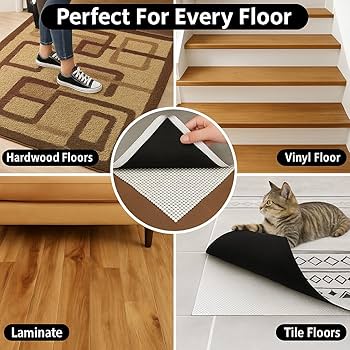
Are you tired of your rug constantly slipping and sliding on your hardwood floor? It’s not just annoying—it can also be dangerous.
You want your space to feel cozy and secure, but a moving rug can ruin that comfort. The good news is, there are simple and effective ways to keep your rug firmly in place. You’ll discover easy tips and tricks that anyone can use to stop that annoying slide for good.
Keep reading, and you’ll soon enjoy a safer, more stable floor that looks great too.
Credit: www.amazon.ca
Causes Of Rug Slippage
Understanding why rugs slide on hardwood floors is key to stopping the annoying shuffle. Several factors make rugs prone to slipping, and knowing these can help you pick the right solution. Let’s look into the main causes that might be affecting your rug’s grip.
Smooth Hardwood Surfaces
Hardwood floors are often finished with a smooth, glossy coat. This slick surface reduces friction between the floor and the rug backing. Imagine trying to hold a wet bar of soap—it slips easily. That’s what happens with rugs on polished floors.
If your floor has a high-gloss finish, the rug has less to grab onto, causing it to slide with the slightest push. Have you noticed your rug shifting more right after cleaning or waxing? That’s because these treatments make the floor extra slippery.
Lightweight Rugs
Light rugs are easier to move, especially when placed on smooth floors. If your rug is thin or made from lightweight materials, it won’t stay put when you walk over it. The weight of the rug plays a big role in its stability.
Think about a thin cotton or synthetic rug—it’s more likely to bunch up or slide than a thick wool rug. Have you ever stepped on a light rug and felt it shift under your feet? That’s your rug asking for some extra help.
High Traffic Areas
Areas with heavy foot traffic naturally cause more rug movement. When people walk repeatedly over the same spot, the rug tends to slide or bunch up. This is especially true near doorways, hallways, and living room centers.
Do you notice your rugs shifting more in these busy spots? It’s because constant pressure and movement push the rug out of place. Without proper anchoring, rugs in high-traffic zones are almost guaranteed to slip.
Non-slip Rug Pads
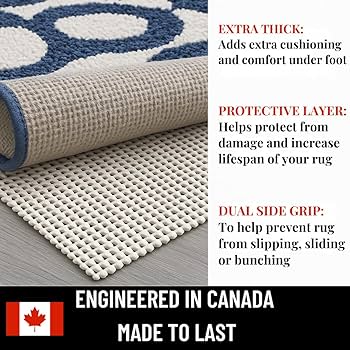
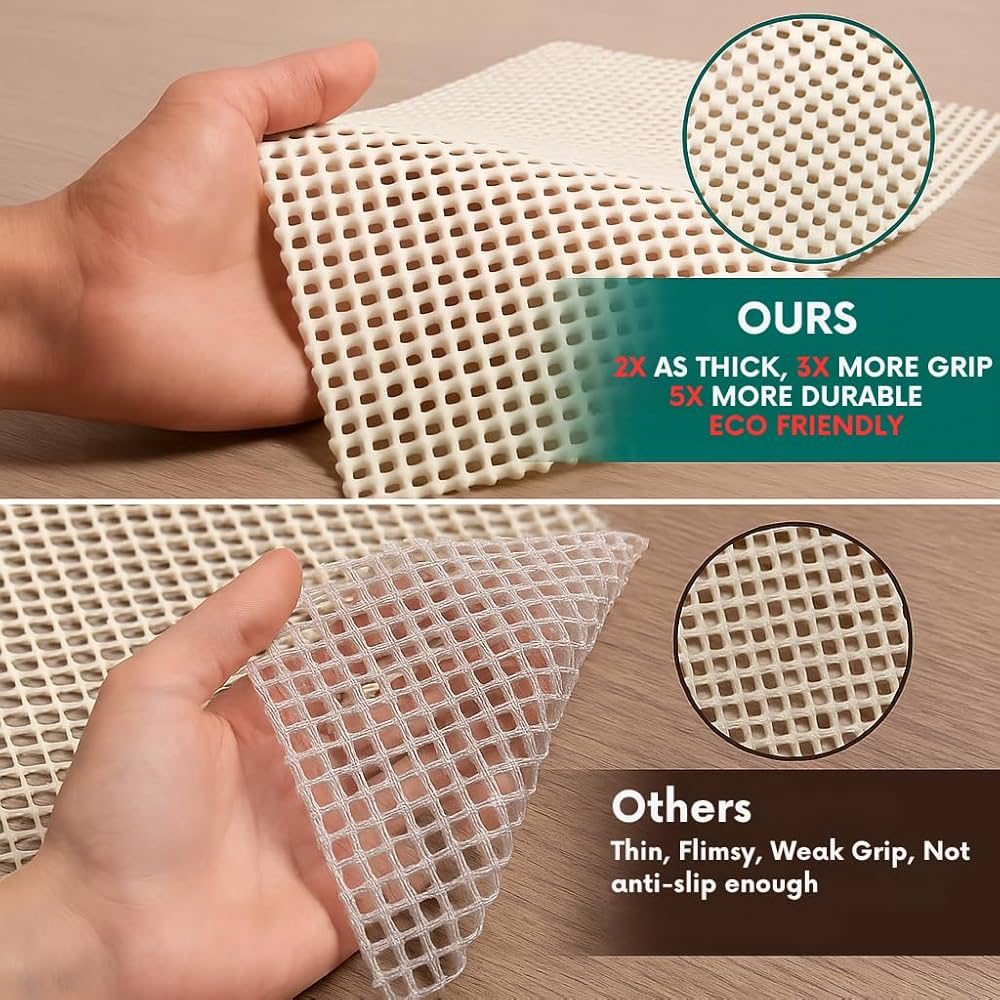
Non-slip rug pads are essential to keep rugs steady on hardwood floors. They create friction between the rug and floor, stopping unwanted movement. These pads also protect your floor from scratches and extend your rug’s life.
Choosing the right rug pad can make a big difference in safety and comfort. They come in various materials and sizes to suit different rugs and floor types.
Types Of Rug Pads
- Felt Pads:Soft and thick, they provide cushioning and protect hardwood floors.
- Rubber Pads:Offer excellent grip and prevent slipping effectively.
- Memory Foam Pads:Provide extra comfort and some non-slip properties.
- Combination Pads:Felt on top with rubber backing for grip and comfort.
Choosing The Right Size
Select a rug pad slightly smaller than your rug size. This helps prevent the pad from showing around the edges.
Measure your rug carefully before buying a pad. A well-fitted pad improves stability and looks neat.
Installation Tips
- Clean the floor before placing the rug pad to remove dust.
- Lay the pad flat, avoiding wrinkles and folds.
- Place the rug evenly on top of the pad, aligning edges.
- Check for any movement and adjust if necessary.
Double-sided Tape Solutions
Double-sided tape holds rugs firmly on hardwood floors, preventing slipping and sliding. It is easy to apply and keeps the rug flat without damaging the surface. This simple solution improves safety and maintains floor cleanliness.
Double-sided tape offers a practical solution for keeping rugs in place. It’s a simple yet effective method to prevent your rug from slipping on hardwood floors. The tape creates a secure bond between the rug and the floor, ensuring safety and stability. Let’s explore how to use double-sided tape effectively.Selecting The Best Tape
Choose tape specifically designed for rugs and hardwood floors. Look for tape that is strong yet gentle. It should not damage the floor finish. Check reviews and product descriptions. Ensure it suits your needs and floor type.Application Steps
Clean the floor and rug underside. Ensure both are free from dust and debris. Cut the tape into strips. Attach strips to the rug’s edges and corners. Press firmly to secure the tape in place. Position the rug on the floor. Press down to ensure a strong bond.Removing Tape Residue
Gently pull the rug to lift it from the floor. If residue remains, use a damp cloth to wipe. For stubborn residue, apply a small amount of vinegar. Rub gently until the residue lifts. Avoid using harsh chemicals. They may damage the floor finish.
Credit: www.amazon.ca
Rubber Backing Options
Keeping your rug from sliding on hardwood floors can be a tricky task, but rubber backing options offer a solid solution. These options create friction between the rug and floor, helping your rug stay put without damaging your beautiful hardwood. Let’s look at some practical rubber backing choices you can consider to secure your rugs effectively.
Rubberized Mats
Rubberized mats are ready-made solutions designed to go right under your rug. You simply cut the mat to fit your rug’s size and place it underneath. The rubber grips the floor firmly while holding the rug in place.
Many people find these mats easy to use because they require no tools or adhesives. Plus, they can be reused on different rugs if you decide to change your decor. Do you have a rug that keeps slipping in your living room? A rubberized mat might be the easiest fix.
Diy Rubber Backing
If you enjoy a hands-on approach, you can add rubber backing yourself using shelf liner or rubberized fabric. This method involves attaching the rubber material to the underside of your rug with spray adhesive or double-sided tape.
DIY rubber backing allows you to customize the size and thickness to suit your rug perfectly. However, it does require some patience and attention to detail. Have you tried crafting your own rug backing before? It’s a rewarding way to give your rug a non-slip upgrade without buying new products.
Pros And Cons
| Option | Pros | Cons |
|---|---|---|
| Rubberized Mats |
|
|
| DIY Rubber Backing |
|
|
Which option fits your lifestyle better—quick and easy or personalized and hands-on? Remember, the right rubber backing can transform your rug from a slip hazard into a stable, stylish floor feature.
Alternative Fixes
Keeping a rug in place on a hardwood floor can sometimes be tricky. Beyond traditional rug pads, there are alternative fixes that can offer strong hold and prevent slipping. These solutions are easy to apply and can fit different styles and needs in your home.
Velcro Strips
Velcro strips provide a simple yet effective way to keep your rug from sliding. Attach one side of the strip to the floor and the other to the rug’s underside. This creates a secure grip that holds the rug steady without damaging your hardwood.
One time, I used velcro strips under a small runner in a busy hallway. It stayed put for months, even with heavy foot traffic. Have you considered how such a quick fix could save you from constant rug adjustments?
Furniture Placement
Placing furniture strategically can anchor your rug naturally. Heavy pieces like sofas, coffee tables, or bookshelves can hold down edges or corners that tend to lift or slide. This method requires no additional products and looks seamless.
Try moving a chair or table slightly onto the rug’s edge and notice the difference. Does your space allow for this kind of setup? It’s a practical way to stop slipping without extra effort.
Spray Adhesives
Spray adhesives designed for rugs offer a semi-permanent solution that’s easy to apply. Spray a light, even coat on the back of the rug before placing it on the floor. This creates a tacky surface that grips the hardwood but can be cleaned off later if needed.
When I tested spray adhesive, the rug stayed put even during a lively dinner party. It’s a good option if you want something stronger than velcro but less permanent than glue. Would you be comfortable using an adhesive that leaves no residue?
Maintenance Tips
Keeping your rug from sliding on hardwood floors isn’t a one-time fix; it needs regular attention. Maintenance helps your rug stay put and extends the life of both your rug and floor. Small habits can make a big difference in preventing slips and trips in your home.
Regular Cleaning
Dust and dirt can reduce the grip between your rug and the floor. Vacuum both the rug and the floor underneath frequently to remove particles that cause slipping.
Make sure the floor is dry before placing the rug back. Have you noticed your rug sliding more after spills? That’s a sign to clean and dry immediately.
Checking Rug Position
Over time, rugs can shift, especially in high-traffic areas. Take a moment each week to adjust your rug back into place.
Pay attention to corners or edges curling up—they can cause tripping hazards. If you catch these early, you can prevent bigger problems later.
Replacing Worn Pads
Rug pads lose their grip with age and constant use. If your rug starts slipping despite cleaning and repositioning, it might be time to replace the pad.
Choose pads designed for hardwood floors to protect your surface and keep the rug stable. Have you checked your rug pad lately? It could be the hidden reason behind your sliding rug.
Credit: www.amazon.ca
Frequently Asked Questions
How Can I Stop My Rug From Slipping On Hardwood Floors?
Use a non-slip rug pad or double-sided carpet tape to keep the rug firmly in place. These prevent movement and protect floors.
What Materials Work Best For Rug Grippers On Wood Floors?
Rubber and felt-backed pads are ideal. Rubber grips the floor while felt protects hardwood from scratches and damage.
Are Rug Pads Safe For Hardwood Flooring?
Yes, high-quality rug pads made from natural rubber or felt are safe and prevent scratches or discoloration on hardwood floors.
Can Furniture Help Keep Rugs From Sliding?
Yes, placing furniture on rug edges anchors it in place, reducing movement and slipping on smooth hardwood surfaces.
Conclusion
Keeping a rug from sliding on hardwood floors is simple with the right steps. Use rug pads or double-sided tape to hold it steady. Choose materials that match your floor and rug type. Regularly check and adjust the rug to avoid slips.
A stable rug adds safety and comfort to your home. Small efforts make a big difference in keeping your space neat and safe. Try these tips to enjoy a secure and beautiful rug every day.



