
Are you wondering if your metal roof needs ventilation? You might think metal roofs are tough enough to handle any weather without extra help.
But the truth is, proper ventilation plays a big role in keeping your roof and home comfortable and durable. If you want to avoid costly repairs, reduce energy bills, and protect your home from damage, understanding metal roof ventilation is key.
Keep reading to find out why ventilation matters and how it can make a difference for your metal roof.

Credit: www.just-roof-repairs.co.uk
Why Ventilation Matters
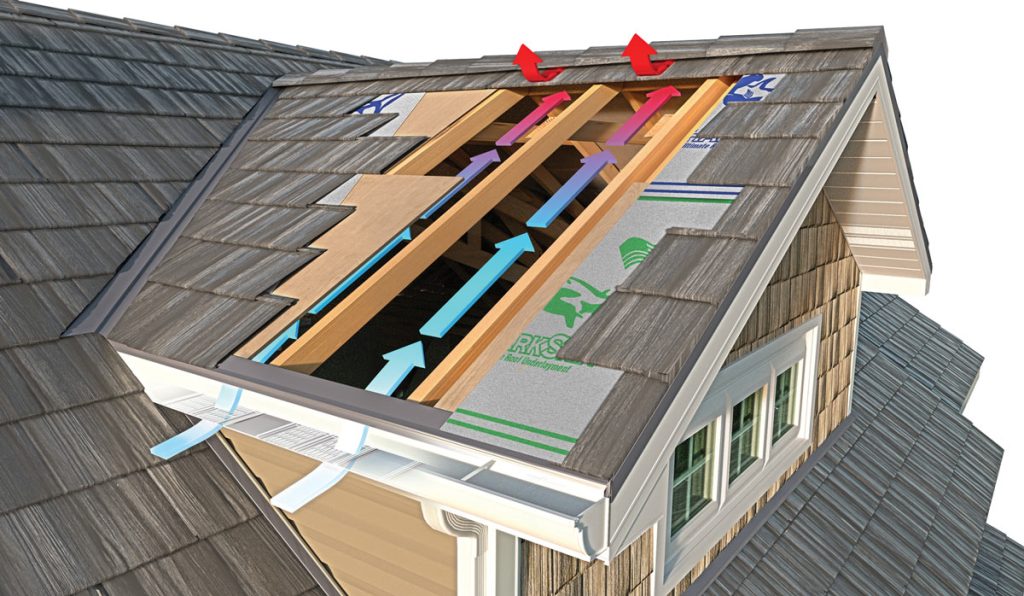
Proper ventilation is a key factor in maintaining a metal roof’s performance. It helps avoid common problems and keeps your roof in good shape. Ventilation allows air to flow under the metal panels, balancing temperature and moisture. This airflow prevents damage and improves overall comfort inside the building.
Impact On Roof Lifespan
Ventilation reduces heat buildup under the metal roof. Excess heat can cause the metal to expand and contract, leading to cracks. Without ventilation, trapped heat speeds up wear and tear. Proper airflow slows down aging and helps the roof last longer.
Energy Efficiency Benefits
Ventilation lowers indoor temperatures during hot days. Cooler air under the roof means less work for air conditioners. This reduces energy use and lowers electricity bills. Ventilation also keeps the roof cooler, preventing heat transfer inside the building.
Preventing Moisture Build-up
Metal roofs can trap moisture from rain, snow, or humidity. Ventilation helps remove this moisture before it causes damage. Moisture build-up leads to rust, mold, and wood rot. Proper airflow keeps the roof dry and protects the structure beneath.
Credit: bcpinc.us
Signs Of Poor Ventilation
Poor ventilation in metal roofs leads to several visible and costly problems. Identifying these signs early can save you from major repairs. Check for moisture buildup, material damage, and rising energy costs. These indicate your metal roof might need better airflow.
Condensation Issues
Condensation forms when warm air meets a cold metal surface. It causes water droplets on the underside of the roof. This moisture can drip into your attic or ceiling. Over time, it promotes mold and mildew growth. These damp conditions damage insulation and wood structures.
Warping And Rust
Poor ventilation traps heat and moisture under the metal panels. This causes the metal to expand and contract unevenly. Warping and bending may occur, reducing the roof’s lifespan. Moisture also leads to rust and corrosion on the metal surface. Rust weakens the roof and spoils its appearance.
Increased Energy Bills
Heat buildup under the roof forces your cooling system to work harder. This raises electricity usage and increases energy bills. Proper ventilation helps maintain a stable temperature inside your home. It lowers cooling costs and keeps your living space comfortable.
Types Of Roof Ventilation
Roof ventilation is essential for metal roofs to maintain temperature balance and prevent moisture build-up. Different types of vents serve unique roles in keeping air flowing properly. Understanding these options helps you choose the right ventilation for your roof.
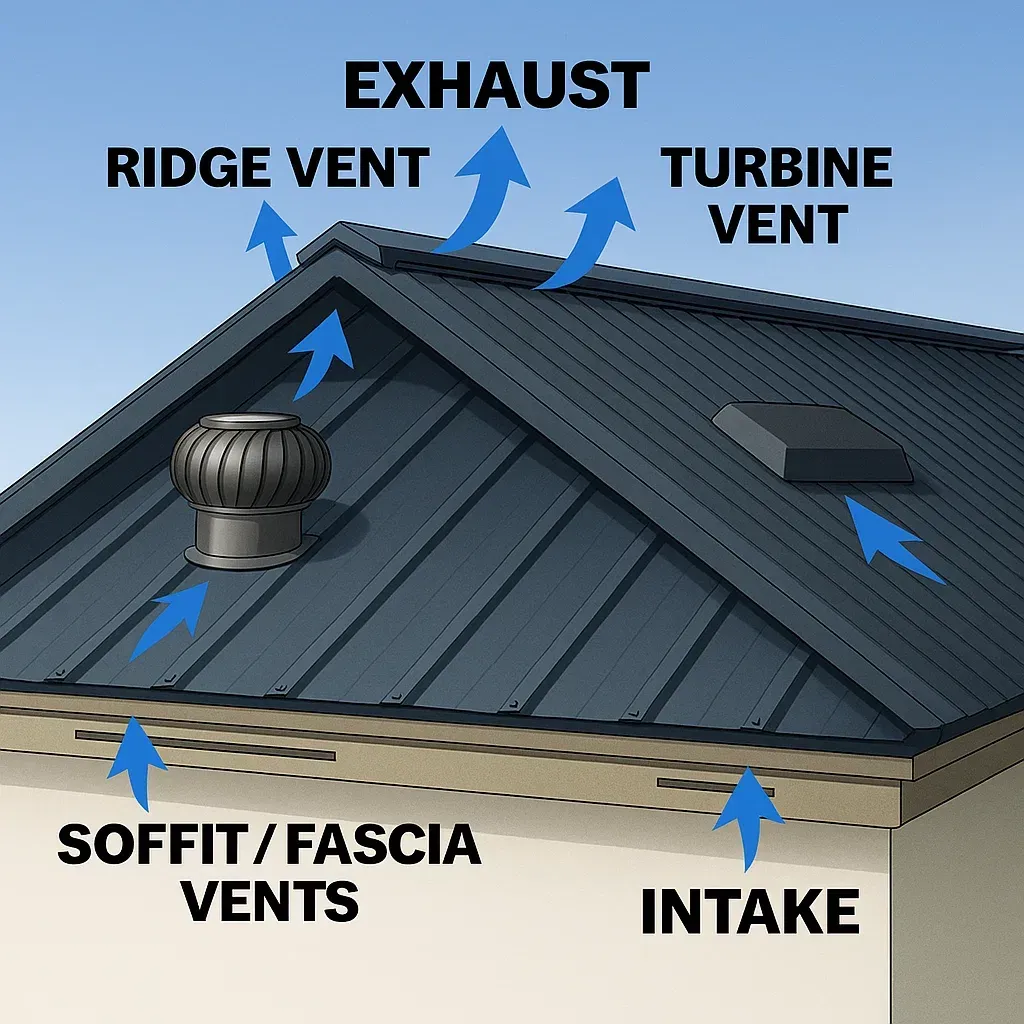
Ridge Vents
Ridge vents run along the peak of the roof. They allow hot air to escape from the attic naturally. These vents are hidden and provide continuous airflow without disrupting the roof’s look. Ridge vents work best when paired with lower vents.
Soffit Vents
Soffit vents are installed under the roof’s eaves. They let cool air enter the attic space. This air replaces the hot air exiting through ridge vents. Soffit vents keep attic air fresh and prevent moisture from building up.
Gable Vents
Gable vents sit on the side walls of the attic. They provide extra airflow by letting air move in and out horizontally. Gable vents are useful for roofs without soffit vents. They help reduce heat and moisture inside the attic.
Powered Vents
Powered vents use electric fans to push air out of the attic. They work well in areas with little natural airflow. Powered vents can speed up ventilation during hot weather. They require electricity and may increase energy costs.
Installing Ventilation Systems
Installing ventilation systems on a metal roof improves airflow and reduces heat buildup. Proper ventilation extends the roof’s life and protects the building’s structure. It also prevents moisture and mold problems inside the attic or ceiling space.
Choosing the right ventilation system depends on the roof design and climate. Placement and balance between intake and exhaust vents are critical for effective airflow. Deciding between a DIY approach and professional installation affects the quality and safety of the project.
Choosing The Right Vent Placement
Vent placement affects how well air moves through the roof space. Intake vents should be near the roof’s lower edge, like the soffit or eaves. Exhaust vents belong near the roof ridge or higher points. This setup lets cool air enter low and warm air exit high.
Consider areas prone to moisture buildup or heat concentration. Avoid placing vents where they can leak or get blocked. Proper spacing between vents ensures even airflow across the roof.
Balancing Intake And Exhaust
Balanced ventilation means intake and exhaust vents work together. Intake vents bring fresh air in. Exhaust vents push hot and moist air out. Too much intake without enough exhaust causes poor airflow and moisture issues.
Calculate vent size based on attic or roof space area. Use a ratio like 1:150 for net free ventilation area to attic floor space. Adjust vent amounts to keep airflow steady and prevent pressure problems.
Diy Vs Professional Installation
DIY installation saves money but requires skill and tools. Mistakes in vent placement or sealing can cause leaks. Professionals know how to install vents correctly and follow building codes.
Consider roof height and complexity before choosing DIY. Professional help ensures safety and proper system function. Maintenance and warranty coverage often improve with professional installation.
Maintenance Tips For Ventilated Metal Roofs
Metal roofs benefit from proper ventilation to reduce heat and moisture buildup. Regularly check vents and clear debris to keep airflow steady. This helps extend the roof’s life and improves energy efficiency.
Maintaining a ventilated metal roof is crucial for its longevity and performance. Proper ventilation prevents moisture buildup and extends the life of your roof. By following some simple maintenance tips, you can ensure your metal roof remains efficient and durable.Regular Inspections
Regular inspections are essential to catch potential issues early. Examine your metal roof at least twice a year, ideally in spring and fall. Look for signs of rust, loose panels, or damaged seals that could compromise ventilation.Cleaning Vents
Cleaning vents is a straightforward yet often overlooked task. Over time, dust and debris can accumulate, reducing airflow. Use a soft brush or vacuum to gently remove any blockages and ensure that air can circulate freely.Addressing Blockages
Addressing blockages promptly can prevent bigger problems down the line. If you notice any obstructions during your inspections, clear them immediately. Blockages can lead to moisture retention, which can cause rust and other damage to your roof. Regular maintenance not only protects your investment but also enhances the comfort of your home. Have you checked your metal roof recently? A little attention now can save you from costly repairs in the future.
Credit: boss-exteriors.com
Cost Considerations
Understanding the cost implications of adding ventilation to a metal roof is crucial for making a well-informed decision. Ventilation affects both upfront expenses and long-term benefits, which can impact your budget and the overall value of your property. Let’s break down these cost considerations to help you evaluate if ventilation is a worthy investment for your metal roofing project.
Initial Installation Expenses
Adding ventilation to a metal roof involves extra materials and labor, which can increase your initial costs. You might need vents, ridge caps, or soffit vents, and these come with varied price tags depending on quality and design.
Labor costs can also rise since installing ventilation requires additional time and expertise. However, this upfront expense often prevents costly problems later.
Long-term Savings
Proper ventilation helps regulate temperature and moisture, which can extend the life of your metal roof. This means fewer repairs and replacements over time, saving you money.
Ventilation also improves energy efficiency by reducing heat buildup in summer and moisture damage in winter. Lower energy bills can add up to significant savings annually.
Value Addition To Property
Homes with well-ventilated metal roofs often attract higher resale values. Buyers appreciate the reduced risk of roofing problems and lower energy costs.
Investing in ventilation signals good maintenance and care, making your property more appealing in the market. Could this small added feature make a big difference when you sell your home?
Frequently Asked Questions
Does A Metal Roof Require Ventilation?
Yes, metal roofs need ventilation to prevent heat buildup and moisture damage. Proper airflow extends roof lifespan and improves energy efficiency.
How Does Ventilation Benefit Metal Roofs?
Ventilation reduces heat, controls moisture, and prevents rust under metal roofs. It keeps attic spaces cooler and lowers cooling costs in summer.
What Happens Without Metal Roof Ventilation?
Without ventilation, metal roofs trap heat and moisture, causing warping, rust, and structural damage. It also increases indoor temperatures and energy bills.
Can Metal Roof Ventilation Prevent Ice Dams?
Yes, ventilation helps maintain consistent roof temperature, reducing ice dam formation. It prevents snow melt and refreeze, protecting roof edges during winter.
Conclusion
Metal roofs work best with proper ventilation. Ventilation helps control heat and moisture. It prevents damage and extends roof life. Good airflow keeps your home cooler in summer. It also stops mold and mildew growth. Without ventilation, problems like rust may appear.
Simple vents can make a big difference. Consider ventilation as a key part of roofing. A well-ventilated metal roof protects your investment. Keep your roof healthy and your home comfortable.



