
Have you ever wondered what keeps your home comfortable no matter the season? Your HVAC system is the silent hero working behind the scenes.
Understanding how an HVAC system works can help you make smarter choices about your comfort and energy bills. You’ll discover the simple way your heating and cooling system controls the temperature and air quality in your space. By the end, you’ll know exactly what makes your HVAC tick—and how to keep it running smoothly.
Keep reading to unlock the secrets of your home’s comfort!
Credit: www.tejjy.com
Basics Of Hvac Systems
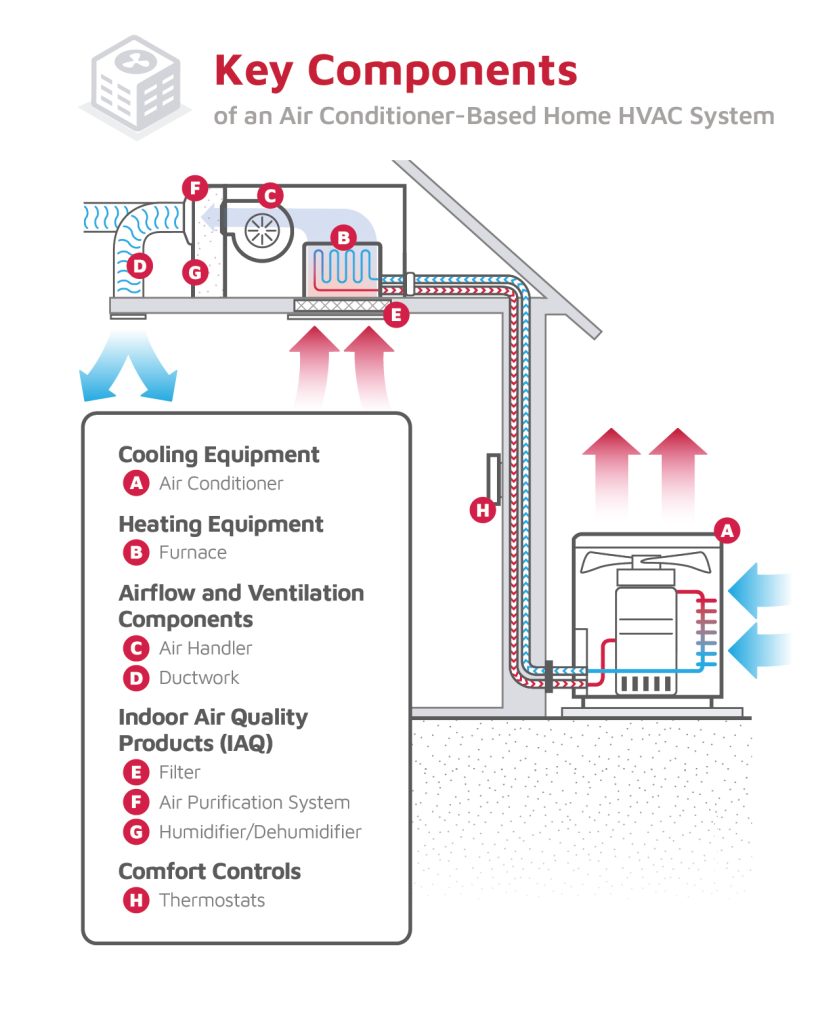
Understanding the basics of HVAC systems helps you see how they keep buildings comfortable. HVAC stands for Heating, Ventilation, and Air Conditioning. These systems control indoor temperature, air quality, and humidity. They work quietly in the background but play a big role in daily comfort.
HVAC systems come in different types and use several key components. Each part has a specific job to do. Together, they create a system that heats or cools the air and moves it through your space.
Types Of Hvac Systems
- Split Systems:Separate units for heating and cooling, connected by ducts.
- Hybrid Systems:Combine a heat pump with a furnace for efficiency.
- Packaged Systems:All-in-one units that fit outside or on the roof.
- Ductless Systems:Individual air handlers installed in rooms without ductwork.
Key Components
- Thermostat:Controls the system by sensing temperature changes.
- Furnace:Provides heat by burning fuel or using electricity.
- Air Conditioner:Removes heat from indoor air to cool the space.
- Heat Pump:Transfers heat between indoors and outdoors.
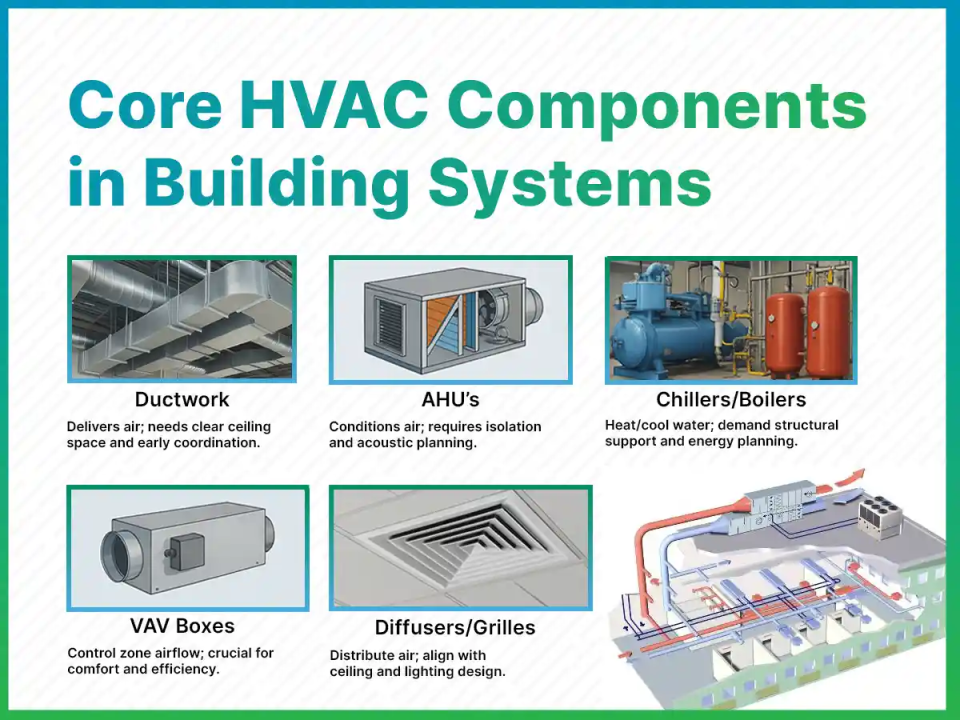
- Ductwork:Carries air throughout the building.
- Ventilation:Brings fresh air inside and removes stale air.
Heating Process Explained
The heating process is essential for keeping indoor spaces warm and comfortable. HVAC systems use different methods to generate and spread heat. Understanding how these systems work helps in choosing the right one for your needs. The main types include furnaces, heat pumps, and various energy sources powering them.
Furnace Operation
A furnace burns fuel to create heat. This heat warms the air, which moves through ducts to rooms. The system uses a thermostat to control temperature. When the room feels cold, the furnace turns on. It heats air quickly and efficiently. Common fuels include natural gas, propane, or oil. Electric furnaces use electric elements to produce heat.
Heat Pumps
Heat pumps transfer heat from outside to inside. They work like air conditioners in reverse. Even in cold weather, they can extract heat from the air. Heat pumps use electricity to move heat instead of burning fuel. They also cool homes during summer by reversing the process. This system is energy-efficient and reduces heating costs.
Energy Sources
- Natural Gas:Common and affordable fuel for many furnaces.
- Electricity:Powers electric furnaces and heat pumps.
- Propane and Oil:Used in areas without gas lines.
- Renewable Energy:Solar panels can support electric heating systems.
Choosing the right energy source depends on cost, availability, and climate. Each source affects system efficiency and environmental impact.
Cooling Mechanisms
Cooling mechanisms in an HVAC system are essential for maintaining comfortable indoor temperatures, especially during hot weather. Understanding how these mechanisms work can help you optimize your system’s performance and energy efficiency. Let’s dive into the key components that keep your space cool and refreshing.
Air Conditioning Cycle
The air conditioning cycle is the heart of the cooling process. It involves four main stages: compression, condensation, expansion, and evaporation. During compression, the refrigerant gas is pressurized and heated, then it moves to the condenser where it releases heat and turns into a liquid.
Next, the liquid refrigerant passes through an expansion valve, which lowers its pressure and temperature. Finally, in the evaporator coil, the refrigerant absorbs heat from the indoor air, cooling it before it circulates back into your rooms. This continuous loop keeps your indoor air cool and comfortable.
Refrigerants Role
Refrigerants are special fluids that make the cooling cycle possible. They absorb heat from the air inside your home and release it outside. Without refrigerants, the air conditioning system wouldn’t be able to transfer heat effectively.
Modern refrigerants are designed to be more environmentally friendly and efficient. Have you ever wondered why your AC sometimes struggles on extremely hot days? It could be due to refrigerant levels being low or outdated refrigerants that don’t perform well under high temperatures.
Ventilation Importance
Ventilation plays a crucial role in the cooling process by circulating fresh air and removing stale, warm air. Proper ventilation helps maintain consistent temperatures and prevents humidity buildup, which can make you feel hotter even if the air is technically cool.
Think about a room without good airflow; it feels stuffy and uncomfortable despite the AC running. Ensuring your HVAC system has adequate ventilation improves air quality and enhances the overall cooling effect. Have you checked your vents and filters recently? Clean, unobstructed airflow can make a noticeable difference.

Credit: medium.com
Airflow And Distribution
Airflow and distribution are the heart of any HVAC system. Without efficient airflow, your space won’t reach the desired temperature, no matter how powerful your system is. Understanding how air moves through your home helps you spot issues and improve comfort.
Ductwork Design
Your ductwork is like the highway for air inside your home. Well-designed ducts ensure air flows smoothly to every room without losing pressure or temperature. Have you ever felt a room that stays colder or hotter than others? This often points to duct design problems.
Good ductwork minimizes sharp bends and uses insulated materials to reduce heat loss. Properly sized ducts balance airflow, so no area gets too much or too little air. If your ducts are old or poorly installed, sealing leaks and resizing might make a big difference in comfort and energy bills.
Air Filters And Quality
Air filters play a crucial role in keeping the airflow clean and healthy. Dirty filters block airflow, forcing your system to work harder and reducing its efficiency. You might notice dust buildup or allergies getting worse when filters aren’t changed regularly.
Choosing the right filter depends on your needs—higher MERV ratings catch smaller particles but may reduce airflow if your system can’t handle them. Try checking your filter every month and replacing it every 3 months or sooner if you have pets or allergies.
Thermostat Control
Your thermostat is the control center for managing airflow and temperature. Modern thermostats let you program schedules, adjusting airflow automatically based on when you’re home or away. This saves energy and keeps your home comfortable without constant manual changes.
Have you noticed your HVAC cycling on and off frequently? This could mean your thermostat is poorly placed or malfunctioning. Placing it away from drafts, direct sunlight, or heat sources helps it read the room temperature accurately and control airflow better.
Energy Efficiency Tips
Understanding how an HVAC system works can improve energy efficiency. HVAC systems heat, cool, and ventilate homes using electricity. Regular maintenance and proper settings can optimize their performance, saving energy and reducing costs.
Energy efficiency tips can help save money and the environment. An HVAC system often runs year-round, affecting energy bills significantly. By adopting a few smart practices, you can boost your system’s efficiency.Regular Maintenance
Regular maintenance ensures your HVAC system operates smoothly. Clean filters and vents monthly. This prevents dust buildup that can block airflow. Regular checks by a professional can identify potential issues early. Catching problems early helps avoid costly repairs later. A well-maintained system uses less energy, saving money.Smart Thermostats
Smart thermostats offer great control over your HVAC system. They allow you to adjust temperatures remotely via apps. Set schedules to ensure efficient heating or cooling. This helps reduce energy consumption when no one is home. Some models learn your habits, optimizing comfort and efficiency. Smart thermostats can significantly lower energy bills.Insulation Benefits
Proper insulation keeps your home temperature stable. It reduces the workload on your HVAC system. Insulate attics, walls, and floors for best results. Sealing gaps around windows and doors prevents drafts. This keeps warm air in during winter and cool air in summer. Good insulation leads to a more efficient HVAC system.Common Hvac Issues
Understanding common HVAC issues helps you catch problems early and maintain comfort in your home. HVAC systems face wear and tear, but spotting the signs quickly can save you from costly repairs and downtime. Let’s look at the typical problems and how you can handle them.
Signs Of Malfunction
Is your HVAC system making strange noises like banging or squealing? These sounds often signal mechanical issues or loose components. Another red flag is inconsistent temperatures—some rooms might feel too hot or too cold despite your thermostat settings.
High energy bills without increased usage can also indicate your system is struggling to work efficiently. You might notice poor airflow from vents or unpleasant odors, which could mean clogged filters or mold growth. Paying attention to these signs helps you act before a small problem becomes a major one.
Troubleshooting Basics
Start by checking your thermostat settings—sometimes a simple reset fixes the issue. Inspect and replace dirty air filters regularly to improve airflow and system efficiency. Clear debris or obstructions around outdoor units to ensure proper ventilation.
If the system won’t turn on, verify that circuit breakers and switches are in the correct position. Clean the condensate drain to prevent water damage and system shutdowns. These small steps often resolve common problems without the need for professional help.
When To Call A Professional
If your HVAC system still isn’t working after basic troubleshooting, it’s time to call an expert. Problems like refrigerant leaks, electrical faults, or compressor failure require specialized tools and knowledge. Attempting repairs without experience can cause more damage or void your warranty.
Regular professional maintenance can catch issues early and extend your system’s life. If you notice persistent problems or the system cycles on and off frequently, don’t wait. Scheduling a professional check-up can prevent unexpected breakdowns and keep your home comfortable year-round.
Future Of Hvac Technology
The future of HVAC technology is full of exciting changes. These advances focus on saving energy, protecting the environment, and making homes smarter. New systems promise better comfort with less waste. They use smart tools and eco-friendly ideas to improve everyday life.
Eco-friendly Innovations
Modern HVAC systems use greener materials and methods. Refrigerants with low global warming potential reduce harm. Heat pumps and solar-powered units cut down on electricity use. These systems help lower carbon footprints in homes and offices.
Smart Home Integration
Smart thermostats and sensors bring better control. They learn user habits and adjust settings automatically. Integration with voice assistants allows easy temperature changes. This technology keeps homes comfortable while avoiding energy waste.
Energy-saving Trends
Energy efficiency is a top priority in new HVAC designs. Variable-speed motors and advanced compressors use less power. Zoned heating and cooling target specific areas in a building. These features reduce overall energy bills and improve system lifespan.

Credit: www.youtube.com
Frequently Asked Questions
How Does An Hvac System Control Indoor Temperature?
An HVAC system uses heating and cooling components to regulate indoor temperature. It adjusts air temperature by circulating warm or cool air through ducts. Thermostats control the desired temperature, ensuring comfort throughout the building efficiently and consistently.
What Are The Main Parts Of An Hvac System?
The main parts of an HVAC system include the furnace, air conditioner, heat pump, ductwork, and thermostat. Each part plays a vital role in heating, cooling, and distributing air to maintain comfortable indoor conditions all year round.
How Does An Hvac System Improve Air Quality?
HVAC systems improve air quality by filtering dust, allergens, and pollutants. They circulate fresh air and remove stale air using ventilation. Regular maintenance and clean filters enhance this process, promoting healthier indoor environments and reducing respiratory issues.
Why Is Regular Hvac Maintenance Important?
Regular HVAC maintenance ensures the system runs efficiently and lasts longer. It prevents breakdowns, reduces energy costs, and improves air quality. Routine checks help identify issues early, maintaining consistent comfort and saving money on expensive repairs.
Conclusion
An HVAC system keeps your home comfortable all year. It cools, heats, and controls air quality. Knowing how it works helps you use it better. Regular care keeps the system running well. Save energy and reduce bills by using it smartly.
A well-maintained HVAC system lasts longer and works efficiently. Now you understand the basics of HVAC operation. Stay comfortable with the right heating and cooling. Simple steps can improve your indoor air every day.



