
Are you sure your space has good airflow? Poor airflow can lead to stuffy rooms, higher energy bills, and even health issues.
But how do you really know if the air is moving as it should? You’ll discover simple and effective checks you can do yourself to ensure your environment stays fresh and comfortable. Keep reading, because improving your airflow might be easier than you think—and it can make a big difference in how you feel every day.
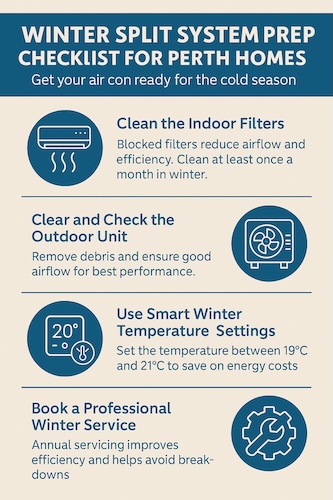
Credit: www.aircondinstallswa.com.au
Signs Of Poor Airflow
Identifying signs of poor airflow early can save you from discomfort and costly repairs. If your home’s air isn’t moving freely, you might notice subtle hints that something is wrong. Paying attention to these signs helps you take action before the problem worsens.
Uneven Room Temperatures
Do some rooms in your home feel hotter or colder than others? This uneven temperature is a common sign of poor airflow. It often means air isn’t circulating properly, leaving some areas neglected.
You might notice that upstairs rooms are always warmer in summer, or certain corners stay chilly in winter. This imbalance can make your HVAC system work harder, reducing its efficiency. Have you ever walked through your house and felt these temperature differences?
Increased Dust Accumulation
If you find more dust settling on surfaces than usual, poor airflow could be the culprit. When air doesn’t flow well, dust particles don’t get pushed towards filters properly and instead settle around your home.
This buildup isn’t just annoying; it can affect your health and the performance of your air system. Ask yourself how often you need to dust—if it’s more frequent than before, it’s time to check your ventilation.
High Energy Bills
Are your energy bills creeping up without any major changes in your routine? Poor airflow forces your heating or cooling system to work overtime to maintain comfort. This extra effort consumes more energy, driving up costs.
Noticing a spike in bills alongside other airflow issues signals a problem worth addressing. Could improving airflow lower your monthly expenses? Often, small fixes like cleaning vents or replacing filters make a big difference.
Inspecting Air Vents And Registers
Inspecting air vents and registers is essential for maintaining good airflow in any space. These components guide air from your HVAC system into rooms. Proper inspection helps avoid blocked or inefficient airflow. This keeps your home comfortable and your system running well.
Checking For Blockages
Look closely at each vent and register for visible blockages. Dust, dirt, and debris can build up quickly. Furniture or curtains placed too close can also block airflow. Clear any objects that obstruct vents. Make sure nothing is covering or blocking the grilles.
Proper Vent Placement
Vent placement affects how well air circulates. Vents should be evenly spaced across rooms. Avoid placing vents near large heat sources or cold windows. This ensures air flows smoothly and reaches all areas. Well-placed vents prevent hot or cold spots in rooms.
Cleaning And Maintenance
Regular cleaning keeps vents free from dust and grime. Use a vacuum with a brush attachment to clean vent covers. Wash or replace vent filters as needed. Schedule routine maintenance checks to keep vents in good condition. Clean vents improve indoor air quality and system efficiency.
Evaluating Hvac System Performance
Evaluating your HVAC system’s performance is key to maintaining good airflow in your home. Poor airflow can lead to uneven temperatures, higher energy bills, and discomfort. By regularly checking specific parts of your system, you can spot issues before they become costly problems.
Filter Condition And Replacement
Your HVAC filter plays a huge role in airflow. A clogged or dirty filter restricts air movement, making your system work harder. Check your filter every month, especially during heavy use seasons, and replace it if it looks dark or dusty.
Think about the last time you changed your filter—did you notice less dust or better air quality? That’s a clear sign your system breathes easier with a clean filter. Keeping it fresh can improve airflow and reduce wear on your equipment.
Ductwork Leaks And Damage
Leaks or damage in ductwork can cause significant airflow loss. Even small holes or loose connections let conditioned air escape before it reaches your rooms. Inspect your ducts for visible cracks, holes, or disconnected sections.
Seal any leaks with mastic sealant or metal tape—not regular duct tape, which loses adhesion quickly. You might also hear whistling sounds or notice uneven heating or cooling, both clues that your ducts need attention.
Fan And Blower Functionality
The fan and blower move air through your HVAC system. If they’re dirty, worn out, or malfunctioning, airflow will suffer. Listen for unusual noises or vibrations, and check if the airflow feels weaker than usual.
Regularly cleaning fan blades and lubricating motors can help maintain smooth operation. If your blower isn’t working properly, it might need repair or replacement to restore optimal airflow. Have you ever felt a weak breeze from your vents despite the system running? It’s often the fan or blower struggling to push air efficiently.

Credit: www.reddit.com
Improving Natural Airflow
Improving natural airflow in your home or workspace can dramatically enhance comfort without raising energy bills. It means using the design of your space and the elements around it to let fresh air move freely. You don’t always need complex systems; sometimes, small changes can have a big impact.
Window And Door Usage
Opening windows and doors strategically is the simplest way to boost airflow. Try opening windows on opposite sides of a room or building to create a path for air to flow through. You might be surprised how just cracking a door or window can refresh the entire space.
Think about the timing too. Opening windows during cooler parts of the day and closing them when it gets hot can keep your space comfortable naturally. Are you using your windows and doors to their full potential?
Cross Ventilation Techniques
Cross ventilation works by allowing air to enter from one side and exit through another, which creates a steady breeze. To make this work, identify where the wind usually comes from and open windows or vents on that side along with openings on the opposite side.
Even small openings like vents or transom windows can help if large openings aren’t possible. You can enhance this effect by removing obstacles like heavy curtains or furniture that block airflow paths. Have you noticed areas in your home where air feels stagnant?
Room Layout Adjustments
How you arrange your furniture can either block or help airflow. Keep large pieces like sofas and cabinets away from windows and doors to avoid disrupting air movement. Position seating areas where you can feel the breeze, making your space more inviting and fresh.
Consider removing unnecessary partitions or using open shelving instead of solid walls to allow air to circulate better. Small layout changes might feel subtle but can significantly improve how air flows through your rooms.
Using Technology To Monitor Airflow
Ensuring good airflow is vital for a healthy living space. Technology offers various tools to monitor and maintain proper airflow. These tools provide accurate and real-time data, helping to maintain optimal air conditions. Let’s explore some of these technologies.
Smart Thermostats
Smart thermostats help regulate home temperature efficiently. They adjust settings based on your preferences. These devices can detect airflow issues. They provide alerts if temperatures fluctuate unexpectedly. This ensures consistent airflow and comfort.
Air Quality Sensors
Air quality sensors monitor indoor air conditions. They measure pollutants, humidity, and temperature. These sensors provide insights into air purity. They help detect poor airflow by identifying air quality changes. This ensures a healthier environment.
Flow Meters And Anemometers
Flow meters measure the volume of air movement. Anemometers gauge airspeed and direction. These tools provide detailed airflow data. They help identify blockages or inefficiencies in the system. This ensures optimal airflow throughout your space.
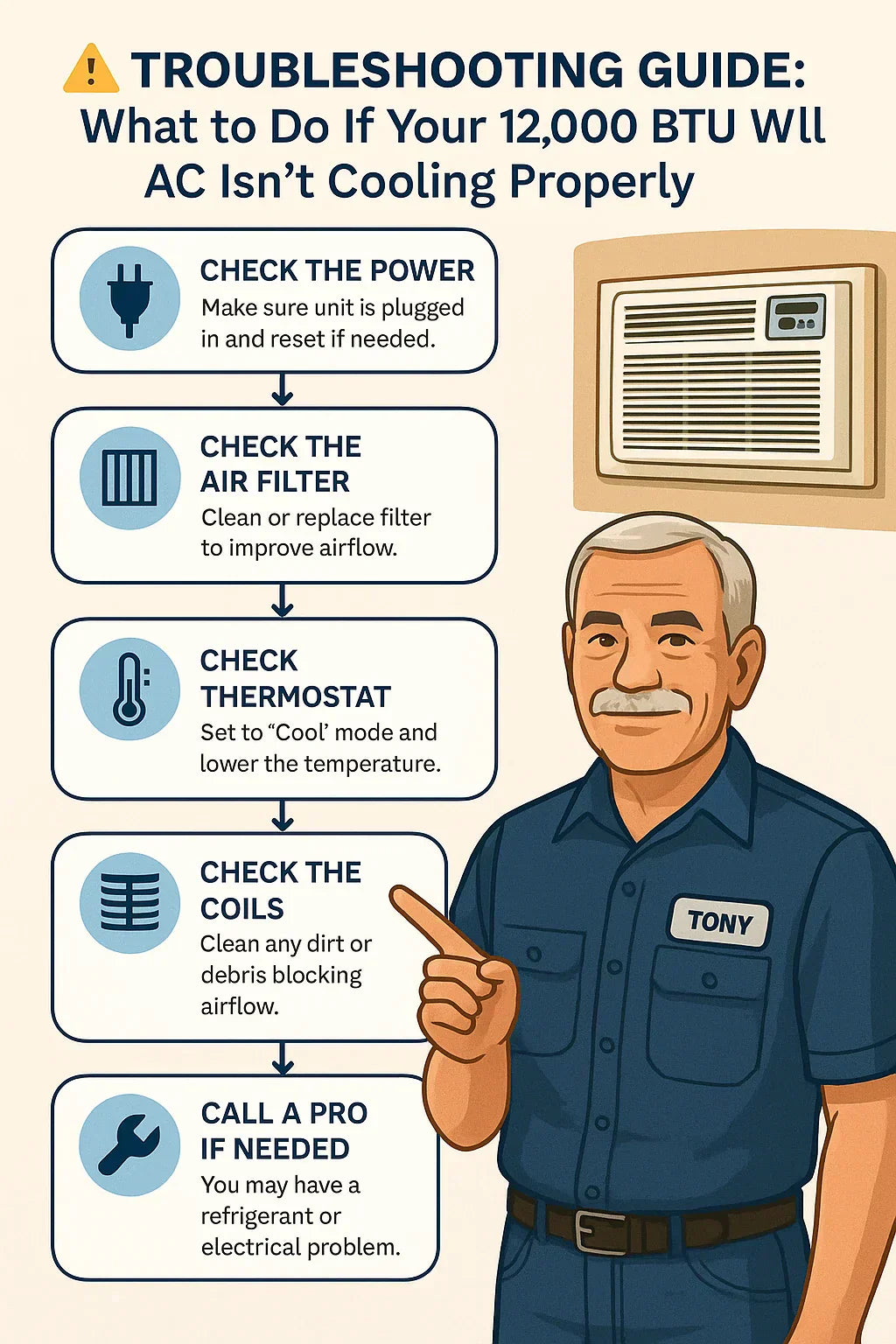
Credit: thefurnaceoutlet.com
Frequently Asked Questions
What Are The Signs Of Poor Airflow In A Room?
Poor airflow causes stuffy air, uneven temperatures, and increased humidity. You may notice dust buildup and stale odors. These signs indicate that air circulation needs improvement to maintain comfort and air quality.
How To Check If Vents And Ducts Are Clean?
Inspect vents and ducts for dust, debris, and blockages. Clean or replace filters regularly. Clean ducts improve airflow efficiency and reduce energy costs. Proper maintenance ensures better indoor air quality and system performance.
Why Is Airflow Important For Hvac Systems?
Good airflow allows HVAC systems to heat or cool spaces effectively. It prevents strain on components and lowers energy bills. Proper airflow extends system life and improves indoor comfort, making it essential for efficient operation.
How Can I Measure Airflow In My Home?
Use an anemometer to measure airflow velocity at vents. Alternatively, notice if rooms heat or cool evenly. Professional HVAC technicians can perform detailed airflow tests and suggest improvements for better circulation.
Conclusion
Good airflow keeps homes fresh and healthy. Check vents, filters, and fans regularly. Clear any blockages that stop air from moving. Make sure windows open well for outside air. Clean ducts to remove dust and dirt. Proper airflow saves energy and costs less.
Small steps lead to better air every day. Keep these tips in mind for clean, fresh air.



