
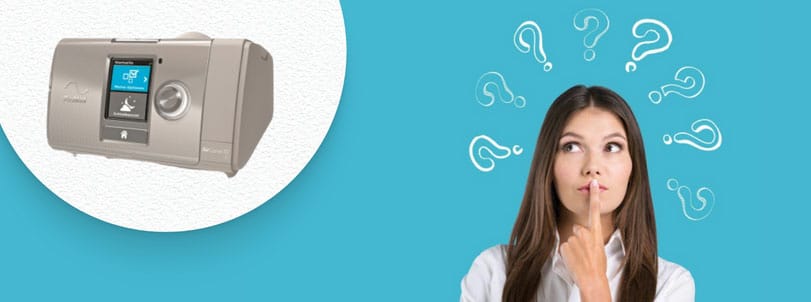
Are you or a loved one struggling with sleep apnea or other breathing problems during sleep? If so, you might have heard about Adaptive Servo Ventilation (ASV) but aren’t quite sure what it is or how it works.
Understanding ASV could be the key to getting better rest and improving your health. You’ll discover exactly what Adaptive Servo Ventilation is, how it helps your breathing while you sleep, and why it might be the solution you’ve been searching for.
Keep reading to find out how this technology can transform your nights and boost your well-being.
Basics Of Adaptive Servo Ventilation
Adaptive Servo Ventilation (ASV) is a therapy used to treat breathing problems during sleep. It helps people who have irregular breathing patterns, especially those with central sleep apnea or complex sleep apnea syndrome. ASV adjusts the airflow automatically to keep breathing steady and regular.
This therapy is different from other devices because it changes pressure based on the user’s needs in real-time. It supports normal breathing cycles and prevents pauses or shallow breaths.
How Asv Works
ASV monitors breathing patterns continuously throughout the night. The device senses changes in airflow and breathing effort. It then delivers varying air pressure to stabilize breathing.
When breathing slows or stops, ASV increases air pressure to help restart normal breaths. If breathing becomes too fast or deep, it lowers the pressure. This balance keeps breathing smooth and regular.
Key Components Of Asv Devices
- Sensors:Detect breathing patterns and airflow changes.
- Microprocessor:Analyzes data and decides how to adjust pressure.
- Air Pump:Delivers precise air pressure to support breathing.
- Mask or Nasal Interface:Connects the device to the user’s airway.
- Humidifier (optional):Adds moisture to the air for comfort.
Conditions Treated By Asv
Adaptive Servo Ventilation (ASV) is designed to help people who struggle with specific breathing problems during sleep. It targets conditions where breathing either stops or becomes irregular, making restful sleep hard to achieve. Knowing which conditions ASV treats can help you understand if this therapy might be right for you or someone you care about.
Central Sleep Apnea
Central Sleep Apnea (CSA) happens when your brain fails to send the right signals to your breathing muscles. Unlike typical sleep apnea, this isn’t caused by a blocked airway but by a communication breakdown between your brain and lungs. ASV adjusts your breathing support in real-time, helping restore a steady breathing pattern throughout the night.
If you’ve noticed frequent pauses in your breathing without the usual snoring, CSA might be the cause. ASV offers a gentle way to keep your breathing stable, improving both sleep quality and daytime energy.
Complex Sleep Apnea
Complex Sleep Apnea is a mix of obstructive and central types. You might start with obstructive apnea, where your airway is blocked, but then central events appear during treatment. This can be frustrating because standard therapies don’t always work well.
ASV steps in by adapting to your body’s changing needs. It provides the right amount of pressure to open your airway and adjusts support when central apnea events occur, helping you breathe smoothly all night long.
Cheyne-stokes Respiration
Cheyne-Stokes Respiration is a breathing pattern characterized by gradual increases and decreases in breathing effort and airflow, often linked to heart failure or stroke. It can leave you feeling exhausted and short of breath.
ASV is particularly effective here because it senses these irregular breathing cycles and corrects them by providing tailored pressure support. This leads to more consistent breathing and can improve your overall heart and lung health.
Benefits Of Asv Therapy
Adaptive Servo Ventilation (ASV) therapy offers several benefits for those with sleep-related breathing disorders. It helps restore normal breathing patterns during sleep. This improves overall health and daily functioning. Understanding its advantages highlights why many choose ASV therapy.
Improved Sleep Quality
ASV therapy helps maintain steady breathing throughout the night. It reduces interruptions caused by sleep apnea or other breathing problems. Users often experience deeper, more restful sleep. Better sleep quality supports physical and mental health.
Enhanced Heart Health
ASV therapy lowers the strain on the heart caused by irregular breathing. It can reduce risks linked to heart failure and other heart conditions. The therapy helps stabilize oxygen levels and blood pressure. This leads to improved heart function and overall cardiovascular health.
Increased Daytime Alertness
With better sleep, daytime tiredness decreases significantly. ASV therapy helps users feel more awake and focused during the day. It reduces symptoms like fatigue and difficulty concentrating. Increased alertness improves productivity and quality of life.
Credit: droracle.ai
Who Should Consider Asv
Adaptive Servo Ventilation (ASV) helps treat complex breathing problems during sleep. It suits certain people with specific conditions. Knowing who benefits most is important for safe and effective treatment.
Identifying Suitable Candidates
ASV is mainly for people with central sleep apnea. This includes those with heart failure or breathing irregularities. It also helps patients who do not respond well to other treatments like CPAP.
People with mixed sleep apnea, combining central and obstructive types, may benefit. ASV adjusts breathing support based on real-time needs. This makes it ideal for complex cases.
Some people with stroke or neurological disorders might also be good candidates. ASV can improve breathing stability during sleep. A thorough diagnosis is necessary to confirm suitability.
Consulting Sleep Specialists
Consulting a sleep specialist is essential before starting ASV. Specialists conduct tests like polysomnography to analyze sleep patterns. They assess apnea types and severity.
Specialists also review medical history and current health conditions. This ensures ASV is safe and effective for the individual. They adjust settings to match the patient’s specific needs.
Follow-up appointments help monitor progress and make changes if needed. Sleep specialists guide patients through the treatment process for best results.
Using An Asv Device
Adaptive Servo Ventilation (ASV) helps people with sleep apnea breathe better at night. This device adjusts airflow based on individual breathing patterns, ensuring comfort and improved sleep quality.
Using an Adaptive Servo Ventilation (ASV) device can improve sleep quality for individuals with sleep apnea. This device helps maintain steady breathing patterns during sleep. By adjusting airflow based on individual needs, ASV provides a personalized therapy experience.Getting Started With Asv
Start by consulting a healthcare professional. They will guide you in selecting the right ASV device. Follow the instructions provided by the manufacturer carefully. Set up the machine in your bedroom. Ensure it is near a power outlet. Familiarize yourself with its features and buttons.Tips For Comfortable Therapy
Comfort is key to effective therapy. Use a mask that fits well and feels comfortable. Adjust the straps to avoid pressure marks. Keep the mask clean to prevent irritation. Gradually increase usage time to get used to the device. Use a humidifier if the air feels dry. This can prevent nasal dryness and congestion.Monitoring And Adjusting Settings
Regularly check the device’s settings. Monitor the air pressure and adjust if necessary. Many ASV devices have smart features. These can track your breathing patterns. Review this data to understand your therapy progress. Consult your healthcare provider to make necessary adjustments. Proper settings ensure optimal therapy effectiveness.
Credit: www.sleepfoundation.org
Potential Side Effects And Risks
Adaptive Servo Ventilation (ASV) is a therapy designed to help people with breathing problems during sleep. While ASV can improve sleep quality, users may experience some side effects. Understanding these potential risks helps users stay safe and comfortable during treatment.
Common Side Effects
- Dry mouth or throat irritation from airflow
- Discomfort or pressure on the face from the mask
- Mild headaches after using the device
- Difficulty falling asleep due to noise or air pressure
- Nasal congestion or runny nose
- Occasional chest discomfort or shortness of breath
These effects often lessen as the body adjusts to ASV therapy. Proper mask fitting and device settings can reduce discomfort.
When To Seek Medical Advice
- Persistent chest pain or tightness during use
- Severe shortness of breath or dizziness
- Worsening sleep problems despite treatment
- Skin sores or severe irritation from the mask
- New or unusual symptoms after starting ASV
Contact a healthcare provider promptly if any serious symptoms occur. Regular follow-up helps ensure safe and effective therapy.
Advancements In Asv Technology
Adaptive Servo Ventilation (ASV) technology has advanced significantly over the years. These improvements help treat complex sleep disorders more effectively. The focus has been on making devices smarter, more comfortable, and easier to use. These innovations improve patient experience and therapy outcomes.
Recent Innovations
Modern ASV devices use advanced algorithms to adjust pressure automatically. They monitor breathing patterns in real-time for precise support. Smaller, quieter machines increase comfort during sleep. New sensors detect even subtle changes in airflow and breathing effort. User-friendly interfaces and mobile apps help patients track their progress. Many devices now offer remote monitoring by healthcare providers. This helps doctors make quick adjustments to therapy plans.
Future Trends In Sleep Therapy
Future ASV technology aims to integrate artificial intelligence for better personalization. Devices may predict breathing problems before they happen. Wearable technology could provide continuous data outside of sleep labs. Integration with other health devices will give a complete health picture. Improvements in battery life will allow more portable and flexible use. Telemedicine will expand, enabling remote adjustments and consultations. These trends promise more effective and convenient sleep therapy.

Credit: www.jacc.org
Frequently Asked Questions
What Is Adaptive Servo Ventilation Therapy?
Adaptive Servo Ventilation (ASV) is a sleep therapy device. It adjusts air pressure to stabilize breathing during sleep. ASV treats complex sleep apnea and central sleep apnea effectively.
How Does Adaptive Servo Ventilation Work?
ASV continuously monitors breathing patterns. It delivers tailored air pressure to normalize breathing. This prevents pauses and improves oxygen levels during sleep.
Who Needs Adaptive Servo Ventilation Treatment?
ASV is for patients with complex or central sleep apnea. It suits those who do not respond well to CPAP therapy. Doctors recommend ASV after thorough sleep studies.
What Are The Benefits Of Adaptive Servo Ventilation?
ASV improves sleep quality and reduces apnea events. It enhances oxygen flow and reduces daytime fatigue. ASV supports heart health in patients with sleep apnea.
Conclusion
Adaptive Servo Ventilation helps people breathe better during sleep. It adjusts pressure to match each breath. This makes sleep safer and more restful. Many with breathing problems find relief using this device. Always talk to a doctor before starting treatment.
Understanding how it works can improve your health. Sleep well, breathe easy.



