
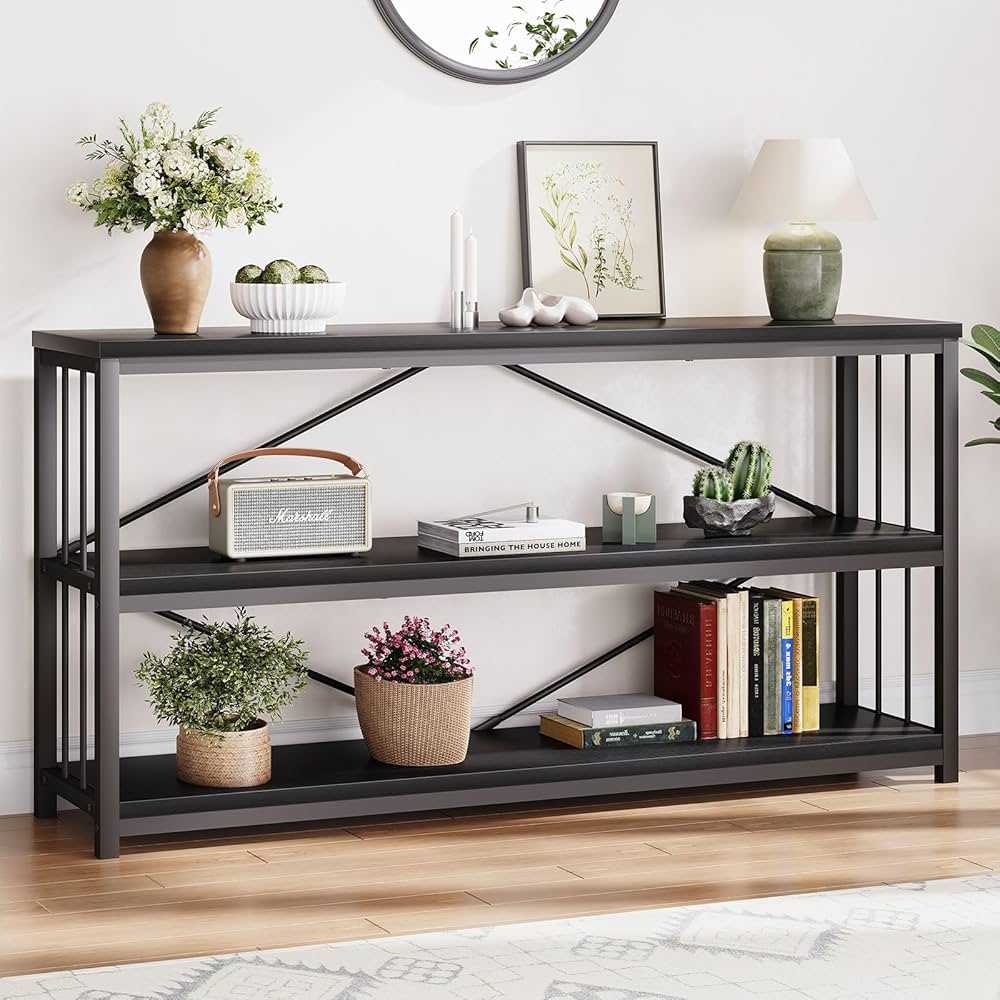
When you’re choosing an entryway table, one question probably pops into your mind: how deep should it be? You want something that fits perfectly in your space without crowding the area or looking too small.
The right depth can make your entryway feel welcoming and organized, not cluttered or cramped. You’ll discover the ideal measurements that work for different entryways, plus tips to help you pick a table that matches your style and needs. Keep reading to find the perfect balance between function and design for your home’s first impression.

Credit: www.amazon.ca
Ideal Entryway Table Depth
Choosing the right depth for an entryway table is key to a functional and stylish space. The table should fit comfortably without blocking walkways. It must hold essentials like keys, mail, or decor without feeling cramped. Finding the ideal depth balances space and usability.
Standard Depth Measurements
Most entryway tables have a depth between 12 and 18 inches. This size works well in narrow hallways or small entry spaces. A table around 14 inches deep often suits average homes. Deeper tables may suit larger foyers but can limit walking space. Shallow tables keep the area open and easy to pass through.
Factors Influencing Table Depth
Several factors affect the best depth for your table:
- Entryway Width:Narrow spaces need shallower tables to avoid crowding.
- Functionality:Tables used for storage or display may require more depth.
- Furniture Style:Slim, minimalist styles often come with less depth.
- Traffic Flow:Ensure enough room for people to move comfortably.
- Additional Features:Drawers or shelves may increase required depth.
Measuring your space and considering how you use the table helps pick the right depth. Always leave enough room for daily activities and smooth movement.
Space Considerations
Choosing the right depth for an entryway table depends heavily on the available space. A table that fits well enhances the room’s look and keeps the area functional. Balancing size and space helps maintain comfort and style in the entryway.
Entryway Width And Layout
Measure the width of your entryway before choosing a table. The table should not cover more than half the width. This allows room for other furniture or decor items. A narrow hallway needs a slimmer table to avoid crowding. For wider spaces, a deeper table can hold more items and create a focal point.
Traffic Flow And Accessibility
Consider how people move through the entryway daily. Leave at least 30 inches of clear walking space around the table. This prevents bumping and keeps traffic smooth. Avoid tables with sharp edges in tight spaces. Accessibility improves when the table does not block doors or pathways. The right depth keeps the entryway safe and easy to navigate.
Functionality And Usage
Entryway tables are more than just a piece of furniture. They serve various purposes and enhance the look of your home. The depth of an entryway table plays a crucial role in its functionality and usage. Understanding how deep your entryway table should be ensures it meets your specific needs.
Storage Needs
Consider what you need to store. Some people need space for keys and mail. Others might want room for shoes or bags. A deeper table can offer more storage options. Drawers can keep items hidden and organized. Shelves provide easy access to daily essentials.
Display And Decoration
Entryway tables are perfect for displaying decor. A shallow table allows for a sleek look. It can hold a vase or a picture frame. A deeper table offers more space for decorations. You can add books, lamps, or even small plants. Choose a depth that complements your decor style.
Material And Style Impact
Material and style shape the look and function of an entryway table. These choices affect the table’s depth and how well it fits your space. A heavy, bulky table needs more room, while a lightweight table works in tighter spots. Style influences the size and shape that will match your home’s decor.
Choosing Lightweight Vs. Bulky Materials
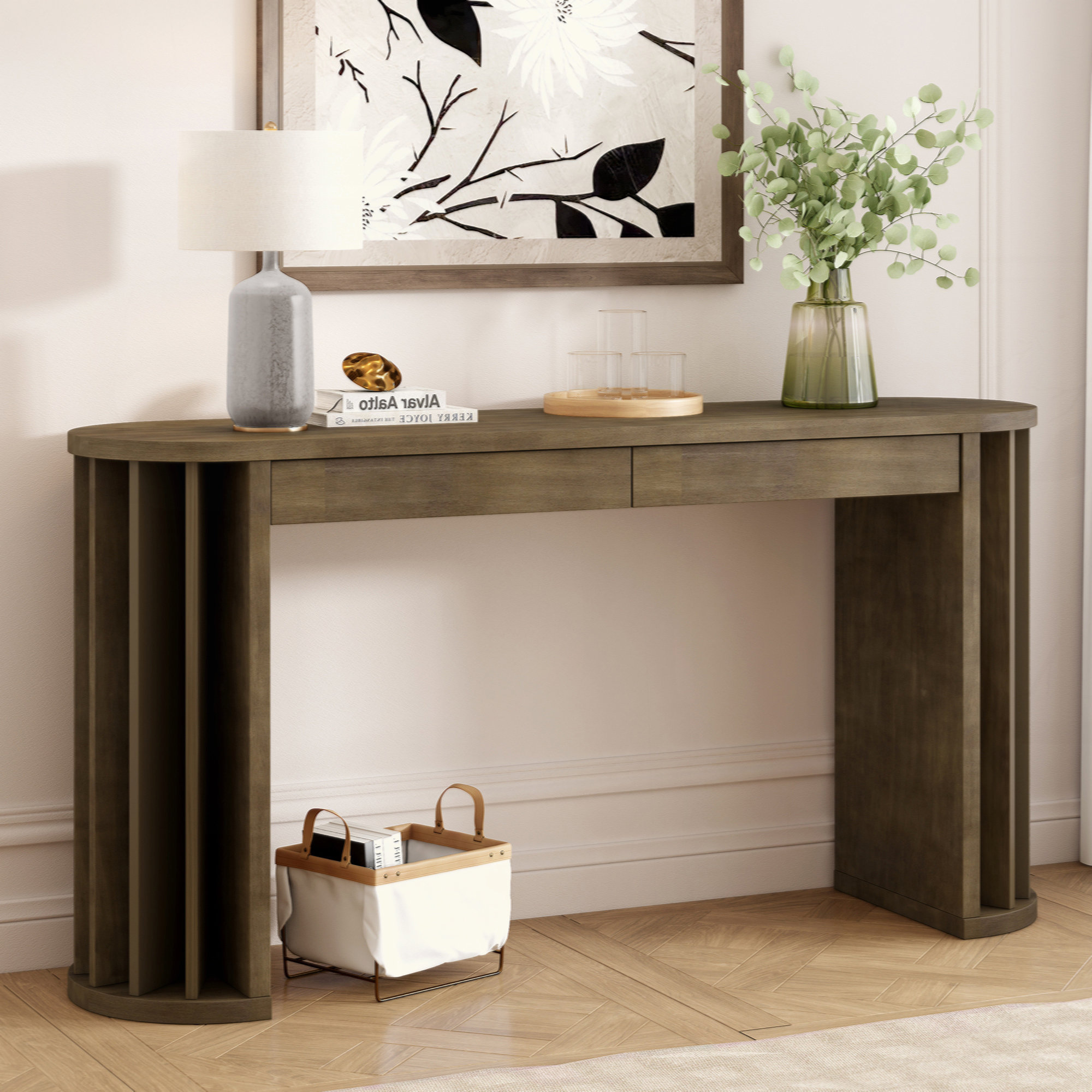
Lightweight materials like metal and glass create an open, airy feel. They often allow for a shallower depth, saving space in small entryways. Bulky materials such as solid wood or thick stone require more depth to stay balanced and sturdy. These materials make a strong visual statement but need a bigger area to avoid crowding.
Matching Depth With Design Aesthetics
Modern designs usually favor sleek, narrow tables with minimal depth. These fit well in slim hallways and keep the space uncluttered. Traditional styles often call for deeper tables with ornate details and extra storage. Matching the table’s depth to your style ensures harmony and enhances the entryway’s overall look.
Measuring Tips For Perfect Fit
Getting the right depth for your entryway table is key to ensuring it fits perfectly without crowding the space or looking too small. Accurate measuring helps you avoid common mistakes like buying a table that sticks out too far or is too narrow to hold essentials. Let’s focus on practical tips that make measuring straightforward and reliable for your ideal entryway table.
Using Tape Measures Effectively
A tape measure is your best friend when sizing an entryway table. Start by measuring the available wall space, but don’t stop at width—depth matters just as much.
Measure from the wall to the edge of any nearby furniture or door swings. This helps you avoid choosing a table that blocks walkways or doorways.
Keep these points in mind for accurate measuring:
- Hold the tape measure flat against the wall for precise width and depth.
- Measure at multiple points to account for uneven walls or baseboards.
- Note down the smallest depth measurement to ensure the table won’t protrude too much.
Have you ever brought home a piece of furniture only to find it sticks out awkwardly? Using a tape measure carefully can save you that hassle.
Mock-up Techniques Before Buying
Before buying, try creating a mock-up of the table’s depth to see how it fits in your entryway. This hands-on approach gives you a real sense of space and scale.
Here’s how you can do it:
- Use painter’s tape on the floor to outline the table’s footprint based on your measurements.
- Place cardboard cutouts matching the table’s depth and width to simulate its presence.
- Walk around the space to check for ease of movement and visual balance.
This simple exercise helped me avoid a table that would have cramped my entryway. It’s a quick way to test if the depth feels right before spending any money.
What if you could preview the table’s impact on your space without buying it first? Mock-ups make that possible and put you in control of your design choices.

Credit: www.amazon.ca
Adjusting Table Depth In Small Spaces
Adjusting the depth of an entryway table is crucial when working with limited space. Too deep, and it can block walkways or make the area feel cramped. Too shallow, and it might not hold the essentials you want to keep handy.
Finding the right balance means thinking beyond standard sizes. Your goal is to create a functional yet unobtrusive spot that suits your entryway’s unique dimensions.
Slim Table Options
Choosing a slim table can instantly solve space issues. Look for pieces that are 12 to 14 inches deep; they fit well against walls without sticking out too far.
Materials like metal or glass can also make the table appear lighter and less bulky. A narrow console with built-in shelves or drawers adds storage without taking up extra floor space.
Have you noticed how slimmer tables encourage tidier habits? Less surface area means you’re more selective about what you place on top, keeping clutter in check.
Alternative Furniture Choices
If a traditional table still feels too wide, consider alternatives like wall-mounted shelves or floating ledges. These options free up floor space and keep your entryway open.
Benches with storage underneath can double as seating and a place to stash shoes or bags. Narrow cabinets with sliding doors also work well in tight spots.
Ask yourself: Could a piece that does double duty replace your entryway table? Sometimes the best solution isn’t just smaller but smarter.
Credit: www.wayfair.ca
Frequently Asked Questions
How Deep Should An Entryway Table Be?
An entryway table should be 12 to 18 inches deep. This size fits narrow spaces while holding keys, mail, and decor. It balances functionality and space-saving, making your entryway welcoming without feeling cramped.
What Is The Ideal Width For Entryway Tables?
Entryway tables typically range from 24 to 48 inches wide. Choose a width that fits your wall space and provides enough surface area for essentials like lamps and storage baskets.
Can Entryway Tables Be Narrower Than 12 Inches?
Yes, entryway tables can be as narrow as 8 to 10 inches. Narrow tables suit tight spaces but limit surface area. They work well for small items and decorative accents.
Should Entryway Tables Have Storage Options?
Including storage like drawers or shelves is practical. It helps keep clutter off the surface and organizes keys, mail, and accessories efficiently.
Conclusion
Choosing the right depth for your entryway table helps balance space and style. A table too deep can crowd your area, while one too shallow may lack function. Aim for a depth that fits your hallway and holds essentials comfortably.
This small detail can improve your home’s look and feel. Remember, practical and simple designs often work best. Your entryway table should welcome guests and suit your daily needs with ease.



