
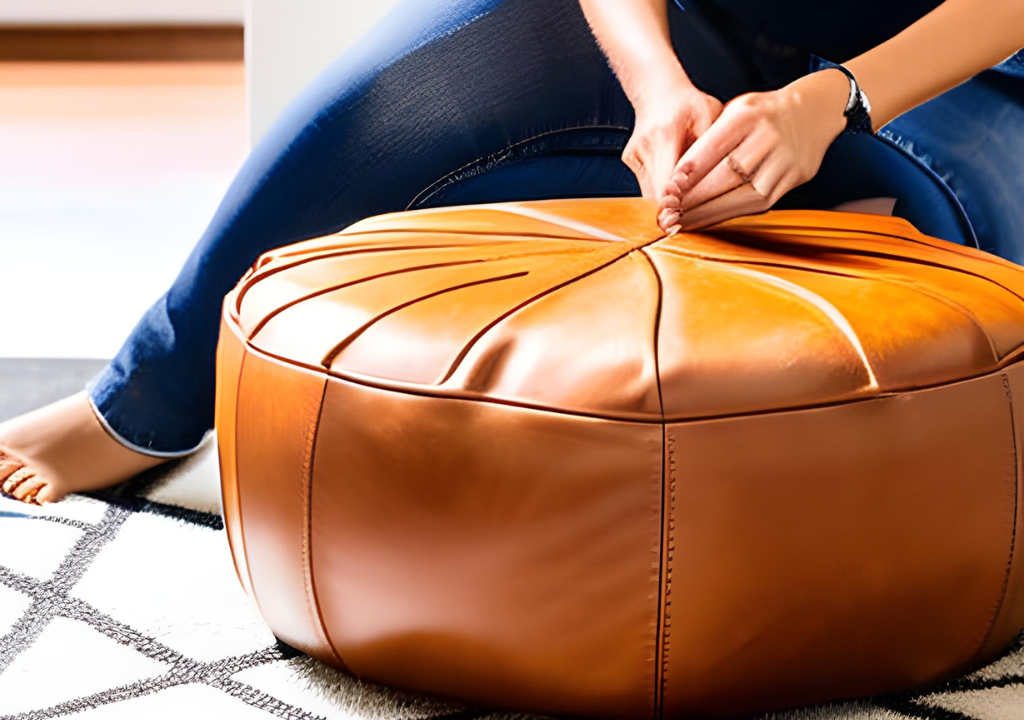
Do you have a pouf that’s lost its shape but doesn’t have a zipper? It can be frustrating trying to refill it without making a mess or damaging the fabric.
You might wonder if it’s even possible to refresh your pouf without that easy access point. The good news is, you don’t have to give up on your favorite piece of furniture. In this guide, you’ll discover simple, step-by-step methods to refill your pouf quickly and cleanly—even if it has no zipper.
Keep reading, and you’ll learn how to bring your pouf back to life with ease.
Tools And Materials Needed
Refilling a pouf without a zipper might seem tricky at first, but having the right tools and materials simplifies the process significantly. Before you start, it’s important to prepare well to ensure your pouf regains its shape and comfort. Let’s look at what you need to gather to make this task easier and more efficient.
Choosing The Right Filling
Your pouf’s comfort depends heavily on the filling you choose. Foam beads are popular because they mold to your body and provide great support. Alternatively, shredded memory foam offers a softer, cushioned feel, but it can be heavier.
Think about how you use your pouf: Is it mainly for sitting or as a footrest? This will help you decide between firmer or softer fillings. Don’t overlook eco-friendly options like recycled polyester fiber if you prefer sustainable materials.
Gathering Necessary Supplies
Once you decide on the filling, gather these essential supplies to make refilling smooth:
- Strong fabric or a liner:To hold the filling inside your pouf securely.
- Heavy-duty needle and thick thread:For sewing the fabric shut without it tearing.
- Measuring tape:To estimate how much filling you’ll need.
- Funnel or scoop:Makes adding filling easier and less messy.
- Scissors:To trim fabric or thread neatly.
- Clamps or clips:To hold fabric in place while sewing if you’re working alone.
Have you ever tried stuffing a pouf without proper tools? It can get frustrating fast. Preparing these supplies in advance saves time and frustration, making the task more manageable and even enjoyable.

Credit: www.walmart.com
Preparing The Pouf
Preparing your pouf for refilling is a key step that requires care and attention, especially when there’s no zipper to rely on. Before you add any filling, you need to find or create an access point without damaging the fabric. This preparation will make the refilling process smooth and keep your pouf looking great.
Locating A Hidden Seam
Start by carefully examining your pouf for any seams that might be less visible. Sometimes manufacturers hide seams under flaps or along the bottom edge. These seams can be your best entry point because they’re designed to be less noticeable and easier to open.
Run your fingers gently over the surface to feel for any stitch lines or slight gaps. If you find a seam that looks promising, check the fabric tension around it. Is it looser or more flexible compared to other areas? That could be the perfect spot to work with.
Creating An Opening Without Damage
If your pouf has no hidden seam, you’ll need to create an opening carefully. Use a small, sharp pair of fabric scissors or a seam ripper to make tiny stitches come loose. Take your time and pull just a few threads at a time to avoid tearing the fabric.
Think about starting at a corner or the bottom where any small hole will be less visible after repair. Once you have the opening, you can add filling easily and stitch it back up with a strong needle and matching thread. Would you rather risk a tiny seam repair or damage the entire pouf? Taking it slow pays off here.
Refilling The Pouf
Refilling a pouf without a zipper involves carefully opening a seam or using a hidden flap. Slowly add filling material, like foam beads, to keep the shape firm and comfortable. Seal the opening tightly to prevent any spillage.
Refilling a pouf without a zipper might seem daunting, but with some patience and creativity, it can be a rewarding task. Imagine how satisfying it will be to have a perfectly plumped pouf that looks and feels as good as new. Let’s dive into how you can achieve this with ease.Adding Filling Gradually
Start by carefully making a small opening in a discreet area of the pouf. Use a seam ripper or small scissors for precision. Once you have access, add your chosen filling material like foam beads or cotton stuffing slowly. Gradual filling helps you control the volume and avoid overstuffing. It’s like baking a cake, where adding ingredients little by little yields the best results. What type of filling are you using, and how does it affect the firmness you want?Ensuring Even Distribution
As you add the filling, pause to distribute it evenly inside the pouf. Gently shake and knead the pouf to help the filling settle into any empty spaces. This ensures a smooth and comfortable finish. Think about the last time you fluffed a pillow; the same principle applies here. Checking the pouf from different angles helps spot any lumps. Does the pouf maintain its shape and support after each adjustment? Pay attention to how the pouf feels as you sit or lean on it. This can guide you on where more filling might be needed. Remember, the goal is a balanced pouf that complements your living space with both style and comfort.Sealing The Pouf
Sealing the pouf after refilling is crucial to keep the filling secure. Without a zipper, the opening needs a strong and neat closure. This ensures the pouf looks good and lasts long.
Choose a sealing method that fits your skills and tools. Both stitching and using fabric glue or tape are effective ways to close the pouf opening. Each method offers a different level of durability and ease.
Stitching The Opening
Use a needle and thread that match the pouf fabric color. Fold the edges of the opening inward to hide raw fabric. Sew small, tight stitches along the folded edges to close the gap.
Try a slip stitch or ladder stitch for a nearly invisible seam. Keep the thread tension even to avoid puckering. Tie a secure knot at the end to stop the stitches from loosening.
Using Fabric Glue Or Tape
Fabric glue works well for quick and clean sealing. Apply a thin layer along the folded edges of the opening. Press the fabric together firmly and let it dry completely as per instructions.
Double-sided fabric tape is another easy option. Cut a strip to fit the opening size. Stick the tape on one side, then press the other side firmly to seal.
Both fabric glue and tape keep the pouf closed without sewing. They offer a smooth finish but may not be as strong as stitching.
Maintaining Your Pouf
Maintaining your pouf helps keep it comfortable and looking fresh. Regular care prevents it from losing shape quickly. Simple steps can extend the life of your pouf without a zipper. Understanding when and how to care for it saves time and effort later.
Regular Fluffing Tips
Fluff your pouf often to keep it soft and full. Press down on all sides, then lift and shake it gently. This helps spread the filling evenly inside. Use your hands to knead the pouf, breaking up any clumps. Fluffing prevents the filling from settling and flattening. Doing this weekly maintains a nice, cushy feel.
When To Refill Again
Check your pouf’s firmness every few months. If it feels flat or less supportive, it needs more filling. Look for visible sagging or lumps that don’t smooth out. Add small amounts of filling each time to avoid overstuffing. Refilling keeps your pouf comfortable and extends its use. Regular checks help you refill before it becomes too soft.

Credit: www.walmart.com

Credit: www.amazon.com
Frequently Asked Questions
How Can I Refill A Pouf Without A Zipper?
To refill a pouf without a zipper, carefully open a seam using a seam ripper. Add the filling material slowly, then sew the seam back securely.
What Materials Work Best For Pouf Refilling?
Polystyrene beads, shredded foam, or polyester fiberfill work well for pouf refilling. Choose lightweight, compressible fillers for maximum comfort and shape retention.
How Do I Prevent Mess During Pouf Refilling?
Use a funnel or a paper cone to guide the filling inside. Work over a clean surface to catch spills and avoid mess.
Can I Refill A Pouf Without Damaging The Cover?
Yes, by gently opening a small seam and resewing it tightly, you can refill the pouf without damaging the cover or its appearance.
Conclusion
Refilling a pouf without a zipper is simple with the right steps. Use a small opening or create one carefully. Add filling slowly to avoid mess and keep the shape. Take your time and check firmness as you go. This method saves money and extends your pouf’s life.
Enjoy your comfy, refreshed pouf ready for use. Easy, practical, and effective. Give it a try today!



