
Are you planning to add floating shelves to your kitchen but unsure about the perfect depth? Choosing the right shelf depth can make a huge difference in how your kitchen looks and functions.
Too shallow, and you won’t have enough space for your essentials. Too deep, and your shelves might feel bulky and awkward. You’ll discover exactly how deep kitchen floating shelves should be to maximize both style and practicality. Keep reading to find the sweet spot that fits your kitchen and your needs perfectly.
Ideal Depth For Floating Shelves
Choosing the right depth for kitchen floating shelves is important. It affects both looks and function. Shelves that are too deep or too shallow can make your kitchen feel crowded or less useful. Finding the ideal depth helps keep your kitchen organized and stylish.
Standard Depth Measurements
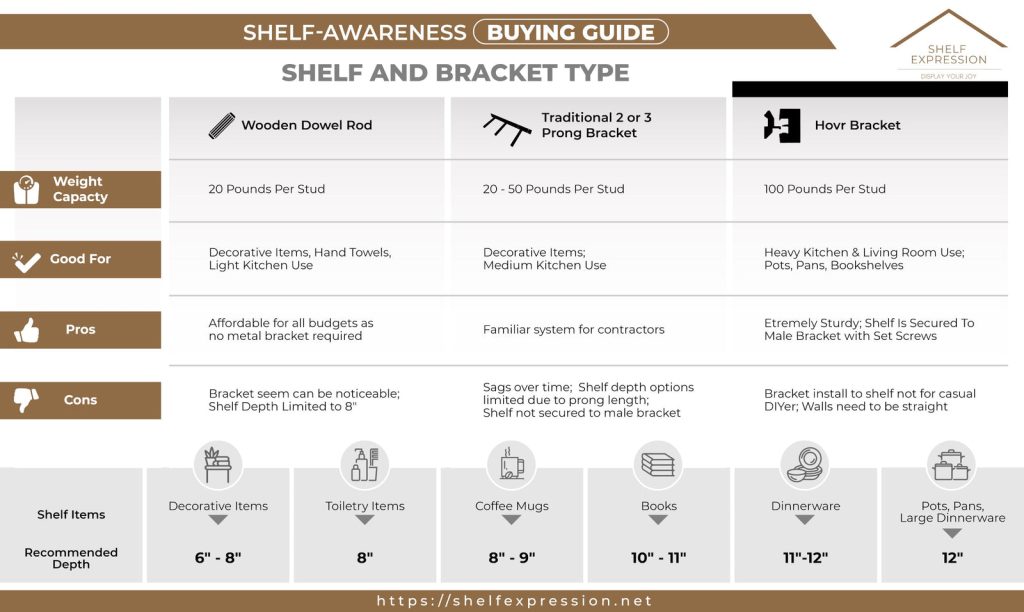
Most kitchen floating shelves have a depth between 10 and 12 inches. This size fits most kitchen items like plates, jars, and small appliances. Shelves deeper than 12 inches may stick out too far, making the space feel tight.
Shallower shelves, around 6 to 8 inches deep, work well for decorative items or small containers. They keep the kitchen looking open and clean without taking up much space.
Factors Affecting Shelf Depth
- Item Size:Measure what you plan to store. Bigger items need deeper shelves.
- Kitchen Space:Narrow kitchens need shallower shelves to avoid crowding.
- Wall Space:The length of your wall affects the shelf depth choice. Longer walls can handle deeper shelves.
- Style Preference:Minimalist kitchens often use shallow shelves for a sleek look.
- Safety:Deeper shelves can be harder to reach and may block sightlines.
Shelf Depth For Different Kitchen Uses
Choosing the right shelf depth depends on what you plan to store or display. Different kitchen items need different depths for easy access and safety. Shelves that are too shallow or too deep can cause clutter or make items hard to reach.
Understanding shelf depth helps create a functional and attractive kitchen space. Here are some common uses and their ideal depths.
Storing Plates And Bowls
Plates and bowls need shelves deep enough to hold them safely without overhanging. A depth of 10 to 12 inches works well for most standard plates and bowls.
This size allows stacking without risk of falling off. It also keeps items easy to grab during busy meal prep times.
Holding Glassware And Cups
Glassware and cups require shallower shelves to stay stable. Shelves 8 to 10 inches deep are perfect for this use.
Shallower shelves reduce the chance of tipping glassware forward. This depth also saves space and keeps your kitchen looking neat.
Displaying Decorative Items
Decorative items vary in size, so shelf depth depends on your collection. Depths from 6 to 10 inches usually work well.
Smaller shelves create a clean look and prevent items from looking crowded. For larger decor, deeper shelves may be needed to accommodate the size.
Balancing Functionality And Aesthetics
Choosing the right depth for kitchen floating shelves ensures they hold essentials without crowding space. Shelves too deep can look bulky, while shallow ones may lack storage. Finding the balance keeps your kitchen both practical and stylish.
Balancing functionality and aesthetics in kitchen floating shelves requires thoughtfulness. Shelves should be practical yet pleasing. The depth of the shelves plays a crucial role. It affects both storage capability and the kitchen’s look. Striking the right balance enhances both functionality and design.Avoiding Overcrowding
Shelves should not be too deep. Deep shelves invite clutter. Clutter makes it hard to find items. It also creates a messy look. Shelves around 10 to 12 inches deep work well. This depth holds essentials without overcrowding. It ensures easy access to items.Maintaining Visual Appeal
Shelf depth affects visual harmony. Shallow shelves create an open feel. They allow for decorative displays. These displays add personality to the kitchen. Too deep shelves can overpower the space. Choose a depth that complements the kitchen’s style. It should blend with other elements. This maintains a cohesive look.
Credit: www.create-enjoy.com
Material Choices And Depth Considerations
Choosing the right material for your kitchen floating shelves greatly impacts how deep they should be. Different materials have unique strengths and limitations that affect both their appearance and functionality. Understanding these factors helps you pick a shelf depth that balances style, durability, and practicality in your kitchen.
Wood Shelves
Wood is a popular choice for kitchen floating shelves because it offers warmth and versatility. Thicker wood shelves often support more weight, allowing depths of 10 to 12 inches without risking sagging. If you want to store heavier items like pots or small appliances, consider hardwoods such as oak or maple, which hold up better over time.
On the other hand, softer woods or plywood may require shallower depths, around 8 to 10 inches, to maintain stability. You might ask yourself: how much weight will these shelves need to hold daily? Answering this helps determine the right wood thickness and depth for your specific needs.
Metal And Glass Options
Metal shelves bring a sleek, modern look and typically support deeper shelves without bending. Steel or aluminum can handle depths of 12 inches or more, making them ideal for holding heavier kitchen tools or a collection of cookbooks. However, metal shelves can feel colder and less inviting compared to wood.
Glass shelves offer a minimalist style and work best at shallower depths, usually 6 to 8 inches, to avoid flexing or breaking under weight. Tempered glass is a safe choice, but it’s best for displaying lighter items like jars or decorative pieces. Are you prioritizing style over storage capacity? That question helps decide if glass fits your kitchen’s daily demands.
Installation Tips For Optimal Depth
Choosing the right depth for kitchen floating shelves enhances both style and function. Proper installation ensures shelves hold items safely and look balanced on your wall. Optimal depth depends on several key factors. Understanding these will help you create a sturdy and attractive shelving setup.
Spacing Between Shelves
Keep enough space between shelves for easy access and visibility. Measure the height of items you plan to place. Leave extra room for taller objects like jars or cookbooks.
Spacing of 12 to 15 inches works well in most kitchens. Avoid crowding shelves too close together. This allows better air flow and prevents cluttered looks.
Wall Support And Weight Limits
Check your wall type before installing shelves. Drywall alone cannot hold heavy items. Find studs or use strong anchors for support.
Floating shelves usually hold 20 to 40 pounds safely. Use heavy-duty brackets for larger loads. Secure each shelf firmly for stability and safety.

Credit: www.amazon.ca
Customizing Shelf Depth For Unique Kitchens
Customizing the depth of kitchen floating shelves ensures they fit perfectly in your unique space. Shelf depth affects both style and storage capacity. Choosing the right size helps keep your kitchen organized and visually balanced.
Small Kitchen Solutions
In small kitchens, shallow shelves save space and keep the room open. Shelves between 8 to 10 inches deep work well here. They provide enough space for everyday items without crowding the area.
Use shallow shelves to:
- Store spices and small jars
- Display decorative plates
- Keep cooking oils and utensils handy
Floating shelves that are too deep can block movement and look bulky. Stick to slim, functional designs to maintain a roomy feel.
Large Kitchen Adaptations
Large kitchens handle deeper shelves easily. Shelves from 12 to 16 inches deep offer more storage options. They can hold larger dishes, pots, and pantry items.
Deep shelves allow you to:
- Store mixing bowls and bakeware
- Display cookbooks and decorative items
- Organize bulk pantry goods
Choose sturdy materials for wider shelves to support heavier items. Deep shelves can become a focal point and add to the kitchen’s style.

Credit: www.amazon.ca
Frequently Asked Questions
How Deep Should Kitchen Floating Shelves Be?
Kitchen floating shelves typically range from 10 to 12 inches deep. This depth balances storage space and accessibility without overcrowding countertops. It accommodates most kitchen items like plates, jars, and cookbooks efficiently, maintaining a clean and organized look.
What Factors Influence Floating Shelf Depth Choice?
Shelf depth depends on available wall space, kitchen size, and the items stored. Smaller kitchens benefit from shallower shelves to save space. Consider the weight and size of items to ensure shelves are practical and visually appealing.
Can Deep Shelves Make A Kitchen Look Cluttered?
Yes, overly deep shelves can appear bulky and cluttered. They may take up valuable wall space and reduce countertop visibility. Choosing appropriate depth helps maintain a clean, open, and airy kitchen design.
Are 8-inch Deep Shelves Suitable For Kitchen Use?
Eight-inch deep shelves work well for small kitchens or tight spaces. They fit spices, mugs, and small containers but limit larger item storage. Consider your storage needs before selecting shallower shelves.
Conclusion
Choosing the right depth for kitchen floating shelves matters a lot. Shelves too deep can crowd your space and feel heavy. Shelves too shallow might not hold what you need. Think about what items you plan to store. Measure your space carefully before buying or building shelves.
Balance style and function for the best result. This simple step helps keep your kitchen neat and open. Your shelves should make your kitchen easier to use and look good too. Small details like depth make a big difference.



