
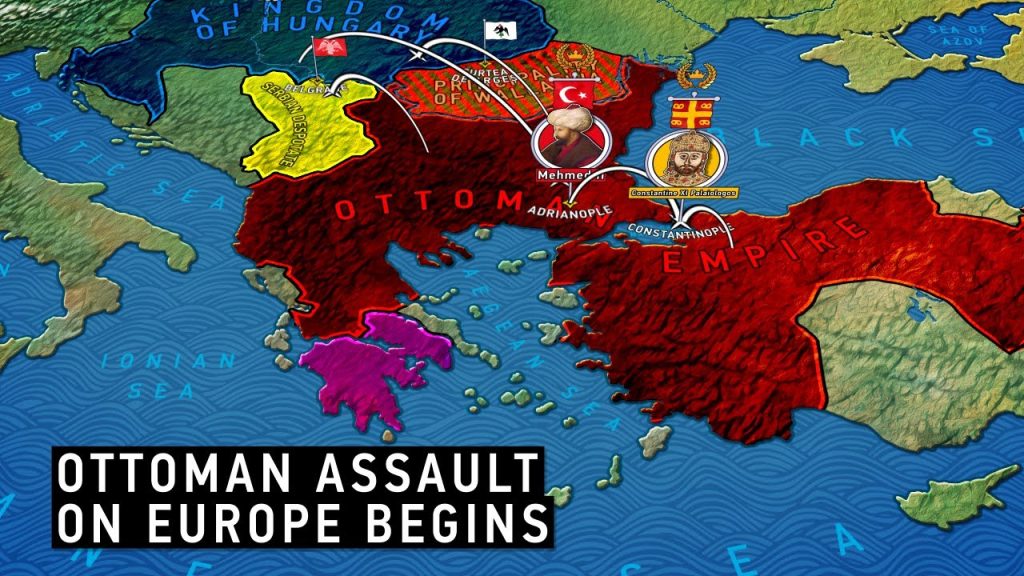
Have you ever wondered how one of history’s greatest empires started from almost nothing and grew to control vast lands? The rise of the Ottoman Empire is a story full of ambition, strategy, and unexpected twists.
If you want to understand the key moments and decisions that shaped this powerful empire, keep reading. This article will reveal how the Ottomans went from a small tribe to rulers of an empire that lasted centuries—and why their story still matters to your world today.
Credit: owlcation.com
Early Origins
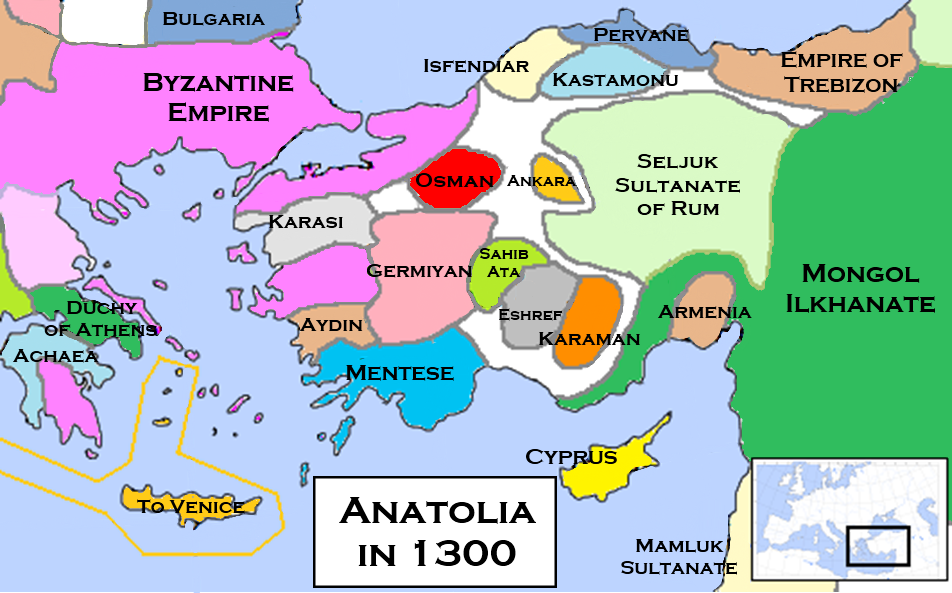
The early origins of the Ottoman Empire trace back to a small Turkish principality in Anatolia. It began as a modest tribe among many others in the region. Over time, it grew into a powerful state that would dominate three continents. Understanding these roots helps reveal how the empire rose to power.
Tribal Roots And Leadership
The Ottomans started as a Turkic tribe led by Osman I. Osman was a skilled leader and warrior. His leadership united various nomadic groups and small clans. The tribe’s strong military tactics helped expand their territory. Loyalty and discipline were key traits among the Ottoman warriors. These qualities set the foundation for a larger empire.
Geopolitical Landscape
Anatolia was a land of many small states and tribes. The region lay between the Byzantine Empire and various Turkish beyliks. This created constant conflict and competition. The Ottomans took advantage of this fragmentation. They formed alliances and conquered weak neighbors. Their location allowed control over important trade routes. This position was crucial for their growing influence and power.
Founding Figures
The rise of the Ottoman Empire began with key figures whose actions shaped its early course. These founding leaders built the foundation of a powerful dynasty. Their courage and vision set the stage for expansion and success. Understanding these figures helps explain how the empire gained strength and influence.
Role Of Osman I
Osman I is the empire’s namesake and first leader. He united several Turkish tribes in Anatolia. Osman led raids against the weakening Byzantine Empire. His leadership created a strong, loyal following. He established a state that grew into a vast empire. Osman’s rules combined tribal traditions with new laws. His success inspired later rulers to expand further.
Legacy Of Ertugrul
Ertugrul, Osman’s father, played a vital role before the empire’s rise. He led the Kayi tribe through difficult times. Ertugrul secured lands from rival groups, ensuring safety. His leadership taught Osman important lessons in war and governance. The respect Ertugrul earned helped his family gain support. His legacy provided the stability for Osman’s future conquests.
Military Strategies
The rise of the Ottoman Empire was fueled by strategic military strategies. These strategies were crucial to their expansion and dominance. The Ottomans excelled in warfare techniques and innovation. Their military prowess was a combination of skilled warriors and tactical advancements.
Ghazi Warriors And Jihad
The Ottomans relied on Ghazi warriors to expand their territories. These warriors were motivated by a religious duty known as Jihad. They saw themselves as holy fighters. This belief drove them to fight fiercely against non-Muslim territories. The Ghazi warriors were well-respected and feared by their enemies. Their commitment to their faith and empire was unwavering.
Use Of Cavalry And Tactics
The Ottoman military was renowned for its cavalry. Horsemen played a pivotal role in battles. They were swift and adaptable on the battlefield. The Ottomans mastered the use of light cavalry. This allowed them to execute quick and decisive strikes. They also employed strategic tactics to outmaneuver enemies. Their use of terrain and surprise attacks often caught foes off guard. These tactics were instrumental in their numerous victories.
Credit: owlcation.com
Political Alliances
Political alliances played a crucial role in how the Ottoman Empire rose to power. These alliances helped the Ottomans secure their borders, gain influence, and expand their territory without constant warfare. Understanding their strategies reveals practical lessons on building power through relationships rather than just force.
Marriage And Diplomacy
The Ottomans used marriage as a strategic tool to strengthen ties with powerful families and neighboring states. By marrying into influential dynasties, they created bonds that reduced conflicts and opened doors for cooperation.
One notable example is the marriage between Sultan Mehmed II’s family and various Balkan rulers. These unions not only secured peace but also provided the Ottomans with valuable allies in volatile regions. You might wonder how these personal ties shaped political decisions—often, they were the foundation for trust and negotiation.
Vassal States And Expansion
The Ottomans expanded their reach by turning nearby territories into vassal states. These states kept their local rulers but paid tribute and followed Ottoman directives.
This system allowed the empire to grow quickly without overextending its resources. Instead of conquering every region outright, the Ottomans used political influence to control vast areas. Have you considered how balancing direct control with delegated power can be effective in managing complex organizations or projects?
Economic Foundations
The economic foundations of the Ottoman Empire were a key factor in its rise to power. Their ability to manage resources, trade, and agriculture created a strong base for expansion and influence. Understanding these economic elements gives you insight into how the empire maintained stability and growth over centuries.
Control Of Trade Routes
The Ottomans strategically controlled important trade routes connecting Europe and Asia. This control allowed them to regulate the flow of goods like silk, spices, and precious metals.
By taxing merchants and providing safe passage, they boosted their treasury significantly. Imagine running a business today where you control the main highways—this gave the Ottomans a powerful economic advantage.
Have you ever considered how controlling a few key roads or digital platforms today could impact your business growth? The Ottomans understood this centuries ago and used it to their advantage.
Agricultural Development
Agriculture was the backbone of the Ottoman economy. They improved irrigation systems and introduced crop rotation methods that increased productivity.
Farmers were encouraged to cultivate diverse crops, which reduced the risk of famine and ensured food security. This stability in food supply supported population growth and a strong workforce.
Think about your own resources—how can diversifying your assets create stability in uncertain times? The Ottomans’ approach to agriculture offers practical lessons in resilience and planning.
Conquests And Growth
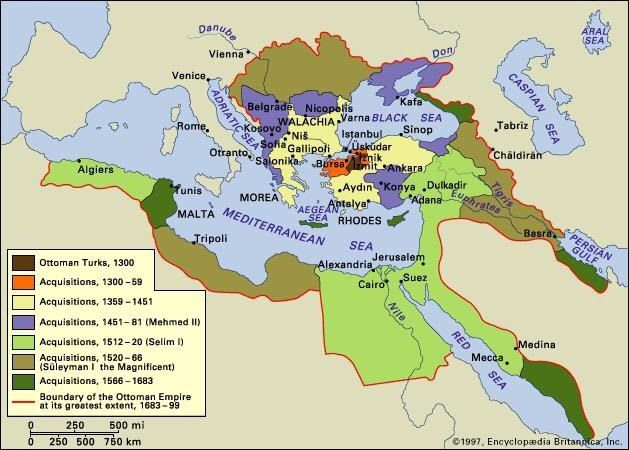
The rise of the Ottoman Empire is closely tied to its early conquests and steady growth. These military successes helped the Ottomans build a strong foundation. They gained control over key regions and expanded their influence beyond their initial borders.
Each victory brought new resources and soldiers. The empire’s leadership used these gains to push further into neighboring lands. This period of conquest set the stage for the empire’s long-lasting power and reach.
Capture Of Bursa
Bursa was the first major city the Ottomans captured. Its fall marked a turning point for the young empire. Bursa became the new capital and a center for trade and culture. This victory gave the Ottomans control over important trade routes.
The city’s capture also boosted the empire’s prestige. It attracted skilled people and craftsmen. Bursa helped the Ottomans strengthen their economy and administration.
Expansion Into Byzantine Territories
The Ottomans pushed deeper into Byzantine lands. They took advantage of the empire’s weakness and internal conflicts. This expansion included key towns and fortresses along strategic points.
Each conquest weakened the Byzantine Empire further. The Ottomans gained more land, wealth, and soldiers. Their growing presence in these areas helped them control trade and military routes.
This growth built momentum. It prepared the empire for future successes, including the eventual conquest of Constantinople.
Religious Influence
The Ottoman Empire rose to power with strong religious influence. Religion shaped its laws, culture, and governance. Islam played a key role in uniting its people. The empire also embraced various cultures and faiths. This helped it grow and maintain control over vast lands.
Role Of Islam
Islam was the empire’s main faith and guiding force. The Ottoman rulers saw themselves as protectors of Islam. They followed Sharia law to govern society fairly. Religious leaders advised the sultans on important matters. Islamic values inspired justice, charity, and respect in daily life.
The Ottomans built mosques and schools to spread Islamic teachings. Pilgrimages and festivals strengthened community bonds. These efforts helped the empire gain loyalty from Muslim populations. Islam gave the empire a clear identity and purpose.
Integration Of Diverse Peoples
The empire ruled over many ethnic groups and religions. It allowed Christians, Jews, and others to practice their faiths freely. This tolerance eased tensions and encouraged cooperation. Non-Muslims paid special taxes but kept local autonomy.
The Ottomans used a system called “millets” to organize diverse communities. Each millet managed its own religious and legal affairs. This system supported peace and order across cultures. It made the empire flexible and strong.
Administrative Systems
The Ottoman Empire built a strong foundation through effective administrative systems. These systems helped control vast lands and diverse people. They balanced central authority with local governance to keep order and loyalty. The administration evolved over time, adapting to new challenges and expanding territories. Understanding these systems reveals how the empire maintained power and stability for centuries.
Early Governance Structures
At first, the Ottoman state relied on tribal leaders and warriors for governance. The sultan was the supreme ruler, combining political and military power. Local governors, called beys, managed smaller regions under the sultan’s authority. They collected taxes, enforced laws, and maintained security. This structure allowed quick decision-making and loyalty from local leaders.
The empire used a system called timar, granting land to soldiers in exchange for military service. This linked land ownership to loyalty and defense. It created a network of local power holders who supported the central government. The early governance system was flexible, helping the Ottomans expand rapidly across Anatolia and the Balkans.
Taxation And Law
Tax collection was vital for the empire’s wealth and stability. The Ottomans developed an organized tax system to fund the army and administration. Taxes included land tax, trade duties, and a special tax on non-Muslims called jizya. Officials called tax farmers collected revenue and sent it to the treasury.
Law combined Islamic principles with local customs to ensure justice. The sultan issued laws called kanuns to regulate daily life and administration. Religious courts handled family and personal matters under Islamic law. This dual legal system helped unify diverse populations under one rule.
Efficient taxation and law enforcement kept the empire stable and prosperous. These systems strengthened the sultan’s control and supported the growing empire’s needs.
Legacy Of Rise
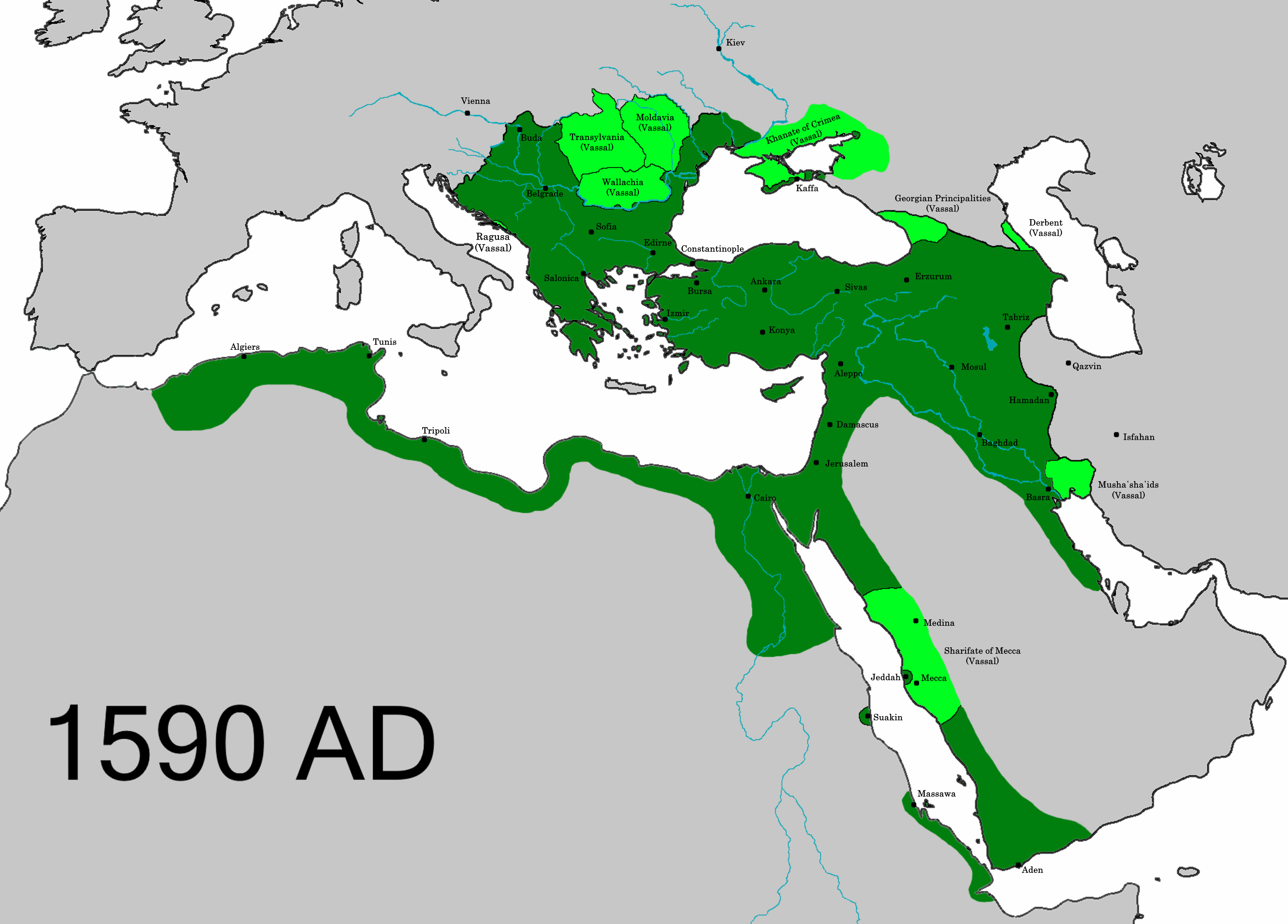
The legacy of the Ottoman Empire’s rise is still visible in many parts of the world today. Its early success laid the groundwork for a vast and influential empire. Understanding this legacy helps you see how power can shape history over centuries.
Impact On Regional Politics
The Ottomans changed the political map of their region drastically. They united diverse groups under a single authority, which was rare at the time. This unity brought stability but also challenged existing powers like the Byzantine Empire and various Anatolian beyliks.
Imagine how your local community would change if a strong leader brought together different neighborhoods with their own rules. The Ottomans did just that on a much larger scale. Their rise forced neighbors to rethink alliances and strategies, often pushing them to either resist or adapt quickly.
Foundation For Empire’s Golden Age
The early victories and organizational skills of the Ottomans set the stage for their empire’s golden age. Strong leadership, military discipline, and smart governance created a stable base. This allowed the empire to focus on culture, science, and trade later on.
Think about building a house—you need a solid foundation before adding beautiful designs. The Ottomans’ rise was that foundation. Without it, the splendor of their later achievements, like the architectural marvels in Istanbul, would not have been possible.
Credit: owlcation.com
Frequently Asked Questions
How Did The Ottoman Empire Start Its Rise To Power?
The Ottoman Empire began around 1299 under Osman I. It gained power through military conquest and strategic alliances. The empire expanded by capturing key trade routes and cities, establishing dominance in Anatolia and the Balkans.
What Role Did Military Strategy Play In Ottoman Power?
Military strategy was crucial for the Ottomans. They used advanced tactics and gunpowder weapons. Their disciplined army, including the elite Janissaries, helped them defeat rivals and expand territory rapidly.
How Did Geography Influence The Ottoman Empire’s Growth?
The empire’s location bridged Europe and Asia, controlling vital trade routes. This strategic position boosted wealth and influence. It allowed easy access to resources and military advantages against neighboring states.
Why Was Leadership Important In The Ottoman Empire’s Success?
Strong leaders like Osman I and Mehmed II guided expansion. Effective governance and diplomacy united diverse peoples. Their vision helped build a centralized, stable empire that lasted for centuries.
Conclusion
The Ottoman Empire rose through smart leadership and strong armies. They took advantage of weak neighbors and new trade routes. Their ability to adapt helped them grow over centuries. The empire’s mix of cultures made it unique and powerful. Understanding this rise shows how history shapes today’s world.
History teaches us about power, strategy, and change. The story of the Ottoman Empire is both inspiring and complex. It reminds us that success often comes from patience and skill.



