
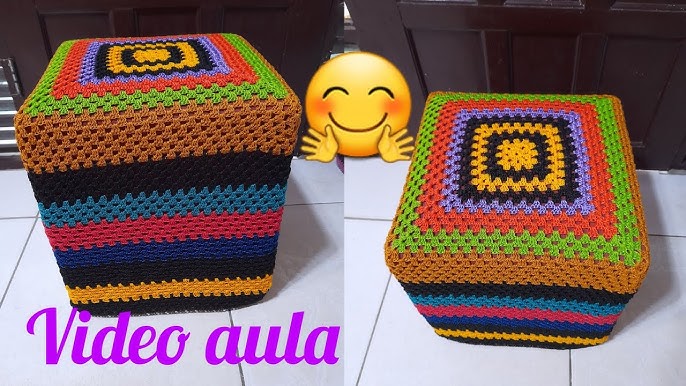
Looking to refresh your space without spending a fortune? Making a cover for your square pouf is an easy way to give it a brand-new look.
Imagine turning a plain pouf into a stylish centerpiece that matches your room perfectly. You don’t need special skills or expensive tools to do it. In this guide, you’ll find simple steps that anyone can follow, even if you’ve never sewn before.
Ready to transform your pouf and add a personal touch to your home? Keep reading, and you’ll discover how quick and satisfying this project can be.
Materials Needed
Making a cover for a square pouf needs the right materials. Choosing good fabric and having proper tools ensures a neat finish. Prepare everything before starting to save time and effort.
Fabric Choices
Select fabric that is strong and easy to clean. Cotton and canvas work well for durability. Linen offers a soft texture but may wrinkle fast. Consider upholstery fabric for extra strength. Pick colors and patterns that match your room style.
Tools And Supplies
- Measuring tape to get accurate dimensions
- Scissors designed for fabric cutting
- Sewing machine or needle and thread for hand sewing
- Pins or clips to hold fabric pieces together
- Chalk or fabric marker for marking cuts
- Zipper or Velcro for easy removal of the cover
- Iron to press seams and fabric

Credit: www.amazon.com
Measuring Your Pouf
Measuring your square pouf is the first step to making a perfect cover. Getting the right dimensions ensures the cover fits snugly and looks neat. Take your time to measure carefully. This saves fabric and effort later.
Taking Accurate Dimensions
Use a flexible measuring tape for best results. Measure the length and width of the top surface. Write down these numbers clearly. Next, measure the height from the base to the top edge. Measure all four sides to check for any differences. Note the largest height to cover the pouf fully.
Double-check each measurement. Small errors can cause a loose or tight cover. Measure twice to be sure.
Considering Seam Allowances
Seam allowances add extra fabric for sewing edges. Without them, the cover will be too small. Add at least 1 inch (2.5 cm) to each side measurement. Add the same amount to the height measurement.
This extra fabric helps when stitching the cover pieces together. It gives room for neat seams and a better fit. Mark seam allowance lines on your fabric before cutting. This step prevents mistakes and wasted fabric.
Cutting The Fabric
Cutting the fabric is a key part of making a cover for a square pouf. Precise cutting ensures the cover fits snugly and looks neat. It also helps to save fabric and avoid mistakes during sewing. Careful preparation before cutting makes the process smoother and more enjoyable.
Marking The Pieces
Start by measuring the pouf carefully. Write down the length, width, and height. Use these numbers to mark your fabric pieces. Lay the fabric flat on a clean surface. Use tailor’s chalk or a fabric marker to draw the shapes. Mark each piece clearly, including seam allowances. Label each piece to avoid confusion. Double-check all measurements before cutting.
Tips For Precise Cutting
- Use sharp fabric scissors for clean edges.
- Cut slowly and follow the marked lines exactly.
- Keep the fabric flat and smooth to avoid wrinkles.
- Cut one layer at a time for better control.
- Use weights or pins to hold the fabric steady.
- Work in a well-lit area to see marks clearly.
- Double-check your pieces before moving to sewing.
Sewing The Cover
Cut fabric pieces to fit your pouf’s sides and top. Sew edges together carefully, leaving one side open for stuffing. Use strong stitches to ensure durability and a neat finish.
Sewing the Cover Creating a cover for your square pouf is a fun way to add a personal touch to your home decor. Sewing it yourself allows you to choose fabrics and patterns that match your style. Plus, it’s a rewarding project that enhances your sewing skills.Assembling The Sides
Begin by cutting four equal pieces of fabric for the sides of the pouf. Ensure each piece matches the dimensions of the pouf’s sides, leaving an extra half-inch for seam allowance. Pin the pieces together, right sides facing each other, to form a square tube. Sew the pieces along the pinned edges, using a straight stitch. A neat seam is crucial for a polished look, so take your time. Once sewn, press the seams open with an iron to keep the fabric flat and easier to handle.Adding The Top And Bottom
Cut two pieces of fabric for the top and bottom of the pouf, remembering the seam allowance. Attach the top piece by pinning it to the edge of the sewn tube, ensuring the corners align perfectly. Stitch around the perimeter, again using a straight stitch. Repeat the process for the bottom piece, but leave one side open. This opening will be used to insert the pouf and finish the closure. Ironing the seams will help maintain the shape and give the cover a professional finish.Creating A Zipper Or Closure
Decide between a zipper or a simple closure for the open side. A zipper offers a sleek finish and is excellent for easy removal and cleaning. Measure the open edge and select a zipper of the same length. Attach the zipper by aligning it with the opening, and sew it in place with a zipper foot. If a zipper isn’t your style, consider using hook-and-loop tape or buttons as an alternative closure. These options are easier to install and offer versatility in design. How you choose to complete your pouf cover can make all the difference. What closure method resonates with your taste and skill level?Finishing Touches
Finishing touches make your square pouf cover look neat and professional. These small steps improve the fit and appearance. They help the cover sit perfectly on your pouf. Focus on pressing, fitting, and adjusting for the best result.
Pressing Seams
Press seams flat to create sharp edges. Use a warm iron, but test fabric first. Press from the inside to avoid shine on the fabric. This step helps seams lie smoothly and look tidy. Take your time with each seam for a clean finish.
Fitting The Cover
Place the cover over the pouf carefully. Check all sides to see how it fits. Smooth out wrinkles and align seams with corners. Make sure the cover covers the pouf fully. This step shows how well your sewing matches the pouf’s shape.
Adjusting For A Perfect Fit
Look for areas that feel loose or tight. Pinch and fold fabric gently to test adjustments. Use pins or clips to hold changes in place. Small tweaks can improve comfort and appearance. Sew any needed changes carefully to keep the cover snug and smooth.

Credit: pattiewack.myshopify.com
Care And Maintenance
Maintaining your square pouf cover keeps it fresh and durable. Regular care extends its life and appearance. Simple steps prevent stains and damage. Proper handling makes cleaning easier and repairs less frequent.
Cleaning Instructions
Vacuum the cover regularly to remove dust and dirt. Spot clean stains immediately with a damp cloth. Use mild soap mixed with water for gentle cleaning. Avoid harsh chemicals that can damage the fabric. Let the cover air dry completely before use. Machine wash only if the fabric label allows it. Always wash in cold water to prevent shrinking. Avoid tumble drying; instead, dry flat in shade.
Repair Tips
Check seams often for loose threads or tears. Use a needle and matching thread to sew small holes. Reinforce weak spots with extra stitches for strength. Replace zippers promptly if they break or stick. For stubborn tears, use fabric glue or patches. Keep a small repair kit handy for quick fixes. Regular repairs prevent bigger damage and save money.
Creative Design Ideas
Creative design ideas can transform a simple square pouf cover into a standout piece in your living space. You have a chance to express your style and make your pouf truly unique. Let’s look at some ways to add personality and charm through patterns, colors, and embellishments.
Using Patterns And Colors
Choosing the right patterns and colors can completely change the vibe of your pouf. Bold geometric patterns bring a modern edge, while floral or paisley prints add a touch of softness and elegance.
Think about your room’s color palette. Do you want the pouf to pop with bright colors like turquoise or mustard, or blend in with neutral tones like beige or gray? You can even mix patterns—stripes paired with polka dots can look surprisingly stylish if you stick to a coherent color scheme.
Try working with fabric swatches before cutting. This helps you visualize how the patterns and colors will work together. Have you ever tried a monochrome pattern with varying shades? It adds depth without overwhelming your space.
Adding Embellishments
Embellishments are a simple way to add texture and interest to your pouf cover. Think about sewing on buttons, tassels, or even decorative zippers to give your pouf a custom look.
Ribbon trims or piping around the edges can make the cover look polished and professional. If you’re feeling adventurous, hand-stitched embroidery or fabric paint designs can turn your cover into a piece of art.
Remember, embellishments don’t have to be flashy. Sometimes subtle details, like a row of small pom-poms or a delicate lace border, create the most charm. What small detail could make your pouf cover truly yours?

Credit: pattiewack.myshopify.com
Frequently Asked Questions
How Do I Measure My Square Pouf For A Cover?
Measure the height, width, and depth of your pouf. Use a tape measure for accuracy. Add 1-2 inches for seam allowances and ease. This ensures a snug, well-fitted cover that looks professional and fits comfortably.
What Fabric Is Best For A Square Pouf Cover?
Choose durable, washable fabrics like cotton, linen, or canvas. These materials are strong and easy to clean. They also offer comfort and style. Avoid stretchy or slippery fabrics that won’t hold shape well.
Can I Make A Removable Cover For My Pouf?
Yes, use zippers or Velcro for easy removal. This allows convenient washing and maintenance. Secure closures keep the cover in place. Removable covers extend your pouf’s lifespan and keep it fresh.
How Do I Sew Corners On A Square Pouf Cover?
Sew the edges with a 1/2 inch seam allowance. Use box corners technique by folding fabric at right angles. This creates sharp, neat corners. Reinforce with extra stitching for durability and a professional finish.
Conclusion
Making a cover for a square pouf can be simple and fun. You only need basic materials and easy steps. A custom cover helps protect your pouf and adds style to any room. Choose fabric you like and follow the guide carefully.
Sewing your own cover saves money and lets you be creative. Enjoy your new pouf look and feel proud of your work. Try different colors or patterns next time. This project suits beginners and experienced crafters alike. Give it a try and see the difference.



