
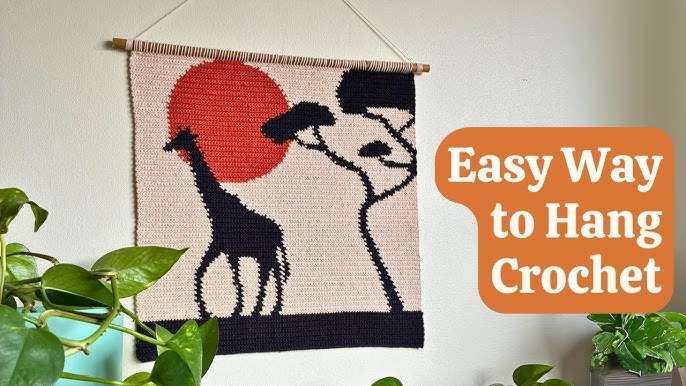
Are you looking to add a cozy, artistic touch to your space with a tapestry but aren’t sure how to hang it up properly? You’re in the right place.
Hanging a tapestry might seem tricky, but with the right steps, you can easily transform your wall and give your room a fresh, inviting look. Keep reading, and you’ll discover simple, effective ways to hang your tapestry so it stays secure and looks amazing—no damage to your walls and no frustration.
Let’s get started!

Credit: aboderie.co.uk
Choosing The Right Tapestry
Choosing the right tapestry sets the foundation for a stunning wall display. It’s not just about picking a pretty design; size, material, and how it fits into your space all matter. Taking time to consider these factors helps you avoid common mistakes like choosing something too large or a fabric that’s hard to hang.
Selecting The Size
Think about the wall where you want to hang your tapestry. Is it a big empty space above your couch or a smaller nook by your desk? Measure the area carefully before buying to make sure the tapestry won’t overwhelm or get lost on the wall.
Sometimes, a large tapestry can become the room’s focal point, while a smaller one adds just a splash of color or pattern. If you’re unsure, hold a sheet or blanket in the size you’re considering against the wall—it’s a simple way to visualize how it will look.
Picking The Material
The material affects both the look and how easy it is to hang your tapestry. Cotton and linen are lightweight and breathable, making them great for casual, everyday displays. Polyester or blends often have vibrant colors but can be heavier and harder to secure without wrinkles.
Think about the room’s conditions too. If you want to hang your tapestry in a sunny spot, pick materials that won’t fade quickly. Also, consider if you want something easy to wash or if it’s a piece meant to stay put for years.
Matching Your Space
Does your tapestry’s style match the vibe of your room? A bold, colorful tapestry might clash in a minimalist space but could bring life to a neutral room. On the other hand, subtle patterns might not stand out enough in a busy or eclectic area.
Ask yourself what mood you want to create. Do you want calm and cozy, vibrant and energizing, or something quirky and fun? Your tapestry can help set that tone if chosen thoughtfully.
Preparing Your Wall
Preparing your wall is the first key step to hang a tapestry properly. A clean and well-marked wall ensures your tapestry stays secure and looks great. Taking time to prepare avoids damage and keeps your room neat.
Focus on cleaning the surface and measuring accurately. These simple actions create a smooth base for your tapestry. Ready your tools and follow easy steps for a perfect setup.
Cleaning The Surface
Start by removing dust and dirt from your wall. Use a soft cloth or sponge with mild soap and water. Wipe gently to avoid damaging the paint or wallpaper. Let the wall dry completely before moving on.
Cleaning helps tapestries stick better if you use adhesive hooks or strips. It also prevents dirt from showing behind the fabric. A clean wall makes the tapestry look fresh and well-kept.
Measuring And Marking
Measure the wall space where you want to hang the tapestry. Use a tape measure for accuracy. Mark the spots lightly with a pencil where hooks or nails will go.
Check the tapestry’s width and height before marking. Mark two points for the top corners for balance. Use a level tool to keep the marks straight and even.
Proper measuring ensures the tapestry hangs flat and centered. It prevents crooked or uneven placement that can spoil the look.
Hanging Methods
Choose hooks or nails to secure your tapestry on the wall without damaging it. Use a rod pocket or clips for easy hanging and removal. Smooth out wrinkles by adjusting the fabric gently after hanging.
Hanging a tapestry can transform your space, adding color, texture, and a personal touch. The right method for hanging your tapestry depends on your wall type, tapestry weight, and personal preference. Explore various techniques to find the one that best suits your style and space.Using Nails Or Hooks
If your tapestry is lightweight, nails or hooks can be a simple and effective method. Secure the tapestry with small nails at the corners, ensuring it hangs evenly. For a more polished look, use decorative hooks that complement your room’s decor.Adhesive Strips And Tapes
Adhesive strips and tapes offer a great alternative if you wish to avoid putting holes in your walls. These can hold lightweight tapestries firmly in place without causing any damage. Just ensure your wall is clean and dry for optimal adhesion.Rod And Sleeve Setup
For a classic look, consider a rod and sleeve setup. This method involves sewing a sleeve on the top of your tapestry, allowing you to slide a rod through. It not only gives a neat appearance but also makes it easy to change or adjust the tapestry.Command Strips For Damage-free
Command strips provide a versatile and damage-free option for hanging your tapestry. They’re designed to hold various weights and can be removed cleanly, making them perfect for renters. Ensure you choose the appropriate size and follow the instructions for the best results. Each method offers unique benefits, so think about your space and the statement you want your tapestry to make. Which method feels right for you?
Credit: www.wikihow.com
Securing The Tapestry
Securing your tapestry properly is key to keeping it looking fresh and vibrant on your wall. Without the right support, your tapestry might wrinkle, sag, or even fall down. Let’s dive into how you can ensure it stays perfectly in place.
Avoiding Wrinkles And Sagging
Wrinkles and sagging can quickly ruin the look of your tapestry. To avoid this, stretch the fabric gently but firmly before hanging. Using a taut wire or rod behind the tapestry can provide even support across the entire piece.
Try attaching the tapestry at multiple points, not just the top corners. This spreads the weight evenly and keeps the fabric flat. Have you noticed how even small slack can cause noticeable sagging? Tackling this early makes a big difference.
Adding Weights For Stability
Adding weights to the bottom edge of your tapestry can prevent it from curling or fluttering in the breeze. You can sew small pockets into the hem and insert chain links or metal rods for a clean, hidden look.
Another option is to use decorative curtain weights or heavy beads. These add stability without compromising style. Think about the environment—if your tapestry hangs near an open window, weights become especially important to keep it steady.
Creative Display Ideas
Creative display ideas transform a simple tapestry into a striking centerpiece. These ideas help your tapestry blend with your room’s style. You can make your space feel cozy, stylish, or artistic. Try different ways to hang and decorate around your tapestry. Experimenting creates a unique look that fits your personality.
Layering With Other Decor
Layer your tapestry with other wall items for depth. Hang smaller art pieces or photos around it. Use shelves below to display plants or books. Textured items like woven baskets add warmth. Mixing textures and shapes keeps the wall lively. This creates a balanced and interesting visual effect.
Framing The Tapestry
Frame your tapestry to give it a polished look. Use a simple wooden frame for a natural feel. A metal frame adds a modern touch. Frames protect the fabric and keep it flat. Choose colors that match your room’s palette. Framing turns the tapestry into a piece of art.
Using Clips Or Washi Tape
Clips and washi tape offer easy, damage-free hanging options. Use decorative clips to hang the tapestry on a rod or string. Washi tape adds a colorful border and holds the edges. Both methods allow quick changes without nails or hooks. Ideal for renters or temporary setups.

Credit: www.picturehangsolutions.com
Maintaining Your Tapestry
Maintaining your tapestry is key to keeping it vibrant and beautiful for years. Proper care extends its life and preserves the colors and fabric quality. Small efforts in cleaning and protection can make a big difference in how your tapestry looks over time.
Cleaning Tips
Dust your tapestry regularly using a soft brush or a vacuum cleaner with a gentle brush attachment. This prevents dirt from settling deep into the fabric fibers. If your tapestry needs a deeper clean, spot clean with a mild detergent and cold water. Always test a small hidden area first to avoid damage.
Never use bleach or harsh chemicals. For delicate or antique tapestries, consider professional cleaning to avoid accidental harm. How often you clean depends on where you hang it—high-traffic or dusty areas may need more frequent attention.
Protecting From Sun Damage
Direct sunlight can fade your tapestry’s colors quickly. Try to hang your tapestry away from windows or use UV-protective film on glass to reduce exposure. If moving your tapestry is not an option, rotate it occasionally to distribute sunlight evenly and prevent uneven fading.
You can also use curtains or blinds to control sunlight during peak hours. Think about the long-term effects of sunlight—would you want your favorite piece to lose its vibrancy in just a few months? Taking simple steps to protect your tapestry from sun damage will keep it looking fresh and lively.
Frequently Asked Questions
How Do I Hang A Tapestry Without Damaging Walls?
Use adhesive hooks or velcro strips to avoid wall damage. These options hold tapestries securely and remove cleanly. Avoid nails or screws if you rent or want to preserve paint. Measure carefully for perfect placement before attaching hooks or strips.
What Tools Do I Need To Hang A Tapestry?
Basic tools include a measuring tape, level, and adhesive hooks or nails. For heavier tapestries, use wall anchors or a curtain rod. Choose tools based on wall type and tapestry weight. Proper tools ensure secure and straight hanging.
Can I Hang A Tapestry With Command Strips?
Yes, command strips work well for lightweight tapestries. They hold firmly and remove without residue. Ensure the wall surface is clean and dry before application. Use multiple strips for larger tapestries to distribute weight evenly.
How High Should I Hang A Tapestry?
Hang the tapestry at eye level or slightly above furniture. This placement enhances room aesthetics and visibility. Measure from the floor to the tapestry’s top edge for consistency. Adjust height based on room size and furniture arrangement.
Conclusion
Hanging a tapestry can brighten any room quickly. Choose the right method based on your wall type. Use nails, hooks, or adhesive strips to avoid damage. Make sure the tapestry hangs straight and smooth. Adjust it until it looks just right.
Enjoy the new style and cozy feeling it brings. Simple steps lead to a big change. Try different ways to find what works best. Your wall will thank you for the fresh look.



