
Have you ever wanted to turn your favorite photo into a beautiful canvas to display at home or gift to someone special? Transferring a photo to canvas is easier than you might think, and it can give your memories a unique, artistic touch.
Whether you’re looking to decorate your space or create a personalized gift, this guide will walk you through simple steps to make your photo stand out on canvas. Keep reading, and you’ll discover how to bring your pictures to life in a way that truly captures your story.
Choosing The Right Photo
Transferring a photo to canvas can create stunning artwork. Choosing the right photo is crucial for achieving the best results. The photo’s quality, resolution, and subject matter can make all the difference. Let’s dive into some important aspects to consider when selecting your photo.
Selecting High-quality Images
Always choose high-quality images for your canvas. Look for clear, sharp pictures without blurriness. A quality image ensures that details are preserved in the transfer process. High-quality photos can turn your canvas into a masterpiece.
Considering Image Resolution
Pay attention to image resolution. A higher resolution means more detail. For canvas printing, aim for at least 300 DPI (dots per inch). This ensures the photo looks crisp and vibrant. Low-resolution images might appear pixelated when enlarged.
Picking The Best Subject
The subject of your photo affects the final artwork. Choose subjects that are meaningful or visually striking. Landscapes, portraits, or abstract images can all work well. Consider the mood and emotion you want to convey. The right subject can capture attention and evoke feelings.
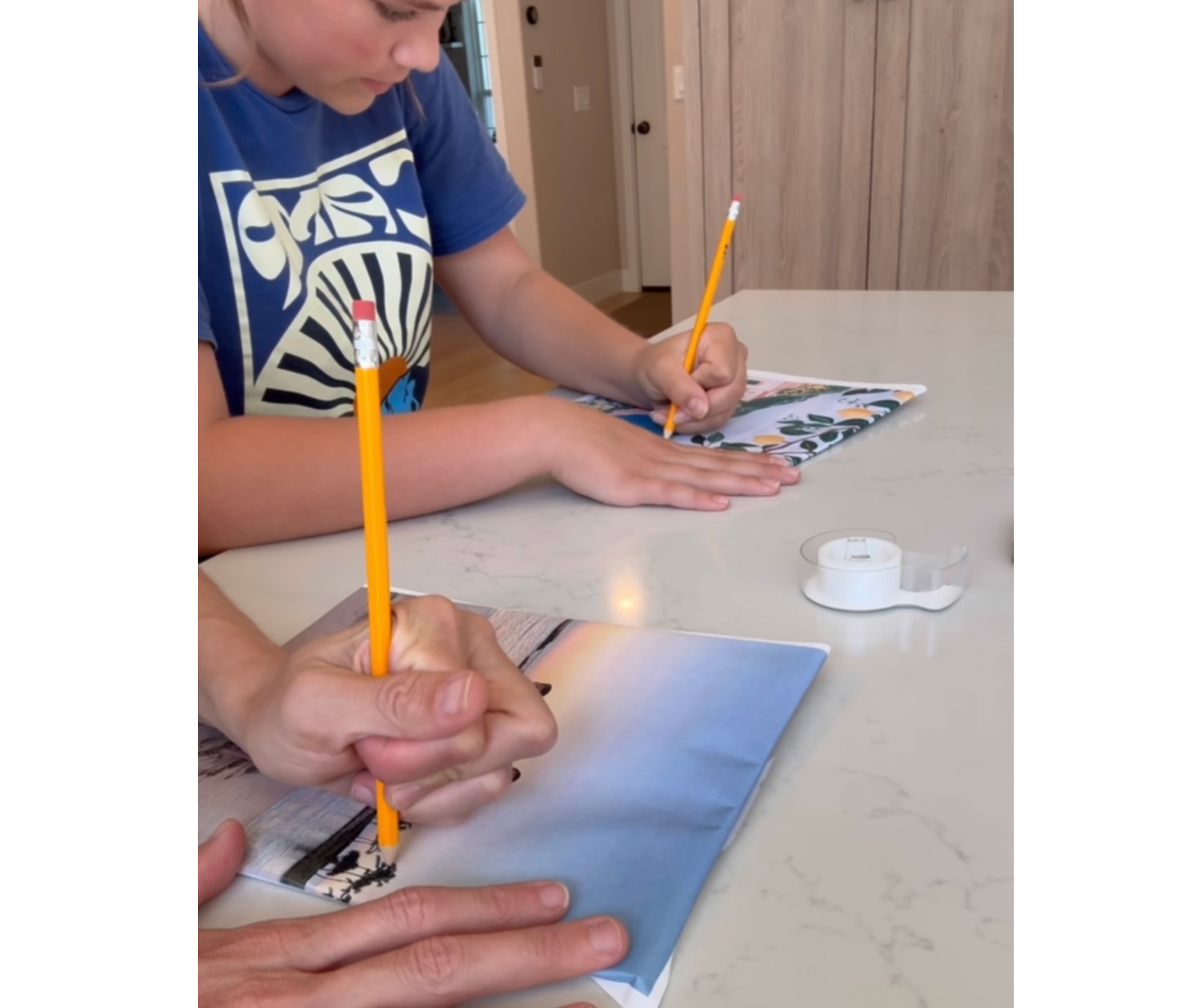
Credit: livingwithlady.com
Gathering Materials
Before you start transferring a photo to canvas, gathering the right materials is crucial. Having everything on hand saves time and ensures your project goes smoothly. It also helps you avoid frustrating interruptions that can break your creative flow.
Essential Tools And Supplies
You’ll need a few basic items to get started. A canvasis your base, but you also need photo transfer mediumto move the image onto it. Other useful tools include:
- Printed photo (laser or inkjet, depending on the medium)
- Brushes or foam applicators for applying the medium
- Squeegee or credit card to smooth out bubbles
- Water and sponge for removing paper after transfer
- Protective gloves and a well-ventilated workspace
Gathering these ahead of time ensures you won’t have to stop midway searching for something.
Types Of Canvas To Use
Not all canvases behave the same when transferring photos. You can choose between:
- Stretched canvas: Pre-stretched and ready to use, this is ideal for beginners.
- Canvas panels: These are canvas sheets mounted on a rigid board, which provide a sturdy surface.
- Raw canvas: Untreated and requires priming with gesso before use.
Think about your project’s texture and durability needs. For example, I once used raw canvas and skipped priming—big mistake. The image didn’t transfer cleanly, which taught me how important surface prep is.
Photo Transfer Mediums
Choosing the right medium makes a huge difference in your final result. Popular options include:
- Gel medium: Easy to use and widely available, perfect for beginners.
- Mod Podge: A versatile product that works well for photo transfers and sealing.
- Photo transfer paper: Specially designed paper that simplifies the process.
Consider the finish and durability you want. Some mediums dry glossy, others matte. Have you thought about how you want your artwork to look and feel once it’s done?
Preparing The Photo
Preparing your photo correctly is essential before transferring it to canvas. This stage sets the foundation for a successful transfer, ensuring your image looks sharp and vibrant on the final product. Taking time to edit and print your photo carefully can make all the difference.
Editing And Resizing
Start by choosing the right photo with clear focus and good lighting. Use basic photo editing tools to adjust brightness, contrast, and saturation to enhance the image’s overall look.
Resizing is just as important. If your photo is too small, it may appear blurry or pixelated on the canvas. Aim for a resolution of at least 300 dpi to maintain quality when printed. Don’t forget to crop out any unwanted background or distractions to keep your image clean and centered.
Printing Tips For Transfers
Print your edited photo on high-quality transfer paper designed specifically for canvas or fabric. Avoid regular printer paper, as it won’t hold the image well during the transfer process.
Use a laser printer if possible, as inkjet printers may cause smudging during transfer. Also, mirror your image before printing, especially if it contains text or directional elements. This step ensures the photo appears correctly on the canvas after transfer.
- Check printer settings for the best quality output
- Allow the print to dry completely before transferring
- Test print on a smaller surface to avoid wasting materials

Credit: fixthephoto.com
Photo Transfer Methods
Transferring a photo to canvas creates a unique and personal piece of art. Various methods exist to achieve this effect. Each offers different textures and finishes to suit your style.
Choosing the right photo transfer method depends on materials and desired outcome. Here are three popular techniques to consider.
Gel Medium Transfer
Gel medium transfer uses a gel product to move the image onto canvas. Apply a thin layer of gel on the canvas first. Place the printed photo face down on the gel. Smooth out bubbles and let it dry completely. Once dry, gently rub the paper with water to remove it. The image remains embedded in the gel, creating a matte, textured finish.
Mod Podge Transfer
Mod Podge transfer involves using a special glue and sealer. Start by coating the photo’s printed side with Mod Podge. Press the photo firmly onto the canvas. Let it dry fully, usually overnight. Soak the paper with water and carefully rub it off. This method gives a glossy, smooth surface with clear details.
Heat Transfer Technique
Heat transfer uses heat to move the image to the canvas. Print the image on special transfer paper. Position the paper on the canvas. Use an iron or heat press to apply heat and pressure. The heat melts the ink, bonding it to the canvas fibers. This technique creates vibrant colors and sharp images.
Step-by-step Transfer Process
Transferring a photo to canvas can seem tricky, but breaking it down into clear steps makes the process manageable and even enjoyable. Each phase has its own tricks to ensure your image looks sharp and vibrant once it’s on the canvas. Let’s dive into the detailed steps that will help you achieve a smooth and beautiful photo transfer.
Applying The Transfer Medium
Start by choosing the right transfer medium—gel mediums work well for most photo transfers. Use a brush or sponge to evenly coat the front of your printed photo with a generous layer of the medium. Make sure the entire image is covered without any thick spots or gaps, as this affects how well the photo adheres to the canvas.
Don’t rush this step. Let the medium sit on the photo for a minute or two to become tacky, which helps it stick better. If you’ve ever tried peeling off a sticker that wasn’t sticky enough, you’ll know how important this stage is.
Positioning The Photo On Canvas
Carefully place the photo face-down onto the canvas. Align it exactly where you want the image to appear. This part requires patience because once it sticks, adjusting the position can damage the transfer.
Press down firmly and smooth out any bubbles or wrinkles using a flat tool like a credit card. Think of this like applying a decal—you want a tight bond between the photo and canvas to avoid any blurred or missing spots in the final image.
Drying And Setting Time
Allow the canvas to dry completely, which can take anywhere from 8 to 24 hours depending on the medium and environment. Patience here pays off—rushing this step might cause the photo to peel or smudge during the next stage.
After drying, gently dampen the paper and begin rubbing it off to reveal the transferred image underneath. If the canvas feels delicate or the image looks faint, give it more time to set before removing the paper. You’ll be amazed at how this slow process brings your photo to life on the textured canvas.
Finishing Touches
After transferring your photo to canvas, the work isn’t quite done. The finishing touches are what truly make your piece stand out and last over time. These final steps protect your artwork and add a personal flair that reflects your style.
Sealing The Artwork
Sealing your canvas protects the image from dust, moisture, and fading. Use a clear acrylic sealer spray or a brush-on varnish designed for canvases. Make sure to apply thin, even coats and allow each layer to dry fully before adding the next.
Have you noticed how a sealed canvas feels sturdier and looks more vibrant? That’s because the sealer locks in the colors and prevents damage from everyday handling. Don’t rush this step—patience here means your artwork will stay beautiful longer.
Adding Artistic Enhancements
Want to make your canvas truly unique? Consider adding hand-painted details or textures with acrylic paints. You can highlight certain areas or create a subtle border to frame your photo naturally.
Try experimenting with metallic paints or even a touch of gold leaf for a luxurious effect. These small enhancements create depth and draw the viewer’s eye. What small detail could you add that reflects your personality?
Framing And Display Ideas
Framing your canvas isn’t just about protection—it also shapes how people see your art. Floating frames give a modern, sleek look, while rustic wooden frames add warmth and charm.
Think about where you want to display your piece. A well-lit wall can make colors pop, and grouping canvases together can create a gallery vibe. Have you tried hanging your canvas in unexpected places like above a desk or in a cozy reading nook?
Common Issues And Fixes
Transferring a photo to canvas can be rewarding, but it often comes with hiccups. Knowing how to tackle common problems will save you frustration and improve your results. Let’s go over some frequent issues and how you can fix them effectively.
Avoiding Image Smudging
Smudging happens when the transfer isn’t fully dry or the surface isn’t prepped correctly. To prevent this, always let each layer dry completely before moving on. Using a clear acrylic spray after the transfer helps seal the image and stops ink from running.
Have you ever rushed the drying process and ended up with blurry lines? Taking your time here makes a huge difference. Also, try using a soft cloth instead of your fingers to smooth the image, reducing the risk of smears.
Handling Transfer Mistakes
Mistakes like incomplete transfers or unwanted marks can happen, but they’re fixable. If parts of the image don’t transfer well, lightly reapply the medium and press again. For small smudges, a damp cotton swab can gently clean the area without ruining the canvas.
Consider this: instead of tossing a canvas with flaws, can you turn those “mistakes” into creative details? Sometimes blending errors into the artwork adds character and uniqueness. Experiment with subtle touch-ups before starting a new project.
Maintaining Canvas Durability
Durability is key if you want your transferred photo to last. After the transfer, apply several coats of varnish or sealant to protect the surface from scratches and fading. Make sure each coat dries fully before applying the next to avoid tackiness.
Think about where your canvas will hang. High humidity or direct sunlight can degrade the image faster. Protect your work by keeping it in a stable environment and using UV-resistant sprays if needed.
Creative Inspiration
Creative inspiration is the heart of transferring a photo to canvas. It pushes you beyond simply printing an image and invites you to transform your photo into a unique piece of art. How can you make your canvas truly reflect your personality and style? Let’s look at some ideas that can spark your creativity.
Mixing Photos With Paint
Have you tried blending your photo with hand-painted elements? Adding paint around or on the edges of your photo can create depth and texture. You might paint flowers spilling from a garden photo or brush abstract colors to complement the tones in your image.
This mix allows you to highlight parts of the photo or soften areas you want less focus on. Using acrylics or watercolors can make your canvas more dynamic and personal. It’s a great way to turn a simple photo into a mixed media masterpiece.
Using Different Canvas Shapes
Why stick to the usual rectangle? Choosing a round, oval, or even a heart-shaped canvas can dramatically change how your photo looks. Different shapes can add visual interest and make your artwork stand out on any wall.
Think about the story your photo tells and which shape might enhance that narrative. A panoramic landscape might look stunning on a wide, horizontal canvas, while a portrait can gain intimacy on a smaller oval. Experiment with shapes to find what suits your photo best.
Personalizing With Text And Graphics
Adding text or graphic elements can bring extra meaning to your photo canvas. You could include a favorite quote, a significant date, or even hand-drawn symbols that relate to the image.
This personalization makes your artwork one-of-a-kind and memorable. Try using stencils, stamps, or freehand writing to add these details. It’s a simple way to connect your photo to your story or message.

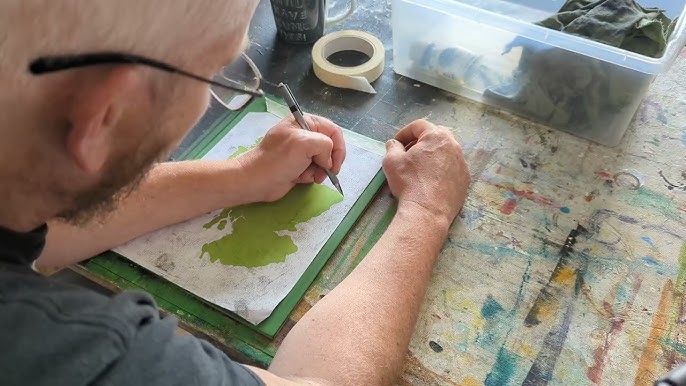
Credit: www.youtube.com
Frequently Asked Questions
How Do I Prepare A Photo For Canvas Printing?
To prepare a photo, choose a high-resolution image. Edit and crop it to fit your canvas size. Save the file in a suitable format like JPEG or PNG for best quality.
What Materials Do I Need To Transfer A Photo To Canvas?
You need a canvas, photo print, transfer medium (like gel or Mod Podge), a brush, and a squeegee. These tools help you apply and set the photo onto the canvas smoothly.
Can I Transfer Any Photo Type Onto Canvas?
Yes, you can transfer digital photos, printed images, or hand-drawn art. Ensure the image quality is high for clear, sharp results on the canvas.
How Long Does It Take To Transfer A Photo To Canvas?
The transfer process typically takes 30 minutes to an hour. Drying time varies but usually requires 24 hours for full curing and durability.
Conclusion
Transferring a photo to canvas can be simple and fun. Choose the right materials and follow clear steps. Take your time to get good results. This project lets you create unique, personal art. Enjoy seeing your favorite photos in a new way.
Try different techniques to find what works best. Share your creations with friends or keep them for yourself. This craft adds a special touch to any space. Give it a try and watch your photos come alive on canvas.



