
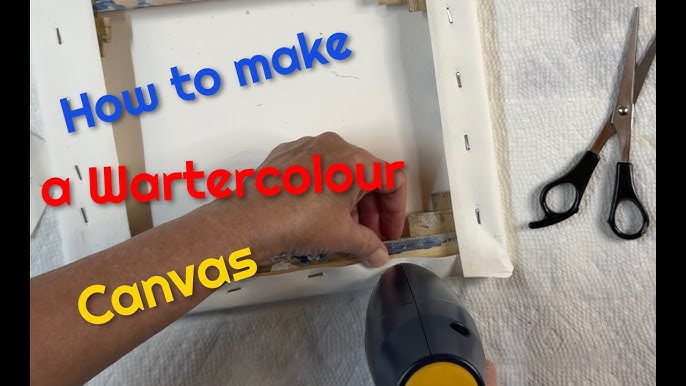
Have you ever wanted to turn your favorite photo or artwork into a stunning canvas picture? Creating your own canvas print is easier than you think, and it adds a personal touch to your home or office.
Imagine seeing your memories or designs come to life on a beautiful, textured surface that lasts for years. In this guide, you’ll discover simple steps to make a canvas picture that stands out. Ready to transform your walls with your unique style?
Keep reading, and let’s get started!
Choosing The Right Canvas
Choosing the right canvas affects the final look and feel of your picture. Consider texture, size, and material to match your art style. A good canvas helps your artwork stand out and last longer.
Choosing the right canvas is crucial when creating a canvas picture. This choice can significantly impact the final outcome of your artwork. Understanding different materials and sizes will help you make the best decision for your artistic vision.Types Of Canvas Materials
Canvas materials vary in texture and durability. Cotton canvas is popular for its affordability and smooth surface, making it ideal for beginners. Linen canvas, although more expensive, offers exceptional longevity and is preferred by professional artists for its refined texture. Synthetic canvas is also available, providing a durable option that resists environmental wear.Selecting Canvas Size
The size of your canvas should reflect the scope of your project. A small canvas can be perfect for detailed work or intimate settings. Larger canvases allow for broader strokes and are great for making a bold statement. Consider where you plan to display your artwork and choose a size that complements the space.Pre-stretched Vs. Stretched Canvas
Deciding between pre-stretched and stretched canvas is another important step. Pre-stretched canvases are convenient and ready to use, saving you time and effort. They come in a variety of sizes and are often more affordable. However, stretched canvases offer more flexibility if you prefer to control the tension and surface texture, though they require additional tools and expertise. Choosing the right canvas isn’t just a step in the process—it’s an opportunity to enhance your creative expression. What type of canvas will bring your artistic vision to life?
Credit: www.youtube.com
Gathering Essential Supplies
Before you start painting your canvas picture, gathering the right supplies is crucial. The materials you choose will affect not only the final look but also how enjoyable the process feels. Think about what kind of painting experience you want and what tools will help you achieve that.
Paint Options: Acrylic, Oil, And Watercolor
Choosing the right paint can change everything. Acrylics dry fast and are beginner-friendly, making them perfect if you want to see quick results. Oil paints take longer to dry but offer rich colors and blend beautifully, great for detailed work.
Watercolors are a bit different since they are more transparent and require special paper instead of canvas. Have you tried mixing colors with each type? You might find one suits your style better than the others.
Brushes And Tools
Brushes come in many shapes and sizes, and each one serves a purpose. Flat brushes cover large areas quickly, while round brushes are excellent for details. Don’t forget about other tools like palette knives and sponges, which can add texture and creativity to your work.
Pay attention to brush quality. Cheap brushes can shed hairs and frustrate you. I once switched to better brushes and noticed an immediate improvement in my control and finish.
Additional Materials
Beyond paint and brushes, several other supplies can help you create a professional-looking canvas. A sturdy easel keeps your canvas steady and comfortable to work on. Palette for mixing colors, rags or paper towels for cleaning, and a cup for water or solvents are essential too.
Consider using a primer like gesso to prepare your canvas; it helps paint stick better and last longer. Have you ever skipped this step and regretted it? Getting these extras right can save you time and improve your painting’s durability.
Preparing The Canvas
Preparing the canvas is a key step before starting your artwork. A well-prepared canvas ensures your paint sticks well and lasts long. Taking time to get this right improves your painting experience and final result.
Priming The Surface
Priming creates a smooth, even base for your paint. Use gesso, a white paint primer, to cover the canvas. Apply it with a wide brush or roller in thin, even layers. Let each layer dry completely before adding the next. Two or three coats work best for most projects.
Sketching Your Design
Sketching outlines your ideas and guides your painting. Use a light pencil or charcoal to draw directly on the primed canvas. Keep lines soft and simple. Avoid heavy pressure to prevent damage to the surface. This step helps plan shapes and composition clearly.
Setting Up Your Workspace
Create a clean, organized space for painting. Ensure good lighting to see colors and details well. Arrange your paints, brushes, and water nearby for easy access. Protect surfaces with newspapers or cloth. A comfortable chair and stable easel improve focus and control.

Credit: www.youtube.com
Painting Techniques
Painting on canvas allows creativity to flow freely. Using different techniques brings your picture to life. These methods help create depth, texture, and vibrant colors. Understanding basic brush strokes, blending, and adding details can make your work stand out. Each technique builds on the other for a beautiful final piece.
Basic Brush Strokes
Brush strokes form the foundation of your painting. Use smooth, even strokes for large areas. Short, quick strokes add energy and movement. Experiment with the pressure to change stroke thickness. Flat brushes work well for broad strokes. Round brushes are great for fine lines and curves. Practice simple shapes to control your brush better.
Blending And Layering Colors
Blending creates smooth color transitions on your canvas. Apply two colors side by side and gently mix them. Use a clean brush or a soft cloth for blending. Layering colors adds depth and richness. Start with light colors and add darker shades on top. Wait for each layer to dry before adding the next. This technique gives your painting a more realistic look.
Adding Texture And Details
Texture makes your painting feel alive and touchable. Use thick paint or add materials like sand or fabric. A palette knife can create rough, bold textures. Fine brushes help add small details like leaves or fur. Dots, lines, and tiny shapes add interest and focus. Take your time to build details slowly for a polished finish.
Finishing Touches
Finishing touches can make or break your canvas picture. These final steps add protection, style, and longevity to your artwork. Paying attention to details now will ensure your creation looks its best for years to come.
Applying Varnish
Adding varnish is a smart way to protect your painting from dust, moisture, and UV light. Choose a varnish that suits your paint type—glossy, matte, or satin finishes each bring a different feel to your artwork.
Use a clean, wide brush and apply the varnish in thin, even layers. Avoid rushing; let each coat dry completely before adding another. Have you noticed how a good varnish can make colors pop or soften the overall look?
Framing And Displaying
How you frame your canvas changes its impact. Simple wooden frames add warmth, while sleek metal frames give a modern touch. Consider the room’s decor and lighting when choosing your frame style.
Floating frames are a trendy option that lets your canvas stand out without covering the edges. When hanging, use sturdy hooks and think about the height—eye level usually works best. Have you tried different frames to see how they change the feel of your artwork?
Caring For Your Artwork
Taking care of your canvas picture ensures it stays beautiful over time. Keep it away from direct sunlight to prevent fading, and avoid placing it in damp areas to stop mold growth.
Dust your painting gently with a soft cloth or brush regularly. If you travel often, consider how you’ll protect your artwork during moves. What small care habits can you start today to keep your canvas looking fresh?
Troubleshooting Common Issues
Troubleshooting common issues in canvas picture making can save time and improve results. Small mistakes often happen but can be fixed easily. Problems like cracking, peeling, and fading colors affect the picture’s quality. Knowing how to handle these challenges keeps your canvas looking great for years.
Fixing Mistakes
Correcting errors quickly prevents permanent damage. Use a clean, damp cloth to gently wipe off fresh paint mistakes. For dried paint, carefully scrape off with a palette knife. Light sanding smooths rough spots and prepares the surface for repainting. Always test fixes on a small area first.
Avoiding Cracks And Peeling
Cracks and peeling often happen from poor surface prep or wrong materials. Stretch the canvas tightly on the frame to avoid loose areas. Use high-quality gesso primer for a strong base. Let each paint layer dry fully before adding the next. Avoid thick paint layers that dry unevenly.
Maintaining Color Vibrancy
Colors fade from sunlight and dust. Display your canvas away from direct sunlight. Use a UV-protective varnish to shield colors. Clean the surface gently with a soft brush or dry cloth. Avoid harsh chemicals that damage paint and canvas fibers.

Credit: www.pictureated.com
Frequently Asked Questions
What Materials Do I Need To Make A Canvas Picture?
You need a blank canvas, acrylic paints, brushes, palette, water, and a pencil. Optional items include varnish and easel.
How Do I Prepare The Canvas For Painting?
Clean the canvas surface, apply a thin layer of gesso, and let it dry. This ensures better paint adhesion and durability.
What Painting Techniques Work Best On Canvas?
Acrylics, oils, and mixed media work well. Techniques include layering, blending, and dry brushing for texture and depth.
How Long Does It Take To Complete A Canvas Picture?
Completion time varies by complexity. Simple paintings may take hours, while detailed works can take days or weeks.
Conclusion
Making a canvas picture is a fun and creative project. You only need a few materials and some patience. Each step helps your artwork come alive on the canvas. This project lets you express your style and brighten any room.
Try different colors and designs to find what suits you best. Enjoy the process and be proud of your handmade art. Keep practicing, and your skills will grow with time.



