
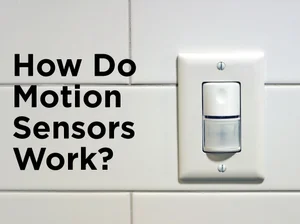
Have you ever wondered what makes motion sensor lights turn on the moment you step into a room? Imagine your home lighting up automatically, saving energy and adding a layer of security—all without you lifting a finger.
Understanding how these smart lights work can help you make better choices for your space and even improve your daily comfort and safety. Keep reading, and you’ll discover the simple science behind motion sensor lights and how they can transform your environment effortlessly.
Basics Of Motion Sensor Lights
Motion sensor lights have become a staple in homes and businesses, offering convenience and security. Understanding the basics helps you choose the right type and use them effectively. Let’s break down what makes these smart lights detect movement and switch on automatically.
Types Of Motion Sensors
Motion sensors come in various forms, each designed for different environments and needs. The most common types include:
- Passive Infrared (PIR) Sensors:These detect heat emitted by people or animals. They are widely used in outdoor security lights.
- Ultrasonic Sensors:These emit sound waves and measure the reflection to detect movement. They work well indoors but can be triggered by non-human motion.
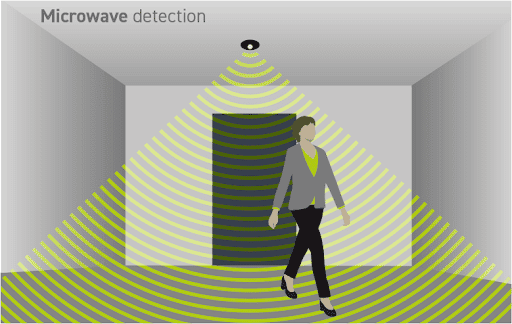
- Microwave Sensors:These send out microwave pulses and sense changes in the reflected signals. They cover a larger area but may pick up movement through walls.
Choosing the right type depends on where you want to install the light and what kind of movement you want to detect.
Key Components
Motion sensor lights rely on several important parts working together smoothly. These include:
- Sensor Unit:Detects motion and sends signals to the light.
- Light Source:Usually LED bulbs, which turn on when motion is detected.
- Control Circuit:Processes the sensor’s signal and controls the light’s operation.
- Power Supply:Provides electricity, either through batteries or direct wiring.
Each component affects how responsive and reliable your motion sensor light will be.
Detection Technologies
Different technologies help motion sensors identify movement accurately. Understanding these can help you avoid false alarms and improve performance.
- Infrared Detection:Senses heat changes in the environment. It won’t react to objects without heat, like a swaying tree branch.
- Sound Wave Detection:Uses ultrasonic or microwave waves to detect moving objects. These can sometimes be triggered by pets or other small animals.
- Combination Sensors:Some lights use both infrared and microwave sensors to reduce false triggers and increase accuracy.
Have you ever wondered why some motion lights turn on too often while others barely respond? The detection technology is usually the key factor behind this difference.
How Motion Sensors Detect Movement
Understanding how motion sensors detect movement can change the way you think about home security and energy savings. These devices use different types of technology to sense when something moves nearby. Each type has its own strengths and best use cases, which can help you choose the right sensor for your needs.
Infrared Sensing
Infrared sensors detect the heat emitted by living beings. Your body gives off infrared radiation, and the sensor picks up changes in this radiation when you move.
They work best in environments where temperature differences are noticeable. If you’ve ever noticed your porch light flick on as you walk by, it’s likely an infrared sensor at work.
Microwave Sensing
Microwave sensors emit high-frequency waves that bounce off objects and return to the sensor. When something moves, the pattern of these waves changes, triggering the light.
These sensors cover a larger area and can detect movement through thin walls or glass. However, they may sometimes be triggered by movement outside your intended detection zone.
Ultrasonic Sensing
Ultrasonic sensors send out sound waves at frequencies higher than humans can hear. They measure how these waves bounce back to detect motion.
This type is highly sensitive and can detect very small movements. But, they might be affected by noise or air currents, which can cause false triggers.
Smart Lighting Features
Motion sensor lights detect movement using sensors that sense heat or motion nearby. They turn on automatically when someone approaches and switch off after a set time without movement. This saves energy and adds convenience to lighting.
Smart lighting features in motion sensor lights have transformed how we interact with our home environments. These lights offer convenience, security, and energy efficiency, all wrapped up in modern technology. Imagine coming home to a well-lit pathway, with lights that greet you without a switch. That’s the power of smart lighting in action.Integration With Home Automation
Smart motion sensor lights can seamlessly integrate with home automation systems. This means you can control and schedule your lights through your smartphone or voice-activated devices like Alexa or Google Home. Imagine adjusting your lighting settings while relaxing on the couch or even when you’re miles away from home.Customizable Settings
Flexibility is a key feature of smart lighting. You can customize settings to suit different needs, such as adjusting the sensitivity of motion detection or setting specific times for lights to turn on or off. This customization ensures that your lights are not only smart but also perfectly aligned with your lifestyle.Energy Efficiency Benefits
One of the most compelling reasons to switch to smart lighting is energy efficiency. Motion sensor lights only activate when needed, significantly reducing electricity usage and lowering your utility bills. Have you ever worried about leaving the lights on all night? Smart lighting puts those concerns to rest, making your home not just smarter, but greener.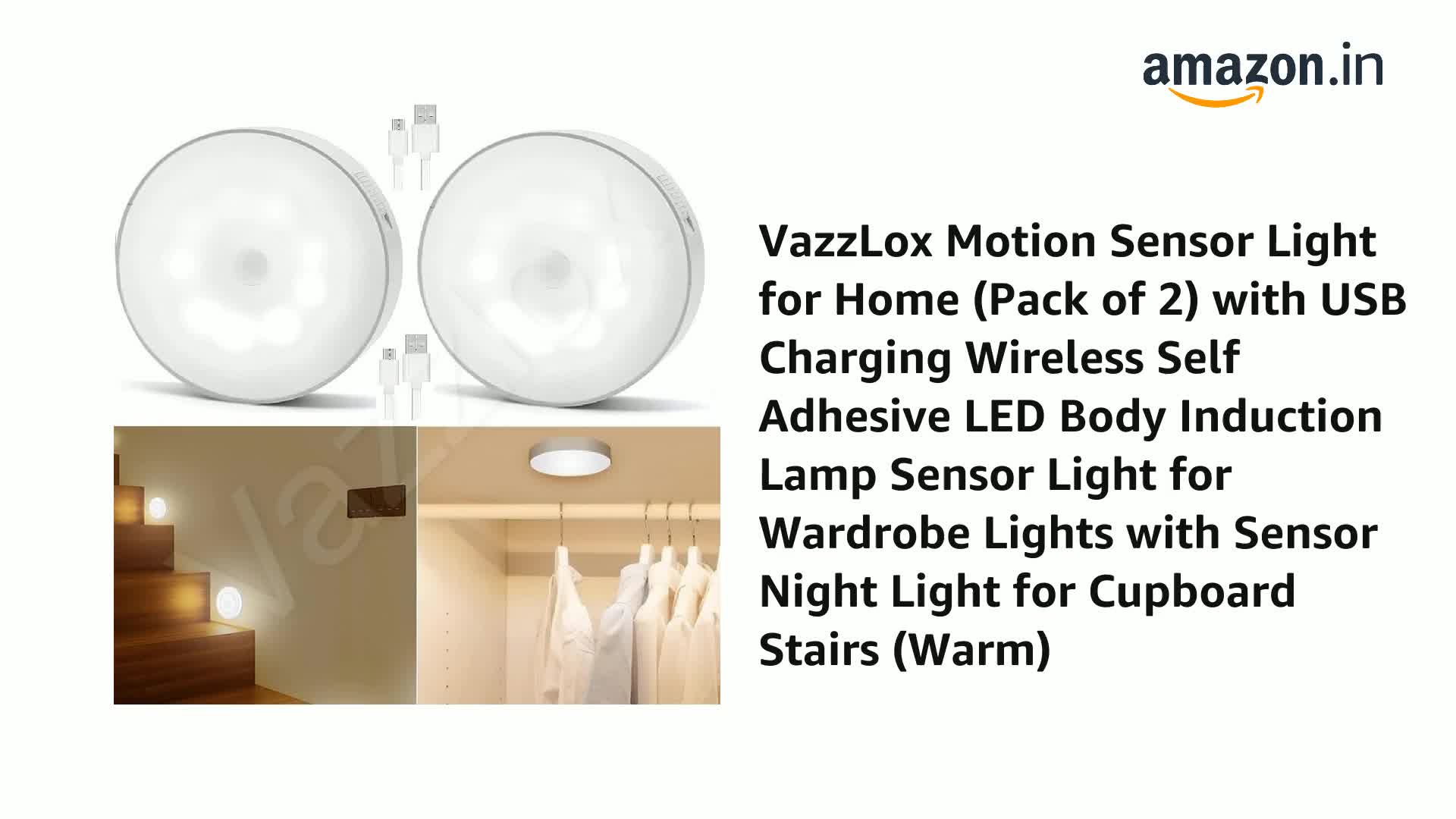
Credit: www.amazon.in
Installation Tips
Installing motion sensor lights correctly can make a big difference in their effectiveness and your overall satisfaction. Paying close attention to placement, wiring, and settings ensures the lights work exactly as you need them to. Let’s dive into some practical tips that can help you get the most out of your motion sensor lights.
Choosing The Right Location
Pick a spot where the sensor can cover the area you want to monitor without obstructions. Think about places where movement is most likely, like entryways, driveways, or backyards.
Avoid facing the sensor towards busy streets or trees that move in the wind, as this can trigger false alarms. I once installed a light facing a busy road, and it kept turning on unnecessarily—it was frustrating until I repositioned it.
Wiring And Power Options
Decide whether you want a wired or battery-operated sensor light. Wired lights provide steady power but require more installation work, while battery-operated ones offer flexibility but need regular battery changes.
If you choose wired, ensure the power source is easily accessible, and use waterproof connectors if the installation is outdoors. Always switch off the power at the breaker before starting any wiring to stay safe.
Adjusting Sensitivity And Range
Most motion sensor lights let you set how sensitive the sensor is and how far it detects movement. Test different levels to avoid the light turning on for small animals or distant movement.
Try walking through the sensor’s range after adjustments to make sure it triggers only when you want it to. Fine-tuning these settings saves energy and reduces annoying false triggers.
Common Issues And Fixes
Motion sensor lights often face common issues that affect their performance. Understanding these problems helps keep your lights working well. Simple fixes can restore proper function quickly.
False Triggers
False triggers happen when the light turns on without real motion. Causes include moving trees, pets, or passing cars. Bright sunlight or heat sources may also trigger sensors.
To fix false triggers:
- Adjust the sensor’s sensitivity to a lower setting.
- Change the sensor’s angle to avoid detecting unwanted areas.
- Trim nearby bushes or trees to reduce movement near the sensor.
- Install shields to block heat or light from triggering the sensor.
Sensor Malfunctions
Sensors may stop working due to wiring issues or damaged components. Faulty sensors can cause lights to stay on or not turn on at all.
Steps to fix sensor malfunctions:
- Check for loose or damaged wiring connections.
- Replace batteries if the sensor uses them.
- Reset the sensor by turning off power and turning it back on.
- Consider replacing the sensor if it remains unresponsive.
Maintenance Tips
Regular maintenance keeps motion sensor lights functioning well. Clean sensors and check settings often.
- Wipe the sensor lens with a soft cloth to remove dust.
- Inspect the sensor for cracks or damage.
- Test the sensor monthly to ensure proper operation.
- Keep the area around the sensor clear of obstructions.
Credit: www.ledlightingsupply.com
Future Trends In Motion Sensor Lighting
Motion sensor lighting is evolving rapidly, shaping how we experience safety, convenience, and energy savings. The future holds exciting developments that will make these systems smarter, more efficient, and better integrated into our daily lives. Let’s look at some key trends that could change how you interact with motion sensor lights.
Ai And Machine Learning Integration
Motion sensors will soon get smarter by using AI and machine learning. These technologies help lights learn your routine and adjust settings automatically, reducing false triggers and saving energy.
Imagine your lights recognizing the difference between a pet and a person, or adjusting brightness based on the time of day. This kind of intelligence means your system won’t just react—it will anticipate your needs.
Advanced Sensor Technologies
New sensors are becoming more sensitive and accurate. Technologies like infrared, ultrasonic, and microwave sensors are being combined to create more reliable detection.
This multi-sensor approach reduces errors and improves performance in different environments, such as outdoors with changing weather or indoors with pets moving around. You’ll get lights that respond exactly when needed.
Sustainability And Smart Cities
Motion sensor lighting is playing a bigger role in sustainability efforts and smart city projects. Efficient lighting reduces energy waste, and when connected to city systems, it can improve public safety and reduce costs.
What if streetlights dim when no one is around and brighten instantly when you walk by? This saves energy and enhances security. Your community might soon benefit from such smart, eco-friendly lighting solutions.
Credit: octiot.com
Frequently Asked Questions
How Do Motion Sensor Lights Detect Movement?
Motion sensor lights use infrared technology to detect heat from moving objects. When motion is sensed, the light automatically turns on. This helps save energy by only activating the light when needed. The sensors work best within a specific detection range and angle.
What Types Of Motion Sensors Are Used In Lights?
Common motion sensors include passive infrared (PIR), ultrasonic, and microwave sensors. PIR sensors detect body heat, ultrasonic use sound waves, and microwave sensors detect movement through radio waves. Each type suits different environments and sensitivity needs for effective lighting control.
Can Motion Sensor Lights Save Energy Effectively?
Yes, motion sensor lights significantly reduce energy consumption. They turn on only when movement is detected, avoiding unnecessary lighting. This targeted use lowers electricity bills and extends bulb lifespan. Proper placement and sensor adjustment maximize energy savings.
Where Should Motion Sensor Lights Be Installed?
Install motion sensor lights in entryways, driveways, garages, and dark outdoor areas. These locations benefit most from automatic lighting for security and convenience. Proper sensor positioning ensures optimal detection and lighting coverage for safety.
Conclusion
Motion sensor lights detect movement to switch on automatically. They use sensors like infrared or microwave to sense heat or motion. This helps save energy by lighting only when needed. Many people use them for safety and convenience at home.
Installing these lights is simple and cost-effective. They work day and night, making spaces safer and easier to navigate. Understanding how they function helps in choosing the right type. Motion sensor lights offer practical benefits for everyday use. A smart choice for energy saving and security.



