

Have you ever tried peeling a sticker off your wall, only to find a sticky, stubborn residue left behind? That sticky mess can be frustrating and tricky to remove without damaging your paint or wallpaper.
But don’t worry—you’re not alone, and there are simple ways to get that adhesive off quickly and safely. Keep reading, because you’ll discover easy, effective methods that will make your walls look clean and fresh again. Say goodbye to sticky spots and hello to smooth, spotless walls!
Credit: www.alibaba.com
Common Adhesives On Walls
Stickers are everywhere—from decorating your kid’s room to labeling storage boxes. But removing the sticky residue they leave behind on walls can be frustrating. Knowing the type of adhesive you’re dealing with can make a big difference in how you clean it off effectively without damaging your paint or wallpaper.
Types Of Sticker Adhesives
Sticker adhesives come in different forms, each with its own strength and behavior on surfaces.
- Rubber-based adhesives:These are common in household stickers and are tacky, making them easy to peel but often leaving residue behind.
- Acrylic adhesives:Known for their strong, permanent bond, these adhesives resist heat and moisture, which means they can be stubborn to remove.
- Silicone adhesives:Used in specialty or industrial stickers, they bond strongly but can sometimes be softened with specific solvents.
Understanding which type is on your wall helps you pick the right removal method.
How Adhesives Bond To Surfaces
Adhesives stick to walls through a process called adhesion, where the glue molecules attach to the wall’s surface molecules.
Factors like the wall’s texture, paint type, and cleanliness affect how firmly the adhesive sticks. For example, a smooth, glossy wall often holds adhesive more tightly than a textured or matte one.
Have you noticed that some stickers peel off cleanly while others leave a sticky mess? That difference comes down to how well the adhesive has bonded with the wall material and how long it has been stuck there.
Credit: www.aliexpress.com
Preparation Before Removal
Preparing to remove adhesive from walls is essential for a smooth process. It helps avoid damage and saves time. Proper preparation makes the removal easier and cleaner.
Start by setting up your workspace. Clear the area around the sticker to have enough room to work. Good lighting helps you see the adhesive clearly. Take a moment to check the wall type, as different walls may need different care.
Gathering Necessary Tools
Having the right tools ready is key. Common tools include:
- A plastic scraper or old credit card to lift adhesive gently.
- Warm water and mild soap to soften sticky residue.
- Soft cloths or sponges for cleaning and wiping.
- Adhesive remover or rubbing alcohol for tough spots.
- Gloves to protect your hands from chemicals.
Gather these items before starting to avoid interruptions during the removal.
Protecting Wall Surfaces
Protecting the wall prevents scratches and stains. Test any liquid cleaner on a small hidden spot first. This check helps avoid discoloration or damage.
Lay down a drop cloth or old towel on the floor to catch drips. Use painter’s tape around the sticker edges if needed. This tape stops cleaners from spreading to other wall parts.
Take your time and be gentle to keep your wall looking great.
Easy Home Remedies
Removing sticker adhesive from walls does not require harsh chemicals or expensive tools. Simple household items can do the job effectively. These easy home remedies help soften the sticky residue, making it easier to wipe away.
Choose the method that suits your wall type and available supplies. Each approach is gentle yet effective, preserving your wall’s paint and surface.
Using Warm Soapy Water
Warm soapy water is a gentle solution for sticky adhesive. Mix a few drops of dish soap with warm water in a bowl. Dip a soft cloth or sponge in the mixture and wring out excess liquid.
Press the damp cloth on the adhesive for a few minutes. This softens the glue, making it easier to rub off. Use gentle circular motions to remove the residue. Wipe the area with a clean damp cloth to remove soap traces.
Applying Vinegar Solutions
White vinegar dissolves adhesive residue quickly. Mix equal parts of white vinegar and water in a spray bottle. Spray the solution on the sticky spots and let it sit for 5 to 10 minutes.
Use a soft cloth to rub the adhesive gently. Repeat spraying and rubbing if needed. Vinegar works well on painted and non-porous surfaces. Clean the wall with a damp cloth afterward to remove any smell.
Rubbing Alcohol Techniques
Rubbing alcohol breaks down adhesive residues fast. Pour a small amount on a cotton ball or cloth. Dab the adhesive area carefully, avoiding paint damage.
Let the alcohol sit for a minute to dissolve the glue. Rub gently in a circular motion to lift the residue. Use a clean damp cloth to wipe the wall after removal. Test a small wall area first to ensure no discoloration.
Effective Commercial Products
Removing adhesive from walls requires gentle techniques to avoid damage. Using warm soapy water or rubbing alcohol softens the glue for easy peeling. Commercial adhesive removers work well but test a small area first to protect the paint.
Removing adhesive residue from stickers on walls can be a sticky situation, quite literally. While homemade solutions have their charm, sometimes you need the heavy hitters of the commercial world. Effective commercial products are designed to tackle stubborn adhesive residue without damaging your walls. Let’s explore some of these powerful solutions.Adhesive Removers
Adhesive removers are specialized products crafted to break down the glue left behind by stickers. These products are typically available in spray or liquid form. They’re formulated to be gentle on surfaces while being tough on adhesive residue. Using an adhesive remover is straightforward. Simply apply the remover to the affected area, let it sit for a few minutes, and then wipe away with a cloth. You might be surprised at how effortlessly the adhesive comes off.Goo Gone And Similar Solutions
Goo Gone is a popular choice among adhesive removers due to its versatility. Not only does it excel at removing sticker residue, but it’s also effective on other sticky situations like crayon marks or tree sap. To use Goo Gone, apply a small amount to the adhesive, wait a few minutes, and then gently scrub the area with a soft cloth. The results are often immediate and gratifying. Other similar solutions include products like WD-40 and commercial adhesive removers available at most hardware stores. Each has its own set of instructions, but they generally follow the same application process. Have you ever struggled to remove sticker residue only to find a product that makes it a breeze? Investing in a reliable adhesive remover can save you time and frustration. Why wrestle with a sticky mess when a simple solution is just a spray away?Physical Methods
Removing adhesive from walls can be simple with physical methods. These techniques do not use chemicals, making them safe for painted surfaces. They rely on basic tools and household items. You can try these methods before moving to liquids or solvents.
Scraping Gently
Use a plastic scraper or old credit card to lift the sticky residue. Hold the scraper at a low angle to avoid damaging the paint. Work slowly and carefully to peel off the adhesive. Avoid metal tools that can scratch the wall. If the adhesive resists, try softening it first with warmth.
Heat Application With Hair Dryer
Warm the adhesive with a hair dryer on medium heat. Keep the dryer a few inches away to prevent paint damage. Heat softens the glue, making it easier to remove. After a minute or two, try scraping gently. Repeat heating and scraping as needed. This method works well for stubborn stickers and labels.
Credit: www.familyhandyman.com
Preventing Wall Damage
Removing adhesive from walls can be tricky. The wrong approach may peel paint or damage the surface. Preventing wall damage is key to keeping your walls looking fresh after sticker removal. Careful steps protect your paint and wall texture. Use gentle methods to avoid scrapes or stains.
Choosing The Right Removal Method
Not all adhesives are the same. Some are soft and easy to wipe off. Others stick hard and need stronger solutions. Consider the wall type before you start. Painted walls need gentle care. Wallpaper or textured walls require special attention to avoid tears.
Common removal options include:
- Warm soapy water for light adhesives
- Rubbing alcohol or vinegar for tougher glue
- Commercial adhesive removers for stubborn spots
- Plastic scrapers to lift residue gently
Match the method to your wall and adhesive for best results.
Testing On Small Areas First
Always test removal solutions on a hidden spot first. This step avoids surprises like paint discoloration or peeling. Apply a small amount of cleaner, then wait a few minutes. Check if the wall’s color or texture changes. If damage appears, try a gentler method or stop.
Testing helps find the safest way to clean your wall. It saves time and prevents costly repairs. Patience here means a smooth, damage-free finish later.
Post-removal Cleanup
After removing stickers from walls, some sticky residue often remains. This residue can attract dust and dirt, making the wall look untidy. Cleaning this leftover adhesive is essential to restore the wall’s smooth and clean surface.
Post-removal cleanup helps prevent damage to the paint and prepares the wall for any touch-ups. Proper cleaning ensures the wall looks fresh and ready for decoration or repainting.
Wiping Residue
Use a soft cloth or sponge dampened with warm, soapy water. Gently rub the sticky area to dissolve the adhesive. Avoid scrubbing too hard to prevent paint damage.
For tougher residue, try rubbing alcohol or a commercial adhesive remover. Test the solution on a small hidden spot first. Wipe the area clean with a damp cloth after treatment.
Touching Up Paint
Check the wall for any paint damage after cleaning. Small scratches or discoloration may appear once the sticker and residue are gone.
Use matching wall paint to cover any marks or spots. Apply paint with a small brush in thin layers. Let the paint dry completely between coats.
Touch-ups help the wall look uniform and fresh. This step is important for walls in visible areas to maintain a neat appearance.
Tips For Future Sticker Use
Stickers add personality to your space, but their adhesive can be a headache when it’s time to remove them. Preventing sticky residue from damaging your walls starts with smart choices during sticker application. Paying attention to the kind of adhesive and how you place stickers can save you time and effort later on.
Using Removable Adhesives
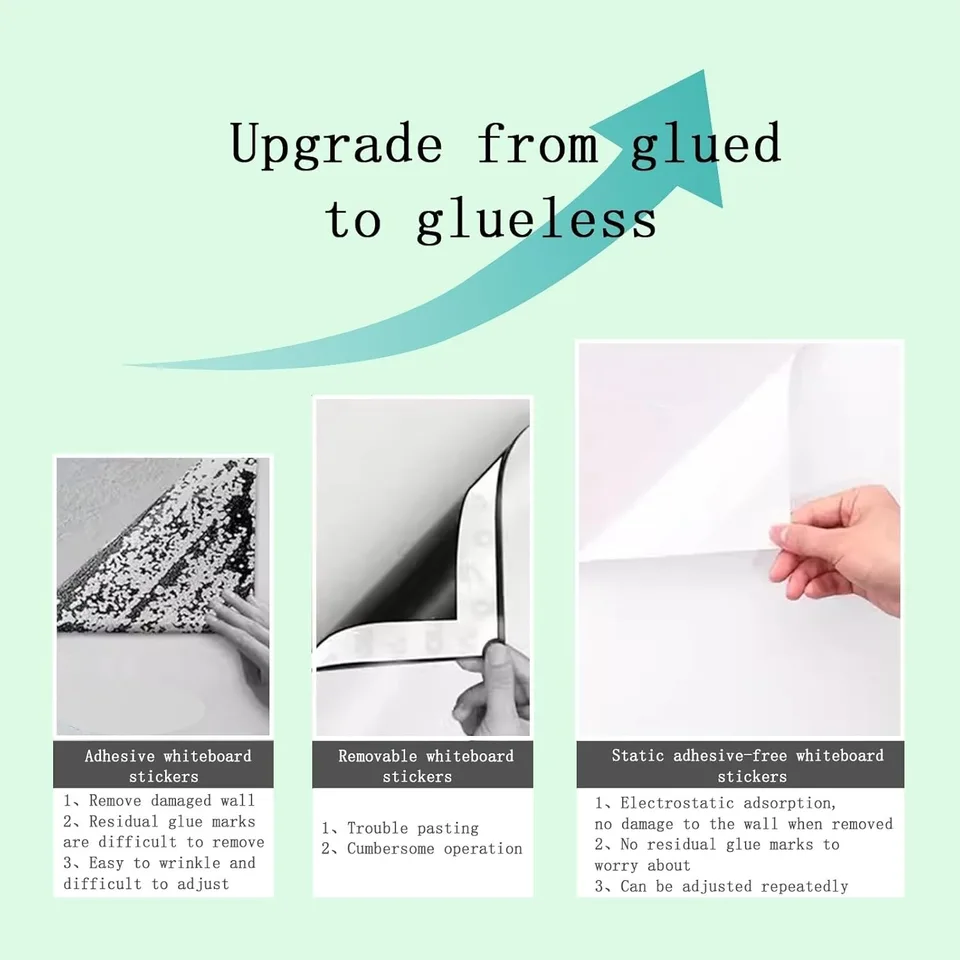
Choose stickers with removable adhesives to protect your walls. These adhesives are designed to peel off cleanly without leaving residue behind. You can find removable options in craft stores or online, often labeled as “removable” or “repositionable.”
Think about how long you want the sticker to stay. If you want to change your decor frequently, removable adhesives are your best friend. They let you swap designs without worrying about sticky marks or paint damage.
Have you ever struggled to peel off a stubborn sticker? Using removable adhesives can prevent this frustration by making removal smoother and faster. They also reduce the need for harsh chemicals or scrubbing, which can harm your wall’s finish.
Proper Application Techniques
Applying stickers properly can minimize adhesive problems later. Start by cleaning the wall surface with a damp cloth to remove dust and oils. This helps the sticker stick well without needing extra adhesive strength that’s hard to remove.
Press the sticker gently and evenly, avoiding air bubbles or wrinkles. Air pockets can cause the adhesive to stick unevenly, making removal tricky. Using a flat tool like a credit card to smooth the sticker can make a big difference.
Ask yourself: Are you placing stickers on delicate or painted walls? If yes, consider testing a small sticker patch first. This will show if the adhesive is too strong or if the surface might get damaged. Taking these small steps saves you from bigger problems down the road.
Frequently Asked Questions
How Can I Remove Sticker Adhesive From Walls Safely?
Use a mixture of warm water and mild soap to soften the adhesive. Gently scrub with a sponge or cloth. Avoid harsh chemicals to protect paint and wall surfaces.
What Household Items Remove Sticky Residue From Walls?
Common items like vinegar, baking soda, or rubbing alcohol effectively break down adhesive. Apply gently with a cloth, then wipe clean without damaging the wall.
Does Heat Help In Removing Sticker Glue From Walls?
Yes, using a hairdryer softens the adhesive, making it easier to peel off. Heat loosens the glue without harming most wall finishes.
Can Adhesive Removers Damage Painted Walls?
Some commercial adhesive removers contain harsh chemicals. Test a small area first to ensure no paint discoloration or damage occurs before full use.
Conclusion
Removing sticker adhesive from walls can be simple and quick. Use gentle methods first to protect your paint. Warm soapy water or a hairdryer often work well. For tougher spots, try rubbing alcohol or oil carefully. Always test a small area before applying any product.
Take your time and be patient with the process. Clean walls look fresh and neat again. Stickers don’t have to leave a mess behind. With the right approach, walls stay smooth and clean.



