
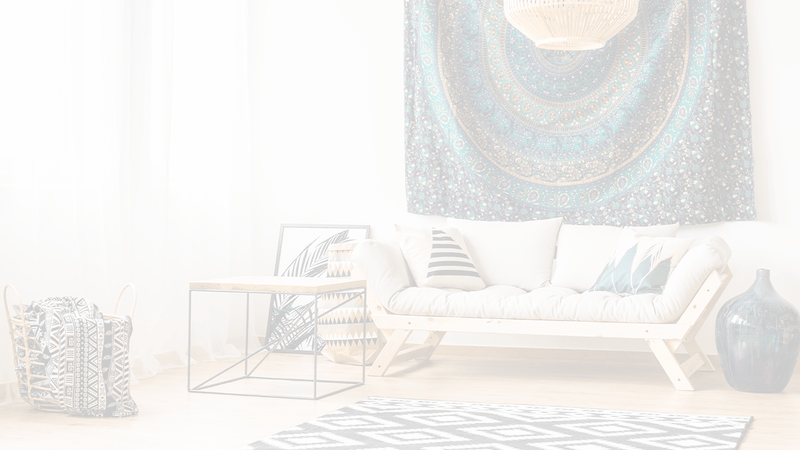
Are you looking to add a splash of color and personality to your space? Hanging a tapestry on your wall is one of the easiest and most stylish ways to do just that.
But how do you hang a tapestry without damaging your walls or leaving it looking crooked? Whether you want a bold centerpiece or a cozy backdrop, this guide will show you simple, effective methods to hang your tapestry perfectly every time.
Keep reading, and you’ll discover easy tips that make your walls come alive—no hassle, no guesswork.
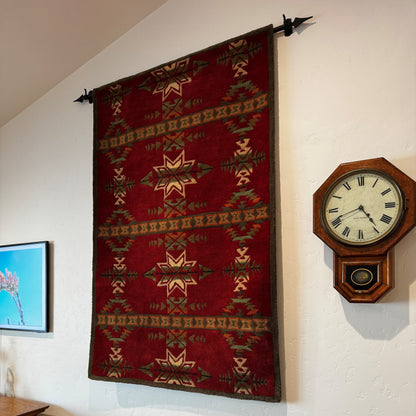
Credit: ironhardware.com
Choose The Right Spot
Choosing the right spot to hang your tapestry can completely change how your space feels. It’s more than just picking a wall; it’s about thinking through how the tapestry interacts with the room’s layout and light. Finding the perfect place ensures your tapestry shines as a centerpiece without clashing with other elements.
Consider Wall Space And Lighting
Look for a wall that has enough empty space to let your tapestry stand out. Crowding it between furniture or on a cluttered wall can make it lose impact. You want your tapestry to be the focal point, so clear, open areas work best.
Natural light can enhance the colors and textures of your tapestry. Position it where sunlight can hit gently without fading the fabric over time. If natural light isn’t an option, think about adding a soft spotlight to highlight your tapestry’s details.
Avoid High Traffic Areas
Hanging your tapestry in a busy hallway or near doorways can lead to accidental damage. Constant brushing or bumping might cause the fabric to wear out quickly. Instead, choose a spot where it won’t get jostled but can still be admired easily.
Think about how often people pass by and interact with the space. Would your tapestry be safe from pets, kids, or heavy foot traffic? Protecting your wall art means it will look fresh and vibrant for years.
Credit: www.etsy.com
Select Hanging Tools
Selecting the right tools to hang your tapestry can make all the difference in how it looks and how easy it is to install. The choice depends on your wall type, tapestry weight, and whether you want a permanent or temporary display. Let’s break down some practical options that work well for most situations.
Use Hooks, Nails, Or Clips
Hooks, nails, and clips are classic choices for hanging tapestries. They provide strong support, especially for heavier fabrics, and can be adjusted easily if you want to reposition your tapestry.
If you have drywall, simple picture hooks or small nails will hold your tapestry securely without damaging the wall too much. For heavier tapestries, consider using wall anchors or larger hooks to prevent slipping.
Clips offer a flexible alternative—you can clip the tapestry to a wire or string stretched across the wall. This method is great if you want to swap out tapestries often or avoid putting multiple holes in the wall.
Try Adhesive Strips Or Velcro
Adhesive strips and Velcro are perfect if you want to avoid nails or hooks, especially in rental spaces. They stick directly to the wall and hold lightweight tapestries firmly without leaving marks.
Look for heavy-duty adhesive strips designed for fabric; these can support a decent amount of weight and are easy to remove. Velcro tape allows you to detach and reattach your tapestry quickly, which is handy for cleaning or changing décor.
Have you ever struggled with wall damage after removing hooks? Adhesive options can save you that hassle while still keeping your tapestry beautifully displayed.
Prepare The Tapestry
Choose a clean, flat wall free of dust and nails before hanging your tapestry. Lay it out on a soft surface to smooth wrinkles and check its size. This preparation helps the tapestry hang straight and look its best.
Before hanging your tapestry, proper preparation is essential. Ensuring your tapestry looks its best on the wall requires a few steps. This process not only enhances its appearance but also prolongs its life. Let’s explore how you can prepare your tapestry effectively.Iron Or Steam Wrinkles
Wrinkles can spoil the tapestry’s look. Iron them out or use a steamer. Choose the right temperature to avoid damage. If using an iron, place a cloth between the iron and tapestry. This method keeps the fabric safe. For steamers, hold the device a few inches away. Gently move over wrinkled areas until smooth. Ensure the tapestry dries completely before hanging.Attach A Rod Pocket Or Loops
Consider adding a rod pocket for easy hanging. Sew a fabric tube along the top edge. A rod slides through this tube. Alternatively, attach loops for hanging. Space them evenly across the top. Both methods make hanging simple and secure. They also help distribute the weight evenly. This prevents sagging and enhances the display.Measure And Mark
Measuring and marking your wall before hanging a tapestry is crucial to achieving a polished look. Skipping this step can lead to crooked or uneven placement, which can distract from your tapestry’s beauty. Taking a few extra minutes to plan your hanging spot will save you frustration and nail holes later.
Determine Hanging Height
Think about where you want your tapestry to sit on the wall. Do you want it to be eye-level, or do you prefer it higher near the ceiling for a dramatic effect? A good rule of thumb is to position the center of the tapestry at eye level, roughly 57 to 60 inches from the floor.
Consider the room’s purpose. In a cozy reading nook, you might want it lower to create an intimate atmosphere. In larger spaces like living rooms, higher placement can make the tapestry stand out as a focal piece.
Use A Level For Accuracy
Once you pick the height, mark the wall lightly with a pencil where the top corners of the tapestry will go. Then, use a level to check if these marks line up perfectly horizontally. This step prevents the tapestry from hanging askew, which is surprisingly common.
If you don’t have a level, a smartphone app can do the trick. Double-checking your marks before hammering in nails or hooks will save you from redoing the job. How often have you hung something only to step back and notice it’s slightly tilted?
Install Hardware
Installing hardware is a key step in hanging a tapestry. It ensures your tapestry stays put and looks great on your wall. Choosing the right hardware and placing it carefully will keep the tapestry secure. Take time to prepare the wall and select hooks or nails that fit the weight of your tapestry. This process helps avoid damage to both the wall and the fabric.
Place Hooks Or Nails Securely
Find the perfect spot on your wall for the tapestry. Use a pencil to mark where the hooks or nails will go. Make sure these marks are level to keep the tapestry straight. Choose hooks or nails that can hold the tapestry’s weight. Push or hammer them firmly into the wall. Avoid loose or weak spots that might cause the tapestry to fall.
Check Stability
After placing the hardware, test its strength gently. Pull lightly on the hooks or nails to see if they hold well. Adjust or replace any hardware that feels loose or weak. Make sure the tapestry hangs flat and does not tilt. Checking stability prevents accidents and keeps your tapestry looking neat over time.
Hang The Tapestry
Hang the tapestry carefully to ensure it becomes a stunning focal point on your wall. This part requires a bit of patience and attention to detail. The way you position and secure the tapestry can make all the difference in how it looks and lasts over time.
Align And Adjust
Start by holding the tapestry up against the wall to check its position. Use a level or tape measure to make sure it’s straight and centered where you want it. Small adjustments now will save frustration later when the tapestry is fully hung.
If you’re using push pins, nails, or adhesive hooks, place them at the corners first. Then, add supports along the edges if the tapestry is large. This prevents sagging and keeps the fabric taut.
Think about the lighting and furniture placement around it. Does the tapestry draw attention to the right spot? Adjust until it feels balanced with the room’s layout.
Smooth Out Wrinkles
Wrinkles can distract from your tapestry’s design. After hanging, gently smooth the fabric with your hands, starting from the center and moving outward. This helps the tapestry lay flat against the wall.
If wrinkles persist, try lightly steaming the fabric or using a handheld garment steamer. Avoid ironing directly on the tapestry to prevent damage.
Have you noticed how a well-smoothed tapestry immediately elevates a space? It’s a simple step that makes your wall art look polished and intentional.
Alternative Display Methods
Alternative display methods offer creative ways to showcase your tapestry. They protect the fabric and add style to your room. These options work well for delicate or large tapestries. They also make hanging easier and more flexible.
Frame The Tapestry
Framing a tapestry gives it a polished, art-like look. Use a large frame that fits the tapestry size. Stretch the fabric gently to avoid wrinkles. Secure it on a backing board before framing. This method keeps the tapestry clean and flat. It also makes the tapestry easier to hang like a picture. Choose a frame color that matches your room decor. This option works well for smaller or medium-sized tapestries.
Use A Curtain Rod
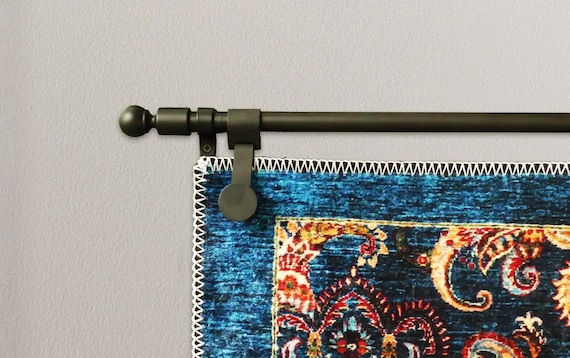
Hanging a tapestry on a curtain rod adds a soft, flowing effect. Sew or attach a fabric sleeve on the top edge of the tapestry. Slide the rod through the sleeve and mount it on wall brackets. This method lets you easily remove or change the tapestry. It also prevents damage from pins or nails. Curtain rods come in many designs to fit your style. This way suits tapestries with a suitable width for rods. It creates a casual, decorative look for living rooms or bedrooms.

Credit: aboderie.co.uk
Care And Maintenance
Keeping your tapestry looking fresh and vibrant requires some care and attention. Proper maintenance not only preserves its colors but also extends its life on your wall. Let’s look at simple ways to clean and protect your tapestry so it stays a beautiful focal point in your space.
Regular Cleaning Tips
Dust and dirt can dull the colors of your tapestry over time. Use a soft brush or a vacuum cleaner with a brush attachment to gently remove surface dust weekly. Avoid harsh scrubbing to prevent damage to the fibers.
If your tapestry needs a deeper clean, hand wash it with cold water and mild detergent. Never wring it out; instead, lay it flat on a clean towel to air dry. Spot cleaning with a damp cloth works well for small stains without risking the whole piece.
Protect From Sun Damage
Sunlight can fade the rich hues of your tapestry quickly. Position your tapestry away from direct sunlight or use UV-protective window films to reduce exposure. Have you noticed how some fabrics lose their charm after being in the sun too long? This is exactly why shielding your tapestry matters.
Rotating your tapestry occasionally can also help even out any light exposure. If your room gets a lot of natural light, consider using curtains or blinds during peak sun hours to keep your tapestry vibrant and fresh.
Frequently Asked Questions
How Do You Hang A Tapestry Without Damaging Walls?
Use removable adhesive hooks or strips designed for tapestries. They hold fabric firmly without leaving marks or holes on walls.
What Tools Do I Need To Hang A Tapestry?
You need hooks, nails, a hammer, or adhesive strips. A measuring tape helps ensure your tapestry is centered and level.
Can I Hang A Tapestry On Drywall Safely?
Yes, use drywall anchors or adhesive hooks. Avoid heavy tapestries without anchors to prevent wall damage or falling.
How High Should I Hang A Tapestry On The Wall?
Hang it at eye level or slightly above furniture. This placement enhances room aesthetics and showcases your tapestry effectively.
Conclusion
Hanging a tapestry can change any room’s look quickly. Choose the right method for your wall type and tapestry size. Use simple tools like nails, hooks, or adhesive strips. Make sure the tapestry hangs flat and straight. Adjust it if needed to avoid wrinkles or sagging.
Enjoy your new wall art and the cozy feeling it brings. With a bit of care, your tapestry will stay beautiful for a long time. Give your space a fresh, personal touch easily.



