
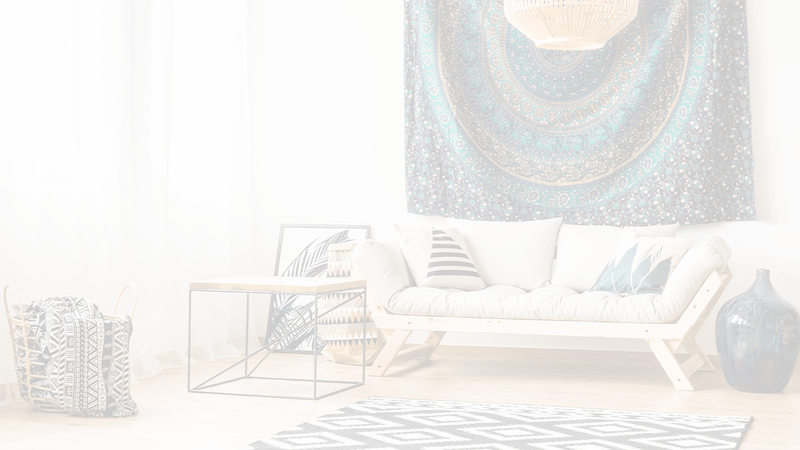
Are you ready to transform your space with a beautiful tapestry but not sure how to hang it without damaging your walls? You’re in the right place.
Putting up a tapestry might seem tricky, but with the right steps, it’s easier than you think. Imagine your room instantly gaining warmth, color, and personality—all from one simple addition. Keep reading, and you’ll discover the best methods to hang your tapestry safely and stylishly, making your space truly yours.

Credit: www.youtube.com
Choosing The Right Tapestry
Choosing the right tapestry sets the foundation for a beautiful space. It affects the room’s mood and style. A well-chosen tapestry brings warmth and personality. Consider important factors before making your choice. Focus on material, size, design, and color for the best results.
Material And Size
Material impacts the tapestry’s look and feel. Cotton offers a soft texture and is easy to clean. Polyester lasts long and resists wrinkles. Wool adds warmth and a cozy vibe but can be heavy.
Size matters. Large tapestries create bold statements. Small tapestries work well as accents. Measure your wall space. Choose a size that fits without overwhelming the room.
Design And Theme
The design sets the room’s tone. Traditional patterns add a classic touch. Modern designs bring a fresh, trendy look. Nature themes create calm and peace. Abstract art introduces creativity and fun.
Pick a theme that matches your room’s purpose. A bedroom might need soothing patterns. A living room can handle vibrant, energetic designs.
Color Coordination
Colors influence mood and harmony. Choose colors that blend with your furniture and walls. Neutral colors offer flexibility and calm. Bright colors add energy and focus.
Use a simple color palette. Two or three main colors keep the space balanced. Consider the natural light in the room. Light affects how colors appear on the tapestry.
Preparing Your Wall
Preparing your wall is a key step before hanging a tapestry. A clean, well-measured, and thoughtfully chosen space ensures your tapestry looks its best. Taking time now saves effort later and keeps your wall damage-free.
Cleaning The Surface
Start by wiping the wall with a damp cloth. Remove dust, dirt, and grease spots. Use mild soap if needed. Let the wall dry completely. A clean wall helps tape or hooks stick better. It also prevents stains on your tapestry.
Measuring And Marking
Measure the tapestry’s width and height carefully. Use a tape measure for accuracy. Mark the wall lightly with a pencil. Mark where the top corners will go. Check the marks with a level. This keeps your tapestry straight and balanced.
Selecting The Placement
Choose a spot with good lighting but no direct sunlight. Sunlight can fade colors over time. Pick a wall that is visible and fits the room’s style. Avoid places with high moisture like bathrooms. Make sure the wall space is large enough for the tapestry.
Mounting Methods
Use nails or push pins to hang a tapestry securely on a wall. Alternatively, attach a wooden dowel or rod to keep it straight and wrinkle-free. Tape or adhesive strips work well for lighter fabrics without damaging surfaces.
Mounting a tapestry can transform a space. Choosing the right method ensures it hangs beautifully. Different options suit various wall types and personal preferences. Here are some popular ways to mount your tapestry.Using Nails And Pushpins
This method is simple and effective. Use small nails or pushpins for lighter tapestries. Position them at the corners to distribute weight evenly. Ensure they are securely placed in the wall. This prevents the tapestry from sagging or falling.Adhesive Hooks And Strips
Adhesive hooks and strips offer a no-drill option. These are ideal for renters or delicate walls. Simply peel and stick the adhesive to the wall. Attach hooks or strips to hold the tapestry. Ensure the wall is clean for better adhesion.Tapestry Rods And Clips
Tapestry rods offer a classic look. Slide the rod through the tapestry’s top pocket. Secure the rod to the wall with brackets. Clips can also be used to hang tapestries without pockets. This method adds a touch of elegance to any room.Velcro And Sewing Options
Velcro strips are versatile for hanging tapestries. Sew one side of Velcro onto the tapestry’s back. Attach the other side to the wall. This method allows easy removal and repositioning. Sewing loops onto the tapestry is another option. These loops can hang directly from hooks or rods.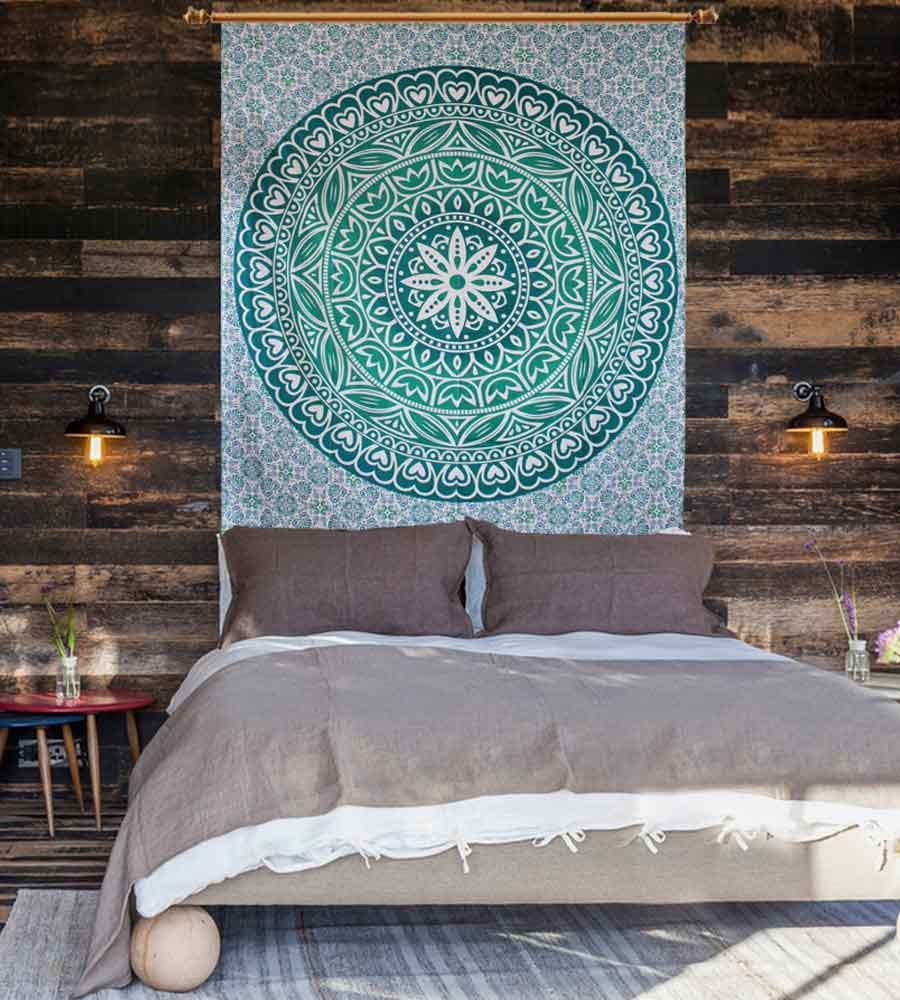
Credit: medium.com
Step-by-step Hanging Process
Hanging a tapestry can instantly transform any room, but getting it just right takes more than a quick nail in the wall. The process involves careful preparation and attention to detail to ensure your tapestry looks smooth, secure, and stunning. Let’s walk through a clear process that makes hanging your tapestry straightforward and satisfying.
Gathering Materials
Before you start, collect all the tools you’ll need in one place. This typically includes:
- Measuring tape or ruler
- Level or a smartphone app with a leveling feature
- Push pins, nails, or adhesive hooks (depending on your wall type)
- A hammer or other appropriate tools for your hanging method
- A soft cloth or brush to clean the wall surface
Having everything ready prevents interruptions. I once started hanging a tapestry and realized halfway through that I forgot the level—wasting time and patience.
Aligning The Tapestry
Start by deciding exactly where you want the tapestry. Use your measuring tape to find the center point on the wall and mark it lightly with a pencil.
Hold the tapestry up and check its alignment using a level. Adjust until the top edge is perfectly straight. This step saves you from a crooked display that you’ll notice every day.
Securing The Edges
Depending on the tapestry’s weight and fabric, choose the best way to secure it. Lightweight tapestries can be held up with push pins at the corners and midpoints.
For heavier pieces, small nails or adhesive hooks placed evenly along the top edge offer better support. Don’t forget to check if your wall can handle nails or if you need to use damage-free hooks.
Adjusting For Wrinkles
Wrinkles can distract from your tapestry’s beauty. Smooth out any creases by gently pulling the fabric at the edges while the tapestry is hanging.
If wrinkles persist, lightly steaming the tapestry off the wall can help. Just be cautious with delicate fabrics and test a small area first. How much effort you put into this step can make a noticeable difference in your room’s overall look.
Maintaining Your Tapestry
Keeping your tapestry looking fresh and vibrant takes some care, but it’s worth the effort. Proper maintenance ensures your tapestry stays a beautiful part of your space for years. Let’s look at practical ways to protect and care for it.
Cleaning Tips
Dust your tapestry regularly using a soft brush or a vacuum cleaner with a gentle upholstery attachment. This prevents dirt buildup without damaging the fibers.
If you notice stains, spot clean with a mild detergent and cold water. Dab gently—never rub—to avoid spreading the stain or harming the fabric.
For deep cleaning, check the label or manufacturer’s instructions. Some tapestries can be hand washed, while others need professional cleaning. Have you ever tried cleaning a tapestry only to see colors bleed? Testing a small hidden area first can save you from surprises.
Avoiding Sun Damage
Direct sunlight can fade your tapestry’s colors and weaken fibers over time. Place your tapestry away from windows or use UV-protective window films to reduce exposure.
If you love natural light, rotate your tapestry periodically to ensure even wear and fading. This simple step can extend its life without changing your room’s style.
Storage Suggestions
When you need to store your tapestry, roll it rather than folding it. Folding can create creases that are tough to remove and may weaken fibers along the folds.
Wrap the rolled tapestry in acid-free tissue paper or a cotton sheet to protect it from dust and moisture. Store it in a cool, dry place away from pests.
Have you ever pulled out a stored fabric only to find it damaged by moths or mildew? Taking these storage precautions can save your tapestry from unexpected harm.

Credit: dedeso.sk
Creative Display Ideas
Putting up a tapestry offers more than just covering a wall—it’s a chance to express your style in unique ways. Creative display ideas can transform your tapestry from a simple decoration into a captivating piece of art. Let’s look at some practical and fresh ways to make your tapestry stand out.
Layering With Other Wall Art
Think beyond hanging your tapestry alone. Layer it with framed photos, mirrors, or smaller art pieces to create a dynamic wall display. This approach adds depth and interest, making your space feel curated and personal.
Try overlapping a tapestry with a metal wall sculpture or placing smaller canvases around its edges. You can also use shelves to hold plants or books that complement the tapestry’s colors. How could you mix textures and shapes to highlight your tapestry?
Creating A Focal Point
Use your tapestry as the star of the room. Place it where it naturally draws attention, like above a sofa, bed, or fireplace. This helps anchor the space and gives you a clear design focus.
Choose a tapestry with bold colors or patterns to instantly catch the eye. Pair it with simple, neutral furniture to let the tapestry shine. What piece in your room could benefit from a new focal point?
Using Lighting To Enhance
Lighting can completely change how your tapestry looks. Use spotlights or track lighting to highlight its details and colors. Soft, warm lights can create a cozy mood, while brighter lights bring out vivid hues.
Consider adding LED strips behind the tapestry for a glowing effect or place a floor lamp nearby to emphasize texture. Experiment with different angles to see what makes your tapestry pop. How might changing your lighting reveal new aspects of your tapestry?
Frequently Asked Questions
How Do I Hang A Tapestry Without Damaging Walls?
Use adhesive hooks or removable strips designed for wall hangings. These options hold tapestries firmly and prevent wall damage. Avoid nails or screws if you want to keep walls intact. Always check the weight limit of adhesive products before hanging your tapestry.
What Materials Work Best For Tapestry Hanging?
Wooden dowels, curtain rods, or metal rods are ideal for hanging tapestries. These materials provide strong support and maintain the tapestry’s shape. Choose a rod slightly wider than the tapestry for even display. Secure the rod with wall hooks or brackets for stability.
Can I Use Nails To Hang A Tapestry Safely?
Yes, but use small nails or picture hooks to minimize wall damage. Place nails at the tapestry’s corners or edges for even weight distribution. Pre-drill holes if necessary to avoid cracking walls. Consider wall type before using nails to ensure safety.
How Do I Prevent Tapestry Wrinkles When Hanging?
Iron or steam your tapestry before hanging to remove wrinkles. Use a low heat setting to avoid fabric damage. Hanging the tapestry straight and taut also helps keep it wrinkle-free. Regularly adjust the tapestry to maintain a smooth appearance.
Conclusion
Putting up a tapestry can brighten any room quickly. Choose a spot with enough space and light. Use simple tools like nails or hooks for hanging. Make sure the tapestry stays flat and smooth. Take your time to align it properly.
Enjoy the new look and cozy feel it brings. Small changes can make a big difference in your space. Keep your tapestry clean and check it often. This easy project adds personality to your home. Give it a try and see the change yourself.



