
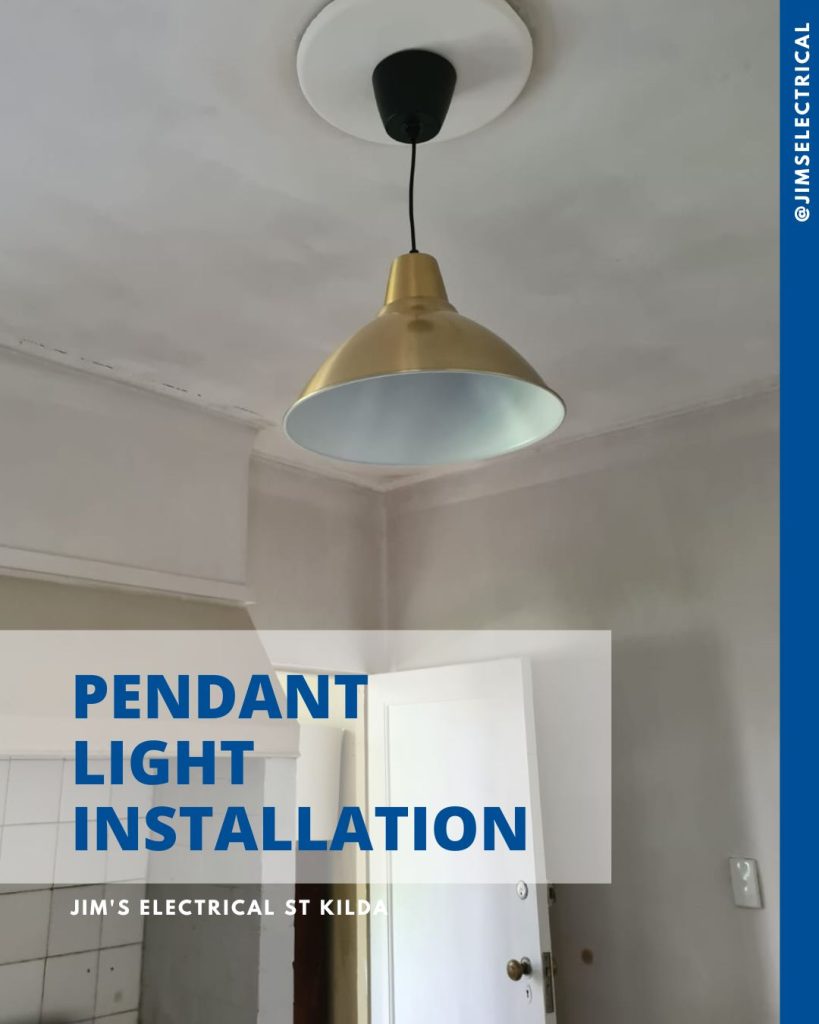
Are you ready to give your space a fresh, stylish upgrade? Installing a pendant light is one of the easiest ways to add charm and personality to any room.
But if you’ve never done it before, the thought of wiring and mounting might feel overwhelming. Don’t worry—this guide will walk you through every step, making the process simple and safe. By the end, you’ll have a beautiful new light fixture that transforms your home.
Keep reading to discover how you can install a pendant light like a pro, even if you’re a beginner!
Choosing The Right Pendant Light
Choosing the right pendant light shapes the look and feel of your space. It sets the mood and adds character. The right choice balances style, size, and function. Consider where you want to place it and what it should do. These points help you pick a pendant light that fits perfectly.
Picking The Style And Size
Style matters. Match the pendant with your room’s design. Modern rooms suit sleek, simple lights. Rustic rooms call for warm, textured fixtures. Size is key. A large pendant can overwhelm a small room. Small pendants might get lost in big spaces. Measure the area before buying. Think about the height too. The light should hang at eye level for the best look.
Considering The Room’s Purpose
Different rooms need different lighting. Kitchens need bright, focused lights over counters. Dining rooms benefit from soft, warm lights over tables. Bedrooms work well with gentle, cozy lighting. Think about what you do in the room. Choose a pendant light that helps with those activities. It should add comfort and style.
Checking Electrical Requirements
Safety first. Know your room’s electrical setup. Check the ceiling box where the light will hang. It must support the weight of the pendant. Confirm the voltage matches the pendant light’s needs. Use a tester to ensure power is off before installation. If unsure, call an electrician. Proper wiring keeps your home safe and your light working well.
Gathering Tools And Materials
Before you start installing a pendant light, gathering the right tools and materials is crucial. Having everything prepared saves time and avoids frustrating interruptions. It also helps you work more safely and efficiently.
Essential Tools Checklist
Make sure you have these tools on hand before you begin:
- Screwdriver set– both flathead and Phillips for different screws.
- Wire stripper– to remove insulation from the wires cleanly.
- Voltage tester– to confirm the power is off before touching wires.
- Drill and bits– for making holes if needed to mount the fixture.
- Measuring tape– to position the pendant light at the right height.
- Wire nuts– for safely connecting wires.
- Ladder or step stool– to reach your ceiling comfortably.
Having these tools ready means you won’t be scrambling mid-installation. Think about where you’ll place your tools so they’re easily accessible but won’t get in the way.
Safety Gear To Use
Safety must come first. You should always protect yourself when working with electrical fixtures.
- Insulated gloves– protect your hands from electric shocks.
- Safety goggles– shield your eyes from dust or debris.
- Non-slip shoes– avoid slipping when working on ladders or hard surfaces.
- Dust mask– if you’re drilling into ceilings that might release dust.
Have you ever underestimated safety gear and regretted it? Taking these precautions can prevent serious accidents and keep your project smooth.
Preparing The Installation Area
Ensure the area is clear and safe for work. Turn off the electricity at the breaker. Mark the spot for the pendant light, ensuring it aligns with your room’s aesthetics and function.
Installing a pendant light can transform the ambiance of any room, adding style and character. Before diving into the installation, preparing the area is crucial to ensure safety and efficiency. Proper preparation can save you time and prevent potential mishaps.Turning Off Power Safely
Safety should always be your top priority. Begin by turning off the power to the area where you will be working. Locate the appropriate circuit breaker in your electrical panel and switch it off. Double-check that the power is off by testing the switch or outlet with a voltage tester. This step ensures you’re not working with live wires, which can be dangerous.Removing Existing Fixtures
Once the power is safely off, it’s time to remove any existing fixtures. Carefully unscrew and detach the old light fixture from the ceiling. As you take it down, make note of how it was mounted and how the wiring is connected. This information will be helpful when installing your new pendant light. Keep a small container nearby to store screws and small parts, preventing them from getting lost.Inspecting Wiring And Mounting Points
Before installing your new pendant light, inspect the wiring and mounting points. Check for any frayed or damaged wires that may need replacement. Ensure the mounting bracket is secure and can support the weight of the new fixture. If the existing wiring looks outdated or damaged, consider consulting a professional electrician for repairs. This step ensures your new light is installed safely and will function properly for years to come. Isn’t it satisfying to know that a little preparation can make a big difference in your DIY projects? These steps not only enhance safety but also make the installation process smoother. Are you ready to bring new light into your home?Installing The Mounting Bracket
Installing the mounting bracket is a crucial step for a safe pendant light setup. This bracket holds the light fixture firmly to the ceiling. Proper installation prevents wobbling or falling. It also ensures the electrical box is well supported. Take time to do this step carefully.
Locating Ceiling Joists
Ceiling joists provide strong support for the mounting bracket. Use a stud finder to locate these joists behind the ceiling. Move the finder slowly across the ceiling surface. Mark the edges of the joist with a pencil. The center between these marks is the joist’s middle. Align the bracket with this spot for best support.
Securing The Bracket Firmly
Use screws that fit the bracket and joist size. Hold the bracket against the ceiling at the marked spot. Drill pilot holes to avoid splitting the wood. Screw the bracket tightly into the joist. Check that it does not move or wiggle. A firm bracket keeps the pendant light steady and safe.
Wiring The Pendant Light
Wiring a pendant light is a crucial part of the installation process that demands your full attention. Getting the wiring right ensures your fixture works safely and efficiently. Let’s break down the key steps to help you handle this task confidently and avoid common pitfalls.
Matching Wire Colors
Identifying the correct wires is the first step in safe wiring. Typically, black or red wires carry the power, white wires are neutral, and green or bare copper wires are ground. Your pendant light usually follows this color scheme too.
Make sure you match each wire from the pendant light with the corresponding wire in your ceiling. Mixing these up can cause short circuits or make the light fail to work. Have you ever tried to guess wire colors without checking? It’s risky and often leads to frustrating results.
Using Wire Connectors
Once you’ve matched the wires, connect them securely with wire connectors, also known as wire nuts. These connectors twist onto the exposed wire ends to hold them together and prevent accidental contact. Choose the right size: too small, and the wires won’t hold; too large, and the connection might be loose.
It’s a good idea to give each wire a gentle tug after twisting on the connector. If it slips out, re-twist and try a larger connector. Loose connections are a common cause of flickering lights and electrical hazards.
Double-checking Connections
Before you finalize the installation, double-check every connection. Look for exposed wires, ensure the wire connectors are tight, and confirm the ground wire is attached properly. Safety isn’t just about following steps; it’s about verifying each one.
Have you ever ignored a quick re-check and faced a malfunction later? Taking an extra moment now can save you from rewiring headaches and potential electrical risks.
Mounting The Pendant Light
Mounting the pendant light is a crucial part of the installation process. This step ensures your light hangs securely and looks exactly how you want it. Pay close attention to the details here, as a stable fixture makes all the difference in both safety and style.
Attaching The Fixture To Bracket
Start by aligning the pendant light’s mounting bracket with the electrical box on your ceiling. Use the screws provided to secure the bracket firmly in place. Make sure the bracket is tight; a loose bracket can cause your pendant to swing or fall.
Next, connect the wires from the pendant light to the wires in your ceiling. Match the colors—usually black to black, white to white, and green or copper to the ground wire. Twist wire nuts onto each connection and tuck the wires neatly into the electrical box.
Finally, attach the pendant fixture to the bracket. This usually involves screwing the fixture’s base or canopy onto the bracket. Check that it sits flush against the ceiling with no gaps.
Adjusting The Height And Position
Before fully tightening the fixture, adjust the length of the pendant cord or chain to get your desired height. Think about the room’s purpose—do you want the light closer for task lighting or higher for ambient glow? This step lets you customize the look and function of your pendant.
Once the height feels right, ensure the pendant hangs straight. Sometimes cords can twist or shift during installation, so straighten it out. A well-positioned pendant enhances your room’s balance and visual appeal.
Have you noticed how a slight height adjustment can change the whole vibe of a room? Don’t rush this part; take your time and step back to view your work from different angles. Your patience pays off in a perfectly mounted pendant light.
Testing And Final Touches
After securing your pendant light in place, the final stage is all about making sure it works perfectly and looks great. Testing and final touches are key to ensure safety and enhance the overall appearance. This phase helps you catch any issues early and gives your installation a polished, professional finish.
Restoring Power And Testing Light
Before turning on the power, double-check all connections to ensure they are tight and secure. Once confident, restore power from your circuit breaker. Then, switch on the pendant light to see if it illuminates properly without flickering or buzzing.
If the light doesn’t turn on, recheck your wiring and connections. Sometimes a loose wire or incorrect connection is the culprit. Have you ever found a tiny mistake that caused a big delay? It’s a common experience, so patience is key.
Adding Bulbs And Shades
Choose bulbs that match the recommended wattage and style for your pendant. LED bulbs are a great choice for energy efficiency and long life. Carefully screw in the bulbs to avoid damaging the sockets.
Next, attach any shades or covers that came with your fixture. These add character and can soften the light to create a warm atmosphere. Don’t rush this step—making sure everything fits snugly prevents future wobbling or damage.
Cleaning And Polishing
After installation, your pendant light may have fingerprints or dust. Use a soft cloth to gently clean the fixture and remove smudges. Avoid harsh chemicals that could damage the finish.
Polishing metal or glass parts enhances the light’s shine and highlights your hard work. How often do you take a moment to appreciate small details like these? A clean and polished light instantly elevates your room’s look.

Credit: 100things2do.ca
Troubleshooting Common Issues
Installing a pendant light can transform your space, but it’s common to hit a few snags along the way. Troubleshooting these issues early helps you avoid bigger problems and keeps your light looking and working perfectly. Let’s look at some common problems and how you can fix them quickly.
Flickering Or No Light
If your pendant light flickers or doesn’t turn on, start by checking the bulb. Sometimes, a loose or incompatible bulb causes flickering. Make sure the bulb matches the fixture’s recommended wattage and type.
Next, inspect the wiring connections. A loose wire in the ceiling or fixture can interrupt power flow. If you feel unsure handling electrical wires, it’s safer to call an electrician.
Have you checked the switch? A faulty wall switch or dimmer might cause inconsistent lighting. Try toggling the switch or replacing it to see if that solves the issue.
Loose Fixtures
A pendant light that sways or feels unstable needs immediate attention. Loose fixtures can be dangerous and cause damage over time. Start by tightening all screws and mounting brackets holding the light.
If the fixture still moves, check the mounting box in the ceiling. It should be securely fastened to a ceiling joist or support beam. If it isn’t, you may need to reinforce it for safety.
Did you use the right hardware? Sometimes, the screws or anchors provided with the light aren’t strong enough for your ceiling type. Upgrading to stronger anchors can make a big difference.
Uneven Hanging
Nothing looks worse than a pendant light hanging crooked or at an odd angle. First, confirm the mounting plate is level on the ceiling. A slight tilt here causes uneven hanging below.
Adjust the length of the cord or chain carefully. Some pendant lights have adjustable cords, so take your time to get the height just right on all sides.
Have you checked the canopy? Sometimes the canopy doesn’t sit flush against the ceiling, causing the whole fixture to tilt. Gently repositioning or tightening it can fix this.
Tips For Stunning Results
Installing a pendant light is just the beginning. Achieving stunning results requires attention to detail. Small choices affect the overall look and feel of your space. Follow these tips to enhance your pendant light’s impact.
Using Dimmer Switches
Dimmer switches let you control light brightness easily. Adjust light levels for different moods or times of day. Soft lighting creates a warm, inviting atmosphere. Bright light helps with tasks and focus. Installing a dimmer adds flexibility and style to your pendant light.
Choosing Complementary Decor
Pick decor that matches your pendant light’s style and color. Consider furniture, wall colors, and accessories nearby. Balance shapes and textures to create harmony. For example, pair sleek lights with modern furniture. Rustic pendants work well with natural materials. Thoughtful decor choices make your pendant light stand out beautifully.
Maintaining Your Pendant Light
Keep your pendant light clean and dust-free for the best shine. Use a soft cloth and mild cleaner regularly. Check bulbs and wiring for safety and function. Replace bulbs promptly to maintain brightness. Proper maintenance extends your light’s life and keeps it looking fresh.

Credit: 100things2do.ca

Credit: www.amazon.in
Frequently Asked Questions
What Tools Do I Need To Install A Pendant Light?
You need a screwdriver, wire strippers, a voltage tester, wire nuts, and a ladder. These tools ensure safe and efficient installation.
How Do I Safely Turn Off Power For Pendant Light Installation?
Turn off the circuit breaker for the room where you install the light. Use a voltage tester to confirm no power is flowing before starting.
Can I Install A Pendant Light Without Electrical Experience?
It’s possible but not recommended. Electrical work can be dangerous. Hiring a licensed electrician ensures safety and code compliance.
How High Should A Pendant Light Hang Above A Table?
Pendant lights should hang 28 to 34 inches above the table surface. This height provides optimal lighting and prevents glare.
Conclusion
Installing a pendant light can brighten any room quickly. Follow each step carefully for safe setup. Always turn off the power before starting work. Use the right tools and check your connections twice. Adjust the height to fit your space perfectly.
A well-installed pendant light adds style and function. Take your time and enjoy the process. Soon, you will have a fresh, new look in your home. Simple tasks can bring great changes. Ready to light up your space?



