
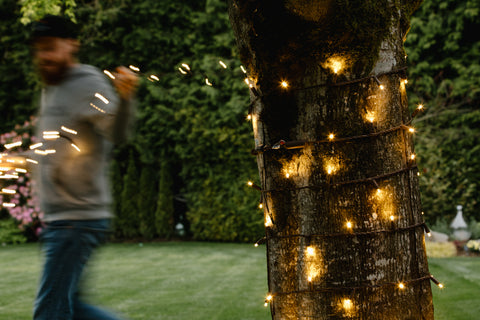
Are you looking to transform your outdoor space into a magical retreat? Hanging string lights in trees is one of the easiest and most beautiful ways to add warmth and charm to your yard or garden.
But how do you do it without making a mess or damaging your trees? In this guide, you’ll discover simple, step-by-step tips that anyone can follow to create a stunning glow that lasts all night. Keep reading, and you’ll learn the secrets to lighting up your trees like a pro—making your outdoor space the place everyone wants to be.
Choosing The Right Lights
Choosing the right string lights for your trees sets the mood and ensures safety. The perfect lights blend style with durability. It is important to pick lights that fit your outdoor space and climate. Consider brightness, color, and power source to match your needs. Selecting suitable lights helps create a cozy and inviting atmosphere.
Types Of String Lights
Several types of string lights exist for outdoor use. LED lights are popular for their brightness and long life. Incandescent bulbs offer a warm glow but use more energy. Solar-powered lights charge during the day and glow at night. Battery-operated lights provide flexibility without wires. Choose based on style, brightness, and power source.
Weatherproof Options
Lights must withstand rain, wind, and cold. Look for lights labeled as weatherproof or waterproof. Materials like plastic or rubber casings protect bulbs and wiring. Outdoor-rated lights have seals to keep moisture out. Using weatherproof lights prevents damage and ensures long-lasting use.
Energy Efficiency
Energy-efficient lights lower electricity costs and last longer. LED string lights use less power than traditional bulbs. Solar lights use renewable energy and need no wiring. Lower energy use means safer installation and smaller electric bills. Pick energy-saving options to enjoy lights without waste.

Credit: food52.com
Planning Your Layout
Planning your layout is the first step to hang string lights beautifully in trees. It helps you visualize the final look and ensures proper coverage. Thoughtful planning saves time and avoids hassles during installation. Consider the tree size, shape, and the space around it for the best effect.
Measuring The Area
Start by measuring the height and width of the tree. Measure the distance between branches where you want lights. Note the total length needed for the string lights. Use a tape measure or a long piece of rope. Write down the measurements to avoid buying too many or too few lights.
Design Patterns
Choose a design pattern that suits your style and tree shape. Popular patterns include:
- Wrapping lights around branches
- Creating a zigzag or crisscross effect
- Hanging vertical strands from branches
- Making a canopy by connecting several trees
Sketch your idea on paper for better clarity. Keep the design simple for easier installation and a neat look.
Safety Considerations
Check for power sources near the tree. Use outdoor-rated string lights and extension cords. Avoid overloading circuits or using damaged wires. Keep lights away from dry leaves and flammable materials. Use secure hooks or clips to prevent lights from falling. Always test lights before hanging to ensure they work properly.
Gathering Tools And Materials
Start by collecting string lights, sturdy hooks or clips, and a ladder for safe access. Choose weatherproof lights and extension cords if needed for outdoor use. Having all materials ready ensures a smooth and safe hanging process.
Gathering the right tools and materials is crucial for hanging string lights in trees. Proper preparation ensures a smooth and safe installation. This guide will help you gather everything needed.Essential Tools
Start with a sturdy ladder for reaching higher branches. Have a tape measure to ensure even spacing of the lights. Use a pair of scissors or wire cutters for trimming excess wires. A hammer can secure hooks or nails if needed.Supporting Accessories
Use zip ties or twist ties to secure lights to branches. Hooks or nails help attach lights without damaging trees. Consider using weatherproof tape for added security.Power Sources
Choose an outdoor extension cord to reach power outlets safely. Ensure the cord is weather-resistant for safety. Consider solar-powered lights to avoid the need for outlets. An outdoor timer helps manage when the lights turn on and off.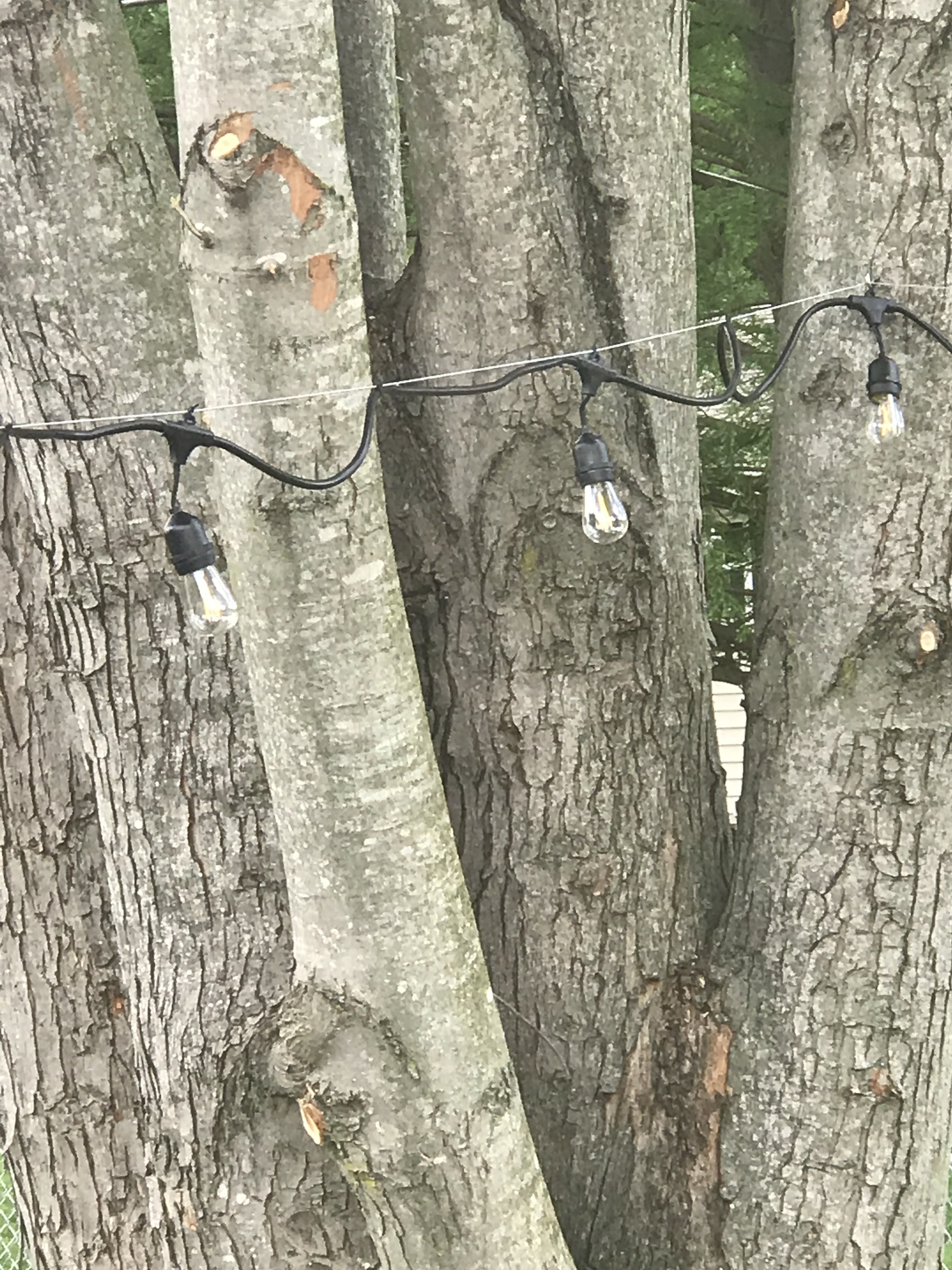
Credit: www.acupfullofsass.com
Preparing The Trees
Preparing the trees is the first important part of hanging string lights. It ensures safety and a beautiful setup. Taking time to prepare helps avoid damage to the tree and your lights. A good preparation makes the lights last longer and look better.
Inspecting Branches
Look closely at all branches where you want to hang lights. Choose branches that are strong and healthy. Avoid dead or weak branches that might break. Check for any signs of disease or damage. Pick branches that can hold the weight of the lights safely.
Clearing Obstacles
Remove any leaves, twigs, or nests from the branches. Clear away bird nests or spider webs carefully. Cut small branches that might get in the way. Make sure the path is open for hanging lights. This helps the lights hang smoothly and look neat.
Securing Anchor Points
Pick solid spots on the tree to tie or hook the lights. Use strong branches or the tree trunk as anchor points. Wrap lights gently around branches without hurting the bark. Use soft ties or hooks made for outdoor use. Secure anchors firmly to prevent lights from falling or swinging.
Hanging Techniques
Hanging string lights in trees creates a cozy and magical atmosphere outdoors. Choosing the right hanging technique helps secure the lights and shows them off beautifully. Different methods suit different tree shapes and light types. Use these hanging techniques for a neat, safe, and attractive setup.
Wrapping Branches
Wrap string lights tightly around thicker branches. This method holds lights in place and highlights the branches’ shape. Start near the trunk and spiral outwards. Leave some space between loops for a balanced look.
Use this technique for sturdy branches. It works well for trees with many strong limbs. Wrapping prevents lights from sagging or falling during wind or rain.
Draping And Looping
Drape lights loosely between branches to create soft curves. Let the lights hang naturally in loops for a relaxed, festive vibe. This method suits trees with many thin branches or irregular shapes.
Secure the ends firmly to the trunk or main branches. Space loops evenly for a tidy appearance. Draping adds depth and light movement as the wind blows.
Using Hooks And Clips
Use hooks or clips designed for outdoor lights to attach strings. These tools help fasten lights without damaging the tree bark. Clips work well on smaller branches or twigs.
Choose plastic or metal clips that resist weather. Hooks can hang lights from nails or screws in thicker limbs. This method offers easy installation and removal.
Ensuring Safety
Ensuring safety while hanging string lights in trees is crucial to prevent accidents and damage. Taking a few simple precautions can protect your home, your lights, and yourself. Let’s look at key safety tips that make your outdoor lighting both beautiful and secure.
Avoiding Overloads
Overloading electrical outlets can cause short circuits or fires. Check the wattage limits on your string lights and never plug too many strands into a single outlet. Use a power strip with built-in surge protection to help manage multiple connections safely.
Think about the total amps your setup will draw. If you’re unsure, add up the amps listed on each light package. Staying well below the outlet’s max rating keeps your setup stable and reduces fire risk.
Weatherproofing Connections
Outdoor string lights face rain, wind, and humidity. Protect all connections by wrapping plugs and sockets with waterproof tape or using weatherproof covers. This prevents water from causing electrical shorts or corrosion.
Have you checked your extension cords? Use only those rated for outdoor use. This simple step can save you from costly repairs or dangerous shocks.
Proper Grounding
Grounding your electrical setup provides a safe path for stray electricity. Use grounded outlets (three-prong) and make sure your cords and plugs support grounding. This reduces the risk of electrical shock if something goes wrong.
Double-check the grounding of any outdoor outlets with a tester tool. It’s a quick way to confirm your lights are set up safely and ready to shine without hazard.
Maintenance Tips
Maintaining string lights in trees is key to keeping their glow bright and safe. Careful upkeep extends the life of your lights and prevents hazards. Simple actions can save money and effort over time.
Regular Inspections
Check the lights often for broken wires or loose connections. Look for signs of wear caused by weather or animals. Inspect plugs and sockets to ensure they are dry and intact. Replace any damaged parts quickly to avoid risks.
Replacing Bulbs
Replace burnt-out bulbs to keep the whole string shining. Use bulbs that match the original size and wattage. Turn off the power before changing bulbs to stay safe. Keep spare bulbs handy for quick fixes.
Storing Lights Off-season
Remove lights carefully when not in use for long periods. Coil them loosely to avoid tangling and breakage. Store in a dry, cool place away from direct sunlight. Use a labeled container to find them easily next season.

Credit: www.youtube.com
Frequently Asked Questions
How Do I Safely Hang String Lights In Trees?
Use insulated hooks or zip ties to attach lights without damaging bark. Avoid nails or staples. Ensure lights are rated for outdoor use. Test connections before hanging. Secure cords to prevent tripping or wind damage. Always unplug lights before installation or removal.
What Type Of Lights Work Best For Trees?
LED string lights are ideal for trees due to energy efficiency and durability. Choose weather-resistant and waterproof lights to handle outdoor conditions. Warm white or multicolor options enhance ambiance. Solar-powered lights offer eco-friendly alternatives without needing electrical outlets.
How High Should I Hang String Lights In Trees?
Hang lights at a height that creates an inviting glow and is easy to maintain. Typically, 6 to 8 feet above ground is ideal. Ensure lights are reachable for bulb replacement. Avoid hanging too high to prevent wind damage and difficult access.
Can I Leave String Lights On Overnight In Trees?
Yes, if using outdoor-rated lights and timers for safety. Timers help conserve energy and reduce fire risks. Always check lights for damage before leaving them on. Turn off during rainstorms to prevent electrical hazards.
Conclusion
Hanging string lights in trees adds charm and warmth to any space. Plan your setup carefully for safety and beauty. Use sturdy hooks or ties to keep lights secure. Check that all bulbs work before starting. Take your time to wrap lights evenly around branches.
Enjoy the cozy glow that transforms your outdoor area. With a little effort, your trees will shine bright at night. Simple steps create a magical atmosphere for friends and family. Bright lights, happy nights.



