
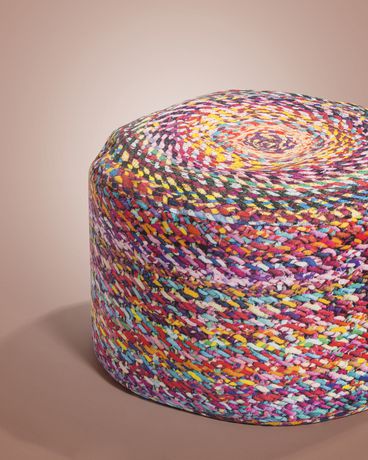
Are you looking to add a unique, stylish touch to your living space? A Moroccan pouf might be exactly what you need.
These beautiful, handcrafted pieces not only serve as comfortable seating but also bring warmth and character to any room. But how do you make a Moroccan pouf yourself? In this guide, you’ll discover simple steps to create your own pouf, even if you’re new to DIY projects.
By the end, you’ll have a stunning, personalized pouf that reflects your style and creativity. Ready to transform your home with a touch of Moroccan charm? Let’s get started!
Materials Needed
Gathering the right materials sets the foundation for a beautiful Moroccan pouf. Choosing quality supplies ensures the pouf is both durable and stylish.
Understanding each material’s role helps in creating a comfortable and attractive piece. Here is a breakdown of the essential materials needed for this craft.
Fabric Choices
- Leather: Traditional and durable, often used for authentic poufs.
- Cotton: Soft and easy to sew, great for beginners.
- Linen: Lightweight and breathable, adds a natural texture.
- Velvet: Luxurious feel, perfect for elegant designs.
- Patterned textiles: Adds color and Moroccan flair.
Filling Options
- Polyester fiberfill: Light and fluffy, easy to shape.
- Foam: Provides firm support and long-lasting comfort.
- Old clothes or fabric scraps: Eco-friendly and budget-friendly.
- Bean bag beads: Creates a flexible, moldable pouf.
Tools Required
- Sewing machine: Speeds up stitching and ensures strong seams.
- Needle and thread: For hand sewing and finishing touches.
- Scissors: Sharp fabric scissors for clean cuts.
- Measuring tape: To get precise fabric dimensions.
- Chalk or fabric marker: Marks cutting lines clearly.
- Zipper or buttons: Optional, for removable covers.
Preparing The Fabric
Preparing the fabric is a crucial stage in making your Moroccan pouf. The quality of your cuts and the accuracy of your patterns will affect the overall look and durability of the pouf. Taking your time here ensures a professional finish and a piece you’ll be proud to use or gift.
Measuring And Cutting
Start by measuring the dimensions of your pouf carefully. Typically, a Moroccan pouf is around 20 inches in diameter and 14 inches tall, but you can adjust based on your preference.
Use a flexible measuring tape to get precise measurements. Mark these on your fabric with tailor’s chalk or a fabric marker for clear visibility.
Cutting the fabric accurately is essential. Lay your material on a flat surface and use sharp fabric scissors to avoid jagged edges. Cutting slowly and steadily helps maintain clean lines.
Creating The Pattern
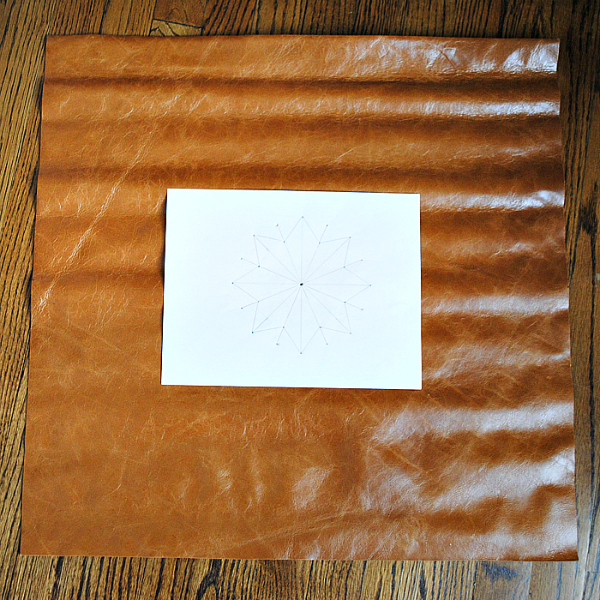
Creating a clear pattern is like drawing a roadmap for your sewing. You can use paper or cardboard to draft your shapes before transferring them onto the fabric.
Typically, a Moroccan pouf consists of several geometric panels, often hexagons or pentagons. Drawing each panel separately helps you ensure symmetry and proper fit when sewing.
Don’t forget to add seam allowances to your pattern pieces. About ½ inch extra space around each shape will give you enough room to stitch without shrinking your design.
Sewing The Pouf
Sewing the Moroccan pouf is an exciting part of the process. This step involves bringing all the pieces together. A precise approach ensures a beautiful and functional pouf.
Stitching The Panels
First, gather your fabric panels. Each panel needs careful attention. Align the panels, ensuring the edges match perfectly. Use a strong thread for durability. Start stitching from one end to the other. Maintain a consistent seam allowance. This helps in achieving a neat finish. Check your stitches regularly for uniformity.
Adding Decorative Details
Now, let’s add some flair. Choose decorative elements that reflect Moroccan style. Consider using colorful threads for embroidery. Add tassels or braids for extra charm. Position these elements symmetrically. Ensure they’re securely attached to withstand use. These details give your pouf a unique touch. It transforms a simple pouf into an art piece.
Stuffing The Pouf
Stuffing the Moroccan pouf is a crucial step. It defines the pouf’s shape, comfort, and durability. Proper stuffing ensures the pouf looks full and feels cozy. It also helps the pouf keep its form over time. Filling the pouf requires careful selection and methodical packing.
Choosing The Right Filling
Choose filling materials based on comfort and firmness. Common options include:
- Polyester fiberfill – soft and lightweight
- Foam pieces – offer good support
- Old clothes or fabric scraps – eco-friendly and cheap
- Bean bag beads – moldable and comfortable
- Wool or cotton batting – natural and breathable
Each filling type changes the pouf’s feel. Blend materials to balance softness and shape. Avoid materials that can clump or lose shape quickly.
Filling Techniques
Fill the pouf evenly to avoid lumps. Start by adding small amounts of stuffing. Press down gently to compact the filling. Continue adding more until the pouf is firm but flexible.
Turn the pouf as you fill to spread the stuffing. Use your hands or a stick to push filling into corners. Check the shape frequently and adjust as needed. Overstuffing makes the pouf hard, under-stuffing leads to sagging.
Finishing Touches
Finishing touches bring your Moroccan pouf to life. They secure the shape and add charm. These last steps create a polished, inviting piece. Focus on neat closure and stylish details for a perfect look.
Closing The Pouf
Close the pouf carefully to keep the stuffing inside. Use strong thread to sew the opening shut. Stitch small, tight stitches to avoid gaps. Make sure the fabric edges align evenly. This keeps the pouf durable and neat.
Adding Embellishments
Embellishments give your pouf a unique personality. Consider adding:
- Decorative buttons or tassels
- Leather or fabric patches
- Simple embroidery patterns
- Colorful trims or piping
Attach embellishments securely. They enhance the pouf’s style without affecting its use. Choose pieces that match your room’s decor for harmony.
Credit: www.thechroniclesofhome.com
Styling Your Moroccan Pouf
Styling your Moroccan pouf brings charm and warmth to any room. This piece is versatile and can fit many spaces. Its rich texture and color create a cozy vibe instantly.
Use the pouf as extra seating or a footrest. It also works as a small table with a tray on top. The key is to place it where it balances the room’s look.
Placement Ideas
- In the living room, place it near the sofa for extra seating.
- Use it by a reading nook to rest your feet comfortably.
- Put it in the bedroom corner for a stylish accent.
- Arrange it near a low coffee table to add texture.
- Place it by the window to create a cozy sitting spot.
Mixing With Other Decor
Combine the pouf with soft rugs for a layered look. Pair it with neutral furniture to make it stand out. Use cushions with matching colors to tie the room together.
Mix different patterns but keep the colors similar. This creates interest without clashing. Natural materials like wood or wicker complement the pouf’s texture well.
Care And Maintenance
Taking care of a Moroccan pouf helps keep it beautiful and lasts longer. Regular maintenance protects the leather and stitching from damage. Simple habits prevent dirt buildup and wear. Treat your pouf gently to preserve its charm and comfort.
Cleaning Tips
Use a soft, dry cloth to dust the pouf often. For stains, dampen a cloth with water and mild soap. Gently blot the area without rubbing hard. Avoid soaking the leather as it may crack or warp. Let the pouf air dry naturally, away from direct sunlight or heat.
Leather cleaner made for delicate surfaces works well on tough spots. Test the cleaner on a small hidden area first. Wipe off any excess cleaner with a clean cloth. Keep the pouf out of humid rooms to stop mold growth.
Repairing Wear And Tear
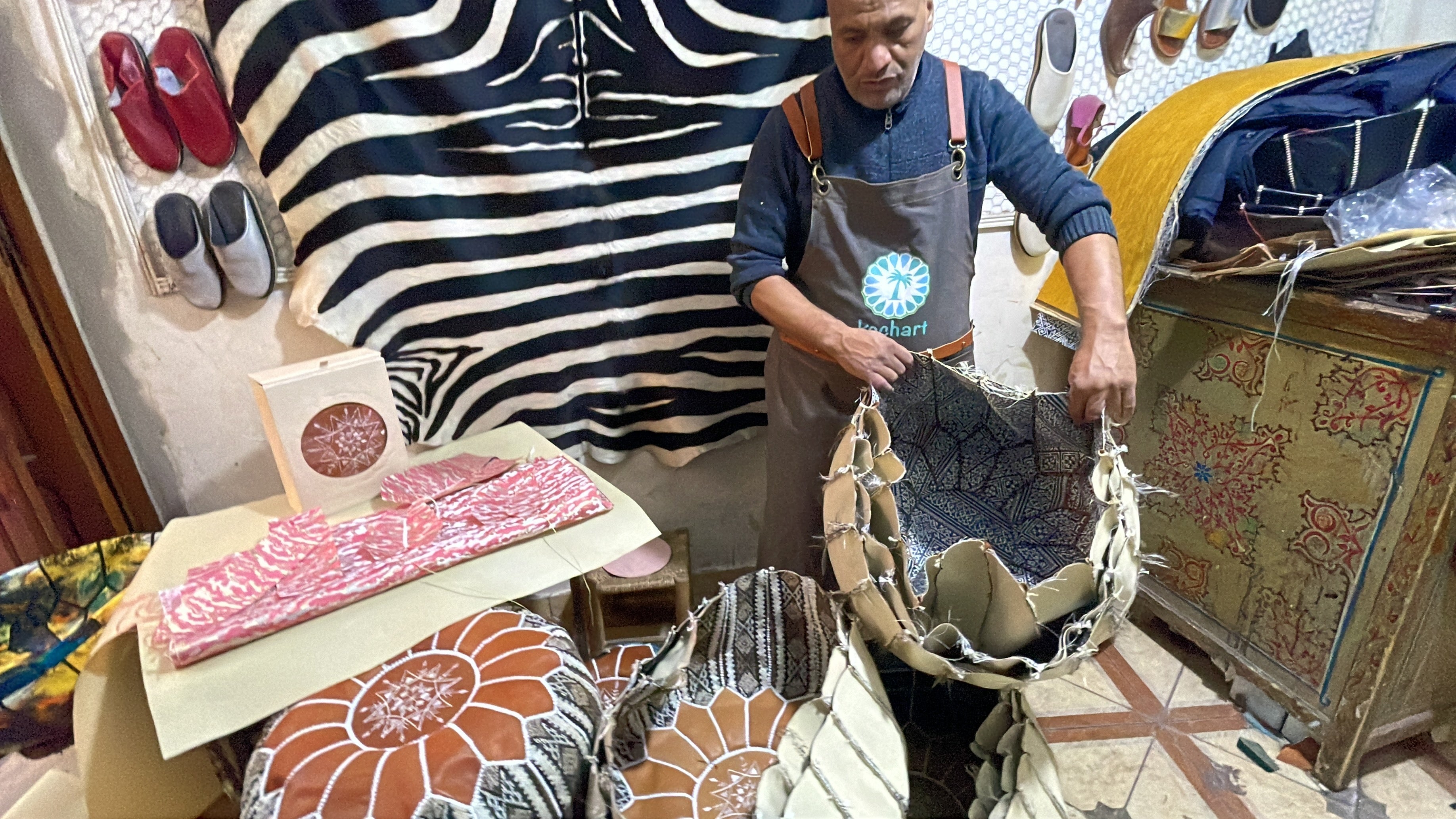
Check your pouf regularly for loose threads or small tears. Use a needle and strong thread to fix minor stitching problems. Patch holes with leather glue or a matching leather piece. Avoid heavy pressure on damaged areas to stop the tear from growing.
Replace the stuffing if the pouf feels flat or lumpy. Use soft materials like foam or cotton for comfort. For major damage, consider professional leather repair services. Early repairs keep the pouf looking fresh and extend its life.
Credit: kechart.com

Credit: www.marrakeche.com
Frequently Asked Questions
How Do You Start Making A Moroccan Pouf?
Begin by selecting quality leather or fabric for the outer cover. Cut the material into panels, sew them together, and stuff the pouf with filling like cotton or foam for firmness.
What Materials Are Needed To Make A Moroccan Pouf?
You need leather or durable fabric, strong thread, a sewing needle or machine, stuffing material, scissors, and a measuring tape to create a Moroccan pouf.
How Long Does It Take To Make A Moroccan Pouf?
Making a Moroccan pouf typically takes 3 to 5 hours, depending on your sewing skills and the complexity of the design.
Can I Customize The Size Of A Moroccan Pouf?
Yes, you can customize the size by adjusting the pattern dimensions before cutting the fabric or leather for your pouf.
Conclusion
Creating a Moroccan pouf brings charm to any room. This simple project adds style and comfort. You only need basic materials and some patience. Handcrafting your pouf makes it special and unique. It also saves money compared to buying one.
Try different colors and patterns for a personal touch. Enjoy the process and the cozy result. Now, your space has a beautiful, handmade pouf. Give it a try and see the difference yourself.



