
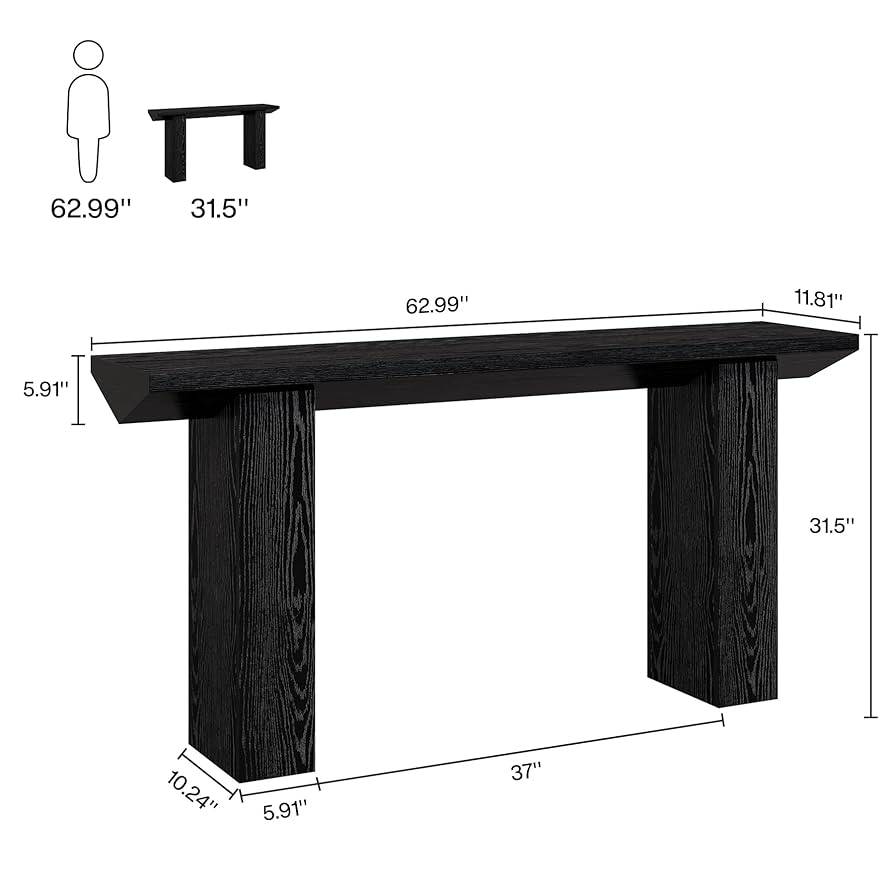
Choosing the right height for your entryway table might seem simple, but it can make a big difference in how your space looks and feels. If your table is too tall or too short, it can throw off the balance of your entryway and even make everyday tasks harder.
You want your table to be just right—not too high that it’s awkward to use, and not too low that it feels out of place. You’ll discover the perfect height for your entryway table, why it matters, and easy tips to help you get it right every time.
Keep reading to transform your entryway into a welcoming and stylish space.
Ideal Entryway Table Height
The ideal height for an entryway table plays a key role in both style and function. It should be comfortable to use and fit well with the surrounding space. Choosing the right height makes your entryway look balanced and inviting.
Standard Height Range
Entryway tables usually stand between 28 and 36 inches tall. This range fits most people and spaces. It allows easy access for placing keys, mail, or other small items. The height also matches well with common sofa and chair arm heights, creating a smooth flow.
Factors Influencing Height
Several factors affect the best height for your entryway table:
- Space Size:Small areas may need shorter tables to avoid crowding.
- Wall Decor:The height of mirrors or artwork above the table can guide table height.
- User Height:Choose a height comfortable for adults who use the table most.
- Table Purpose:A table for display may differ from one used to hold items daily.
Keep these points in mind for a functional and attractive entryway setup.
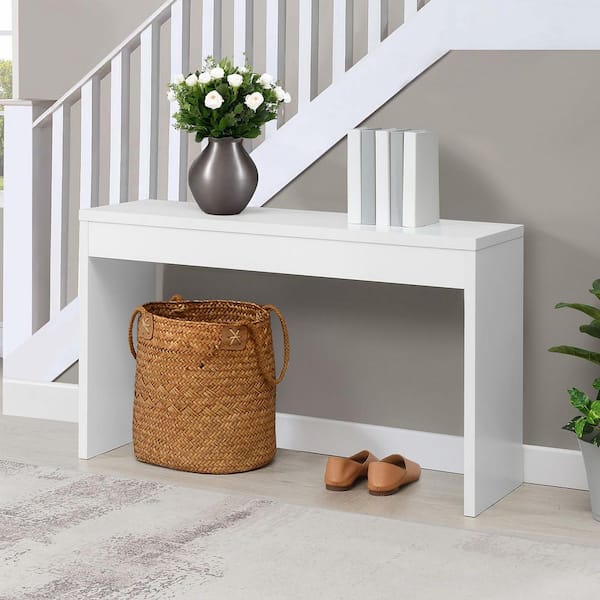
Credit: www.homedepot.com
Matching Table Height To Furniture
Matching the height of your entryway table to the surrounding furniture creates a balanced and inviting space. This connection helps your entryway feel intentional rather than an afterthought. It also ensures functionality, making the table easy to use alongside other pieces in the room.
Consideration For Sofas And Chairs
Think about the height of nearby sofas and chairs when choosing your entryway table. Ideally, the table surface should be close to the armrest height of these seating options—usually around 24 to 30 inches. This allows guests to easily reach items on the table without bending or stretching awkwardly.
I once placed an entryway table too low compared to my sofa, and it felt off. It was frustrating to place keys or mail down because I had to crouch each time. Matching the table height to the furniture fixed that problem instantly.
Alignment With Wall Fixtures
Your entryway table should also align well with wall fixtures like mirrors, artwork, or lighting. The table height can affect how these elements look together. For example, a tall mirror pairs best with a lower table, while a shorter mirror suits a taller table.
Consider the visual flow from the table up to the wall. If your lamp or decor on the table is too tall or too short compared to the fixtures, the space can feel disconnected. How does your current setup make you feel when you walk in?
Functionality And Style Balance
Finding the perfect balance between functionality and style is key when choosing the height of your entryway table. This piece of furniture isn’t just a surface for dropping keys; it sets the tone for your home. It’s important to consider how it will be used and how it complements your space.
Practical Uses Of Entryway Tables
An entryway table should serve multiple purposes in your home. It can be a spot for your mail, keys, or even a vase of fresh flowers. Think about your daily routine. Do you need a place for quick storage? A table that is too high might make it difficult for children to reach, whereas a lower table could be more accessible for everyone.
Some people use their entryway table to showcase personal items like family photos or art pieces. If displaying items is your goal, ensure the table height allows for clear visibility without obstructing views. The ideal height often ranges from 28 to 32 inches, depending on your needs and the height of those using it.
Design Trends Impacting Height
Design trends can influence the height of entryway tables. Minimalist styles often favor lower tables, emphasizing clean lines and simplicity. Meanwhile, contemporary designs may lean towards taller tables to create a dramatic effect.
Consider the overall style of your home. A modern home might benefit from a sleek, taller table, while a rustic or traditional space might call for something shorter and more substantial. Think about your aesthetic preferences and how the table height will fit into your entryway’s design.
Have you ever walked into a home and felt an immediate sense of warmth or style? Your entryway table plays a significant role in that first impression. Choosing the right height is crucial not just for functionality, but for setting the ambiance as soon as someone walks through your door.

Credit: plankandbeam.com
Adjusting Height For Different Spaces
Adjusting the height of an entryway table depends on the space available. The size and style of your entryway affect the table’s height choice. The right height helps balance the room and improves functionality. Below are tips for different entryway sizes.
Small Entryways
In small entryways, choose a table height that does not overwhelm the space. A table between 28 to 32 inches works well. It fits under mirrors or artwork without crowding. Keep the table slim to save room. This height allows easy access to items like keys or mail. Avoid tall tables that make the area feel cramped.
Large Foyers
Large foyers can hold taller and more decorative tables. Heights from 30 to 36 inches suit these spaces nicely. Taller tables create a strong visual impact. They match well with large mirrors or wall art. Use the extra height to display lamps or vases. This adds style and fills the space properly.
Measuring Tips For Perfect Fit
Choosing the right height for your entryway table matters for style and function. Measuring carefully helps the table fit well in your space and matches your needs. Use simple tips to find the perfect height that feels natural and looks balanced.
Using Your Own Height As Reference
Stand near the spot where the table will go. Notice where your waist or hips are. Entryway tables usually match this height for easy use. Measure from the floor to that point on your body. This gives a good starting height to aim for.
Compare this with standard table heights, usually between 28 and 36 inches. Adjust if you want the table taller or shorter. Your comfort is the key to a perfect fit.
Testing With Temporary Setups
Use boxes or books to create a fake table at different heights. Place them in the entryway and see how they feel. Walk by, put items on, and check the view. This helps you understand what height works best.
Try moving the setup closer or farther from the door. Notice how easy it is to use while entering or leaving. Change the height until it feels right for your daily routine.
Common Mistakes To Avoid
Choosing the right height for your entryway table might seem straightforward, but many people stumble into common pitfalls that affect both function and style. Avoiding these mistakes can transform your entryway from cluttered or awkward to inviting and practical. Let’s look at some frequent errors that could be holding your space back.
Ignoring The Standard Height Range
Many jump straight to picking a table that looks good without checking its height. The typical entryway table height ranges between 28 to 36 inches, which works well for most people. Skipping this step often results in a table that’s either too low to comfortably use or too tall to match your other furniture.
Think about how you’ll use the table daily. Will you drop keys or bags on it? Will you place a lamp or mirror above it? Keeping these questions in mind helps you choose a height that fits your lifestyle.
Choosing A Table That Overwhelms The Space
It’s tempting to pick a large, eye-catching table, but size matters more than style here. A bulky table in a small entryway can block pathways and create a cramped feeling. Instead, measure your space carefully and pick a table that leaves enough room for easy movement.
Ask yourself: Does this table fit comfortably without crowding the entry? If not, consider a narrower or smaller piece to keep your entrance welcoming and functional.
Failing To Consider The Height Of Other Furniture And Fixtures
Your entryway table should complement nearby furniture and wall fixtures. Placing a table too high or too low next to a bench or coat rack can throw off the room’s balance. For example, a table much taller than a nearby bench looks awkward and feels disconnected.
Try to align the table height with other elements for a cohesive look. This alignment also makes it easier to organize items and use the space efficiently.
Neglecting The User’s Comfort
Think about who uses the entryway most. If you’re tall, a low table might feel uncomfortable to use. If children often drop off their belongings, a very high table could be impractical. Ignoring these practicalities can make your entryway less user-friendly.
Consider your household’s needs before finalizing the table height. A little extra thought here saves frustration every time you walk in the door.
Overlooking Storage Needs
Entryway tables often double as storage spots for keys, mail, and small items. Choosing a table without enough storage or surface area can lead to clutter. Don’t sacrifice practicality for style alone—look for tables with drawers or shelves if you need them.
Ask yourself: Will this table help me keep the entryway tidy? If not, you might want to rethink your choice.
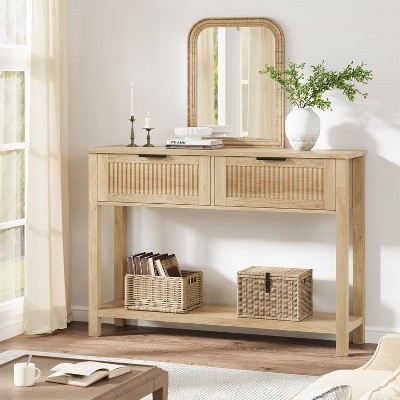
Credit: www.target.com
Frequently Asked Questions
What Is The Ideal Height For An Entryway Table?
The ideal height for an entryway table is typically 28 to 36 inches. This range matches most chair seat heights and complements surrounding furniture. It ensures easy access to items and maintains balanced room proportions.
How To Measure Entryway Table Height Correctly?
Measure from the floor to your desired tabletop level. Consider the average height of nearby furniture or the height of items placed on the table. This ensures the table fits well and serves its purpose efficiently.
Can Entryway Table Height Affect Room Aesthetics?
Yes, the height significantly impacts room aesthetics. A well-proportioned table height creates harmony and enhances visual appeal. Too tall or too short tables can disrupt balance and make the space look awkward or cluttered.
Should Entryway Table Height Vary By Room Size?
Room size affects table height choice. Smaller spaces benefit from lower tables to avoid overwhelming the area. Larger rooms can accommodate taller tables that add presence without crowding.
Conclusion
Choosing the right height for your entryway table makes a big difference. It should match the height of nearby furniture or your own comfort. Usually, 28 to 32 inches works well for most spaces. This size helps keep items like keys or mail easy to reach.
A properly sized table also looks balanced and neat. Think about how you will use it every day. This simple step can improve both style and function in your home. Small details like this make your entryway welcoming and useful.



