
Have you ever wondered what makes your home feel cool and comfortable on a hot day? Understanding how a central air unit works can give you a clearer picture of the magic happening behind the walls.
When you grasp the basics, you’ll know how to keep your system running smoothly and save on energy bills. Let’s dive into the simple steps your central air unit takes to cool your space and why it matters to you.
Credit: www.mrcool.com
Central Air Unit Basics
Understanding the basics of how a central air unit works can give you a clearer picture of what’s happening inside your home when you switch on the AC. It’s not magic—it’s a combination of parts working together to cool your space efficiently. Knowing these fundamentals can also help you spot issues early or communicate better with your HVAC technician.
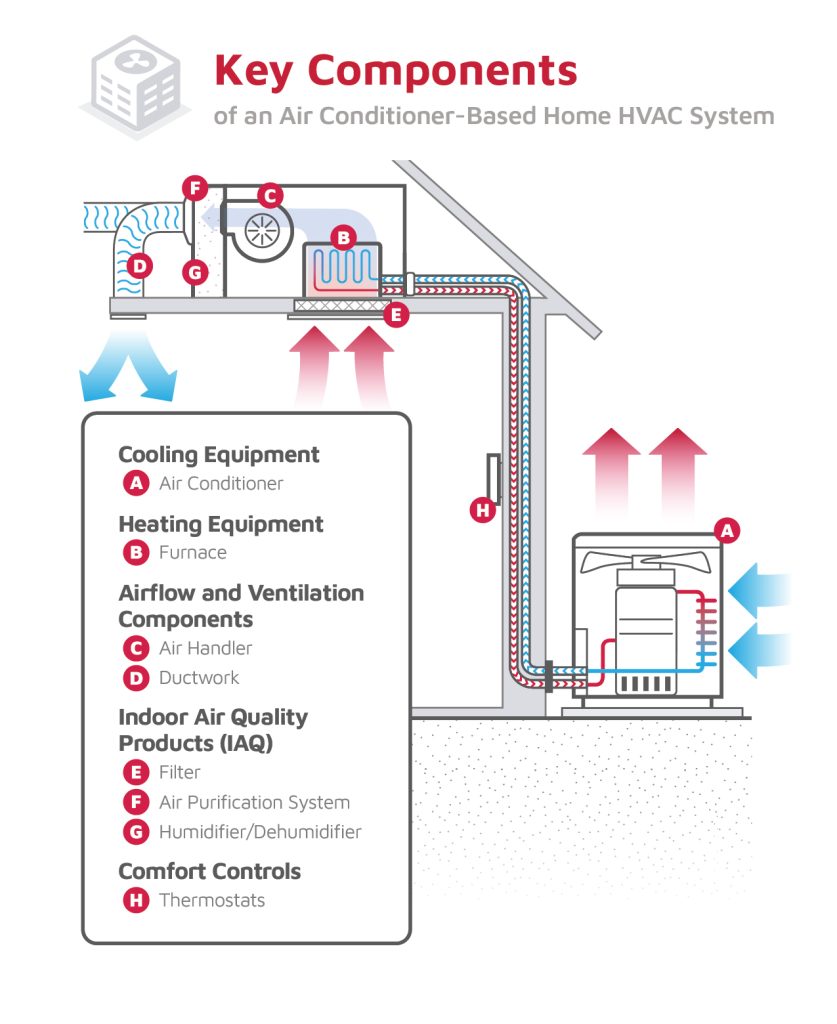
Main Components
A central air unit relies on several key parts to function smoothly:
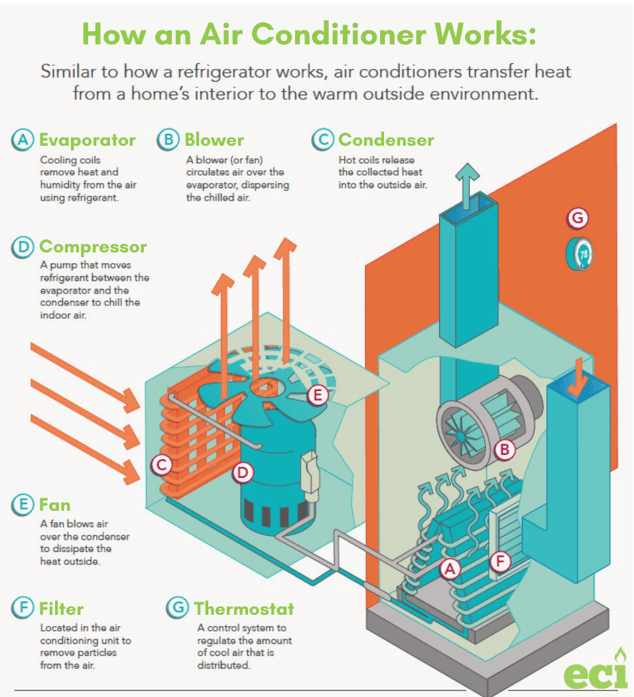
- Compressor:This is the heart of the system, pumping refrigerant through the unit.
- Condenser Coil:Located outside, it releases heat extracted from your home.
- Evaporator Coil:Inside your house, it absorbs heat from the indoor air.
- Expansion Valve:Controls the flow of refrigerant into the evaporator coil.
- Blower Fan:Circulates cooled air throughout your home via ductwork.
Each component plays a specific role, and if one fails, your cooling won’t be as effective. Have you ever noticed your AC running but not cooling? That might be a clue pointing to one of these parts needing attention.
Cooling Cycle Process
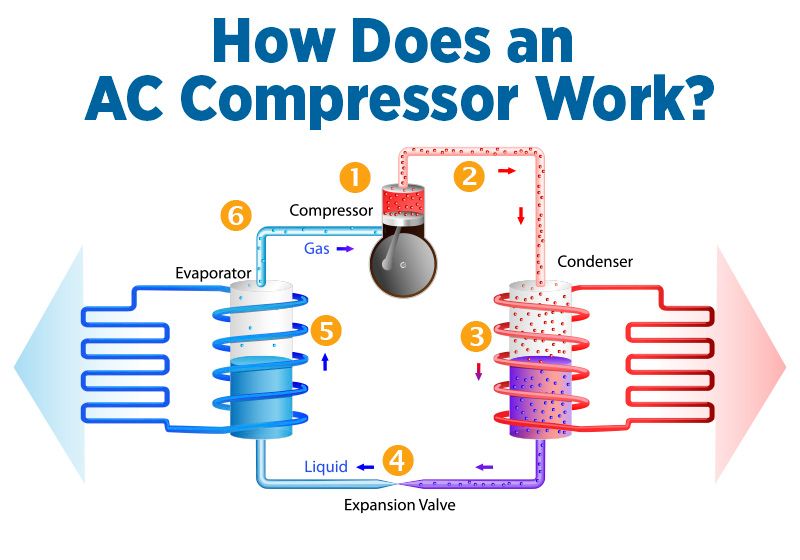
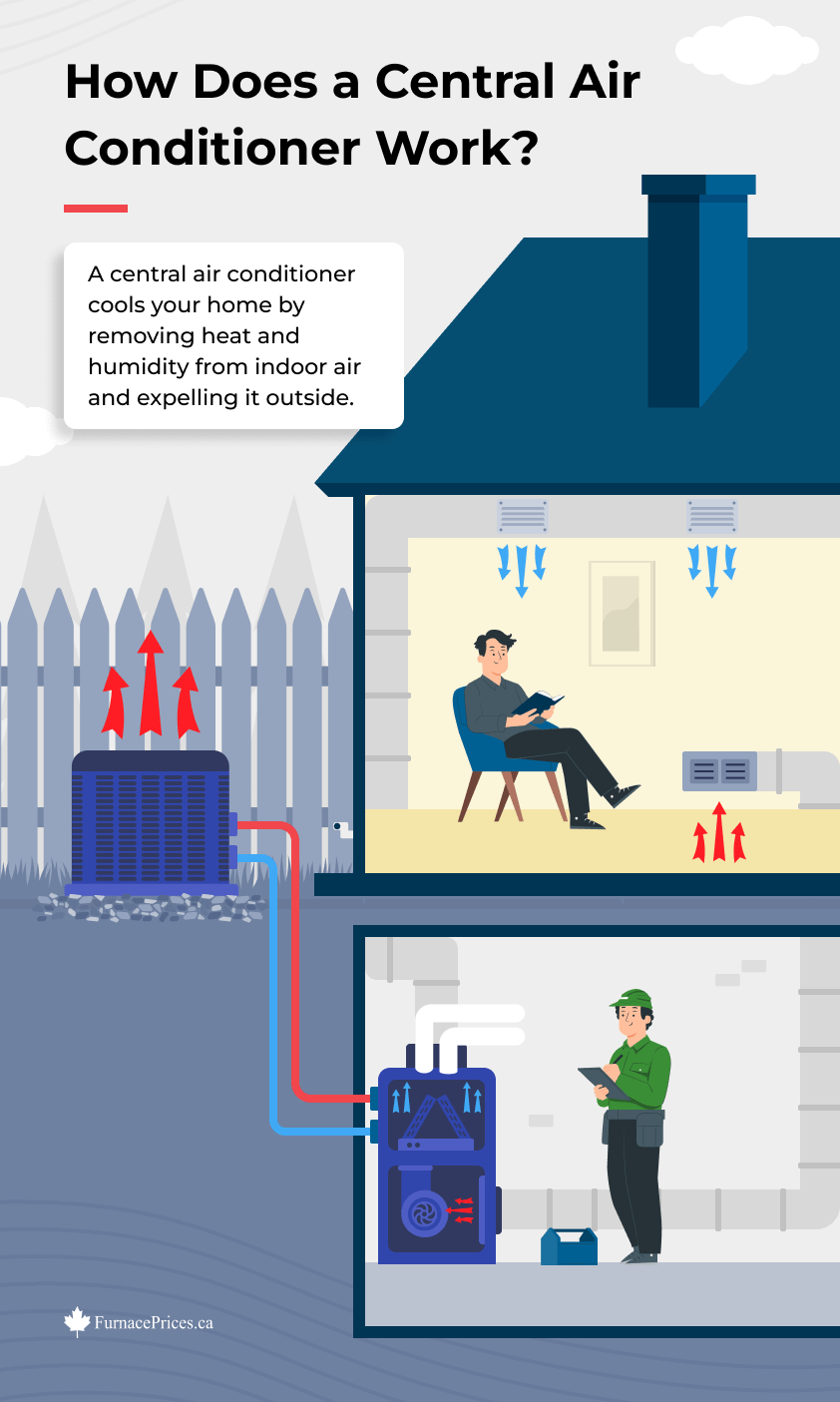
The cooling process starts when warm air from your home is pulled into the system by the blower fan. This air passes over the evaporator coil, where the refrigerant inside absorbs the heat, cooling the air.
The heated refrigerant then moves to the compressor outside, which pressurizes it and sends it to the condenser coil. Here, the heat is released into the outside air, and the refrigerant cools down again, ready to cycle back inside.
This continuous loop keeps your indoor air comfortable. Next time your AC kicks on, think about this cycle working quietly behind the scenes. Could understanding this cycle help you troubleshoot or maintain your system better?
Credit: www.furnaceprices.ca
Role Of The Compressor
The compressor is the heart of a central air unit. It plays a vital role in the cooling cycle. This component pushes refrigerant through the system, changing it from a gas to a liquid and back. Its work allows your home to stay cool and comfortable during hot days.
Function And Importance
The compressor pumps refrigerant between the indoor and outdoor units. It raises the refrigerant’s pressure and temperature. This change helps the refrigerant release heat outside. Then, the refrigerant cools down as it moves inside to absorb heat from your home. Without the compressor, this heat exchange would not happen. The entire cooling process depends on it.
It also keeps the refrigerant moving in one direction. This steady flow is essential for consistent cooling. A faulty compressor means the system cannot cool properly. It may cause the air conditioner to stop working altogether.
Energy Consumption
The compressor uses the most energy in a central air unit. It requires power to compress and move the refrigerant. How much energy it uses depends on its size and efficiency. Newer models use less power while providing the same cooling.
Energy-efficient compressors reduce electricity bills. They also lower environmental impact. Regular maintenance keeps the compressor running smoothly. Clean filters and coils help reduce its workload. This extends the life of your air conditioner and saves money.
Evaporator Coil Function
The evaporator coil plays a vital role in a central air unit. It helps cool the air inside your home. This component works by removing heat from the air that flows over it. The process makes the indoor air feel fresh and comfortable.
Heat Absorption
The evaporator coil contains a special refrigerant. This liquid refrigerant absorbs heat from the warm indoor air. As the air passes over the coil, the refrigerant changes from liquid to gas. This change captures the heat, cooling the air in the process.
Heat absorption is essential for lowering the air temperature. It helps maintain a cool and pleasant environment inside your home. Without this function, the air conditioner cannot cool the air effectively.
Airflow Dynamics
The central air unit uses a fan to push air over the evaporator coil. Air moves through the system and passes over the cold coil surface. This airflow ensures consistent heat exchange between air and refrigerant.
Proper airflow is crucial for efficient cooling. It distributes cooled air evenly throughout your living space. The design of the coil and fan system maximizes this air movement.
Condenser Coil Role
The condenser coil is vital in a central air unit. It helps release heat absorbed by the refrigerant. This process is key to cooling your home effectively. The coil is located in the outdoor unit. It works hard to ensure your home stays comfortable.
Heat Release Mechanism
The refrigerant enters the condenser coil as a hot vapor. The coil then cools it down by releasing heat into the air. This turns the refrigerant back into a liquid. The heat release is crucial for maintaining indoor coolness. It ensures the air inside stays at the desired temperature. Proper function of the condenser coil is essential.
Outdoor Unit Placement
The outdoor unit houses the condenser coil. Its placement affects cooling efficiency. It should be in a shaded, open area. This allows for proper air circulation around the unit. Avoid placing it near walls or other obstructions. Proper placement ensures optimal performance of the condenser coil. Regular maintenance also keeps it running smoothly.
Thermostat And Controls
The thermostat and controls are the command center of your central air unit. They tell the system when to turn on or off, and how cool your space should be. Understanding how these controls work helps you get the most comfort without wasting energy or money.
Temperature Regulation
Your thermostat constantly monitors the air temperature inside your home. When the temperature rises above the set point, it signals the air conditioner to start cooling. Once the desired temperature is reached, the thermostat tells the system to stop.
This simple cycle keeps your home at a steady, comfortable temperature. If you notice uneven cooling or your unit running too long, the thermostat might need recalibrating or replacing. Have you ever felt your home was too cold or too warm despite adjusting the thermostat? That’s often a sign the controls aren’t working right.
Smart Thermostat Benefits
Smart thermostats offer more than just basic temperature control. They learn your schedule and preferences to adjust settings automatically, saving you energy without sacrificing comfort.
- Control your AC remotely using your smartphone.
- Receive alerts if your system needs maintenance.
- Track your energy usage over time and find ways to save.
Imagine coming home after a long day to a perfectly cooled house without lifting a finger. Smart thermostats make that possible and can lower your utility bills too. Are you ready to upgrade your controls and take full charge of your home’s climate?
Air Duct System
The air duct system is a vital part of a central air unit. It carries cooled air from the main unit to every room in your home. Without this system, the air would not reach all areas effectively.
Ducts are usually made of metal or flexible plastic. They run through walls, floors, and ceilings. The system also returns warm air back to the unit to be cooled again. This cycle keeps your home comfortable.
Air Distribution
The air duct system moves cool air through vents in each room. These vents can be adjusted to control airflow. Good air distribution means even cooling throughout your home.
Properly sealed ducts prevent air leaks. Leaks cause energy waste and uneven temperatures. Insulated ducts keep air cool as it travels through the system.
Common Issues
- Leaky ducts reduce cooling efficiency and raise energy bills.
- Blocked or dirty ducts restrict airflow and lower air quality.
- Improperly sized ducts cause uneven cooling in different rooms.
- Loose connections can create noise and reduce system performance.
Regular inspection and cleaning keep the air duct system working well. Fixing issues early avoids costly repairs and improves comfort.
Factors Affecting Cooling Efficiency
Cooling efficiency depends on several key factors. These factors influence how well your central air unit keeps your home comfortable. Understanding these helps improve performance and reduce energy costs.
Insulation Quality
Good insulation keeps cool air inside and hot air outside. Poor insulation lets warm air leak in, making the unit work harder. Check walls, attic, and windows for proper insulation. Sealing gaps and cracks also helps maintain temperature.
System Maintenance
Regular maintenance keeps the air unit running smoothly. Clean or replace air filters every 1-3 months. Dirt buildup reduces airflow and strains the system. Check refrigerant levels and clear debris around outdoor units. Well-maintained systems use less energy and cool faster.
Proper Sizing
An air unit sized correctly fits your home’s cooling needs. Too small a unit runs constantly and cannot cool well. Too large a unit cycles on and off too often, wasting energy. A professional can calculate the right size based on home area, insulation, and climate.
Energy-saving Tips
Saving energy with a central air unit helps lower bills and protects the environment. Small actions can boost your system’s efficiency. These tips keep your air unit running smooth and save energy every day.
Regular Filter Replacement
Dirty filters block airflow and force your unit to work harder. Change filters every 1 to 3 months. Clean filters improve air quality and reduce energy use. Always check your filter type and follow the replacement schedule.
Programmable Settings
Use a programmable thermostat to control temperature easily. Set higher temperatures when no one is home. Lower the temperature before you return for comfort. This avoids wasting energy on cooling an empty house.
Sealing Leaks
Air leaks let cooled air escape and warm air enter. Check windows, doors, and vents for gaps. Use weatherstripping or caulk to seal leaks. Sealing stops energy loss and keeps your home cooler.
Signs Of Inefficient Cooling
Recognizing signs of inefficient cooling is crucial for your central air unit. When your system struggles, it affects comfort and costs. Identifying these signs early can save headaches and money.
Uneven Temperature
Uneven temperatures in your home can signal a problem. Some rooms feel cooler than others. This inconsistency might mean your unit isn’t distributing air properly. Blocked vents or duct issues could be the culprits. Addressing these issues restores comfort throughout your home.
High Energy Bills
Notice a spike in your energy bills? Your air unit might be working too hard. Inefficiency makes the system consume more power. This happens when parts wear out or filters clog. Regular maintenance can help keep energy costs low.
Frequent Repairs
Frequent repairs are a red flag for air units. A well-maintained system should not break down often. If repairs become routine, the unit may need more than a quick fix. Consider consulting a professional to evaluate your system’s health.
Upgrading To Modern Units
Upgrading your central air unit can make a big difference in your home’s comfort and energy bills. Modern units offer features that older models simply don’t have. These advancements help you save money, reduce energy use, and enjoy a more consistent indoor temperature.
Energy Star Models
Energy Star certified units meet strict energy efficiency guidelines set by the U.S. Environmental Protection Agency. Choosing an Energy Star model means your air conditioner uses less electricity without sacrificing cooling power. You might notice lower utility bills and a smaller carbon footprint.
Many homeowners don’t realize how much energy old units waste. An Energy Star model can cut energy use by about 15% compared to standard units. Would you rather spend more on power or invest in a system that pays for itself over time?
Variable Speed Technology
Variable speed technology allows the air conditioner to adjust its compressor speed instead of running at full blast all the time. This means your system uses just the right amount of energy to maintain your desired temperature.
I once switched to a variable speed unit and immediately noticed a quieter, more even cooling experience. The system didn’t turn on and off as often, which also extended the life of the equipment. Could a smoother airflow improve your home’s comfort?
With variable speed technology, you get:
- Improved humidity control
- Lower energy costs
- Consistent temperatures throughout your home
Upgrading to a modern central air unit with these features makes your home more comfortable and efficient. What benefits matter most to you when considering a new system?
Credit: www.ecicomfort.com
Frequently Asked Questions
How Does A Central Air Unit Cool My Home?
A central air unit cools by circulating refrigerant through coils. It absorbs heat inside and releases it outside, lowering indoor temperatures efficiently.
What Parts Make Up A Central Air Conditioning System?
Key parts include the compressor, condenser coil, evaporator coil, refrigerant, and blower fan. Each plays a vital role in heat exchange and air circulation.
How Often Should A Central Air Unit Be Maintained?
Regular maintenance every 6 to 12 months ensures optimal performance. This includes cleaning filters, checking refrigerant levels, and inspecting components for wear.
Can A Central Air Unit Improve Indoor Air Quality?
Yes, it filters dust, pollen, and allergens while controlling humidity. Proper maintenance enhances air quality, making your home healthier and more comfortable.
Conclusion
A central air unit cools your entire home by moving air through ducts. It pulls warm air, cools it, then pushes it back inside. This process keeps your space comfortable on hot days. Regular maintenance helps the unit work well and last longer.
Understanding how it works can help you use it wisely. Stay cool and save energy by running it smartly. Simple steps make a big difference in your comfort and bills.



