
Have you ever wondered how your central air system keeps your home warm when the temperature drops? Understanding how the heat works in central air can help you feel more comfortable and save money on energy bills.
You’ll discover the simple steps your system takes to warm your space and why it’s important to keep it well-maintained. By the end, you’ll know exactly what’s happening behind the scenes every time you turn up the heat. Keep reading to unlock the secrets of your central air heating!
Basics Of Central Air Heating
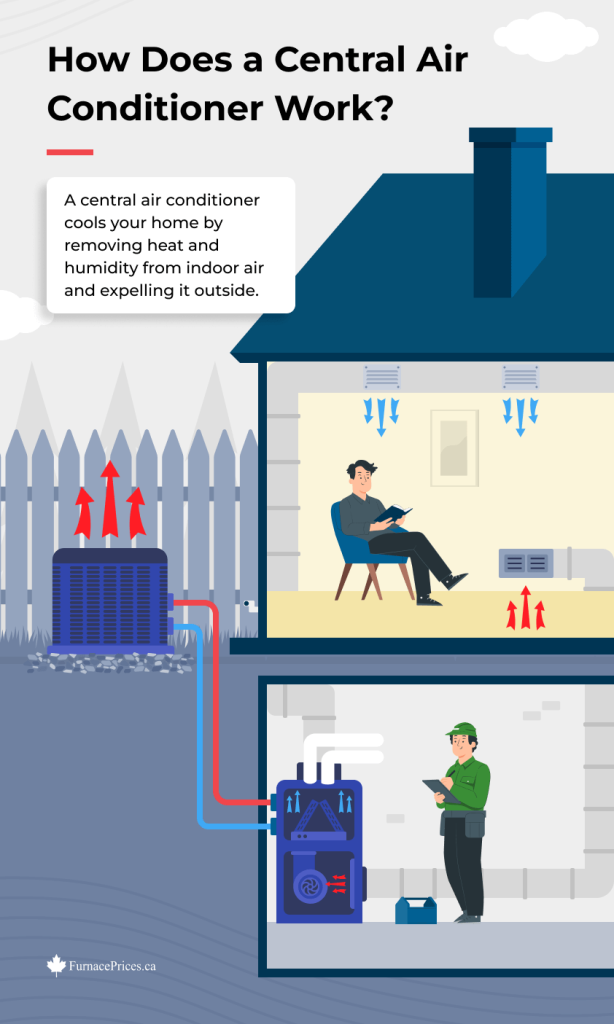
Central air systems can heat your home efficiently during cold months. They use a few important parts to create and move warm air. Understanding these basics helps you see how your system keeps your space cozy.
Key Components
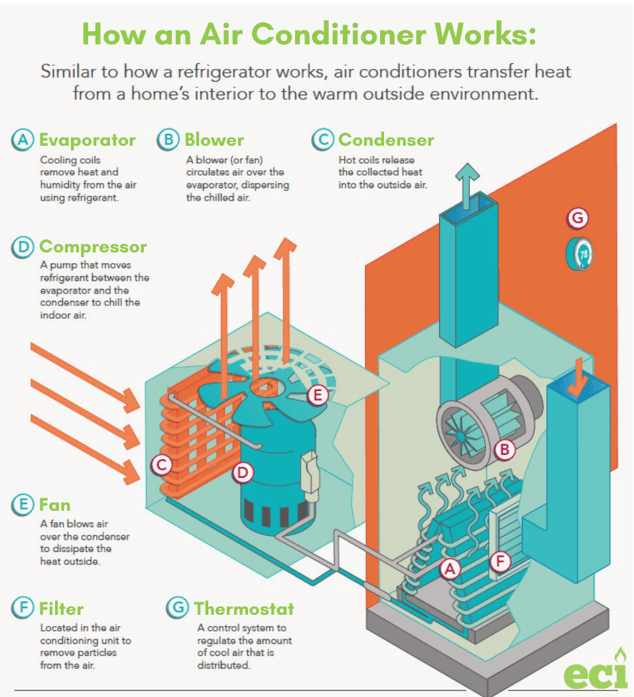
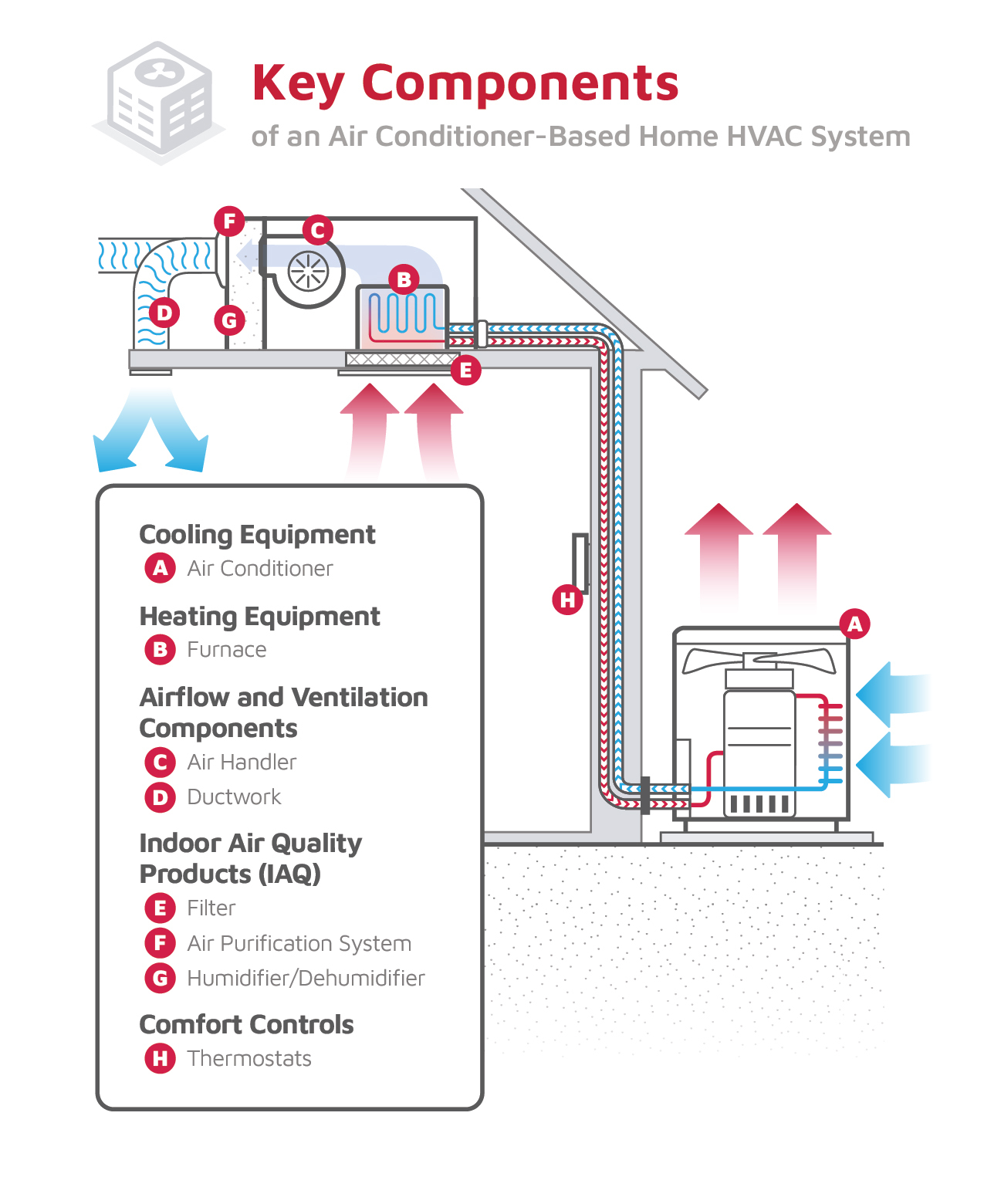
- Furnace:Produces heat by burning fuel or using electricity.
- Heat exchanger:Transfers heat from the furnace to the air.
- Blower fan:Moves warm air through the ducts to rooms.
- Thermostat:Controls the temperature and signals the system to start heating.
- Ductwork:Channels warm air from the furnace to different parts of the home.
Heating Cycle
The thermostat detects the room temperature and signals the furnace to turn on. The furnace heats the air inside the heat exchanger. The blower fan pushes this warm air through the ducts. Air enters rooms, raising the temperature. Once the desired heat is reached, the thermostat turns off the furnace. The cycle repeats to maintain comfort all day.

Credit: 1clickheat.com
Heat Generation Process
The heat generation process in central air systems is key to warming your home efficiently. It starts with a component designed to produce heat safely and consistently. This heat then moves through ducts, spreading warmth throughout the rooms. Understanding how the system creates heat helps in choosing and maintaining the right equipment for your needs.
Role Of The Furnace
The furnace acts as the heart of the heat generation process. It creates heat by burning fuel or using electricity. This heat warms the air, which the blower then pushes through the ductwork. Furnaces have safety features to prevent hazards. They keep your home warm and comfortable during cold seasons.
Fuel Types And Efficiency
Furnaces can use different fuel types, affecting cost and efficiency. Common fuels include:
- Natural gas – popular and usually affordable
- Electricity – clean but can be expensive
- Oil – powerful but requires storage
- Propane – used where gas lines are unavailable
Efficiency varies with fuel type and furnace design. High-efficiency models save energy and reduce bills. Checking the Annual Fuel Utilization Efficiency (AFUE) rating helps find an efficient furnace.
Heat Distribution System
The heat distribution system plays a vital role in spreading warmth evenly throughout your home. It moves heated air from the furnace to every room. This system ensures comfort by maintaining a steady temperature. Proper design and management of the system help avoid cold spots and drafts.
Ductwork Design
Ductwork is the network of channels that carries warm air. Its design affects how well heat reaches each room. Good ductwork is sealed tightly to prevent air leaks. It uses smooth, wide paths to reduce resistance. Proper layout balances airflow to avoid hot or cold zones.
Materials used also matter. Metal ducts are common because they conduct heat well. Insulated ducts keep heat inside, improving efficiency. The shape and size of ducts are planned carefully for the best flow. Poorly designed ducts can waste energy and reduce comfort.
Airflow Management
Airflow management controls how air moves through the ductwork. It uses vents, dampers, and fans to guide warm air. Balancing airflow ensures each room receives enough heat. Adjustable vents let you control the temperature in different areas.
Filters clean the air and keep the system running smoothly. Regular maintenance keeps airflow steady and efficient. Proper airflow stops rooms from feeling stuffy or too hot. It also helps the system use less energy while heating your home.
Thermostat And Controls
Understanding how your central air system’s thermostat and controls work can make a noticeable difference in both your comfort and energy bills. Whether you’re adjusting the temperature on a chilly morning or programming settings for the week, the thermostat acts as the brain of your heating system. Let’s explore how these controls can enhance your home’s climate and efficiency.
Temperature Regulation
A thermostat’s primary role is to maintain the desired temperature in your home. It does this by sending signals to the heating system to kick in or shut off, ensuring that the temperature remains consistent with your settings. Have you ever noticed how quickly the room cools down after the heating stops? That’s your thermostat keeping everything in check.
Modern thermostats allow you to set different temperatures for different times of the day. This means you can wake up to a warm house without having the heat run all night. Are you taking full advantage of this feature to save energy?
Smart Thermostat Features
Smart thermostats take temperature regulation to the next level. They learn your schedule and adjust settings automatically, making life a bit easier and more efficient. Imagine your home warming up just as you’re heading back from work, without you lifting a finger.
These devices often connect to your smartphone, allowing you to control your home’s temperature remotely. Picture yourself on vacation, realizing you left the heat on—no problem! Just adjust it from your phone. How often do you consider the convenience and energy savings a smart thermostat can provide?
With features like energy usage reports, smart thermostats help you understand your heating patterns. This insight can lead to smarter decisions and lower utility bills. Are you ready to embrace a more efficient way to manage your home’s climate?
Common Issues And Troubleshooting
Dealing with heating issues in your central air system can be frustrating, especially when the cold season hits. Understanding common problems and how to troubleshoot them empowers you to act fast and keep your home warm. Let’s dive into some typical signs and easy fixes you can try before calling a technician.
Signs Of Heating Problems
You might notice your home isn’t warming up as it used to, even when the heater is running. Strange noises like banging, rattling, or squealing coming from the unit can signal internal issues. Another warning is uneven heating—some rooms may feel chilly while others are too warm.
Have you ever checked your energy bills and found them unusually high during winter? That could mean your system is working harder than necessary due to a hidden problem. Also, if the heater cycles on and off frequently, it might be struggling to maintain the right temperature.
Basic Fixes
Start by changing or cleaning your air filters regularly. Dirty filters block airflow, forcing your system to work overtime and reducing heating efficiency. Next, check your thermostat settings—sometimes a simple reset or replacing old batteries makes a big difference.
Make sure vents and registers are open and free of obstructions like furniture or curtains. Blocked airflow can cause uneven heating and strain your system. If you hear odd noises, try tightening loose panels or screws on your unit to stop vibrations.
Have you inspected your outdoor unit? Clearing away leaves, snow, or debris can improve airflow and prevent damage. If these fixes don’t help, it might be time to schedule a professional inspection to avoid bigger problems down the road.
Credit: www.ecicomfort.com
Energy Efficiency Tips
Improving the energy efficiency of your central air heating system can lower your bills and reduce wear on your equipment. Small, consistent actions often make the biggest difference. Are you ready to see how simple changes can boost your system’s performance?
Maintenance Practices
Regular upkeep keeps your heating system running smoothly and efficiently. Change or clean air filters every 1-3 months to maintain good airflow and prevent dust buildup.
Check for leaks in ductwork. Even small gaps can cause significant heat loss, making your system work harder. Sealing these leaks with duct tape or mastic can save you money.
Don’t forget to clean the outdoor unit. Dirt and debris around the condenser coil reduce heat transfer and increase energy use. A quick brush or gentle hose spray can help.
Upgrades For Savings
Consider installing a programmable thermostat. It lets you set heating schedules that match your lifestyle, so you’re not wasting energy when no one is home.
Upgrading to a high-efficiency heat pump or furnace can cut your energy bills significantly. Look for models with ENERGY STAR certification to ensure better performance.
Adding insulation and sealing windows and doors can complement your heating system’s efficiency. Think about it: keeping heat inside means your system won’t need to work as hard.
Credit: www.lennox.com
Frequently Asked Questions
How Does Central Air Provide Heat In Winter?
Central air systems use a heat pump or furnace to warm air. The system circulates heated air through ducts to rooms. Heat pumps extract warmth from outside air, even in cold weather. Furnaces burn fuel to generate heat, then distribute it indoors efficiently.
Can Central Air Systems Cool And Heat Simultaneously?
No, central air systems cannot cool and heat at the same time. They operate in either cooling mode or heating mode. The system switches modes based on the thermostat’s temperature setting to maintain your desired indoor climate effectively.
What Role Does The Thermostat Play In Heating?
The thermostat controls when the central air system heats your home. It signals the system to start heating when indoor temperature falls below the set point. This ensures consistent comfort and energy-efficient operation by avoiding unnecessary heating.
How Efficient Is Heating With Central Air Systems?
Central air heating efficiency varies by system type and model. Heat pumps are highly efficient, transferring heat rather than generating it. Modern furnaces also offer high efficiency with advanced technology, reducing energy consumption and lowering utility bills.
Conclusion
Understanding how heat works in central air helps you stay comfortable year-round. The system moves warm air inside your home efficiently. It saves energy by using heat from outside air. Regular maintenance keeps the heater working well. Knowing these basics makes it easier to use your system wisely.
Warm air feels cozy and helps during cold months. Now, you can appreciate the simple way central air heats your space.



