
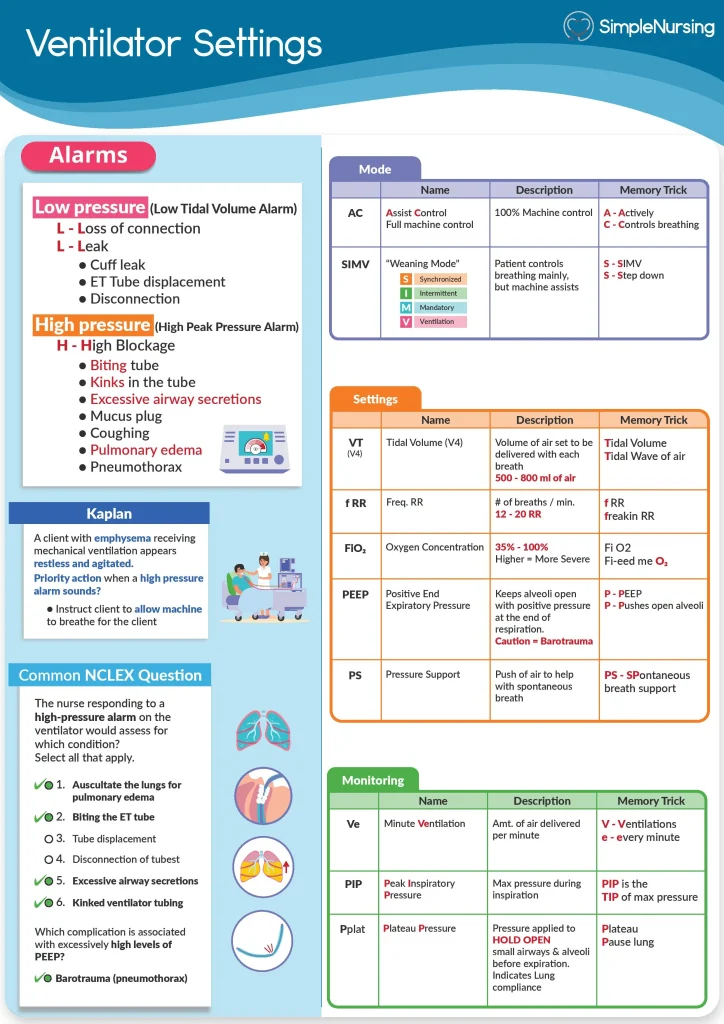
Have you ever wondered what “Minute Volume” means when you hear it mentioned on a ventilator? If you’re caring for someone on a ventilator or simply want to understand how these machines help with breathing, knowing about Minute Volume is key.
It’s a simple yet powerful number that tells you how much air moves in and out of the lungs every minute. Understanding this can give you clearer insight into your loved one’s breathing support or help you feel more confident if you work in healthcare.
Keep reading, and you’ll discover exactly what Minute Volume is, why it matters, and how it affects the way ventilators work.
Minute Volume Basics
Understanding the basics of minute volume on a ventilator helps in managing patient care effectively. Minute volume is a key measure used by healthcare providers to ensure patients get the right amount of air. It combines the number of breaths with the amount of air delivered each breath. This balance is vital for proper oxygen and carbon dioxide exchange in the lungs.
Definition And Significance
Minute volume is the total air a person breathes in one minute. It is calculated by multiplying the tidal volume by the respiratory rate. Tidal volume means the amount of air inhaled or exhaled per breath. Respiratory rate is the number of breaths taken per minute.
This measurement shows how well a ventilator supports breathing. It helps doctors adjust settings to meet patient needs. Too low minute volume can cause low oxygen levels. Too high minute volume can lead to lung injury. Monitoring minute volume is essential for safe ventilation.
How Minute Volume Is Measured
Minute volume is usually measured with sensors in the ventilator. These sensors track air flow and breaths per minute. The ventilator then calculates minute volume automatically. Healthcare providers can also calculate it manually using this formula:
| Minute Volume (L/min) | = | Tidal Volume (L) × Respiratory Rate (breaths/min) |
|---|
For example, if tidal volume is 0.5 liters and respiratory rate is 12 breaths per minute, the minute volume is 6 liters per minute.
Regular measurement ensures the patient’s ventilation is effective and safe. Adjustments are made based on clinical condition and blood gas results.
Minute Volume Components
Minute volume on a ventilator shows how much air moves in and out of the lungs per minute. It depends on two key parts. Understanding these parts helps in setting the ventilator correctly. This ensures the patient gets the right amount of air for breathing support.
Tidal Volume Role
Tidal volume is the air taken in or out with each breath. It affects how much oxygen reaches the lungs. A larger tidal volume means more air per breath. This helps patients who need more oxygen. Too much tidal volume can hurt the lungs. The ventilator must balance it well.
Respiratory Rate Impact
Respiratory rate is the number of breaths per minute. It controls how often air moves in and out. Higher rates increase the total air volume moved. Lower rates reduce the air exchanged. The right rate depends on the patient’s needs. It works with tidal volume to set minute volume.
Minute Volume In Ventilation
Minute volume on a ventilator measures how much air moves in and out of the lungs each minute. It is a key number in managing a patient’s breathing support. Minute volume equals the breath size (tidal volume) times the number of breaths per minute. This measure helps ensure patients get enough oxygen and remove enough carbon dioxide.
Adjusting Ventilator Settings
Changing minute volume involves adjusting tidal volume or breathing rate. Increasing tidal volume means bigger breaths. Raising the breathing rate means more breaths per minute. Both changes affect how much air reaches the lungs each minute. Careful adjustments help match the patient’s needs and avoid lung injury. Settings depend on the patient’s condition and response to treatment.
Effects On Patient Breathing
Minute volume impacts oxygen delivery and carbon dioxide removal. Too low minute volume can cause carbon dioxide buildup. Too high minute volume may overinflate the lungs, causing damage. Proper minute volume keeps breathing steady and effective. Monitoring and adjusting minute volume supports better patient comfort and recovery.

Credit: www.youtube.com
Clinical Importance
The clinical importance of minute volume on a ventilator cannot be overstated. Minute volume, or the total volume of air a patient breathes in a minute, is a crucial metric in assessing respiratory health. It’s not just about numbers; it’s about ensuring patients receive the right amount of air to meet their body’s needs.
Monitoring Respiratory Status
Minute volume helps in closely monitoring a patient’s respiratory status. By keeping an eye on this parameter, healthcare professionals can quickly detect any changes in a patient’s breathing pattern. Imagine noticing a sudden drop in minute volume; it could indicate the need for immediate intervention.
Regular monitoring allows for timely adjustments to ventilator settings. This proactive approach helps prevent complications and ensures optimal patient care. How often do you check your patients’ minute volume?
Implications For Different Conditions
Different medical conditions affect minute volume in various ways. For instance, patients with obstructive lung diseases like COPD may have a reduced minute volume. In contrast, those experiencing anxiety may have an increased minute volume due to hyperventilation.
Understanding these variations is key in tailoring treatment plans. Adjusting ventilator settings based on the condition can significantly improve patient outcomes. Do you tailor your approach based on the specific needs of each condition?
Troubleshooting Minute Volume Issues
Troubleshooting minute volume issues on a ventilator requires a clear understanding of what might be causing discrepancies between expected and actual ventilation. Minute volume represents the total amount of air a patient receives per minute, so any variation can affect oxygen delivery and patient comfort. Identifying problems early and adjusting settings carefully can prevent complications and improve outcomes.
Common Problems And Causes
- Leaks in the Circuit:Leaks around the endotracheal tube or ventilator tubing can reduce the delivered volume. You might notice alarms or inconsistent tidal volumes when leaks occur.
- Incorrect Ventilator Settings:Settings such as tidal volume, respiratory rate, or inspiratory time may not match the patient’s needs. This mismatch often leads to low or high minute volumes.
- Obstructions or Secretions:Blockages in the airway or tubing can limit airflow. Thick secretions can reduce tidal volume and impair ventilation efficiency.
- Patient-Ventilator Asynchrony:If the patient’s breathing efforts don’t sync with the ventilator, effective minute volume can drop, causing discomfort and fatigue.
- Equipment Malfunction:Faulty sensors or leaks in the ventilator itself can produce inaccurate readings and affect volume delivery.
Strategies To Optimize Ventilation
Start by checking the ventilator circuit for visible leaks or disconnections. Tighten connections and secure the endotracheal tube to minimize air loss.
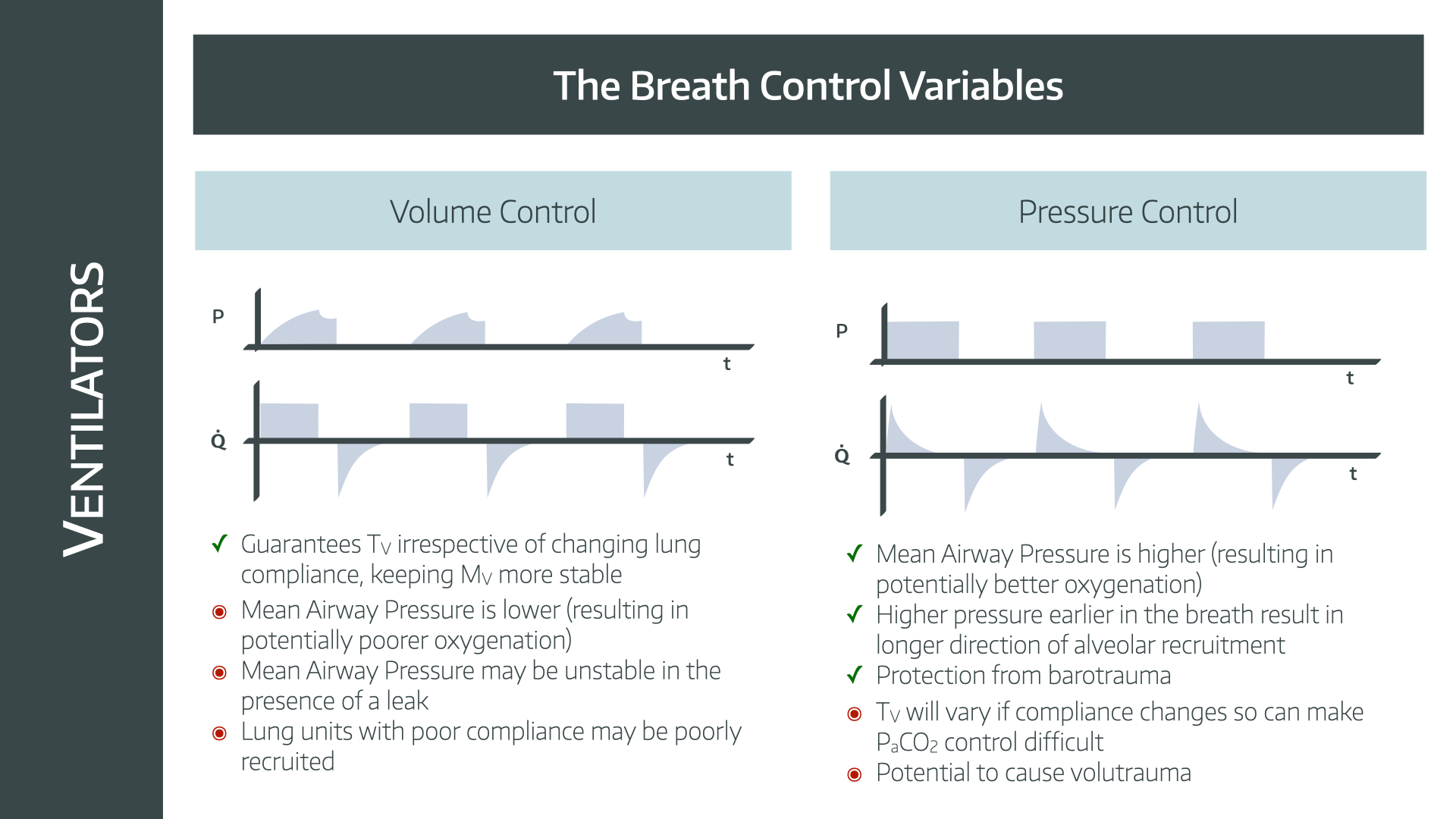
Adjust ventilator settings based on patient assessment and blood gas results. Sometimes, reducing respiratory rate while increasing tidal volume improves minute volume without causing lung injury.
Regular suctioning can clear secretions, restoring normal airflow. Be careful to avoid excessive suctioning, which can cause irritation or trauma.
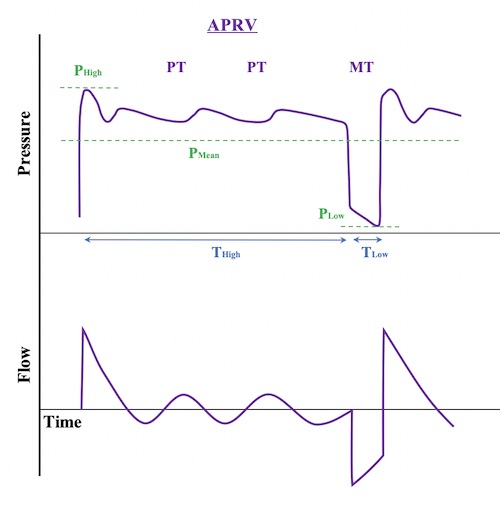
Monitor patient comfort and watch for signs of asynchrony, such as increased work of breathing or irregular respiratory patterns. Adjust trigger sensitivity or mode to better match the patient’s efforts.
Finally, ensure your equipment is properly maintained and calibrated. Routine checks help catch malfunctions early before they impact ventilation.
Have you ever adjusted ventilator settings only to find the minute volume still off? Sometimes the solution lies in subtle changes or double-checking connections rather than drastic setting shifts. What small adjustments have you found most effective in your experience?
Credit: www.anaestheasier.com
Credit: traumaicu.org
Frequently Asked Questions
What Is Minute Volume On A Ventilator?
Minute volume is the total air volume a patient breathes per minute. It equals tidal volume multiplied by respiratory rate. It helps monitor ventilation effectiveness and adjust ventilator settings.
Why Is Minute Volume Important In Ventilation?
Minute volume ensures adequate oxygen delivery and carbon dioxide removal. It guides clinicians to maintain proper lung function and prevent respiratory complications.
How Is Minute Volume Calculated On A Ventilator?
Minute volume is calculated by multiplying tidal volume (air per breath) by respiratory rate (breaths per minute). This gives the total air volume moved each minute.
Can Minute Volume Affect Patient Outcomes?
Yes, correct minute volume settings optimize gas exchange and reduce lung injury risks. Improper settings may cause hypoventilation or hyperventilation, impacting recovery.
Conclusion
Minute volume on a ventilator shows how much air a patient breathes each minute. It helps doctors check breathing and adjust settings. Watching minute volume keeps patients safe and comfortable. Knowing this term makes understanding ventilator care easier. Always ask healthcare providers to explain if confused.
Clear breathing means better recovery and health. Simple, clear, and important.



