
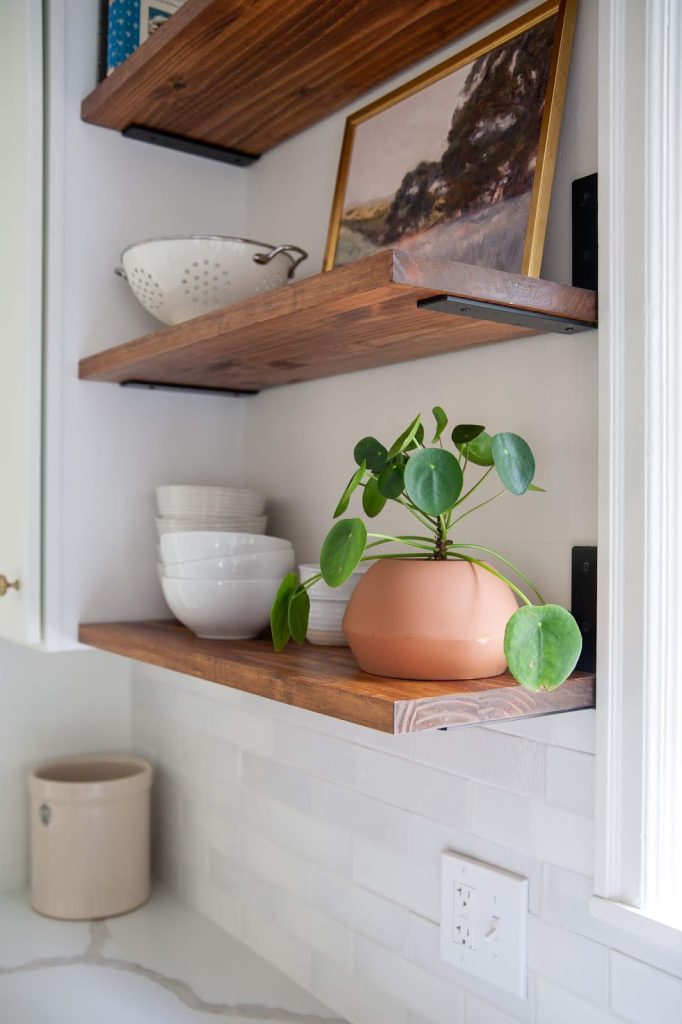
Are you wondering how far apart to hang floating shelves to make your space look just right? Getting the spacing wrong can make your shelves look cluttered or awkward.
But when you place them perfectly, they add style and function without taking up much room. You’ll discover simple tips and tricks to find the ideal distance between your floating shelves. By the end, you’ll have the confidence to arrange your shelves in a way that looks balanced and enhances your space beautifully.
Keep reading to unlock the secrets to perfect shelf spacing!

Credit: sorbushome.com
Choosing Shelf Height
Choosing the right height for your floating shelves makes a big difference in your room’s look and function. It helps keep things balanced and easy to use. Proper shelf height depends on many factors, such as room use, nearby furniture, and personal comfort. Setting the right height also helps your shelves show off your items well.
Consider Room Function
Think about what the room is for before hanging shelves. In kitchens, shelves should be easy to reach for cooking tools. In living rooms, shelves can be higher to hold decor or books. In bathrooms, keep shelves low enough to grab towels or toiletries quickly. The shelf height should match how you will use the space daily.
Account For Furniture Placement
Look at the furniture near your shelves. Leave enough space above couches, desks, or dressers. Shelves too close to furniture can feel cramped and cluttered. A good rule is to keep 12 to 18 inches between furniture tops and shelves. This gives room for items and keeps the area open and neat.
Eye Level Preferences
Place shelves at or near eye level for easy viewing and access. Most people find 57 to 60 inches from the floor comfortable. This height works well for displaying art, photos, or collectibles. Adjust slightly based on who uses the shelves most and what items will be placed on them.
Spacing Between Shelves
Spacing between floating shelves affects both look and use. Proper gaps create balance and keep shelves functional. Too close or too far changes the room’s feel. Consider shelf purpose and room style for best spacing.
Standard Distance Guidelines
Most floating shelves need 10 to 12 inches between them. This space fits most books and decor items comfortably. For taller items, increase the gap to 14-16 inches. Keep at least 6 inches above the highest item on the shelf.
Adjusting For Shelf Contents
Think about what you place on shelves. Small items like candles need less height. Large items like vases or picture frames need more space. Leave extra room for easy access and dusting. Adjust spacing based on your collection size and shape.
Balancing Aesthetics And Function
Spacing should look clean and feel practical. Equal gaps create a neat, organized appearance. Odd spacing can add interest but avoid clutter. Mix shelf heights for dynamic display. Test with your items before final installation.
Wall And Room Size Impact
Choosing the right spacing for floating shelves depends on wall and room size. A well-planned arrangement enhances aesthetics and functionality. Correct spacing prevents a cluttered or awkward look.
Small Vs Large Walls
Small walls demand careful shelf placement. Too many shelves crowd the space. Leave enough room between them for a balanced look. Large walls offer more flexibility. You can hang multiple shelves without overcrowding. Consider the room’s purpose and decor style.
Using Vertical Space Efficiently
Maximize vertical space with tall shelves. This draws the eye upward, making the room feel larger. Floating shelves at different heights create visual interest. This approach is perfect for displaying art or books.
Avoiding Cluttered Looks
A cluttered wall overwhelms the senses. Maintain a clean look by spacing shelves evenly. Use fewer, larger shelves for a minimalist style. Display only essential items to keep the area tidy. Balance is key to a pleasing arrangement.

Credit: www.yahoo.com
Shelf Depth And Width Considerations
Choosing the right shelf depth and width is key for floating shelves. Proper dimensions ensure the shelves look balanced and hold your items safely. Size affects both style and function. Shelves too shallow or too wide can cause problems. Understanding your needs helps you decide the best measurements. Consider what you will place on the shelves and how much space you have.
Matching Shelf Size To Items
Pick shelf depth based on the size of your items. Small decor needs shallow shelves, usually 6 to 8 inches deep. Books and larger objects require deeper shelves, about 10 to 12 inches. Width depends on wall space and item width. Don’t choose shelves wider than 36 inches without extra support. Balance shelf size with item size for a neat look.
Safety And Stability Factors
Deeper and wider shelves hold more weight but need strong anchors. Use wall studs or heavy-duty brackets for stability. Avoid hanging wide shelves on drywall alone. Heavy items must be placed close to the wall. Keep shelves balanced to prevent tipping or sagging. Proper shelf depth and width reduce the risk of accidents.
Material And Style Effects
The material and style of your floating shelves play a big role in deciding how far apart you should hang them. Different materials have different strengths, which affects their weight capacity. Meanwhile, the style influences the visual balance and how the shelves fit into your room’s design.
Weight Capacity Variations
Wooden shelves, especially hardwoods like oak or walnut, can hold more weight and allow you to space them further apart. Lighter materials like MDF or particleboard are less sturdy, so shelves made from these need to be closer together to avoid sagging.
Metal shelves often support heavy items and can be spaced wider apart, but their thickness and bracket design affect this too. Glass shelves look sleek but require shorter distances between them because they can’t carry heavy loads safely.
Think about what you plan to put on your shelves. Are they mostly decorative items or heavy books? Your shelf’s material must match the expected weight, or you’ll risk damage and unsafe setups.
Visual Flow And Design Harmony
Your shelves should create a smooth visual flow, making the space feel balanced and intentional. Wider gaps between shelves can make a room feel open and airy, but too much space might look disconnected, especially with smaller or minimalist shelf styles.
Stacked wooden shelves with thick edges often look best with moderate spacing—enough to show off the grain and style without crowding. Thin, metal-frame shelves can be hung closer together to create a layered effect that feels dynamic.
Ask yourself how you want your shelves to interact with the wall and other décor. Do you want them to stand out or blend in? The spacing will affect whether the shelves become a focal point or a subtle backdrop.

Credit: www.create-enjoy.com
Practical Installation Tips
Installing floating shelves requires more than just picking a spot on the wall. Proper spacing ensures the shelves look balanced and hold weight safely. Small details like where to place screws and how to measure can make a big difference. Follow these practical tips to get your shelves right the first time.
Using Studs And Anchors
Studs provide the strongest support for floating shelves. Use a stud finder to locate them inside the wall. Mark the stud positions clearly before drilling. If studs are not in the right spot, use heavy-duty wall anchors. Choose anchors rated for the shelf weight. Secure screws tightly to avoid shelf wobbling.
Leveling And Measuring Accurately
Measure the distance between shelves carefully to keep even spacing. Use a tape measure for precise lengths. Mark the wall lightly with a pencil where each shelf will go. A level tool ensures shelves sit straight and do not tilt. Check the level several times during installation to maintain accuracy.
Spacing Tools And Templates
Templates help maintain consistent gaps between shelves. Create paper or cardboard guides to mark screw holes. Use spacing tools or rulers to set equal distances from the ceiling and floor. These tools simplify the process and prevent guesswork. Keep templates handy for future shelf projects.
Frequently Asked Questions
How Far Apart Should Floating Shelves Be Spaced?
Floating shelves should be spaced 12 to 18 inches apart vertically. This distance balances aesthetics and functionality. It allows enough room for items without crowding. Adjust spacing based on shelf size and wall height for best results.
What Is The Ideal Height For Hanging Floating Shelves?
The ideal height is typically 48 to 60 inches from the floor. This range keeps shelves within easy reach and eye level. Adjust based on room use and furniture placement to ensure comfort and visual appeal.
Can Floating Shelves Be Spaced Unevenly For Design?
Yes, uneven spacing can create an artistic look. Use varied distances to add visual interest. Ensure shelves are securely anchored to support weight despite uneven gaps.
How Much Weight Can Floating Shelves Hold?
Weight capacity varies by shelf size and mounting hardware. Generally, floating shelves hold 15 to 25 pounds. Use heavy-duty anchors for heavier items to prevent damage or sagging.
Conclusion
Choosing the right distance between floating shelves affects your room’s look. Keep shelves spaced enough to hold your items safely. Too close or too far can feel unbalanced. Measure the wall space before you start hanging. Adjust spacing based on what you want to display.
Small shelves need less space; bigger ones need more. Proper spacing keeps your shelves neat and functional. Enjoy arranging your space with confidence and style.



