
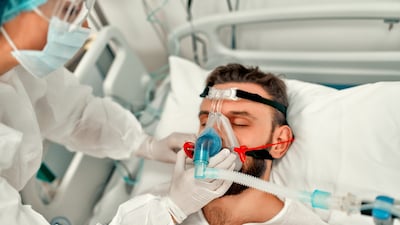
If you or a loved one is facing the need for a ventilator, you probably have many questions. One of the most pressing is: How long can a person stay on a vent?
Understanding this can ease your worries and help you prepare for what lies ahead. You’ll discover the key factors that affect ventilator use, what to expect during this time, and how recovery works. Keep reading to get clear answers and feel more in control of the situation.
:max_bytes(150000):strip_icc()/VWH-GettyImages-2167868871-b88f6330bc23401abcbcf2ca9f3a647a.jpg)
Credit: www.verywellhealth.com
Ventilation Basics
Understanding ventilation basics helps explain how ventilators support breathing. Ventilators assist patients who cannot breathe well on their own. They deliver oxygen and remove carbon dioxide from the lungs. Medical teams use ventilators in hospitals and emergency settings. Knowing the purpose and types of ventilators clarifies how they help patients during critical times.
Purpose Of Mechanical Ventilation
Mechanical ventilation supports breathing when lungs fail. It helps in cases like lung injury, surgery recovery, or severe illness. Ventilators keep oxygen flowing into the blood. They also remove waste gases, like carbon dioxide. This support can be temporary or long-term depending on the patient’s health. Ventilation reduces the work the lungs must do. It allows the body to rest and heal.
Types Of Ventilators
Ventilators come in different types based on how they work. Some common types include:
- Invasive Ventilators:Tubes are placed in the airway to deliver air.
- Non-invasive Ventilators:Masks cover the nose or mouth without tubes.
- Portable Ventilators:Small machines used outside the hospital.
- High-Frequency Ventilators:Deliver rapid, small breaths to protect lungs.
Each type fits different medical needs and patient conditions. Doctors choose the best type for each situation.
Factors Affecting Duration
The length of time a person stays on a ventilator varies widely and depends on several important factors. Understanding these factors can help you better grasp why some patients recover quickly while others require long-term support. Let’s look at what influences the duration of ventilation.
Underlying Medical Conditions
Your overall health condition plays a major role in how long you might need mechanical ventilation. People with chronic lung diseases like COPD or severe pneumonia often require longer support. Conditions like heart failure or neurological disorders can also slow recovery and extend ventilator use.
Think about someone with a sudden lung injury versus someone with ongoing lung damage. The first might only need a few days, while the latter could need weeks. Have you considered how your existing health issues might affect your recovery timeline?
Patient Age And Health
Age impacts the body’s ability to heal and respond to treatment. Younger patients typically recover faster and spend less time on a ventilator. Older adults may face more challenges due to weaker immune systems and slower tissue repair.
Besides age, your general health before ventilation matters. A well-nourished and physically active person usually has better resilience. Could focusing on improving your health now reduce complications if you ever need ventilation?
Complications During Ventilation
Complications can quickly change the course of ventilation duration. Issues like infections, lung damage from the ventilator itself, or problems with sedation can prolong the need for support. These complications often require additional treatments, delaying recovery.
Sometimes, even minor setbacks can extend ventilation time by days or weeks. That’s why medical teams closely monitor patients to catch problems early. Have you ever wondered how such complications might be prevented or managed effectively?
Short-term Ventilation
Short-term ventilation supports patients who need breathing help for a limited period. This type of ventilation is common in hospitals and can be life-saving during critical moments. Understanding how long someone might stay on a ventilator helps you prepare mentally and physically for the journey ahead.
Typical Timeframes
Most short-term ventilation lasts from a few hours up to several days. Many patients come off the ventilator within 48 to 72 hours once their condition improves. However, the exact duration depends on the reason for ventilation and the patient’s overall health.
You might wonder why some people need just a day or two while others stay longer. This variation often reflects how quickly the underlying issue, like surgery recovery or infection, resolves.
Common Scenarios
- Post-surgery recovery:Many patients receive ventilation after major surgeries to ensure stable breathing while waking up from anesthesia.
- Severe infections:Conditions like pneumonia can temporarily impair breathing, requiring short-term support.
- Accidents or trauma:Injuries affecting the lungs or brain may need ventilation until the body stabilizes.
Imagine a friend who needed a ventilator after a car accident. They were on it for four days, and each day brought noticeable improvement. This shows how short-term ventilation can be a bridge to recovery rather than a long-term dependency.
Have you ever considered how medical teams decide the right moment to remove the ventilator? It often involves careful monitoring and tests to ensure you can breathe independently again.
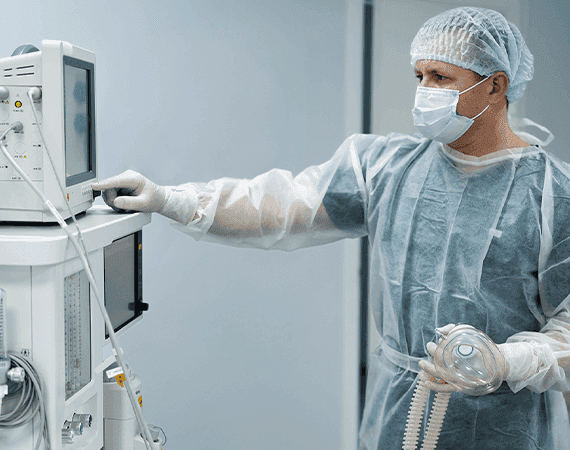
Credit: www.apexhospitals.com
Long-term Ventilation
Long-term ventilation supports breathing for people who cannot breathe well on their own. It can last from weeks to years, depending on the health condition. This type of care helps maintain oxygen levels and remove carbon dioxide. It improves life quality for many patients with chronic respiratory problems.
When Extended Support Is Needed
Extended ventilation is needed for patients with severe lung or nerve diseases. Conditions like chronic obstructive pulmonary disease (COPD), spinal cord injuries, or muscular dystrophy often require long-term support. Sometimes, patients recover slowly and need extra time on a ventilator. Others may need it permanently to survive.
Doctors decide based on tests and how well the lungs work. Long-term ventilation prevents complications like low oxygen or lung damage. Care teams monitor patients closely to adjust settings and avoid infections.
Home Ventilation Options
Many patients use ventilators at home to stay comfortable and active. Home ventilation allows more freedom and reduces hospital stays. Portable machines and masks make it easier to breathe outside the hospital.
- Non-invasive ventilation with masks for mild cases
- Tracheostomy tubes for stronger, long-term support
- Continuous monitoring with remote devices
- Training caregivers for daily care and emergencies
Choosing home ventilation depends on the patient’s health, home setup, and caregiver support. This option improves independence and may lower healthcare costs.
Risks Of Prolonged Ventilation
Prolonged ventilation can be lifesaving. But it carries significant risks. These risks affect the lungs, muscles, and immune system. Understanding these risks can help prepare families and patients. It’s crucial to be aware and informed about potential complications.
Lung Damage
Extended use of a ventilator can harm the lungs. The air pressure from the machine can cause injury. This may lead to a condition known as ventilator-associated lung injury. Such injuries can cause inflammation and scarring. This makes it hard for the lungs to function properly.
Infections
Infections are a common risk with long-term ventilation. The breathing tube bypasses natural defenses. This makes it easier for germs to enter the lungs. Ventilator-associated pneumonia is a serious concern. Infections can lead to longer hospital stays and complicate recovery.
Muscle Weakness
Being on a ventilator can weaken the muscles. This includes both respiratory and general body muscles. Lack of movement causes muscle loss over time. Patients may find it hard to regain strength. Rehabilitation and physical therapy are often necessary for recovery.
Weaning Off The Ventilator
Duration on a ventilator varies depending on the patient’s health and recovery speed. Doctors carefully monitor and gradually reduce support during weaning. This process helps patients regain breathing strength safely.
Weaning off a ventilator is a critical phase in the recovery process for patients who have relied on mechanical support to breathe. It requires careful monitoring and a structured approach to ensure a smooth transition back to independent breathing. This phase often tests the resilience of both the patient and the healthcare team. Understanding the nuances of weaning can help in preparing for potential challenges and celebrating small victories along the way.Assessment Criteria
Before weaning begins, healthcare providers assess whether a patient is ready to breathe independently. This involves checking vital signs, lung function, and overall strength. Doctors often look for stability in oxygen levels and the absence of infections or complications. Are you aware of how these small indicators can make a significant difference in the weaning process?Weaning Techniques
Various techniques are employed to gradually reduce ventilator support. Spontaneous breathing trials are common, allowing patients short periods to breathe on their own. Pressure support ventilation can assist in reducing the work of breathing. Have you ever considered how these techniques might feel from the patient’s perspective, regaining control breath by breath?Challenges During Weaning
Weaning can come with its own set of challenges. Patients may experience anxiety or difficulty adjusting to breathing independently. Physical weakness can also hinder progress, requiring additional rehabilitation support. How would you manage these emotional and physical hurdles if you were in the patient’s shoes? The journey from ventilator dependence to independent breathing is complex but achievable with the right support and strategies. By understanding the intricacies of weaning, you can better appreciate the efforts of those involved in this delicate process.Patient Care During Ventilation
Patient care during ventilation is a critical aspect of managing individuals who require mechanical breathing support. It goes beyond just keeping the patient alive; it involves continuous assessment, emotional support, and active participation from loved ones to improve outcomes. Understanding what happens behind the scenes can help you feel more confident and involved if you or someone you care about faces ventilation.
Monitoring And Support
Continuous monitoring is essential to ensure the ventilator settings match the patient’s needs. Healthcare providers track vital signs like oxygen levels, lung function, and carbon dioxide removal to adjust the machine promptly.
Supportive care also includes preventing infections and maintaining nutrition. Nurses often check the patient’s airway for blockages and provide oral care to reduce the risk of pneumonia.
Have you ever wondered how tiny adjustments in ventilation can impact recovery? That’s why close observation and quick responses are so important during this phase.
Psychological Considerations
Being on a ventilator can be frightening and disorienting. Patients may experience anxiety, confusion, or feelings of isolation, especially if they cannot speak or move freely.
Healthcare teams often use sedation carefully to keep patients calm while encouraging communication through simple gestures or communication boards. This balance helps maintain mental well-being and reduces stress.
Imagine being unable to express your needs—how would you want caregivers to respond? Addressing psychological health is as crucial as managing physical symptoms.
Family Involvement
Families play a vital role during ventilation. Their presence offers emotional comfort and motivation, which can significantly influence recovery.
Medical staff encourage family members to participate in care activities like helping with daily hygiene or simply talking to the patient. This involvement helps maintain a connection and promotes hope.
Have you considered how your support might change a patient’s experience? Being informed and engaged can make a real difference in their journey on the ventilator.

Credit: www.goodrx.com
Advances In Ventilation Technology
Advances in ventilation technology have significantly changed how long a person can safely stay on a ventilator. These improvements not only enhance patient comfort but also reduce risks associated with prolonged ventilation. Understanding these innovations can help you better grasp the possibilities and limits of ventilator support.
Improved Ventilator Designs
Modern ventilators are smarter and more adaptable than ever before. They monitor your breathing patterns and adjust support to match your natural efforts, which helps prevent muscle weakness from over-assistance.
Newer machines come with features like better alarms and user-friendly interfaces, making it easier for healthcare providers to fine-tune treatment. This means fewer complications and potentially shorter ventilation times.
Have you ever wondered how technology can make such a critical process feel less intimidating? These designs focus on comfort and safety, which can make a big difference in recovery.
Non-invasive Alternatives
Non-invasive ventilation (NIV) uses masks or nasal devices instead of tubes inserted into the windpipe. This method lowers the risk of infections and allows patients to communicate and eat more easily.
For many, NIV can be a bridge to avoid or shorten time on invasive ventilation. It’s especially useful for people with chronic respiratory conditions or those recovering from surgery.
Could using less invasive options reduce your chances of long-term complications? Exploring these alternatives with your medical team might open up new paths for care.
Frequently Asked Questions
How Long Can A Person Safely Stay On A Ventilator?
The duration varies widely, typically from days to weeks. It depends on the patient’s condition and recovery progress. Doctors monitor closely to avoid complications and decide when to wean off the ventilator.
What Factors Influence Ventilation Duration For Patients?
Age, underlying health, lung function, and illness severity affect ventilation time. Complications like infections can extend the need for mechanical breathing support.
Can Long-term Ventilation Cause Complications?
Yes, prolonged ventilation can lead to lung infections, muscle weakness, and airway damage. Careful monitoring and timely weaning reduce these risks.
How Do Doctors Decide When To Remove A Ventilator?
They assess breathing strength, oxygen levels, and overall health improvement. Successful trials of spontaneous breathing signal readiness to wean off ventilation.
Conclusion
The time a person stays on a ventilator varies a lot. Many factors affect this, like the illness and overall health. Doctors watch patients closely to decide the right time to stop. Long use can cause problems, so careful care is key.
Families should stay informed and ask questions. Each case is unique and needs special attention. Understanding this helps people feel more prepared and less worried. Ventilators save lives but require patience and teamwork.



