

Have you ever wondered who keeps your home or office comfortable, no matter the season? That’s where an HVAC tech comes in.
These skilled professionals make sure your heating, ventilation, and air conditioning systems work perfectly. If you want to understand what an HVAC tech does and why their work matters to your everyday comfort, keep reading. This guide will open your eyes to a world of cool breezes and warm nights, all thanks to the experts behind the scenes.
Credit: capstonecollege.edu
Role Of An Hvac Tech
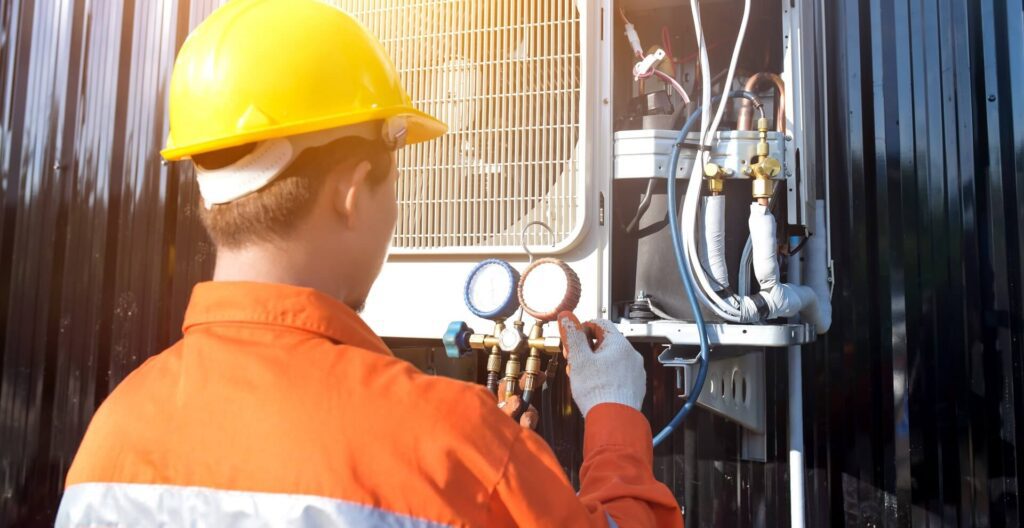
The role of an HVAC tech is vital for comfortable living and working spaces. These professionals install, maintain, and repair heating, ventilation, and air conditioning systems. Their work ensures indoor air quality and temperature control. HVAC techs use technical skills and tools to solve system issues quickly and efficiently.
Daily Responsibilities
- Inspect HVAC systems for performance and safety
- Diagnose mechanical or electrical faults
- Repair or replace faulty components
- Perform routine maintenance to prevent breakdowns
- Install new heating or cooling units
- Communicate with customers about repairs and costs
- Keep detailed records of services and repairs
Work Environments
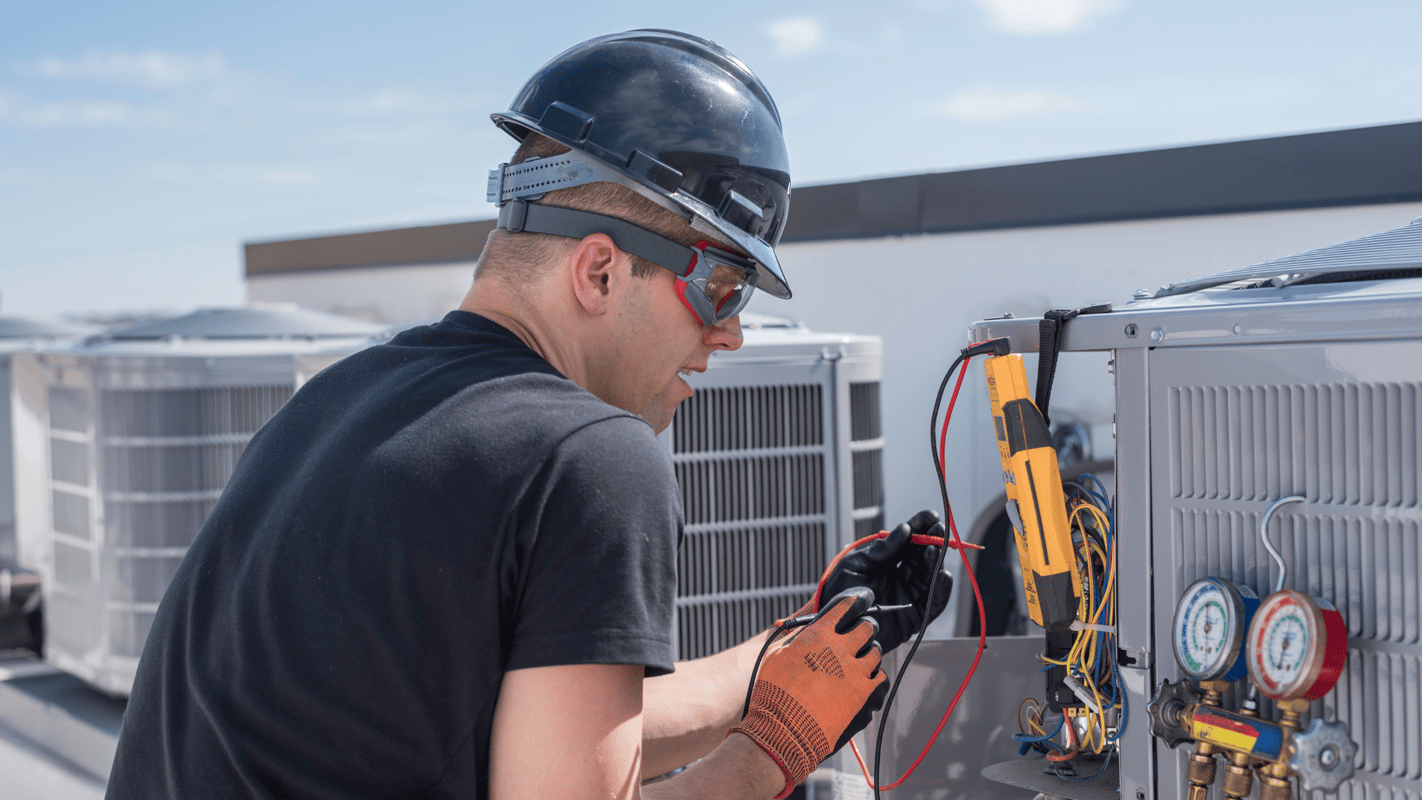
HVAC techs work in various settings. They often visit homes, offices, and commercial buildings. Some work indoors, while others handle outdoor units. The job requires physical activity and sometimes working in tight spaces. Weather conditions can affect outdoor tasks. Safety measures are important to avoid accidents.
Types Of Hvac Systems
- Central air conditioning systems
- Furnaces and heat pumps
- Boilers for heating water
- Ventilation systems for air circulation
- Refrigeration units for cooling
- Hybrid systems combining multiple technologies
Credit: dreambound.com
Key Skills For Success
Success as an HVAC tech depends on a mix of skills. These skills help handle tasks smoothly and keep customers happy. Knowing what skills matter guides new techs to grow and improve.
Technical Knowledge
HVAC techs must understand heating, cooling, and ventilation systems. This includes reading blueprints and using diagnostic tools. Techs learn about electrical circuits, refrigeration, and system design. Strong technical knowledge speeds up repairs and avoids mistakes.
Problem Solving
Every job has its challenges. Good techs find the root cause of issues fast. They think clearly under pressure and try different fixes. Problem solving helps save time and money for clients.
Customer Service
Techs often talk directly with customers. Clear communication builds trust and explains work done. Friendly behavior makes customers feel comfortable. Good service encourages repeat business and positive reviews.
Safety Practices
Working with electrical parts and chemicals is risky. HVAC techs follow strict safety rules to avoid accidents. Wearing protective gear and proper handling of tools is crucial. Safety ensures techs stay healthy and jobs go well.
Training And Certification
Training and certification are crucial for anyone aiming to become a skilled HVAC technician. The HVAC field demands both strong technical knowledge and hands-on experience to handle complex heating, ventilation, and air conditioning systems safely and efficiently. Understanding the different educational pathways, certifications, and apprenticeship opportunities will help you plan your career and stand out in this competitive industry.
Educational Pathways
Starting with a solid education is essential. Many HVAC techs begin with a high school diploma or GED, then move on to technical schools or community colleges offering HVAC programs. These programs typically last from six months to two years and cover basics like electrical systems, refrigeration, and system design.
Some schools offer associate degrees, which provide deeper knowledge and can open doors to supervisory roles later. Have you checked out local schools near you to see what HVAC courses they offer? Attending a reputable program can give you a strong foundation before entering the workforce.
Certifications To Pursue
Certifications validate your skills and improve job prospects. The Environmental Protection Agency’s (EPA) Section 608 certification is mandatory for anyone working with refrigerants. This certificate ensures you understand how to handle these substances safely and legally.
Other valuable certifications include:
- NATE (North American Technician Excellence):A well-respected certification that tests real-world HVAC knowledge.
- HVAC Excellence:Offers specialized certifications in areas like heat pumps or gas heating.
- RSES Certification:Provided by the Refrigeration Service Engineers Society, focusing on advanced skills.
Which certification aligns best with your career goals? Earning one can increase your earning potential and give employers confidence in your expertise.
Apprenticeship Programs
Apprenticeships blend classroom learning with paid, on-the-job training. These programs usually last 3 to 5 years and are often sponsored by unions, contractors, or trade organizations. You’ll work under experienced technicians, gaining practical skills you won’t get from books alone.
During an apprenticeship, you learn troubleshooting, installation, and maintenance in real-world settings. This experience can make you more confident and job-ready. Have you considered reaching out to local unions or companies to find available apprenticeships? It’s a smart way to build your career while earning money.
Career Growth Opportunities
Career growth opportunities for HVAC technicians are both diverse and rewarding. Whether you’re just starting out or have years of experience, there are clear paths to expand your skills and boost your income. Understanding these paths helps you plan your next steps and stay motivated in a competitive field.
Advancement Paths
As an HVAC tech, you can progress from entry-level roles to supervisory or management positions. Many technicians move into roles like HVAC supervisor, project manager, or even start their own service business. Gaining experience on the job and earning certifications like EPA Section 608 or NATE can speed up your climb.
Have you thought about combining hands-on work with leadership? Leading a team or managing projects offers new challenges and financial rewards.
Specializations
Specializing in a particular area can make you stand out and increase your job security. Some focus on refrigeration systems, others on commercial HVAC or green energy solutions like solar-powered HVAC. Certifications in these niches help you attract better-paying clients or employers.
- Working with smart HVAC systems and automation
- Becoming an expert in energy efficiency and sustainability
- Focusing on troubleshooting and repair of complex systems
Which specialization aligns best with your interests? Diving deep into one area can turn your job into a passion and open doors to exclusive projects.
Industry Trends
The HVAC industry is evolving with new technologies and environmental standards. Staying updated on trends like IoT integration, eco-friendly refrigerants, and energy-efficient designs keeps your skills in demand. Many employers value tech-savvy technicians who can adapt quickly.
Ask yourself: Are you ready to learn the latest tools and software? Continual learning can future-proof your career and increase your earning potential.
Challenges In The Hvac Field
An HVAC tech installs, repairs, and maintains heating and cooling systems. Challenges include handling complex equipment and working in tight spaces. They must stay updated on new technology and safety rules.
In the fast-paced world of HVAC technology, professionals face a variety of challenges that require both physical and mental agility. With the job’s unique demands, it’s crucial to understand these hurdles to better appreciate the role and its demands. This exploration into the challenges faced by HVAC techs will shed light on the daily realities of this essential profession.Physical Demands
The life of an HVAC technician is physically demanding. You’ll find yourself lifting heavy equipment, navigating tight spaces, and working in extreme temperatures. An HVAC tech’s day might start with a routine installation but quickly escalate to an emergency repair that tests physical endurance. Consider the wear and tear on your body over the years. It’s essential to maintain a fitness routine to keep up with the physical demands. How do you prepare your body for such challenges, and what practices can you adopt to reduce the risk of injury?Technological Changes
The HVAC field is constantly evolving with new technologies. Staying updated with the latest trends requires ongoing education and adaptation. Imagine finding out that the software you mastered last year is now outdated. To thrive, you need to embrace lifelong learning. Enroll in training programs and workshops to stay ahead. How do you ensure that your skills remain relevant in this ever-changing landscape?Seasonal Workload
The demand for HVAC services often fluctuates with the seasons. During summer and winter, workloads can become overwhelming due to extreme weather conditions. Picture working nonstop during a heatwave to ensure families stay cool. Conversely, off-peak seasons might offer more downtime, but this can affect your income. Planning and financial management become crucial in balancing these highs and lows. How do you prepare for periods of high demand, and how can you make the most of quieter times?Tips For Aspiring Hvac Technicians
Starting a career as an HVAC technician requires more than just technical skills. It demands hands-on experience, strong connections, and ongoing learning. These tips will help you build a solid foundation and grow in the HVAC field.
Building Experience
Experience is key to understanding HVAC systems fully. Seek internships or entry-level jobs to practice your skills. Volunteer for different tasks to gain a wide range of knowledge. Work on real equipment to improve your confidence and problem-solving ability. Document your work to track your progress and skills.
Networking Strategies
Connecting with professionals opens doors to job opportunities and advice. Attend local industry events or trade shows. Join HVAC forums and social media groups to meet peers. Ask experienced technicians for mentorship or guidance. Keep in touch with contacts regularly to build lasting relationships.
Continuing Education
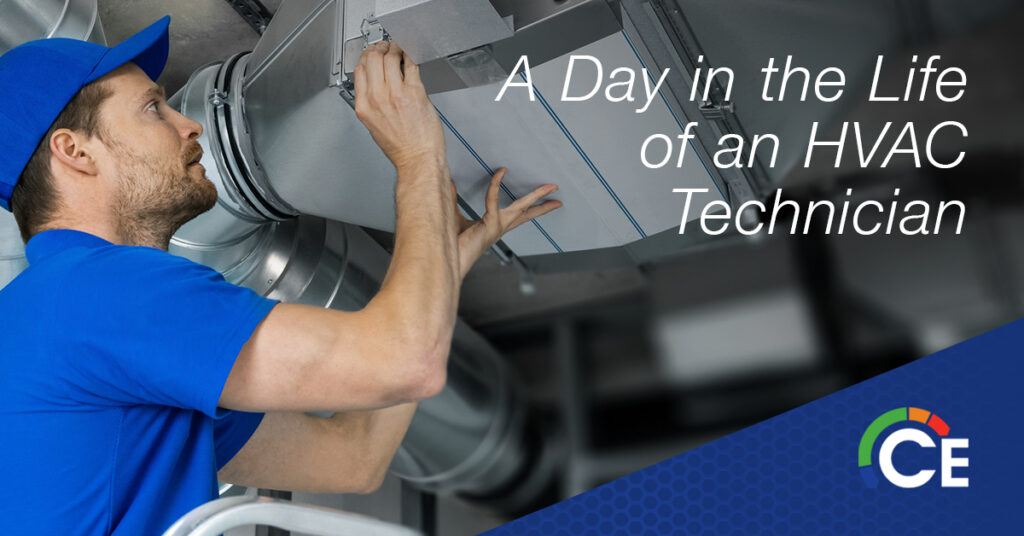
Technology in HVAC constantly changes. Take courses to stay updated on the latest systems and tools. Obtain certifications to prove your expertise and improve your resume. Read industry magazines and watch tutorials to learn new techniques. Learning never stops in the HVAC trade.
Credit: www.carrierenterprise.com
Frequently Asked Questions
What Does An Hvac Tech Do Daily?
An HVAC tech installs, maintains, and repairs heating and cooling systems. They ensure systems run efficiently and safely. Regular tasks include inspecting equipment, diagnosing issues, and replacing faulty parts. Their work keeps indoor environments comfortable year-round.
How To Become A Certified Hvac Technician?
To become certified, complete a technical training program and gain hands-on experience. Then, pass certification exams like EPA 608. Certification proves your skills and knowledge. It improves job opportunities and compliance with industry standards.
What Skills Are Essential For Hvac Technicians?
Key skills include troubleshooting, mechanical knowledge, and customer service. HVAC techs must read blueprints and use diagnostic tools. Physical stamina and safety awareness are also crucial. These skills ensure efficient and safe system repairs.
How Much Do Hvac Technicians Earn Annually?
The average annual salary for HVAC technicians varies by location and experience. In the US, it typically ranges from $40,000 to $70,000. Experienced techs or specialists may earn more. Benefits and overtime pay can increase total income.
Conclusion
An HVAC tech keeps homes and buildings comfortable year-round. They install, repair, and maintain heating and cooling systems. Their work ensures good air quality and saves energy. Knowing what an HVAC tech does helps you appreciate their skills. These professionals solve problems quickly and keep systems running smoothly.
Now you understand the important role HVAC techs play in daily life.



