
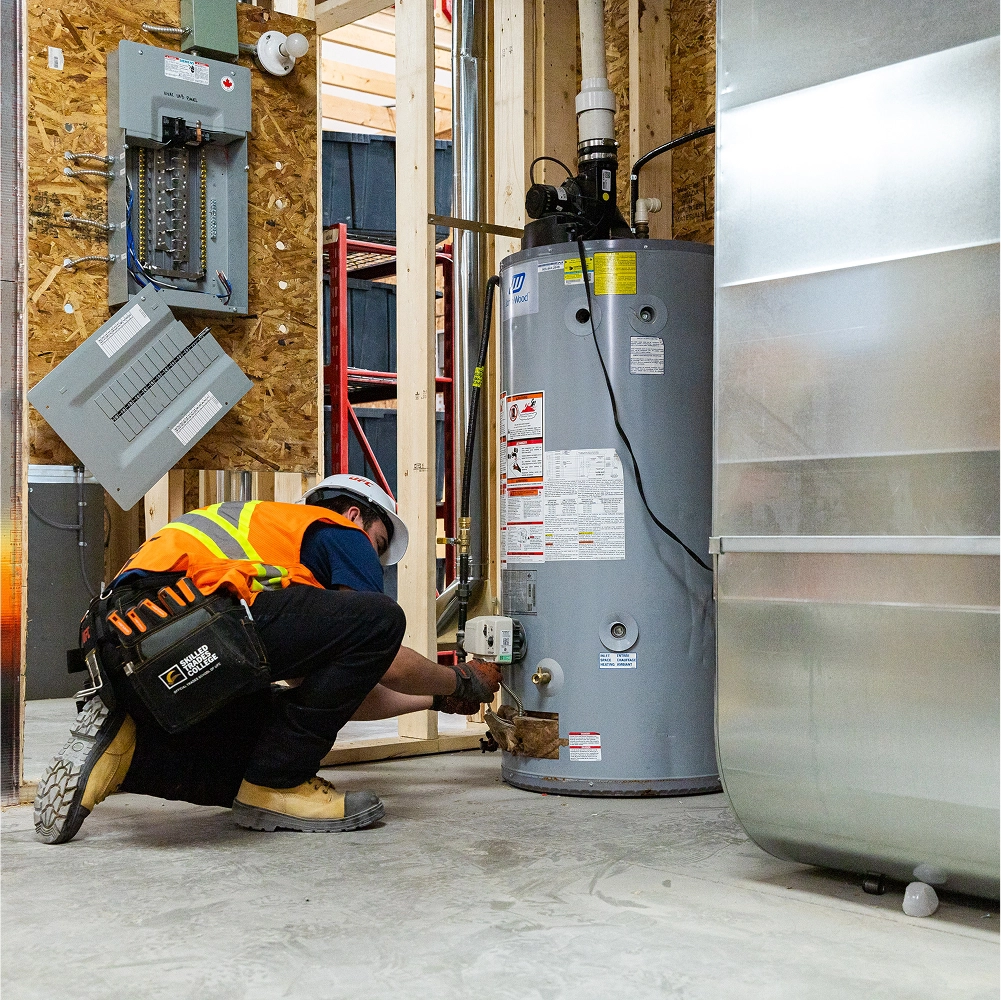
Are you thinking about a career in HVAC but wondering, how long is HVAC trade school? Knowing the length of your training helps you plan your future with confidence.
Whether you want to start working quickly or are balancing other commitments, the time it takes to complete HVAC school matters. You’ll discover exactly how long the programs usually last, what factors can speed up or slow down your path, and how to choose the right option for you.
Keep reading to find out what to expect and take the first step toward your new career.
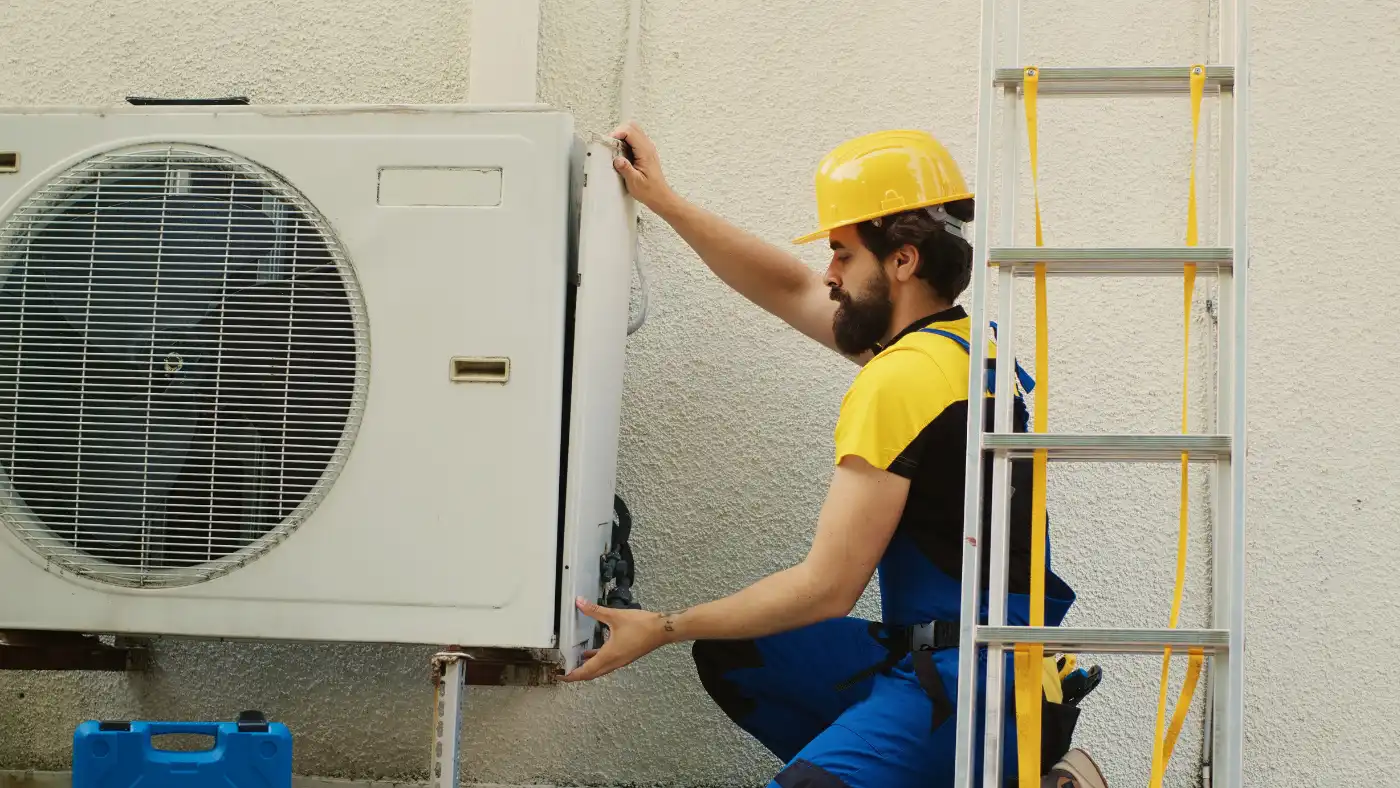
Credit: www.housecallpro.com
Hvac Trade School Duration
Understanding the duration of HVAC trade school is key to planning your career path effectively. The time you invest in training can vary widely depending on the program you choose and how you approach your studies. Knowing what to expect helps you balance your education with other commitments and start working sooner.
Typical Program Lengths
Most HVAC trade school programs last between 6 months to 2 years. Certificate programs often take about 6 to 12 months and focus on basic skills. Associate degree programs usually extend to 2 years, offering more in-depth knowledge and sometimes general education courses.
For example, I once knew someone who completed a certificate program in just 9 months and landed a job quickly. This shows how shorter programs can fast-track your entry into the field if you’re eager to start working.
Factors Affecting Duration
The length of your HVAC education depends on several factors:
- Program type:Certificate vs degree programs
- Curriculum depth:Hands-on training or theoretical focus
- State requirements:Licensing or certification demands
- Your prior experience:Some schools offer accelerated paths if you have background knowledge
Have you checked your state’s licensing rules? They might require more hours of training, extending your program length.
Full-time Vs Part-time Options
Trade schools often offer both full-time and part-time schedules. Full-time programs let you finish faster, sometimes within a year. However, part-time options give you flexibility if you’re working or have other responsibilities.
Choosing part-time might double your study period but reduce stress and allow you to apply what you learn immediately at work. Which schedule fits your lifestyle better?
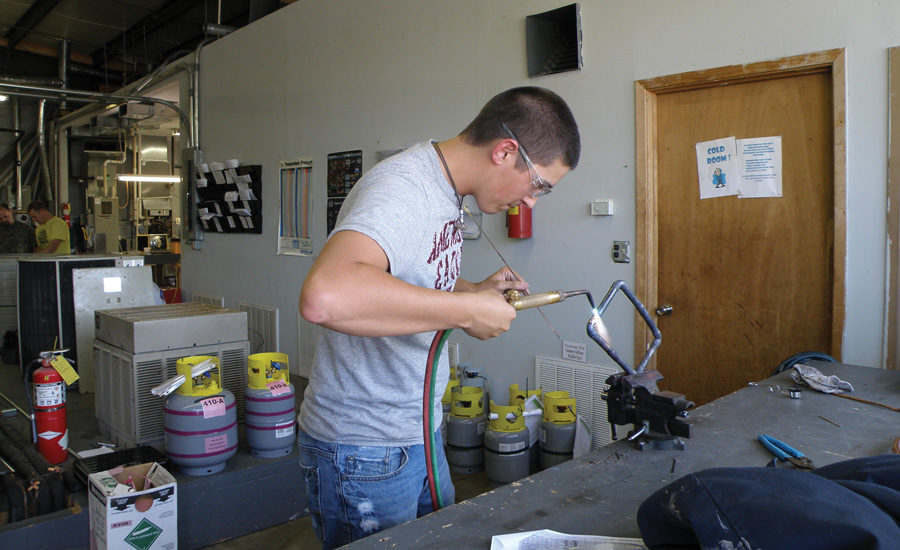
Credit: www.achrnews.com
Types Of Hvac Programs
Choosing the right HVAC program is key to starting your career on the right foot. Different programs offer varying lengths, costs, and depths of knowledge. Understanding these options helps you pick one that fits your goals and schedule.
Certificate Programs
Certificate programs are the quickest way to get your HVAC training, often lasting between 6 months to a year. They focus on core skills like installation, maintenance, and repair, getting you job-ready fast. If you want to enter the workforce quickly, this might be your best choice.
Many employers value certificates because they show you have practical skills. You might wonder, can a short program really prepare you for the challenges on the job? Yes, especially if you choose a school with hands-on training.
Diploma Courses
Diploma courses usually take about 1 year to complete. They offer a bit more depth than certificate programs, covering additional topics like system design and basic electrical knowledge. This extra knowledge can give you an edge in more complex HVAC roles.
Diploma programs often include internships or real-world projects. Think about how valuable hands-on experience is before you start working solo. This type of program balances time investment with solid training.
Associate Degrees
Associate degrees in HVAC typically require 2 years of study. They combine technical training with general education subjects like math and communication. This broader education can open doors to supervisory roles or further studies.
With an associate degree, you might qualify for higher-paying jobs or specialized fields such as HVAC system design or energy management. Are you ready to invest more time for bigger career opportunities? This program prepares you for more than just entry-level work.
Course Content And Structure
Understanding the course content and structure of HVAC trade school is crucial to know what skills you’ll gain and how your learning journey unfolds. The curriculum is designed to build a solid foundation in heating, ventilation, and air conditioning systems while balancing theory with practical experience.
Core Hvac Skills
You will learn the essential skills that form the backbone of the HVAC profession. These include:
- Installation and maintenance of heating and cooling systems
- Electrical wiring and controls related to HVAC equipment
- Refrigeration principles and troubleshooting
- Understanding of safety standards and regulations
- Energy efficiency practices and system design basics
These skills prepare you to handle real-world HVAC challenges confidently. Have you thought about which of these skills excites you the most?
Hands-on Training
Practical experience is a key part of HVAC training. Most programs include lab work and simulated environments where you work directly with HVAC units. This hands-on approach helps you apply what you learn in theory.
When I first started, the hands-on sessions made the concepts click instantly. They also build your confidence to work on actual systems once you graduate. Would you prefer more time on real equipment or theory?
Online Vs In-person Classes
Many HVAC schools offer flexible learning options. Online classes let you study theory at your own pace, which is great if you have other commitments. However, in-person classes provide immediate access to instructors and hands-on labs.
Some programs combine both, giving you the best of both worlds. Consider your learning style—do you learn better through direct interaction, or can you stay motivated on your own schedule? Your choice here impacts how you absorb the course content and gain practical skills.
Certification And Licensing
Certification and licensing are key milestones in your HVAC career path. They validate your skills and ensure you meet industry standards. Without these credentials, finding steady work or advancing in the field becomes much harder.
Industry Certifications
Industry certifications prove you have the technical knowledge to handle HVAC systems safely and efficiently. Popular certifications include the EPA Section 608 certification, which is mandatory for handling refrigerants. Others like NATE (North American Technician Excellence) show advanced expertise.
These certifications often require passing a test that covers practical and theoretical skills. Having multiple certifications can set you apart from other candidates. Ask yourself: which certifications will employers in your area value most?
State Licensing Requirements
Most states require HVAC technicians to have a license to work legally. Licensing rules vary widely—some states demand several years of work experience plus passing an exam. Others require you to complete an approved training program first.
Check your state’s specific licensing board for exact requirements. You might need to renew your license periodically by completing continuing education. Are you ready to meet the ongoing demands of your state’s licensing process?
Preparation Time
The time needed to get certified and licensed depends on your starting point and state rules. EPA Section 608 certification can be earned in a few days through online or in-person classes. More comprehensive licenses may take months or even years of combined schooling and work experience.
Plan your training schedule carefully to balance study, hands-on practice, and testing. Preparing well can reduce stress and improve your chances of passing on the first try. How much time can you realistically dedicate to this crucial step?
Career Path Timelines
HVAC trade school usually takes six months to two years to complete. This timeline depends on the program type and whether you study full or part time. Completing the school prepares you for a career in heating, ventilation, and air conditioning.
Embarking on an HVAC career is an exciting journey, and understanding the timeline for various career paths can help you plan effectively. Whether you’re eyeing entry-level positions, interested in apprenticeships, or aiming for advancement opportunities, knowing how long each stage typically lasts can set clear expectations. Let’s dive into the specifics of each path to help you navigate your way through the HVAC industry.Entry-level Positions
Starting in an entry-level position is often the first step for many HVAC aspirants. These roles usually require basic technical skills and a high school diploma or equivalent. Training programs, often lasting six months to a year, equip you with foundational skills in installation, repair, and maintenance. In these roles, you gain hands-on experience that is invaluable. You might find yourself assisting experienced technicians, giving you a taste of the fieldwork. This stage is crucial for building confidence and competence in HVAC systems.Apprenticeships And On-the-job Training
An apprenticeship is a gateway to mastering HVAC skills while getting paid. Typically, these programs last between three to five years and combine classroom instruction with practical experience. You learn the intricacies of HVAC systems under the guidance of seasoned professionals. During this time, you’ll develop a deep understanding of complex systems, troubleshooting, and customer service. It’s an opportunity to earn while you learn, making it an attractive option for many. Have you considered the unique blend of learning and earning that an apprenticeship offers?Advancement Opportunities
Once you’ve gained experience, advancement opportunities open up, offering rewarding career growth. Specialized certifications can propel you into roles such as HVAC supervisor, project manager, or even business owner. These roles often require additional training or certifications, which can take a few months to a year. Advancing in your career allows you to take on more responsibility and potentially increase your earning potential. It’s about leveraging your experience and skills to move up the ladder. Are you ready to climb higher in the HVAC industry and explore these exciting opportunities?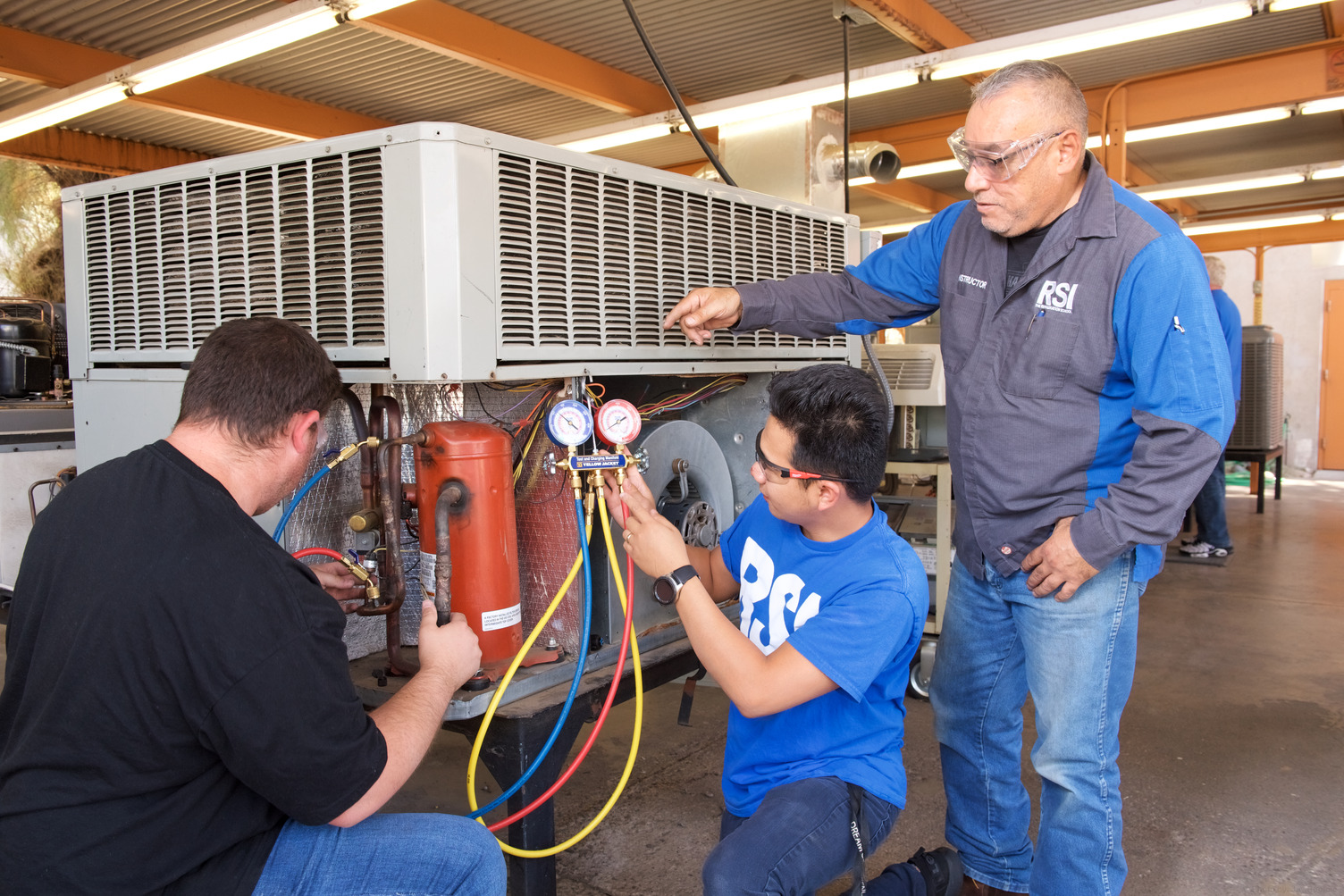
Credit: www.rsi.edu
Factors Influencing Career Start
Starting a career in HVAC is not just about the length of trade school. Several factors influence how quickly you can enter the field. Understanding these can help you make smarter decisions and avoid delays that might slow down your progress.
Previous Experience
Your background plays a huge role in how fast you can start working. If you already have some hands-on experience or have taken related courses, you might finish your HVAC training faster. Some schools offer accelerated programs or credit for prior learning, which can shorten your time in school.
Think about the skills you’ve gained from previous jobs or hobbies. Have you done any electrical work, plumbing, or mechanical repairs? These skills transfer well to HVAC and can save you months in training.
School Reputation
Not all HVAC trade schools are created equal. A well-known school with strong industry connections may help you land a job faster. Employers often prefer graduates from reputable programs because they trust the quality of the training.
Research schools carefully. Look for those with high job placement rates and positive reviews from former students. This can make a difference in how quickly you move from training to employment.
Financial Considerations
Money matters when starting your HVAC career. Tuition costs and the availability of financial aid can influence how long you spend in school. If you need to work while studying, part-time programs might extend your training period.
Ask yourself: Can you afford full-time study, or do you need a flexible schedule? Planning your finances upfront can prevent unexpected delays. Some students take extra time simply because they have to balance school with paying bills.
Frequently Asked Questions
How Long Does Hvac Trade School Usually Take?
HVAC trade school programs typically last between 6 months to 2 years. Duration depends on the certificate or degree type chosen. Shorter programs offer certificates, while longer ones provide associate degrees.
Can Hvac Training Be Completed In Less Than A Year?
Yes, many HVAC certificate programs can be completed in 6 to 12 months. These fast-track courses focus on essential skills for entry-level HVAC jobs.
Does Hvac Trade School Duration Affect Job Prospects?
Generally, longer programs provide more comprehensive training, improving job opportunities. However, entry-level jobs often require only a certificate, which can be earned quickly.
Are There Part-time Hvac Trade School Options?
Yes, many schools offer part-time and evening HVAC courses. This flexibility allows students to work or manage other commitments while studying.
Conclusion
HVAC trade school usually takes six months to two years. The exact time depends on the program you choose. Shorter courses focus on basics and quick entry into work. Longer programs offer more skills and certifications. Hands-on training helps build real experience.
Completing school prepares you for a good job in HVAC. Think about your goals and schedule before picking a program. This way, you can find the right fit and start your career with confidence.



