

Are you thinking about starting a career in HVAC but wondering, how long is HVAC training? Knowing the time it takes to complete your training can help you plan your future better.
Whether you want to jump into the workforce quickly or aim for advanced certifications, understanding the training length is key. This article will break down exactly what to expect, so you can make smart decisions and get on the path to success without any surprises.
Keep reading to find out how long it really takes and what factors might speed up or slow down your progress.
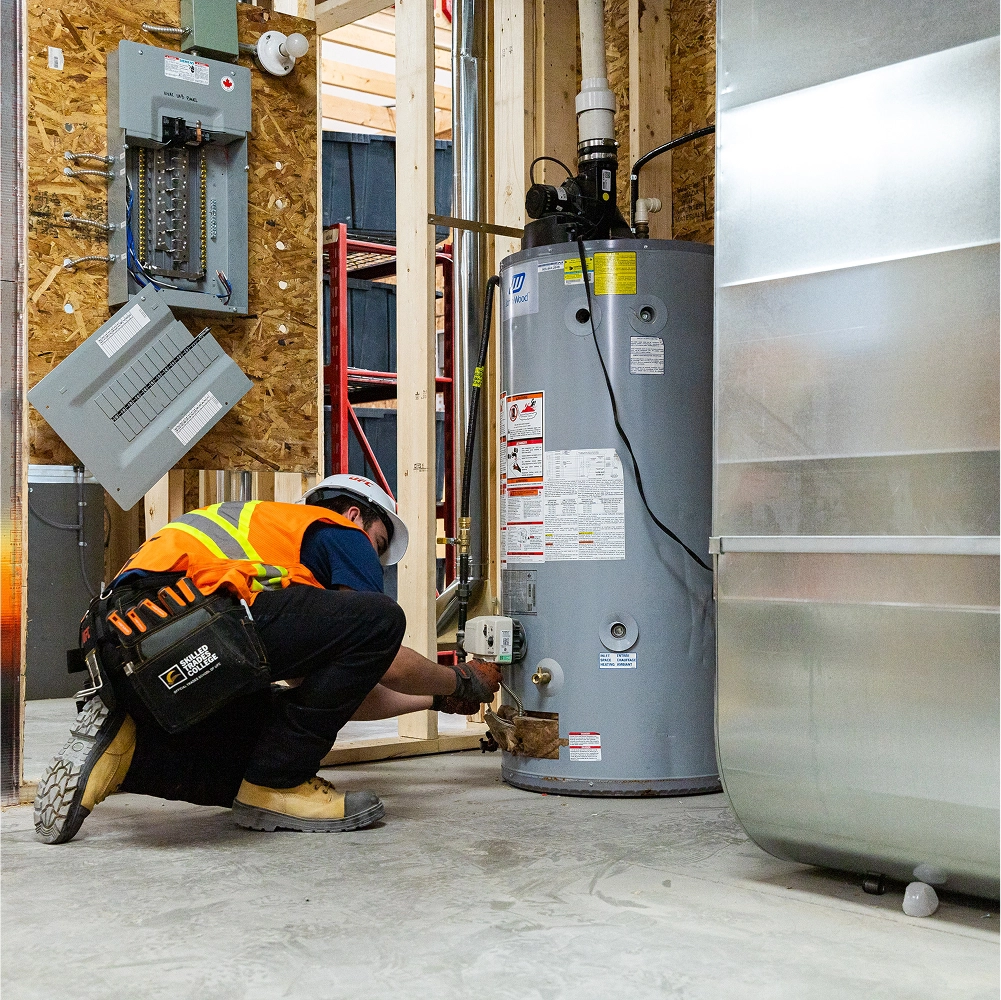
Credit: www.skilledtradescollege.ca
Hvac Training Lengths
HVAC training lengths vary depending on the program and the student’s goals. Understanding the typical durations helps plan your education path. Training can be short or extended, depending on the depth of skills you want to learn.
Typical Program Durations
Most HVAC training programs last from a few months to two years. Certificate programs usually take 6 to 12 months. These focus on basic skills and entry-level knowledge. Associate degree programs often require about 2 years. They provide more detailed study and hands-on experience. Apprenticeships combine work and training and may last 3 to 5 years. This path offers real-world experience while learning on the job.
Factors Affecting Training Time
Several factors influence how long HVAC training takes. Course type plays a big role—certificates are quicker than degrees. Your learning pace also matters; some students finish faster. Program format affects timing too. Full-time study shortens duration, while part-time extends it. Previous experience can reduce training time. Some schools offer accelerated programs for quicker completion.
Types Of Hvac Programs
Choosing the right HVAC training program depends a lot on your goals and how quickly you want to start working. Different programs offer varied lengths and depths of training, so understanding these types can help you decide what fits your schedule and career plans best. Let’s look at the common HVAC program options and what each entails.
Certificate Courses
Certificate courses are usually the quickest way to get into the HVAC field. They focus on the core skills you need, such as system installation, maintenance, and repair, often taking anywhere from a few months up to a year to complete.
These programs are great if you want to jump straight into hands-on work or if you’re switching careers and need fast training. Many employers value certificates because they show you’ve mastered essential skills without a long time commitment.
Associate Degree Programs
Associate degrees typically take about two years and offer a more in-depth education. You’ll study not only practical HVAC skills but also topics like electronics, system design, and energy efficiency.
This path is ideal if you want a solid foundation that could lead to supervisory roles or even further education. Plus, some community colleges have strong connections with local HVAC companies, making job placement easier after graduation.
Apprenticeships
Apprenticeships combine paid, on-the-job training with classroom instruction, usually lasting 3 to 5 years. This route is perfect if you prefer learning by doing while earning a paycheck.
Through apprenticeships, you get real-world experience and mentorship, which can be invaluable. Are you ready to commit to a longer training period if it means gaining direct industry experience and a steady income?
Skills Covered In Training
HVAC training covers a wide range of skills needed to work effectively in the heating, ventilation, and air conditioning field. Trainees learn both practical and theoretical knowledge. This prepares them to handle real-world tasks confidently. The training focuses on three main skill areas. These are technical skills, safety procedures, and customer service.
Technical Skills
Technical skills form the core of HVAC training. Students learn to install, repair, and maintain HVAC systems. They study how different parts work, such as compressors, thermostats, and refrigerants. Training includes reading blueprints and electrical diagrams. Trainees also practice using tools and diagnostic equipment.
Safety Procedures
Safety is a top priority in HVAC work. Training covers important safety rules and practices. Students learn how to handle electrical components safely. They study how to manage refrigerants without harm. Proper use of personal protective equipment (PPE) is taught. Fire safety and emergency response techniques are also included.
Customer Service
Good customer service skills are essential for HVAC professionals. Trainees learn how to communicate clearly with clients. They practice explaining technical issues in simple terms. Handling customer complaints politely and professionally is part of the training. Time management and scheduling appointments are also covered.

Credit: technologiesera.com
Certification And Licensing
Certification and licensing are crucial steps in your HVAC training journey. They prove your skills and allow you to work legally and safely. Understanding what certifications you need and the licensing rules in your state can save you time and effort.
Common Certifications
There are several certifications that HVAC technicians often pursue. The most recognized one is the EPA Section 608 certification, which is mandatory for handling refrigerants. You’ll find this certification comes in different types depending on the kind of equipment you want to work on.
Another popular certification is from HVAC Excellence or NATE (North American Technician Excellence). These certifications show employers you have solid knowledge and hands-on skills. They can boost your job prospects and sometimes lead to higher pay.
- EPA Section 608:Required for refrigerant handling
- NATE Certification:Industry-recognized skill validation
- HVAC Excellence:Comprehensive testing on HVAC knowledge
Have you thought about which certification aligns best with your career goals? Each opens different doors depending on your area of focus.
State Licensing Requirements
Licensing rules vary widely by state. Some states require you to pass a licensing exam after completing your training and gaining work experience. Others might require you to register or get bonded before you can legally work as an HVAC technician.
Checking your state’s specific requirements early can prevent surprises. For instance, California has strict licensing laws and requires ongoing education to maintain your license. Meanwhile, states like Texas focus on local city or county regulations rather than state-wide licenses.
| State | Licensing Requirement | Additional Notes |
|---|---|---|
| California | State License Required | Must pass exam; Continuing education required |
| Texas | Varies by City/County | Some cities require licenses or permits |
| Florida | State Certification Required | Includes exam and background check |
Do you know what your state expects before you start working? Preparing ahead can make your path smoother and faster.
Tips For Success In Hvac Training
Embarking on HVAC training can be a rewarding journey. Success requires dedication and smart strategies. With the right approach, students can excel and achieve their goals. Below are essential tips for succeeding in HVAC training.
Effective Study Habits
Develop a study schedule and stick to it. Allocate specific times for reviewing notes and reading textbooks. Use flashcards to remember key terms and concepts. Take regular breaks to keep your mind fresh. Group study can help clarify difficult topics and boost understanding.
Hands-on Experience
Practical experience is vital in HVAC training. Seek opportunities to work on real HVAC systems. Volunteer for projects or internships to gain hands-on skills. Practice troubleshooting and repairing systems to build confidence. This experience is invaluable for understanding complex systems.
Networking Opportunities
Connect with fellow students and instructors. Join HVAC forums and online communities. Attend workshops and seminars to meet industry professionals. Networking opens doors to job opportunities and mentorship. Building relationships in the field is crucial for career growth.
Career Outlook Post-training
Completing HVAC training opens doors to a promising career. Understanding the career outlook after training helps in planning the next steps. It shows what to expect in the job market and growth opportunities.
Job Market Demand
The demand for HVAC technicians remains strong. Buildings need heating, ventilation, and air conditioning systems maintained. New construction and repairs create steady work.
Technicians with updated skills are highly sought after. Green technology and energy-efficient systems increase job openings. The field offers stable employment across many regions.
Advancement Opportunities
Starting as a technician can lead to many roles. With experience, one can become a supervisor or project manager. Specializing in areas like refrigeration or system design also helps.
Continuing education and certifications improve chances of promotion. Some HVAC professionals start their own service businesses. Growth in this field depends on skill and dedication.
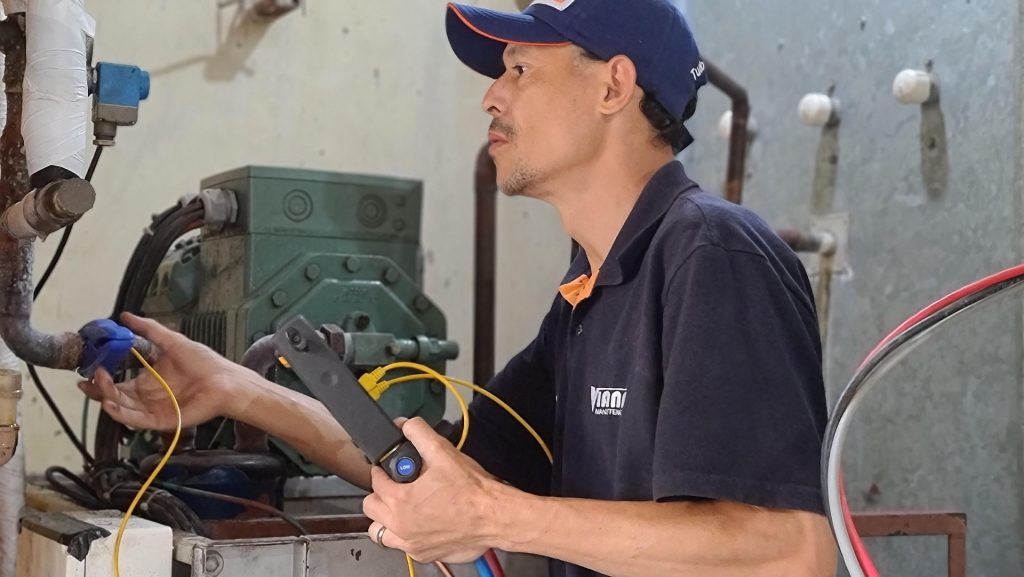
Credit: www.aai.edu
Frequently Asked Questions
How Long Does Basic Hvac Training Take?
Basic HVAC training typically takes 3 to 6 months. This duration covers essential skills for entry-level technicians. Programs vary by school but focus on core heating, ventilation, and air conditioning concepts.
What Is The Duration Of Hvac Certification Programs?
HVAC certification programs usually last 6 to 12 months. These courses combine theory and hands-on practice to prepare students for industry certification exams. Duration depends on the program’s intensity and part-time or full-time format.
How Long To Become A Licensed Hvac Technician?
Becoming a licensed HVAC technician often requires 1 to 2 years. This includes completing training, gaining work experience, and passing licensing exams. Requirements vary by state and employer standards.
Can Hvac Training Be Completed Online Quickly?
Yes, some online HVAC courses last 3 to 6 months. They offer flexible schedules and cover fundamental HVAC topics. However, practical experience is essential and may require in-person training.
Conclusion
HVAC training usually takes a few months to complete. Some programs last six months, while others may take up to two years. Choosing the right length depends on your goals and schedule. Shorter courses focus on basics, while longer ones cover advanced skills.
Training helps you work safely and confidently. After training, you can start a career in HVAC. Keep learning to stay updated with new technology. This path offers steady job opportunities and good pay. HVAC training is a solid step toward a practical, rewarding job.



