
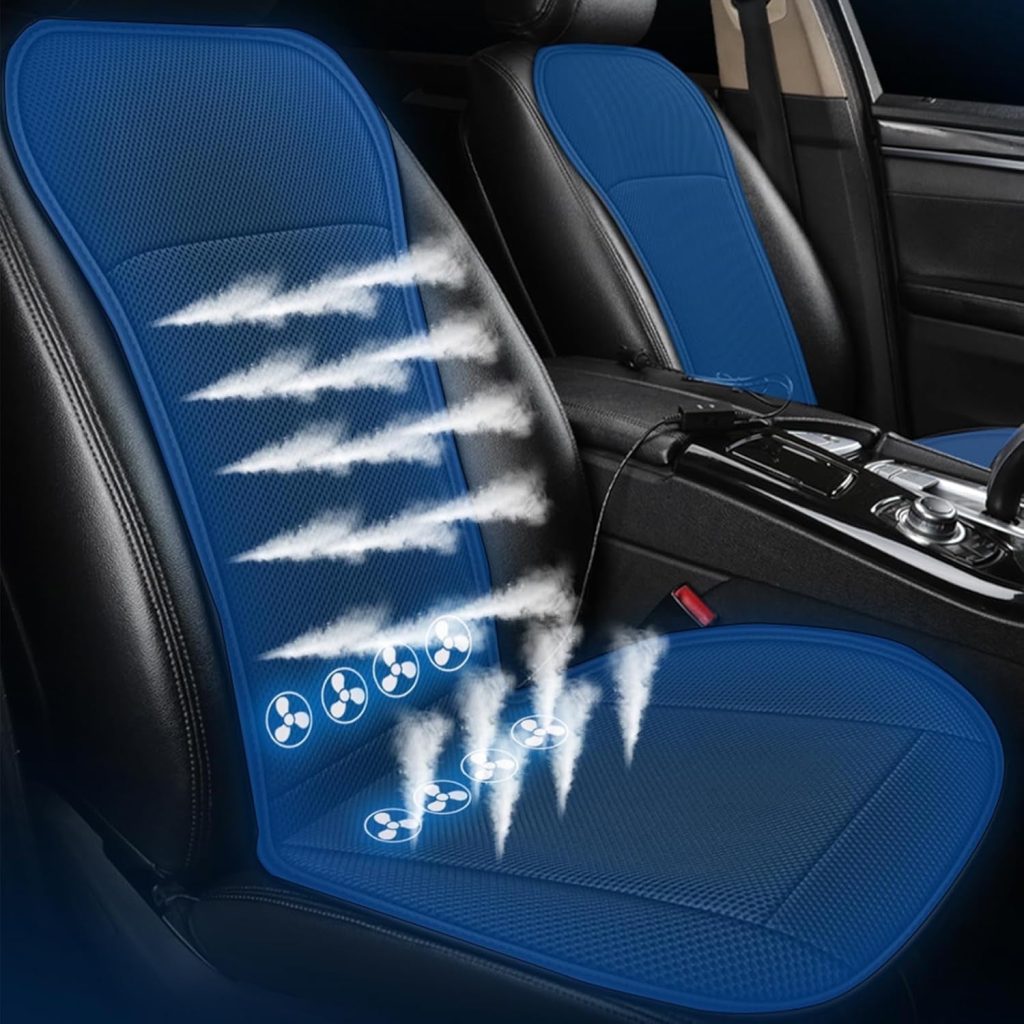
Have you ever wished your car seats could keep you cool during hot drives without blasting the air conditioner? Ventilated front seats might be the answer you’re looking for.
These seats use built-in fans to circulate air, helping you stay comfortable and sweat-free, even on the hottest days. If you want to learn how ventilated seats work and why they can make a big difference in your driving experience, keep reading.
You might discover a simple upgrade that changes the way you feel every time you get behind the wheel.

Credit: www.walmart.com
How Ventilated Seats Work
Understanding how ventilated front seats work can change the way you view comfort in your car. These seats don’t just look stylish—they actively help keep you cool and dry during your drives. Let’s break down the technology and design that make this possible.
Airflow Mechanism
Ventilated seats use tiny fans placed inside the seat cushions to push air through perforations in the seat surface. This airflow moves heat and moisture away from your body, reducing sweat buildup on hot days.
Think about how sitting on a plastic chair in the sun makes you sweat more. Ventilated seats solve this by constantly circulating air, making your drive much more comfortable.
Cooling Technology
The fans inside the seats are powered by the car’s electrical system and can be adjusted to different speeds. Some advanced models also integrate with the car’s climate control to automatically adjust airflow based on the cabin temperature.
This means you can enjoy a cool seat without fiddling with controls, especially during unexpected heat waves. Have you ever wished your car could read your comfort needs? Ventilated seats are a step in that direction.
Materials Used
The seat covers usually feature breathable materials like perforated leather or mesh fabric to allow air to pass through easily. Underneath, layers of foam and mesh support the airflow and provide cushioning.
These materials not only enhance comfort but also improve durability and aesthetics. Next time you slide into a ventilated seat, notice how the combination of materials keeps the surface cool and pleasant.

Credit: www.amazon.ca
Benefits Of Ventilated Front Seats
Ventilated front seats bring many benefits to your driving experience. They use small fans to move air through the seat. This keeps you cool and comfortable, especially during hot weather. The technology helps reduce sweat and stickiness, making long drives more pleasant.
Enhanced Comfort
Ventilated seats cool the seat surface quickly. This prevents discomfort from heat buildup. The airflow creates a fresh feeling even in warm cars. It helps reduce sweating and skin irritation. You enjoy a more relaxed and pleasant ride every time.
Improved Air Circulation
Air moves through tiny holes in the seat cushion. This steady airflow keeps the seat dry. It helps prevent moisture buildup and odors. The system supports better ventilation inside the car. Passengers feel fresher, and the car interior stays cleaner.
Health Advantages
Ventilated seats reduce heat and sweat on your skin. This lowers the risk of skin rashes and irritation. The improved airflow helps keep your back cool and dry. It supports better posture by reducing discomfort. This technology can make long trips healthier and more enjoyable.
Comparison With Heated Seats
Ventilated front seats and heated seats both improve driving comfort. They use different methods to adjust seat temperature. Each suits different weather and personal needs. Understanding their differences helps choose the best option for you.
Function Differences
Heated seats warm the seat using built-in heating elements. They provide direct heat to the seat surface and back. Ventilated seats use small fans to pull air through the seat. This air flow cools the seat and reduces sweat.
Heated seats create warmth in cold weather. Ventilated seats offer cooling in hot weather. Both systems use electrical power but act in opposite ways.
When To Use Each
- Choose heated seats in cold or chilly weather.
- Use ventilated seats during hot or humid days.
- Heated seats help relax muscles and improve circulation.
- Ventilated seats keep skin dry and reduce discomfort from sweating.
- Some cars have both features for year-round comfort.
Energy Efficiency
Heated seats use more power as they generate heat. This can slightly reduce fuel or battery efficiency. Ventilated seats use fans, which consume less energy. They have a smaller impact on fuel or battery life.
Energy use depends on how long and how high settings run. Using either feature wisely saves energy and maintains comfort.

Credit: www.seatcoversolutions.com
Features To Look For
Ventilated front seats are a game changer for comfort, especially during hot days. But not all ventilated seats are created equal. Knowing which features to look for can help you pick the best option that matches your needs and lifestyle.
Adjustable Settings
Look for seats that let you control the fan speed. Multiple levels of ventilation allow you to customize airflow based on how hot or cool you want to feel. Some models even let you adjust the direction of airflow for targeted cooling.
Think about how often you drive in varying temperatures. Would having fine control over these settings make a noticeable difference in your comfort? If yes, adjustable settings are a must-have.
Integration With Climate Control
Some ventilated seats work seamlessly with your car’s climate control system. This means the seats can automatically adjust ventilation based on the cabin temperature. It’s a hands-free way to stay comfortable without constantly changing settings.
Would you prefer a seat that adapts to weather changes on its own? Integration with climate control adds convenience, especially on unpredictable days.
Maintenance Tips
Ventilated seats need regular cleaning to keep air flowing properly. Dust and dirt can clog the tiny vents, reducing effectiveness. Use a vacuum with a soft brush attachment to gently clean the seat surface and vent areas.
Check your car manual for recommended cleaning products. Avoid harsh chemicals that could damage seat materials or ventilation mechanisms. Taking simple maintenance steps extends the life of your ventilated seats and keeps them working like new.
Popular Cars With Ventilated Front Seats
Ventilated front seats use small fans to blow air through the seat surface, keeping you cool and comfortable. Many popular cars offer this feature for hot weather driving. It helps reduce sweat and makes long trips more pleasant.
Ventilated front seats are a feature that many drivers now consider essential for comfortable driving, especially during hot weather. This cooling technology enhances your driving experience, making long journeys in the summer much more pleasant. But which cars offer this feature? Here’s a look at some popular cars equipped with ventilated front seats across different price ranges.Luxury Models
Luxury models are often the first to embrace new technologies, and ventilated front seats are no exception. Brands like Mercedes-Benz, BMW, and Audi offer this feature in many of their high-end models. The Mercedes-Benz S-Class, for instance, not only provides ventilated seats but also offers a massage function, adding an extra layer of comfort. Have you ever sat in a car that felt more like a spa than a vehicle?Mid-range Options
You don’t need to buy a luxury car to enjoy ventilated seats. Several mid-range models now include this feature as well. The Hyundai Sonata and the Kia Optima both offer ventilated front seats in their higher trims. These cars balance affordability with luxury, providing you with the best of both worlds. Is it surprising how affordable comfort can be?Affordable Choices
Even budget-friendly cars are catching up by offering ventilated seats in some models. The Ford Escape and the Chevrolet Malibu are examples where comfort meets affordability. While these vehicles may not come with all the bells and whistles of luxury models, they do not compromise on providing a comfortable ride. Have you considered how small investments in comfort can elevate your daily commute? Ventilated front seats are no longer a luxury reserved for the elite; they are becoming more accessible across various car segments. This means you have more options than ever before, regardless of your budget. So, which car with ventilated seats will you choose for your next ride?Cost And Installation
Understanding the cost and installation process of ventilated front seats is essential before deciding to add this feature to your vehicle. These seats improve comfort, especially on hot days, but prices and installation methods can vary widely. Knowing your options helps you make a choice that fits your budget and needs without surprises.
Factory Vs Aftermarket
Factory ventilated seats come directly from the car manufacturer and are usually included as part of a premium package. They tend to offer better integration with your vehicle’s electronics and overall design. However, they often come with a higher price tag and must be ordered when purchasing the car or during official upgrades.
Aftermarket options allow you to add ventilated seats to your current vehicle without waiting for a factory upgrade. These kits are available through various retailers and can be fitted to many car models. While typically cheaper, aftermarket installations may not match the original seat’s look or feel perfectly, and compatibility varies.
Price Range
The cost of factory ventilated seats can range from $500 to over $2,000 per seat, depending on the car model and the level of comfort features included. This price often covers both the seat and the installation if done at a dealership.
Aftermarket kits generally cost between $200 and $700, making them a more affordable option if you want to retrofit your vehicle. Keep in mind that professional installation can add $100 to $300 to the total cost, depending on complexity.
Installation Process
Factory installations are done during vehicle assembly or by authorized dealers. This ensures all wiring and controls are seamlessly integrated, and the process is usually quick and hassle-free for the car owner.
Installing aftermarket ventilated seats yourself can be challenging. You’ll need to remove the seat, install the ventilation components, and connect wiring to your car’s power supply. If you’re not confident with electrical work, hiring a professional is a safer choice to avoid damage or malfunction.
Have you considered how much time and effort you’re willing to invest in installation? Balancing cost and convenience can help you decide if factory or aftermarket ventilated seats are right for your car and lifestyle.
Frequently Asked Questions
What Are Ventilated Front Seats In Cars?
Ventilated front seats use built-in fans to circulate air through the seat cushions. This helps keep drivers and passengers cool and comfortable, especially in hot weather. The system reduces sweating and improves overall driving comfort.
How Do Ventilated Front Seats Work?
They work by pulling air from outside or inside the vehicle through small perforations in the seat. This airflow cools the seat surface and prevents heat buildup. It’s an advanced feature found in many modern vehicles.
Are Ventilated Front Seats Better Than Heated Seats?
Ventilated seats cool you down, while heated seats warm you up. Each serves different purposes depending on the weather. Some vehicles offer both options for year-round comfort.
Do Ventilated Front Seats Improve Driving Comfort?
Yes, they enhance comfort by preventing sweat and heat buildup. This makes long drives more pleasant, especially in warm climates. Ventilated seats help maintain a fresh and dry seating environment.
Conclusion
Ventilated front seats keep drivers cool during hot days. They use small fans to move air through the seat. This helps reduce sweat and discomfort while driving. Many modern cars offer this feature for extra comfort. It makes long trips more pleasant, especially in warm weather.
Choosing a car with ventilated seats can improve your driving experience. Simple, yet effective comfort right at your fingertips. A small feature that makes a big difference.



