
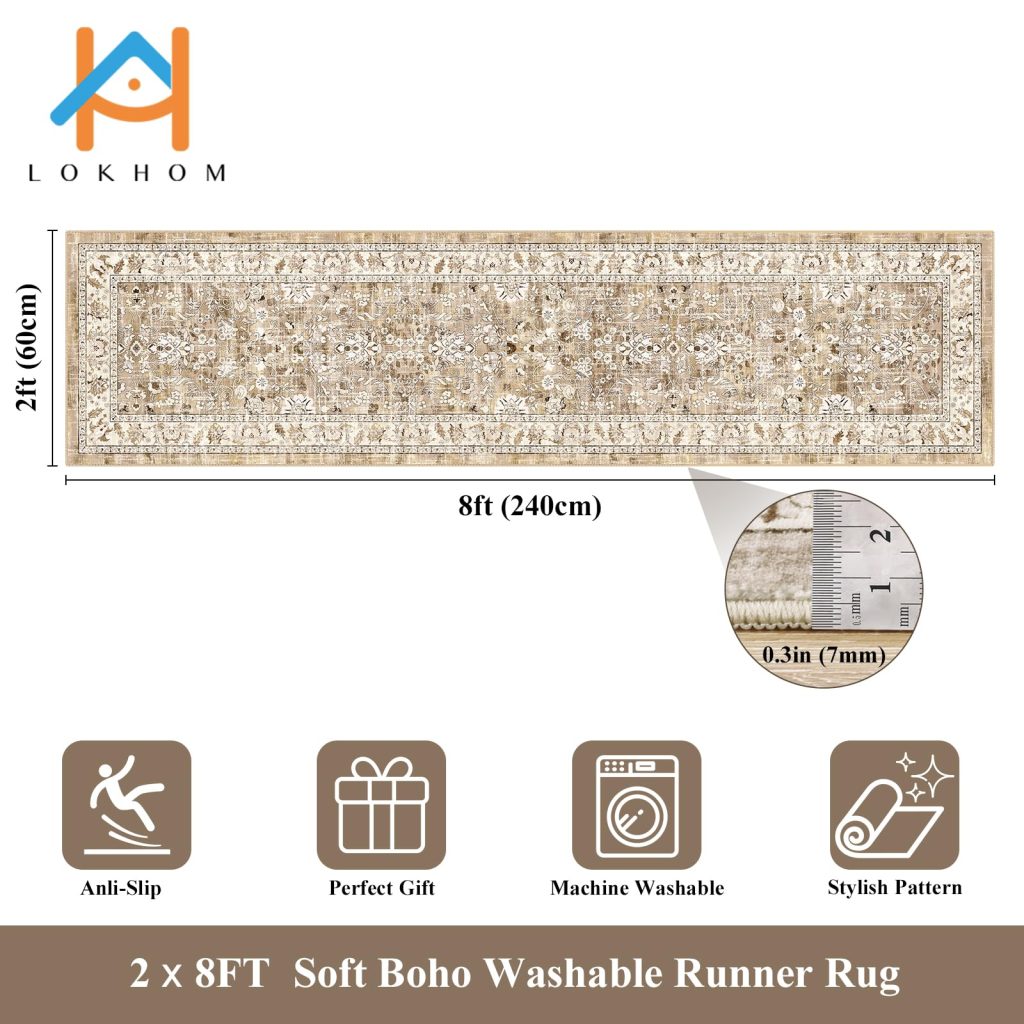
Are you thinking about adding a runner rug to your hallway or kitchen? Knowing the right dimensions is key to making your space look balanced and feel cozy.
If your rug is too small, it might get lost in the room. Too big, and it can overwhelm the space. You’ll discover the perfect sizes for runner rugs, helping you choose one that fits your home perfectly. Keep reading to find out how to transform your floors with the right runner rug dimensions.
Common Runner Rug Sizes
Choosing the right runner rug size can transform your space, making it feel inviting and well put together. Understanding common runner rug sizes helps you pick one that fits your hallway, kitchen, or entryway perfectly. Let’s look at the typical lengths and widths you’ll find, so you know exactly what to expect.
Standard Lengths
Runner rugs usually come in lengths that suit narrow, long spaces. The most common lengths are:
- 6 feet:Ideal for small hallways or beside a bed.
- 8 feet:A popular choice for medium hallways or kitchens.
- 10 feet:Perfect for longer corridors or larger spaces.
- 12 feet:Best for very long hallways or open areas.
Think about your space carefully—does it call for a shorter runner, or do you need something that stretches across most of the hallway? A well-chosen length prevents the rug from looking too cramped or awkwardly placed.
Typical Widths
Runner rugs are usually narrow, but widths can vary to fit different spaces. Common widths include:
- 2 feet:The narrowest, great for tight spots.
- 2.5 feet:The most frequently used width for hallways.
- 3 feet:Offers more coverage and comfort underfoot.
Have you measured your hallway or kitchen aisle? Knowing the width helps you avoid a runner that’s too wide, causing tripping hazards, or too narrow, which may look lost in the space. It’s about balance and function.

Credit: www.amazon.ca
Choosing The Right Size
Choosing the right size for a runner rug can make or break the harmony of your space. It’s not just about aesthetics; it’s about functionality too. A well-sized runner can guide the eye, unify the room, and even protect your floors.
Measuring Your Space
Before you purchase a runner rug, measure the area where you plan to place it. Use a tape measure to get the length and width of the space. Consider the walkable area and ensure there’s enough floor visible around the rug to frame it nicely.
Think about how much of the floor you want to showcase. A standard runner rug is usually between 2 to 3 feet wide and 6 to 14 feet long. Adjust based on your room’s dimensions.
Considering Room Layout
Take into account the layout of the room. Is your hallway long and narrow, or do you have a wide-open kitchen? The runner should fit the natural flow of the room.
In a hallway, the runner should complement the length without overwhelming the space. In a kitchen, it should fit comfortably between counters or islands, offering a cozy underfoot feel while you cook.
Ask yourself, does the runner enhance the room’s design or does it distract? The right size can subtly guide movement and highlight your décor.
Remember, selecting the perfect runner rug size is all about balance. It’s about enhancing your space while serving practical needs. What dimensions will work best in your home?
Runner Rugs For Different Areas
Runner rugs fit perfectly in narrow spaces. They bring warmth and style without crowding the area. Choosing the right size and design depends on the room’s function and size. Each space calls for specific runner rug dimensions and styles.
Hallways And Corridors
Hallways are long and narrow, making runner rugs ideal. Common runner sizes here range from 2 to 3 feet wide. Lengths vary from 6 to 14 feet, depending on hallway length. A runner rug protects flooring and reduces noise. It also adds color and texture to plain hallways.
Kitchens And Bathrooms
Kitchens and bathrooms need durable, easy-to-clean rugs. Runners in these spaces are usually 2 feet wide. Lengths of 5 to 8 feet work well for kitchen aisles or in front of sinks. These rugs prevent slips and add comfort while standing. Choose water-resistant materials for longevity.
Staircases
Stair runners cover steps for safety and style. Widths typically range from 24 to 27 inches to fit stairs comfortably. Length depends on the number of steps, usually measured to cover each one fully. Stair runners reduce noise and protect wood or carpeted stairs. They also create a polished, finished look.
Credit: www.raymourflanigan.com
Custom And Specialty Sizes
Custom and specialty runner rugs offer flexibility in size and shape. They fit unique spaces where standard runners cannot. These rugs can be tailored to meet specific room dimensions or design needs. Choosing the right custom runner enhances both style and function.
Non-standard Lengths
Non-standard lengths suit hallways or stairs that are unusually long or short. They ensure full coverage without excess rug hanging over edges. Custom lengths can start from just a few feet and extend beyond standard sizes. This helps maintain a balanced look in any space.
Narrow And Wide Runners
Runners come in various widths beyond the typical 2 to 3 feet. Narrow runners, as slim as 18 inches, fit tight corridors or small entryways. Wide runners, up to 4 feet or more, work well in larger halls or open areas. Custom widths allow better proportion and comfort for walking paths.
Impact Of Rug Size On Room Design
The size of a runner rug plays a crucial role in shaping the overall look and feel of a room. Choosing the right dimensions affects how the space feels and functions. A well-sized runner can complement furniture, enhance design, and improve movement through the area. Too large or too small can disrupt the harmony of the room. Understanding the impact of rug size helps create a balanced and inviting space.
Visual Balance
A runner rug should match the scale of the room and furniture. A narrow rug in a wide hallway may look lost. A long runner too small for a large space can feel awkward. Proper sizing helps anchor furniture and defines areas clearly. It also adds warmth and texture without overpowering the room. Visual balance makes the space feel organized and pleasant.
Traffic Flow
Runner rugs guide movement through narrow or busy spaces. The right length allows people to walk comfortably without tripping. A rug too short might cause people to step off it quickly. Too wide can block doorways or create obstacles. Good runner size supports smooth traffic flow and keeps high-traffic areas protected. It also prevents wear on floors in busy paths.
Tips For Selecting Runner Rugs
Choosing the right runner rug can enhance any hallway or narrow space. Focus on key factors to find the perfect fit. Consider the rug’s material, how easy it is to maintain, and its durability. These tips help ensure the rug lasts and looks great over time.
Material Considerations
Selecting the material affects comfort and style. Wool rugs feel soft and are naturally stain-resistant. Synthetic fibers like nylon or polyester offer vibrant colors and resist wear. Cotton rugs are easy to clean but may wear faster. Think about the room’s use and foot traffic before picking a material.
Maintenance And Durability
Runner rugs in busy areas need to be durable and simple to clean. Look for rugs that resist stains and hold up to daily use. Low-pile rugs are easier to vacuum and stay looking neat longer. Choose materials that can handle spills and dirt without losing shape or color.

Credit: shop.wellwoven.com
Frequently Asked Questions
What Are Standard Runner Rug Dimensions?
Standard runner rugs typically measure 2 to 3 feet wide and 6 to 14 feet long. The most common size is 2. 5 by 8 feet, ideal for hallways, kitchens, and entryways. These dimensions ensure a balanced look and practical coverage in narrow spaces.
How To Choose Runner Rug Size For Hallway?
Measure your hallway length and width first. Leave at least 6 to 12 inches of floor visible on each side of the runner for a balanced look. Choose a runner rug slightly shorter than the hallway for easy placement and cleaning.
Can Runner Rugs Fit Small Spaces?
Yes, runner rugs are perfect for narrow or small spaces like corridors and staircases. Their long and narrow shape fits well without overwhelming the area. They add warmth, style, and protection to tight spaces effectively.
What Width Suits A Runner Rug Best?
A runner rug width of 2 to 3 feet works best for most spaces. Narrower rugs fit tight hallways, while wider runners suit larger corridors. Choose a width that leaves visible floor space on both sides for a neat appearance.
Conclusion
Choosing the right runner rug size makes a big difference in your space. Measure your hallway or area before buying. Common sizes fit most homes well. A properly sized runner adds comfort and style. It protects floors and guides footsteps.
Remember, length and width both matter. Pick a rug that balances the room’s look. Simple steps help you find the perfect fit. Enjoy a cozy, neat, and inviting space with the right runner rug.



