
Have you ever wondered how long you should keep using your shower pouf before it’s time to replace it? You might think it’s fine to use the same one for months, but that little sponge could be hiding germs and bacteria that affect your skin.
Knowing the right time to switch your shower pouf can help you stay fresh, clean, and avoid skin problems. Keep reading to discover the simple signs that tell you when to toss your pouf and how to take better care of it every day.
Your skin will thank you!

Credit: acedecorbath.com
When To Replace Your Shower Pouf
Knowing when to replace your shower pouf is key to keeping your skin healthy and your shower routine effective. Over time, shower poufs can harbor bacteria and lose their scrubbing power, which can affect your cleansing experience. Paying attention to certain signs and following some simple guidelines will help you decide the right moment to toss out the old pouf and bring in a fresh one.
Signs Of Wear And Tear
Look closely at your shower pouf for visible changes. If the mesh starts to break down or the pouf loses its shape, it’s time to replace it. A frayed or flattened pouf won’t clean your skin well and can trap dirt and germs.
Another sign is a lingering bad smell even after rinsing. This usually means bacteria or mold are growing inside. You might also notice discoloration or slimy residue, which are red flags to stop using it immediately.
Frequency Recommendations
How often should you swap your shower pouf? Many experts suggest changing it every 3 to 4 weeks. This timeframe balances hygiene with practicality, preventing buildup of bacteria and maintaining the pouf’s effectiveness.
If you have sensitive skin or use the pouf daily, consider replacing it more often. Also, drying your pouf thoroughly between uses can extend its life, but don’t rely solely on that. Ask yourself: is your shower pouf still doing its job without risk to your skin?
Risks Of Using An Old Shower Pouf
Using an old shower pouf can cause problems for your skin and health. Over time, the pouf collects dirt, soap, and moisture. This environment allows bacteria and mold to grow quickly. Keeping a pouf for too long increases the risk of infections and skin issues.
Bacterial Growth
Shower poufs stay wet for a long time. This dampness creates a perfect place for bacteria to live. Germs multiply fast on the soft, wet surface. Using a pouf full of bacteria can spread germs onto your skin. This can cause unpleasant infections and body odor.
Skin Irritations
Old poufs can cause redness, itching, or rashes. Bacteria and mold irritate sensitive skin. The rough texture of an old pouf can also damage the skin’s surface. This damage makes your skin more vulnerable to infections. Using a fresh pouf helps keep your skin smooth and healthy.
Tips For Maintaining Your Shower Pouf
Shower poufs should be replaced every 3 to 4 weeks to avoid bacteria buildup. Rinse and hang them to dry after each use for longer freshness. Regular cleaning helps keep your skin healthy and your pouf smelling clean.
Maintaining your shower pouf ensures it stays clean and lasts longer. A well-kept pouf is key for effective cleansing and hygiene. Follow these simple tips for maintaining your shower pouf, making every shower refreshing and bacteria-free.Proper Drying Techniques
After each use, rinse the pouf thoroughly with warm water. Squeeze out the excess water gently. Hang it in a well-ventilated area. This allows it to dry completely. A dry pouf prevents bacteria and mold growth. Avoid leaving it in the shower where moisture lingers.Regular Cleaning Methods
Clean your pouf weekly to keep it fresh. Soak it in a mixture of water and white vinegar. Let it sit for 15 minutes. Rinse thoroughly afterward to remove any vinegar smell. Alternatively, use a mild soap and warm water to wash it. Rinse well to ensure no soap residue remains. Consider replacing your pouf every two months. This ensures maximum hygiene and effectiveness.
Credit: littlesproutslearning.co
Choosing The Right Shower Pouf
Choosing the right shower pouf affects how long it lasts and feels. A good pouf cleans well and stays fresh longer. Consider the material and durability before buying. This helps avoid quick wear and bacterial growth.
Material Options
Shower poufs come in different materials. Most are made from nylon or mesh. Nylon poufs are soft and create lots of foam. Mesh poufs dry quickly, reducing bacteria. Some poufs are made from natural fibers like cotton. Natural fibers feel gentle but may not last as long.
- Nylon: soft, foamy, dries moderately fast
- Mesh: quick drying, less bacteria buildup
- Cotton: gentle on skin, less durable
Durability Factors
Durability depends on material and construction. Tight weaving means the pouf lasts longer. Loose mesh breaks down quickly. The way you care for it also matters. Rinse well and hang it to dry after use. Avoid leaving it in a wet place. Replace poufs every few weeks to prevent germs. A durable pouf saves money and keeps skin healthy.
Alternatives To Traditional Shower Poufs
If you’re wondering whether to stick with your traditional shower pouf or try something different, there are practical alternatives worth considering. These options can offer better hygiene, durability, or exfoliation benefits depending on your skin type and routine. Let’s look at some popular choices that might fit your daily shower needs better.
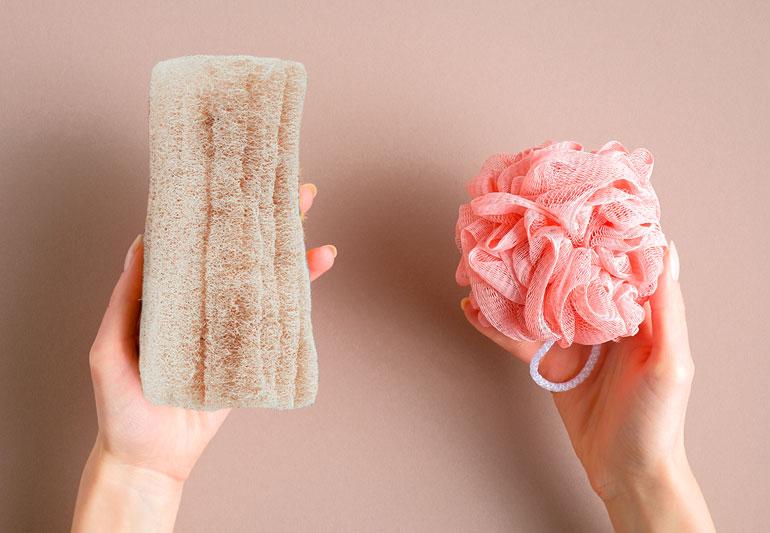
Washcloths And Sponges
Washcloths are simple, easy to clean, and gentle on your skin. Unlike poufs, you can wash them in your machine regularly, which helps reduce bacteria buildup. They also allow you to control the pressure and intensity of scrubbing more precisely.
Natural sponges, like sea sponges, offer a softer touch and can last longer with proper care. They absorb water well and create a rich lather, making your shower feel luxurious. However, they need to be dried thoroughly between uses to avoid mold growth.
Exfoliating Gloves
Exfoliating gloves give you full control over your scrubbing motion. You can target rough areas like elbows and knees more effectively than with poufs. These gloves often come in different textures, so you can pick the level of exfoliation that suits your skin.
Cleaning gloves is easy—they just need a quick rinse and hang to dry. If you want to boost your shower routine with a deeper cleanse, gloves can be a game changer. Have you ever tried switching your pouf for gloves and noticed a difference in how your skin feels?
Credit: health.clevelandclinic.org
Frequently Asked Questions
How Often Should You Replace A Shower Pouf?
Replace your shower pouf every 3 to 4 weeks. Moist environments promote bacteria growth, making frequent changes essential. Regular replacement ensures better hygiene and skin health.
Can Using An Old Shower Pouf Cause Skin Problems?
Yes, old poufs harbor bacteria and mold. Using them increases risks of infections, irritation, and acne. Always use a fresh, clean pouf to protect your skin.
How To Clean A Shower Pouf Properly?
Rinse thoroughly after each use and squeeze out excess water. Soak in diluted vinegar or bleach weekly. Allow it to dry completely to prevent bacterial growth.
Does Shower Pouf Material Affect Its Lifespan?
Yes, natural fiber poufs may last shorter than synthetic ones. Synthetic poufs dry faster and resist mold better. Choose quality material for longer use.
Conclusion
Using a shower pouf for too long can cause bacteria build-up. Change it every three to four weeks to stay clean and safe. Keep it dry between uses to help it last longer. Replace it sooner if you notice a bad smell or tears.
A fresh pouf feels softer and cleans better. Taking these small steps keeps your skin healthy and your shower routine fresh. Simple habits make a big difference in hygiene and comfort.



