
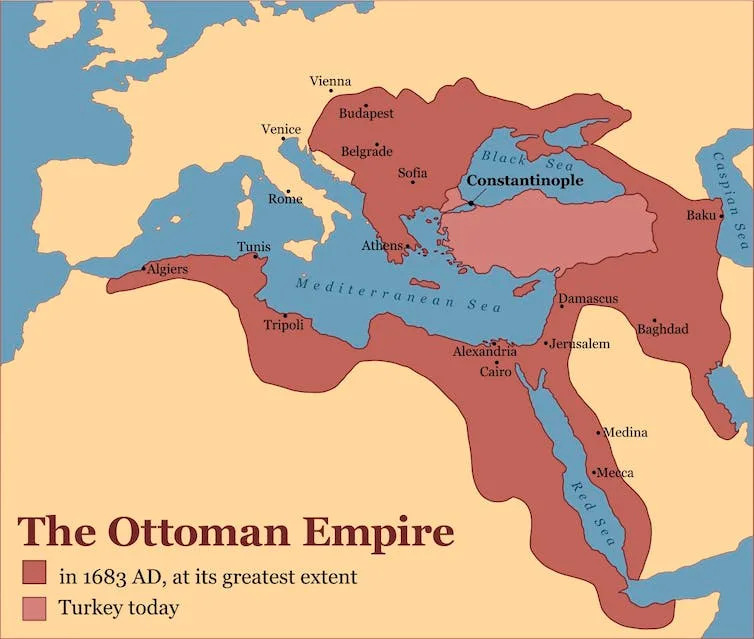
Have you ever wondered where the heart of the mighty Ottoman Empire truly beat? Knowing the capital of this vast empire can unlock a deeper understanding of its rich history and culture.
Imagine walking through streets that once shaped world events and influenced countless lives. If you want to discover the city that stood at the center of power, trade, and culture for centuries, keep reading. This article will reveal the capital of the Ottoman Empire and explain why it mattered so much to the empire’s rise and legacy.
Your curiosity is about to be rewarded!
Credit: en.wikipedia.org
Rise Of The Ottoman Empire
The rise of the Ottoman Empire marks one of history’s most remarkable stories of growth and power. It began as a small principality and grew into a vast empire that shaped the political and cultural landscape of three continents. Understanding how this empire started and expanded helps you see the roots of its incredible influence.
Early Foundations
The Ottoman Empire began around the late 13th century under the leadership of Osman I. He united several Turkish tribes in Anatolia, which is modern-day Turkey. This unity gave the Ottomans a strong base to start building their empire.
Osman’s leadership was not just about military strength but also about smart alliances and diplomacy. He established a system that allowed the empire to grow steadily without losing control. Have you ever thought about how small decisions made early on can change the course of history?
Expansion And Conquests
After Osman I, the Ottomans continued to expand rapidly. They conquered important cities like Bursa and later Edirne, which became early centers of administration. These victories were crucial because they secured strategic locations that helped the empire control trade routes and military passages.
The Ottomans used advanced military strategies and technologies, like the use of gunpowder, to defeat their enemies. Their ability to adapt and innovate on the battlefield made them nearly unstoppable. What lessons can you draw from their approach to growth and innovation in your own projects?
Istanbul As The Capital
Istanbul served as the vibrant capital of the Ottoman Empire for centuries. This city stood at the crossroads of two continents, Europe and Asia. It shaped the empire’s culture, politics, and economy. Istanbul’s rich history reflects its importance as a capital city.
From Byzantium To Constantinople
The city was first known as Byzantium. It was a Greek colony founded over 2,500 years ago. Later, Roman Emperor Constantine made it the new capital of the Roman Empire in 330 AD. He renamed it Constantinople. The city flourished as a center of art, religion, and power.
The 1453 Conquest
The Ottomans captured Constantinople in 1453. Sultan Mehmed II led the conquest. This victory marked the end of the Byzantine Empire. It also began the rise of the Ottoman Empire as a major world power. The city became the empire’s new capital and a symbol of Ottoman strength.
Renaming To Istanbul
The name Istanbul grew in common use over time. It comes from a Greek phrase meaning “to the city.” The name became official after the founding of modern Turkey in 1923. Istanbul remains a key city, bridging history and modern life.
Istanbul’s Political Significance
Istanbul served as the capital of the Ottoman Empire for centuries. Its strategic location made it the empire’s political and cultural center. This city shaped much of the empire’s history and power.
Istanbul, formerly known as Constantinople, served as the capital of the Ottoman Empire and remains one of the most historically rich cities in the world. Its strategic location bridging Europe and Asia made it a hub of cultural and political activity. This city was more than just a capital; it was the heart of an empire that spanned three continents. As you walk through its ancient streets, you can almost hear the echoes of grand decisions that shaped history. But what exactly made Istanbul so politically significant?Center Of Administration
Istanbul was not just the geographical center of the Ottoman Empire; it was the epicenter of its administration. The city housed the central government institutions, where all major decisions were made. Imagine a place buzzing with diplomats, scribes, and advisors, each playing a part in the grand orchestration of empire management. The administrative machinery was so efficient that it could control far-reaching territories with precision. The intricate networks of roads and communication channels all led back to Istanbul, making it the nerve center for the empire’s governance.Sultans And Palaces
The sultans of the Ottoman Empire were more than just rulers; they were the embodiment of the empire itself. Their opulent palaces, such as the Topkapi Palace, were not merely residences but centers of power and decision-making. These palaces were teeming with life, from court officials to ambassadors from distant lands. Can you imagine the grandeur of a sultan’s court, with emissaries from all over the world seeking audience? The decisions made within these palaces influenced not just the fate of the Ottoman Empire but also the geopolitics of the world. As you explore these historic sites, consider how the walls have witnessed pivotal moments in history.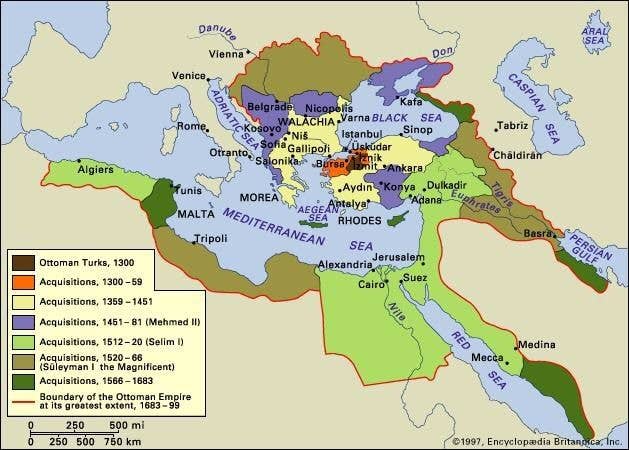
Credit: owlcation.com
Cultural Legacy In Istanbul
The cultural legacy of Istanbul reveals layers of history that continue to shape the city’s soul. As the capital of the Ottoman Empire, Istanbul was a melting pot where diverse traditions met and flourished. The city’s vibrant culture is visible in its architecture, arts, and the coexistence of multiple religions, making it a living museum of the past.
Architectural Marvels
Istanbul’s skyline tells stories through its stunning buildings. The Hagia Sophia, originally a Byzantine cathedral turned mosque, now serves as a museum that speaks to centuries of change. The Blue Mosque, with its six minarets and intricate tile work, invites you to pause and appreciate Ottoman craftsmanship.
Walking through the streets, you’ll notice how palaces, bridges, and bazaars blend styles from different eras. Have you ever considered how architecture shapes your experience of a city’s history?
Art And Literature
Ottoman Istanbul was a hub for poets, calligraphers, and painters. The city nurtured unique art forms like miniature painting and intricate calligraphy that still inspire artists today. Manuscripts and poetry from this era reflect the rich intellectual life that thrived under Ottoman rule.
If you visit Istanbul, look for local galleries or bookshops showcasing Ottoman-inspired art. You might find that these creative expressions connect you more deeply to the city’s past and present.
Religious Diversity
Istanbul has long been a place where different faiths coexisted side by side. Mosques, churches, and synagogues stand within walking distance, highlighting the city’s religious mosaic. This diversity shaped social life and contributed to a culture of tolerance and exchange.
Consider how encountering such varied religious sites might change your perspective on cultural identity and community. What can your own city learn from Istanbul’s example of coexistence?
Economic Role Of Istanbul
Istanbul played a crucial economic role as the capital of the Ottoman Empire, acting as a dynamic hub where East met West. Its strategic location made it a center for commerce and trade, influencing economies far beyond its borders. Understanding Istanbul’s economic power helps you appreciate how cities shape history and global markets.
Trade Routes
The city sat at the crossroads of major trade routes connecting Europe, Asia, and Africa. Goods like silk, spices, and precious metals flowed through Istanbul, fueling wealth and cultural exchange.
Imagine walking through this city centuries ago, surrounded by merchants from distant lands trading exotic products. This constant movement of goods made Istanbul a vital economic engine that sustained the empire’s strength.
Have you ever considered how controlling key trade routes can give a city unmatched influence in the world economy?
Markets And Bazaars
Istanbul’s markets and bazaars were the lifeblood of its economy. The Grand Bazaar, one of the largest and oldest covered markets, attracted thousands daily to buy and sell a vast array of goods.
These bustling centers were more than just places to shop; they were social hubs where ideas and cultures mixed freely. The variety of goods and the vibrant atmosphere made Istanbul’s bazaars legendary and vital to the city’s economic success.
Next time you visit a market, think about how these spaces connect people and power economies—just like Istanbul’s bazaars did centuries ago.
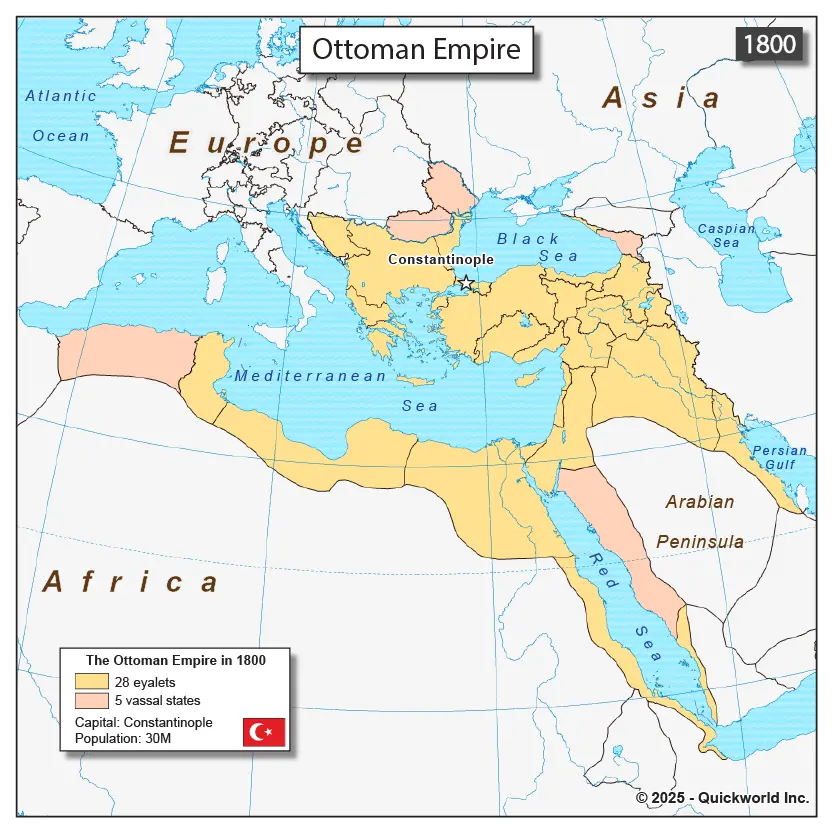
Credit: en.quickworld.com
Istanbul’s Influence Today
Istanbul’s legacy as the capital of the Ottoman Empire continues to shape its identity today. This city is a living bridge between past and present, offering a unique experience that blends history with modern life. Understanding Istanbul’s influence helps you appreciate how history can impact daily urban living and culture.
Modern Urban Landscape
Istanbul’s skyline tells the story of its ongoing evolution. Ancient mosques stand side-by-side with sleek skyscrapers, showing how the city balances heritage with progress. Walking through neighborhoods like Sultanahmet, you can feel the weight of history, while areas like Levent buzz with modern business and innovation.
Have you noticed how public spaces in Istanbul often mix old and new? Parks and plazas are designed to respect historical sites while providing places for people to relax and connect. This approach encourages a city that feels alive and relevant, yet deeply rooted in its past.
Tourism And Heritage
Istanbul’s rich Ottoman heritage attracts millions of visitors each year. Iconic landmarks like the Hagia Sophia and Topkapi Palace draw crowds eager to explore the empire’s former glory. These sites don’t just tell history—they invite you to walk through it and experience the culture firsthand.
Tourism in Istanbul also supports local communities and businesses, offering unique crafts, foods, and experiences you won’t find anywhere else. When you visit, ask yourself: how can you respect and contribute to preserving these cultural treasures while enjoying your trip?
Frequently Asked Questions
What Was The Capital Of The Ottoman Empire?
The capital of the Ottoman Empire was Constantinople, now known as Istanbul. It became the capital in 1453 after the conquest by Sultan Mehmed II. The city remained the empire’s political and cultural center until its dissolution in 1922.
Why Was Constantinople Chosen As The Capital?
Constantinople was strategically located between Europe and Asia. Its position controlled key trade routes and naval passages. The city’s strong fortifications made it a secure and powerful capital for the Ottoman Empire.
How Did Istanbul’s Status Change After The Ottoman Conquest?
After the conquest, Istanbul became the empire’s capital and cultural hub. It transformed into a vibrant metropolis with mosques, palaces, and markets. The city symbolized Ottoman power and served as a major center for administration.
When Did Istanbul Replace Edirne As The Capital?
Istanbul replaced Edirne as the Ottoman capital in 1453. This shift occurred after the successful siege of Constantinople by Sultan Mehmed II. The change marked a significant expansion of the empire’s influence and power.
Conclusion
The capital of the Ottoman Empire was Istanbul. It served as the empire’s heart for centuries. This city shaped history, culture, and politics. Istanbul linked Europe and Asia like no other city. Knowing its role helps us understand the empire better.
The city’s legacy still influences the world today. Exploring Istanbul’s past reveals many interesting stories. History lovers will find its capital truly fascinating. The Ottoman Empire’s story is closely tied to this great city.



