
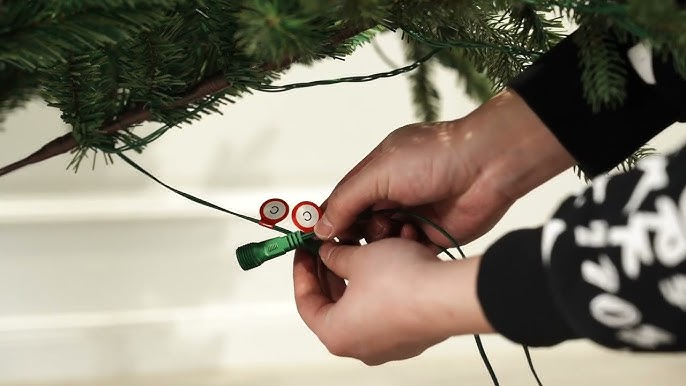
Are you wondering how many strings of lights you can safely connect without causing a blackout or a fire hazard? Whether you’re decorating your home for the holidays or lighting up your backyard for a party, knowing the right number of light strings to link together is key.
Too few, and your display might not shine as bright as you want. Too many, and you risk overloading your outlets and circuits. You’ll discover the simple rules to follow that keep your lights glowing safely and beautifully. Keep reading to make your decorating hassle-free and worry-free!
Credit: www.ebay.ca
Types Of Light Strings
Choosing the right type of light strings can make a big difference in how many you can safely connect. Understanding the main categories helps you avoid overloads and ensures your display shines brightly without a hitch. Let’s break down the common types so you can decide what fits your needs best.
Incandescent Vs Led Lights
Incandescent lights use more energy and generate heat, which limits how many strings you can safely connect. They often allow fewer connections—usually around three to five strings—before the risk of overheating increases.
LED lights are energy-efficient and cool to the touch. You can usually connect more strings, sometimes up to 20 or more, depending on the manufacturer’s guidelines. Have you noticed how LED lights last longer and stay brighter throughout the season?
Standard Vs Commercial Grade
Standard light strings are designed for typical home use and usually have thinner wiring. This limits their capacity to connect multiple strings safely, often capping at a few.
Commercial-grade light strings feature thicker wires and better insulation. They can handle more connections and are built to endure continuous use in larger displays. If you want a big setup without worrying about power issues, commercial-grade might be worth the investment.
Indoor And Outdoor Variants
Indoor light strings are not made to withstand weather conditions. Using them outside can cause damage and safety hazards, and they usually have lower connection limits.
Outdoor light strings are weather-resistant and designed for durability. They allow more connections and keep your display safe during rain or snow. Are you planning to decorate both inside and outside? Make sure to choose the right type for each area to avoid costly mistakes.

Credit: www.amazon.com
Electrical Limits To Consider
Understanding electrical limits is key to safely connecting multiple strings of lights. Ignoring these limits risks overheating and electrical fires. This section breaks down the core electrical factors to keep in mind. It helps you know how many light strings can run together without trouble.
Wattage And Voltage Basics
Each light string has a wattage and voltage rating. Wattage shows how much power the lights use. Voltage is the electrical force that powers the lights. Check these numbers on the label before connecting strings. Adding wattages tells how much total power you use. Always keep total wattage below the outlet’s limit. Using strings with the same voltage avoids damage and flickering.
Maximum Amperage Ratings
Amperage measures the electric current flowing through wires. Each light string draws a certain amount of amps. The total amps from all strings must stay below the wire and plug limits. Exceeding amps causes wires to heat up and can melt insulation. Use the amp rating on string labels to add up your load. Stay under the max amps to keep connections safe.
Circuit Breaker Capacities
Circuit breakers protect your home’s wiring from overload. Each breaker has a limit measured in amps, often 15 or 20 amps. The combined amps from all plugged-in lights must not exceed this limit. Exceeding the breaker’s capacity trips it, cutting power. Calculate total amps for all devices on the same circuit. Spread lights across multiple circuits if needed to avoid tripping.
Manufacturer Recommendations
Understanding how many strings of lights you can connect is crucial. Safety and efficiency depend on following manufacturer recommendations. Each brand provides specific guidance to ensure your lights function well. Proper adherence prevents electrical issues and enhances your holiday display.
Typical Connection Limits
Most manufacturers set limits on string connections. This prevents overload and damage. Commonly, you can connect three to five strings. LED lights often allow more connections due to lower power use. Always check the product details for exact limits.
Label And Packaging Guidelines
Always read labels and packaging before connecting lights. These contain important safety instructions and capacity limits. Look for information on wattage and maximum connections. Following these guidelines ensures safe and effective lighting displays.
Safety Hazards
Connecting multiple strings of lights can brighten any space, but it also brings safety risks. Ignoring limits on how many strings to connect can cause serious problems. Understanding these hazards helps keep your home safe and your decorations shining without trouble.
Overloading Risks
Plugging too many light strings into one outlet or extension cord can overload the circuit. Overloading causes the wires to heat up. This heat can melt insulation and damage electrical components. The result can be power outages or permanent damage to your home’s wiring system.
Each light string has a recommended maximum number for safe connection. Exceeding this number increases the chance of circuit failure. Use power strips with built-in circuit breakers to reduce risks. Always check the light strings’ packaging for connection limits.
Fire Hazards
Overheated wires can ignite nearby flammable materials. This creates a fire hazard, especially near curtains, paper, or dry plants. Old or damaged light strings increase fire risks as their insulation may crack or wear out.
Never leave lights on unattended for long periods. Turn off lights before sleeping or leaving the house. Regularly inspect your lights for frayed wires, broken bulbs, or loose connections. Replace any damaged sets immediately to avoid fire dangers.
Electrical Shock Concerns
Faulty or damaged light strings can expose live wires. Contact with these wires can cause electrical shock. This risk rises in damp or outdoor conditions where moisture can enter plugs and sockets.
Use lights rated for outdoor use outside. Keep connections dry and off the ground. Avoid overloading outlets and never cut or splice light strings. These actions increase the chance of shock and injury.
Best Practices For Safe Connections
Connecting multiple strings of lights can transform your space into a festive wonderland, but safety should never take a backseat. Knowing the best practices for safe connections helps prevent electrical hazards and keeps your decorations glowing without interruptions. Let’s explore key steps you can take to ensure your light displays stay safe and stunning.
Using Proper Extension Cords
Not all extension cords are created equal. Choose cords rated for outdoor use if your lights are outside; indoor cords can’t handle moisture or temperature changes safely.
Check the cord’s gauge—the lower the number, the thicker the wire, and the more power it can safely carry. For multiple light strings, a 16-gauge or thicker cord is usually best.
Have you ever plugged in too many lights and noticed a flicker or a slight burn smell? That’s a warning sign. Using the right extension cords helps you avoid overloading circuits and potential fire hazards.
Avoiding Daisy Chaining
Daisy chaining means plugging one extension cord into another, creating a long chain of connections. This practice can overload circuits and cause overheating.
Instead, plug cords directly into power sources or use a power strip with built-in overload protection. This approach reduces the risk of electrical problems and keeps your setup more organized.
Think about the last time you saw tangled cords behind your decorations—was it easy to find where one ended and another began? Avoiding daisy chaining not only improves safety but also makes troubleshooting easier.
Regular Inspection Tips
Even the best-planned light displays need regular checks. Before plugging in, inspect each string for frayed wires, broken sockets, or loose connections.
Check plugs for discoloration or melting—signs of overheating. Replace any damaged lights immediately to avoid short circuits or fires.
Set a reminder to inspect your lights weekly while they’re in use. Catching issues early keeps your decorations shining bright and your home safe.
Troubleshooting Common Issues
Troubleshooting your string lights can save you time and frustration, especially when you’ve connected multiple strands. Issues like flickering, blown fuses, and tripped breakers are common but often easy to fix. Understanding the causes behind these problems helps you enjoy your lights without interruptions.
Flickering Lights
Flickering lights often signal a loose connection or a damaged bulb. Check each bulb carefully; even one loose bulb can cause the entire string to flicker. Have you ever noticed flickering right after adding a new string? That’s usually a sign the connection between strings isn’t secure.
Try tightening the bulbs or swapping out damaged ones. If the flickering continues, examine the plug and outlet for any signs of wear. Sometimes, simply plugging into a different outlet can stop the flicker.
Blown Fuses
Most string lights come with built-in fuses in the plug to protect against electrical overload. A common mistake is connecting too many strings, which can cause the fuse to blow. Have you ever replaced a fuse only to have it blow again? That’s your signal to reduce the number of connected strands.
Always keep spare fuses handy, and follow the manufacturer’s guidelines on how many strings you can safely connect. Remember, a fuse is a safety net—not a fix for overloading.
Tripped Breakers
If your circuit breaker trips when your lights are on, it means the electrical load is too high. This usually happens when you connect more strings than your circuit can handle. Have you tried plugging your lights into a different circuit to see if the problem persists?
Reduce the number of strings on the circuit or use a dedicated outlet for your lights. Using a power strip with a built-in circuit breaker can also provide extra protection. Safety first—don’t ignore repeated breaker trips.
Energy Efficiency Tips
Energy efficiency matters when connecting multiple strings of lights. It saves electricity and lowers your bills. Using efficient methods keeps your decorations bright without wasting power. Simple choices can make a big difference in energy use.
Choosing Low-wattage Lights
Low-wattage lights use less electricity than traditional bulbs. LED lights are a popular choice because they consume very little power. They last longer and stay cooler, making them safer. Select lights labeled as energy-saving or LED to reduce energy use. This choice lets you connect more strings without overloading circuits.
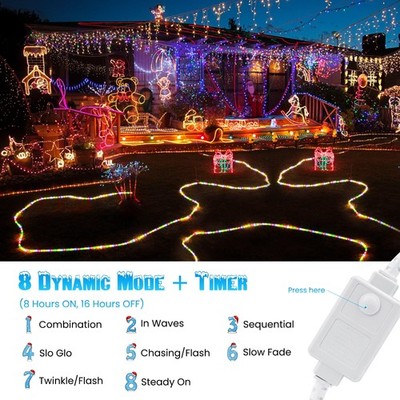
Timers And Smart Controls
Timers help control when your lights turn on and off. Set them to run only during peak evening hours. This prevents lights from staying on all night and wasting energy. Smart controls allow remote operation using phones or voice commands. They offer convenience and ensure lights run only as needed. Using timers and smart controls boosts energy savings effectively.
Alternatives To Connecting Multiple Strings
Connecting too many strings of lights can lead to safety hazards and power issues. Luckily, there are safer and more efficient alternatives to linking multiple strings directly. These options help you illuminate your space without overloading your outlets or risking damage.
Using Multi-outlet Power Strips
Multi-outlet power strips allow you to plug in several light strings without connecting them end-to-end. They often come with built-in surge protection to keep your lights safe from power spikes.
Choose a power strip with enough outlets and a high enough wattage rating to handle your total lighting load. This prevents tripping breakers or causing electrical fires.
Think about your setup: Do you need a long extension cord to reach distant outlets? A power strip with a built-in cord might simplify your arrangement and reduce clutter.
Professional Installation Options
If you want a hassle-free, safe lighting display, consider hiring a professional electrician. They can install dedicated circuits or outdoor-rated outlets tailored to your lighting needs.
Professionals also ensure that your wiring meets local safety codes, reducing the risk of electrical problems. This is especially useful for large or complex light displays.
Would investing in professional help save you time and stress? Often, the cost pays off by preventing damage and providing peace of mind throughout your lighting season.
Credit: www.ebay.ca
Frequently Asked Questions
How Many Light Strings Can I Safely Connect?
You can safely connect 3 to 5 strings of standard mini lights. Check the manufacturer’s guide to confirm limits. Overconnecting can cause overheating and fire hazards.
What Determines The Max Number Of Connected Light Strings?
The max number depends on the wire gauge and bulb type. Thicker wires and LED bulbs allow more connections. Always follow the product instructions for safe usage.
Can I Connect Led And Incandescent Light Strings Together?
No, avoid mixing LED and incandescent strings. They have different voltage and current needs. Connecting them risks damage and safety issues.
How Do I Know If I Exceeded Light String Connections?
If lights flicker or dim, you may have exceeded safe connections. Overloaded circuits can cause outages or hazards. Always monitor your setup carefully.
Conclusion
Knowing how many strings of lights to connect keeps your display safe. Avoid overloading outlets to prevent electrical issues or fire risks. Follow the manufacturer’s instructions for the best results. Choose lights designed to link together easily. This way, your decorations stay bright and secure all season.
Keep your home festive without worry or hassle. Simple steps make your holiday lighting both fun and safe.



