
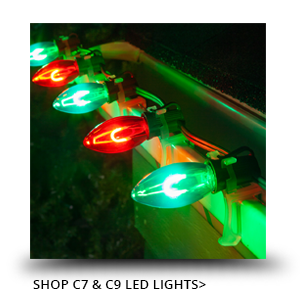
Are you curious about how much energy your string of LED lights actually uses? Knowing the wattage can help you save money on your electricity bill and choose the right lights for your space.
Whether you’re decorating for a party, brightening up your home, or setting a cozy mood, understanding the power consumption of LED lights puts you in control. Keep reading, and you’ll discover simple facts that make a big difference for your energy use and budget.

Credit: www.amazon.ca
Factors Affecting Led Light Wattage
Understanding the factors that affect the wattage of your LED string lights can help you make smarter choices. Not all LED strings consume the same amount of power, even if they look similar. Several elements come into play, influencing how much electricity your lights will use.
Length Of The String
The longer your LED string, the more bulbs it contains, which naturally increases total wattage. A string with 100 bulbs uses more power than one with 50 bulbs. But remember, wattage doesn’t always double with length because some strings use energy-efficient wiring and circuits.
Have you ever noticed how some long LED strings barely affect your electric bill? That’s often due to smart design that minimizes power use per bulb despite the string’s length.
Type Of Led Bulbs
Not all LED bulbs are created equal. Some use less power by design, such as mini LEDs compared to larger, high-power variants. The technology inside the bulb can significantly impact wattage.
Think about the tiny fairy lights you use for decoration. Their bulbs typically consume less power than bigger LED bulbs used for outdoor or security lighting.
Voltage And Current
Voltage and current directly affect wattage since wattage equals voltage multiplied by current. Higher voltage or current means higher power consumption. LED strings designed for different voltage levels—like 12V vs 120V—will have different wattages.
If you’ve ever swapped out a low-voltage LED string for a household voltage one, you’ve seen how the power demand can change.
Color And Brightness
Color impacts wattage because some LED colors require more energy to produce. Brightness level also plays a role; brighter LEDs usually draw more power. For example, white LEDs often consume more wattage than red or blue ones.
So, if you want to save energy, choosing softer colors or dimmer settings on your LED strings might be a simple but effective strategy.
Typical Wattage Of Led Light Strings
Understanding the typical wattage of LED light strings helps you manage energy use and avoid surprises on your electricity bill. LED strings are known for their efficiency, but wattage can vary depending on the type and purpose of the lights. Let’s break down the common wattages you’ll find in different LED light strings.
Standard Indoor Led Strings
Indoor LED strings usually consume between 5 to 15 wattsfor a 100-light strand. These lights are designed to be gentle on your power supply while bright enough to decorate rooms or small spaces.
If you’ve ever decorated a room with these lights, you might notice they stay cool and use very little electricity compared to traditional bulbs. This low wattage makes them perfect for continuous indoor use without worrying about energy costs.
Outdoor And Heavy-duty Led Strings
Outdoor LED strings are built tougher, and their wattage typically ranges from 10 to 30 wattsfor similar lengths. They often have weatherproof coatings and brighter bulbs to stand up to rain or snow.
Because of their durability and brightness, these lights use more power but still remain energy-efficient. Think about your holiday lights outside—they need to be visible from a distance, which means slightly higher wattage without a huge jump in energy use.
Battery-powered Led Strings
Battery-powered LED strings are the most energy-conscious, often using less than 5 wattsper string. Their low wattage helps extend battery life, making them ideal for portable and temporary setups.
Have you used battery-operated fairy lights for a cozy picnic or a tent? Those moments show how low wattage lets you enjoy beautiful lighting without needing a power outlet.
Calculating Power Consumption
Calculating power consumption helps know how many watts a string of LED lights uses. Multiply the wattage per bulb by the number of bulbs. This shows the total energy used and helps manage electricity costs.
Calculating the power consumption of a string of LED lights can seem daunting, but it’s simpler than you might think. Knowing how many watts your lights use helps you manage electricity costs and make eco-friendly choices. Let’s break down the process step-by-step.Wattage Per Bulb
Start by checking the wattage of a single LED bulb in your string. This information is often found on the packaging or the bulb itself. Typically, an LED bulb uses between 0.5 to 1 watt, making it an energy-efficient choice for your lighting needs.Total Number Of Bulbs
Count the total number of bulbs in your string. This is straightforward yet crucial for your calculation. If your string has 100 bulbs, and each uses 1 watt, you’ll need to multiply these numbers to find the total wattage.Using Manufacturer Specifications
Consult the manufacturer’s specifications for your LED string. This often provides the total wattage, saving you from manual calculations. It’s a good practice to double-check these specs, as they offer the most accurate insight into power consumption. Understanding the wattage of your LED lights empowers you to optimize your energy use. Why settle for guesswork when you can have precise control over your lighting?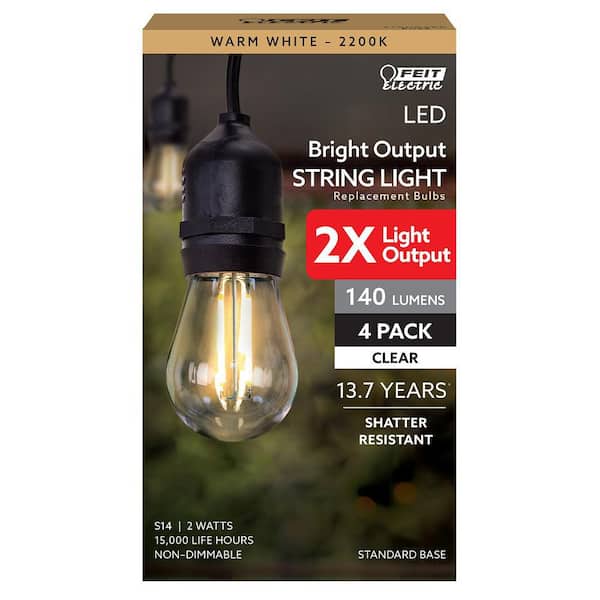
Credit: www.homedepot.com
Energy Efficiency Of Led Lights
LED lights are known for their impressive energy efficiency, making them a smart choice for both indoor and outdoor lighting. They use significantly less power than traditional bulbs, meaning you get the same brightness while consuming fewer watts. This efficiency doesn’t just save energy; it also impacts your wallet and the environment in meaningful ways.
Comparison With Incandescent Lights
LED string lights typically use about 0.05 to 0.1 watts per bulb, while incandescent bulbs can use around 5 watts each. This means LEDs consume up to 90% less energy for the same amount of light. If you’ve ever replaced old string lights with LEDs, you’ve likely noticed how much cooler they feel and how much longer they last without burning out.
Impact On Electricity Bills
Lower wattage directly translates to lower electricity bills. Running a 100-bulb LED string for 6 hours daily might cost just a few cents, whereas incandescent lights could add several dollars each month. Think about how much you spend on lighting during holidays or long evenings outside—switching to LEDs can reduce those costs noticeably.
Environmental Benefits
Using LED lights reduces your carbon footprint because they require less energy from power plants, many of which burn fossil fuels. Less energy consumption means fewer greenhouse gases released into the atmosphere. Plus, LEDs last longer, so you throw away fewer bulbs, reducing landfill waste and resource use.
Tips To Reduce Power Usage
Reducing power usage of your LED string lights not only lowers your electricity bill but also extends the lifespan of the lights. Small adjustments in how and when you use them can make a noticeable difference. Here are some practical tips that you can apply today to save energy without sacrificing the festive glow.
Using Timers And Smart Controls
Have you ever left your lights on all night by accident? Using timers ensures your LED strings run only during set hours, cutting unnecessary power use.
Smart plugs and apps let you control your lights remotely. This way, you can turn them off from anywhere, avoiding waste when you forget.
- Set timers to match your daily routine, like turning lights off after you go to bed.
- Use motion sensors in outdoor areas to light up only when needed.
- Integrate smart home systems for automatic scheduling and energy monitoring.
Choosing Lower Wattage Strings
Not all LED strings consume the same amount of power. Some are designed with energy efficiency in mind, using fewer watts per bulb.
Look for products labeled as “low wattage” or “energy-saving.” These options often provide the same brightness with less electricity.
- Compare wattage on packaging before purchasing new lights.
- Opt for LED strings with fewer bulbs if you don’t need extensive coverage.
- Consider color temperature; cooler whites often use less power than warmer tones.
Proper Installation And Maintenance
Proper setup can prevent power loss. Make sure your string lights are installed according to manufacturer instructions to avoid overloading circuits.
Regularly check for damaged wires or bulbs. Faulty parts can cause energy waste and even safety hazards.
- Secure connections tightly to prevent flickering and short circuits.
- Clean bulbs gently to keep their brightness efficient.
- Store lights properly when not in use to avoid damage that leads to power inefficiency.
Common Misconceptions About Led Wattage
Many people have wrong ideas about how LED lights use power. These misunderstandings can lead to wrong choices or worries. Understanding the truth helps you pick the right lights and save energy.
Higher Wattage Means Brighter Lights
More watts do not always mean brighter LED lights. LED technology is very efficient. Some low-wattage LEDs can shine very bright. Brightness depends on lumens, not just watts. Always check the lumens to know how bright your lights will be.
All Led Strings Use The Same Power
Not all LED strings use the same amount of power. The wattage varies by length, bulb size, and design. Short strings usually use fewer watts than long ones. Different colors or features can also change power use. Always check the label for exact wattage.
Wattage And Safety Concerns
Higher wattage does not always mean unsafe lights. LEDs run cooler and use less power than traditional bulbs. Still, always follow the manufacturer’s guidelines. Avoid plugging too many strings into one outlet. Proper use keeps your lights safe and efficient.

Credit: www.amazon.ca
Frequently Asked Questions
How Many Watts Do Led String Lights Typically Use?
LED string lights usually consume between 5 to 15 watts per 25-foot string. This varies by bulb size and quantity. LEDs are energy-efficient, using far less power than traditional bulbs while providing bright illumination.
What Affects The Wattage Of Led String Lights?
The wattage depends on bulb count, size, and brightness level. More bulbs or higher brightness increases wattage. Additionally, the type of LED and wiring design can influence power consumption.
Can Led String Lights Save Electricity Compared To Incandescent?
Yes, LED string lights use up to 80% less electricity than incandescent bulbs. They last longer and generate less heat, reducing overall energy costs and environmental impact.
How To Calculate Total Wattage For Multiple Led Strings?
Multiply the wattage of one string by the number of strings used. For example, five 10-watt strings equal 50 watts total. This helps estimate energy consumption and plan electrical load safely.
Conclusion
A string of LED lights uses very little power compared to old bulbs. Usually, it consumes between 5 and 20 watts, depending on length and type. This low usage helps save electricity and reduces your bills. LEDs also last longer, so you replace them less often.
Choosing LED string lights is smart for both your home and the environment. Remember to check the wattage before buying to match your needs. Bright, energy-saving, and affordable—LED string lights shine in every way.



