
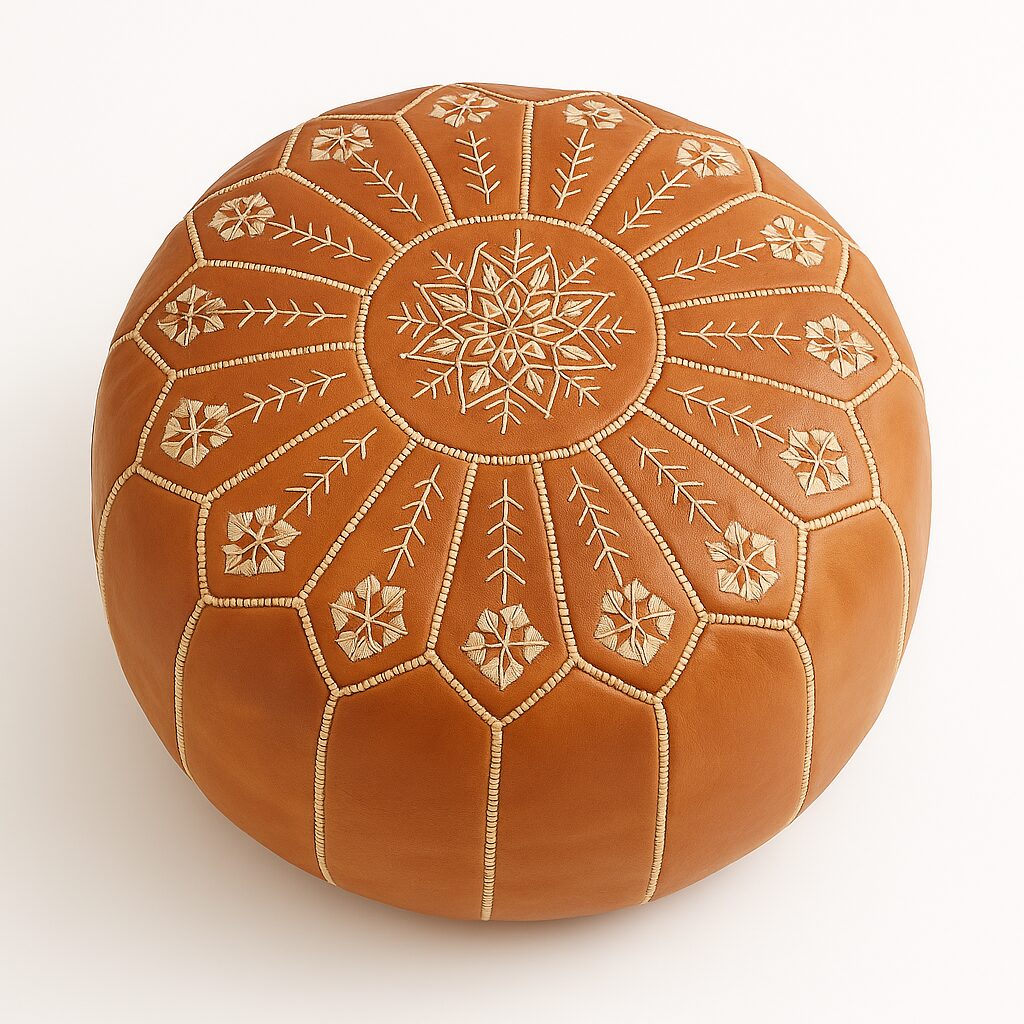
Are you ready to add a stylish and cozy touch to your living space? Making a round leather pouf ottoman by yourself is easier than you think.
Imagine having a unique piece that not only looks great but also offers comfort and functionality. Whether you want a footrest, extra seating, or a decorative accent, this project lets you create exactly what fits your style and needs. Keep reading, and you’ll discover simple steps that turn basic materials into a beautiful leather pouf ottoman you’ll be proud to show off.
Your home deserves this upgrade—and you have the power to make it happen.
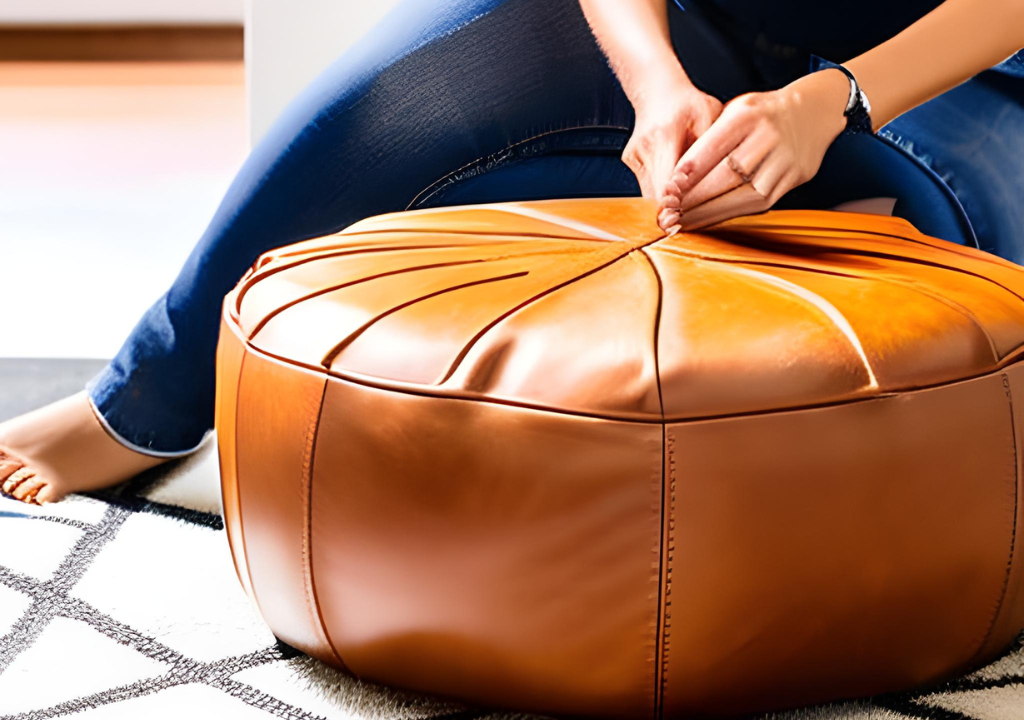
Credit: medium.com
Materials Needed
Gathering the right materials is the first step to making a round leather pouf ottoman that lasts and looks great. Each choice you make affects the comfort, durability, and style of your pouf. Let’s break down what you need and how to pick the best options for your project.
Choosing The Right Leather
Leather quality can make or break your pouf. Opt for full-grain or top-grain leather if you want a durable, natural look that will age beautifully over time. Avoid bonded or faux leather because they tend to wear out quickly and don’t have the same strength.
Think about color and texture too. Smooth leather is easier to sew but may show scratches, while pebble grain hides wear better and adds character. Have you considered how the leather’s finish will match your room’s vibe?
Selecting The Filling
The filling determines how your pouf feels when you sit or rest your feet on it. Polyfill stuffing is lightweight and soft, perfect if you want a cushy pouf. However, foam beads or shredded foam offer firmer support and hold their shape longer.
You might try combining materials—foam for structure with a soft polyfill layer for comfort. How firm do you want your pouf to be? This choice affects not just comfort but also the overall silhouette.
Tools And Accessories
Having the right tools makes the assembly smoother and the finish cleaner. You will need a heavy-duty sewing machine or a strong needle for hand-stitching, since leather is tough to sew through. A leather punch and a rotary cutter or sharp scissors are must-haves for precise cuts.
Don’t forget accessories like upholstery thread, which is stronger than regular thread, and a zipper or buttons if you want a removable cover for easy cleaning. What tools do you already have that can save time or money?
Preparing The Leather
Preparing the leather is a vital part of making a round leather pouf ottoman. This step ensures the leather pieces fit perfectly and the final product looks clean and professional. Proper preparation helps avoid mistakes during sewing and assembly.
Start with careful measuring and precise cutting. This sets the foundation for all the other steps. Then, marking stitching lines guides your sewing, making the seams neat and even. Taking time here saves effort later.
Measuring And Cutting
Use a flexible measuring tape to measure the pouf’s dimensions. Measure the diameter of the top circle and the height and circumference of the side panel. Transfer these measurements onto the leather with a pencil or chalk.
Cut the leather with sharp scissors or a rotary cutter. Cut slowly to keep smooth, clean edges. Avoid jagged cuts that can affect the shape and sewing.
Marking Stitching Lines
Mark stitching lines about ¼ inch from the edge of each leather piece. Use a ruler to draw straight, even lines. These lines help keep stitches consistent and aligned.
Make small marks for stitch placement along the lines. Space them evenly for a balanced look. Clear markings make sewing easier and improve the pouf’s durability.
Sewing The Pieces
Carefully align the leather pieces before sewing to ensure a smooth, round shape. Use strong thread and consistent stitches for durability and a neat finish. Take your time to join each segment evenly, creating a polished pouf ottoman.
Sewing the pieces of a round leather pouf ottoman requires patience and precision. This step involves stitching various parts together to form a cohesive whole. Having all pieces cut and prepared is essential. Start by assembling the circular top, then move to the side panel. Finally, focus on creating strong seams for durability. Let’s dive into each part of this process.Stitching The Circular Top
Begin with the circular top piece. Align the leather pieces accurately. Use a sturdy thread that matches the leather’s color. Begin stitching from the center, moving outward in a spiral. Keep stitches even and tight. This ensures a smooth, flat surface. Double-check your work for any loose threads or gaps.Attaching The Side Panel
Next, work on the side panel. Measure the length to fit around the circular top. Pin the side panel to the top edge. Ensure edges meet neatly. Sew along the pinned edge with a strong, consistent stitch. This step requires patience to avoid puckering. Inspect the seam to ensure it is secure.Creating Strong Seams
Strong seams are crucial for durability. Use a double stitch method for reinforcement. Stitch once along the seam, then go over it again. This adds strength and longevity to the pouf. Pay special attention to corners and joints. These areas endure more stress and need extra support. Regularly check the tension of your stitches. Adjust if necessary to maintain uniformity throughout.Assembling The Pouf
Assembling the round leather pouf ottoman is where your project begins to take shape. This stage brings together all the materials and craftsmanship into a functional, stylish piece. Careful stuffing, securing, and final touches ensure durability and comfort.
Stuffing With Filling Material
Start by choosing soft, firm filling for a balanced feel. Use polyester fiberfill for softness or foam pieces for extra support. Fill the pouf evenly, pressing down to avoid lumps. Add more filling until the pouf feels full but still squeezable. Check all sides to keep the shape round and smooth.
Securing The Bottom
Attach the bottom piece carefully to hold the filling inside. Align the edges of the bottom leather with the pouf body. Use strong thread and a heavy-duty needle to sew the edges tightly. Double stitch for extra strength and durability. Make sure no gaps remain to keep the filling secure.
Finishing Touches
Inspect the pouf for loose threads or uneven areas. Trim any excess leather or fabric cleanly around the seams. Add decorative stitching or buttons if desired for style. Wipe the leather with a soft cloth to remove dust. Your round leather pouf ottoman is now ready to use and enjoy.
Tips For Durability
Making a round leather pouf ottoman is a rewarding project, but ensuring it lasts requires some smart choices. Paying attention to durability means your creation will not only look great but also stand up to daily use. Let’s look at how you can strengthen your pouf and keep the leather in top shape for years.
Reinforcing Stress Points
Stress points on a pouf, like where the seams meet or where the stuffing pushes against the leather, need extra support. Use double stitching or even triple stitching on these areas to prevent tearing over time.
Adding a sturdy fabric or leather patch inside the seams can distribute pressure more evenly. Think about where you normally sit or place your feet, and reinforce those spots first.
Have you ever noticed how some ottomans start to sag or lose shape quickly? That usually happens because the stress points weren’t reinforced enough. You can avoid this by using heavy-duty thread and sewing slowly and carefully around those critical areas.
Maintaining Leather Quality
Leather is beautiful but needs care to stay soft and strong. Clean your pouf regularly with a damp cloth and use a leather conditioner every few months to keep the material flexible and prevent cracks.
Keep the pouf away from direct sunlight and heat sources, which dry out leather. If you have pets, consider a leather protector spray to guard against scratches and stains.
Think about how you use your pouf daily—do you place drinks on it or use it as a footrest? Protect those surfaces with a small tray or cover during heavy use to preserve the leather’s finish.

Credit: www.amazon.ca
Creative Customizations
Creative customizations can make your round leather pouf ottoman truly unique. Personal touches add charm and style. They also improve the piece’s functionality and appeal. Experimenting with design details can turn a simple pouf into a statement item. Explore ways to enhance its look with stitching and accents.
Adding Decorative Stitching
Decorative stitching adds texture and interest to leather poufs. Use contrasting thread colors to create eye-catching patterns. Simple stitches like cross-stitch or whipstitch work well. Try geometric shapes or floral designs for a personalized look. Stitch along the edges or across the surface. This technique strengthens seams and adds artistic flair.
Incorporating Handles Or Tassels
Handles and tassels improve both style and function. Leather handles make moving the pouf easier. Attach them securely with rivets or strong stitching. Tassels bring a boho or rustic vibe. Choose colors that complement the leather tone. Attach tassels at the seams or center top. These accents add playful movement and texture.
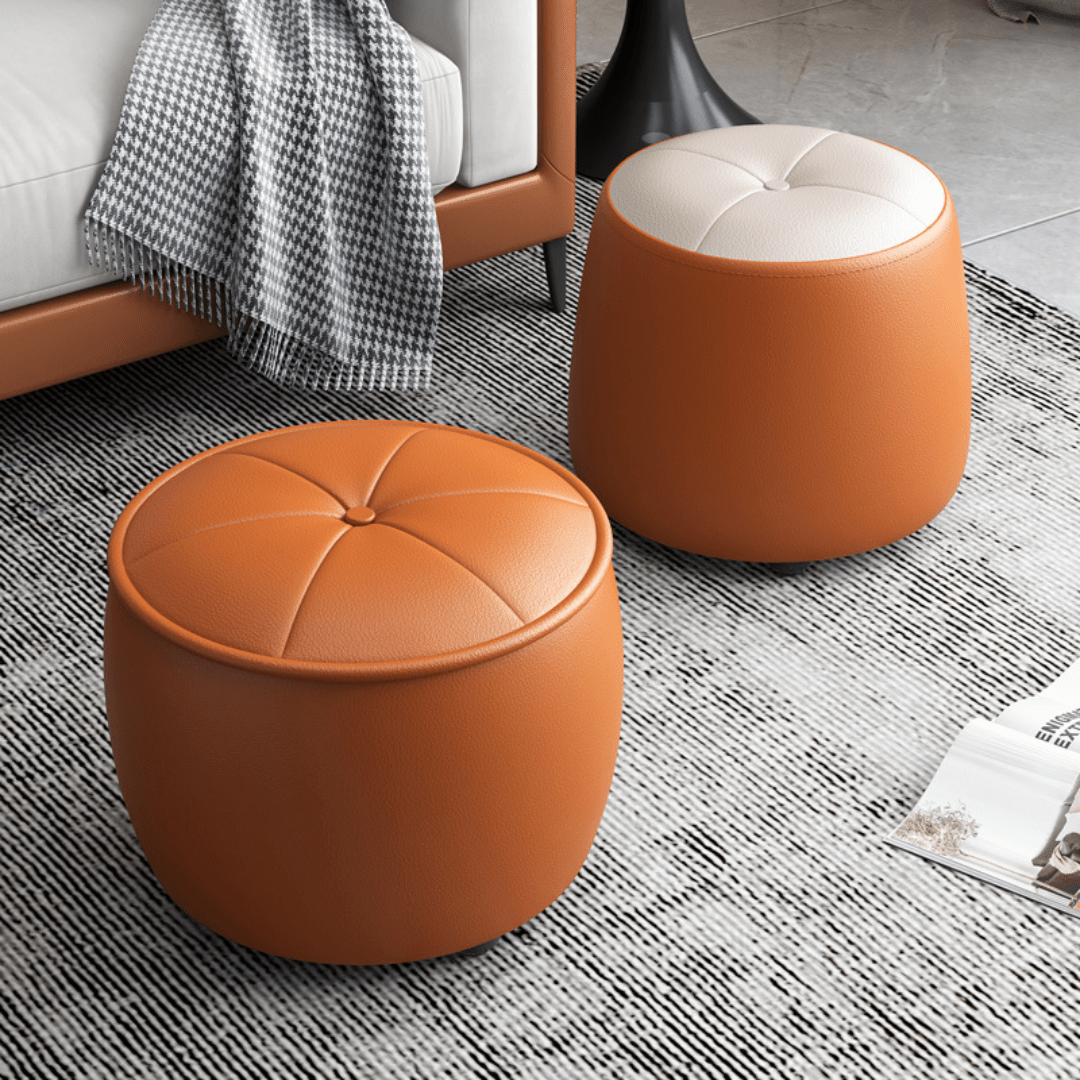
Credit: homeessentials.in
Frequently Asked Questions
How Do I Choose Leather For A Pouf Ottoman?
Select durable, high-quality leather with a smooth texture. Full-grain or top-grain leather is best for strength and appearance. Consider color and finish that match your décor.
What Tools Are Needed To Make A Leather Pouf Ottoman?
Essential tools include a leather needle, strong thread, scissors, measuring tape, and a sewing machine. You’ll also need stuffing material and a round template.
How Much Stuffing Is Required For A Round Pouf?
Use enough stuffing to make the pouf firm but comfortable. Typically, 2 to 3 pounds of polyester fiberfill or foam works well for a standard size.
Can I Customize The Size Of The Leather Pouf?
Yes, you can easily customize the pouf size by adjusting the diameter of your leather circles. Measure and cut accordingly before sewing.
Conclusion
Creating a round leather pouf ottoman can be simple and fun. Follow the steps carefully and take your time. Choose good leather and strong thread for best results. This project adds style and comfort to any room. Enjoy your new handmade piece and show it off proudly.
Keep practicing to improve your sewing skills. A cozy, stylish pouf is worth the effort. Try making more in different colors or sizes soon.



