
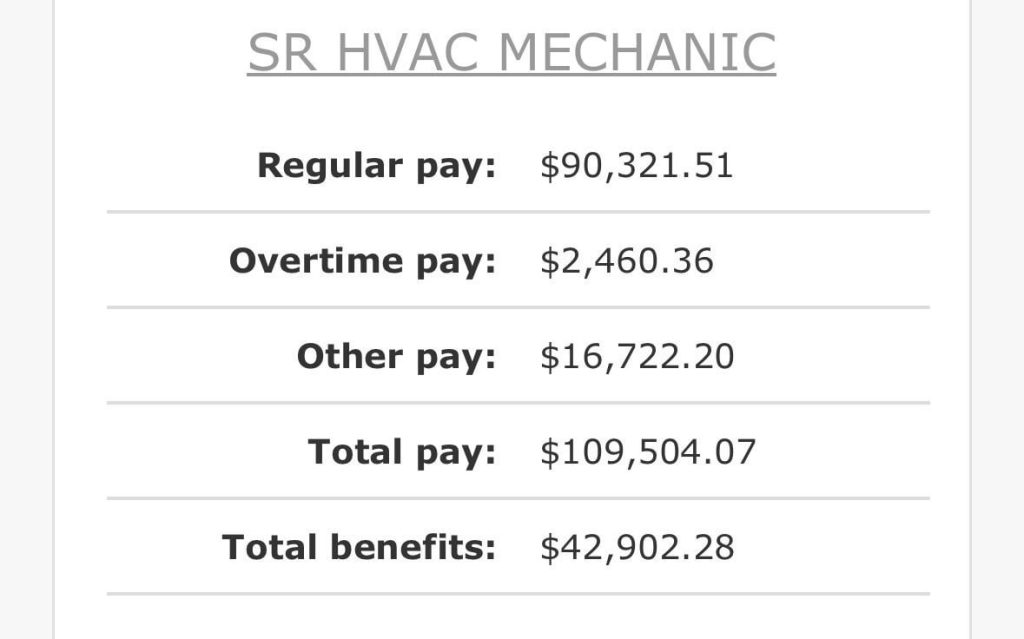
Have you ever wondered how much you can make in HVAC? Whether you’re thinking about starting a career or already working in the field, knowing your earning potential is key.
Your income in HVAC can vary a lot depending on your skills, location, and experience. Imagine turning your hard work into a paycheck that truly reflects your effort and expertise. Keep reading, and you’ll discover the real numbers, what affects your salary, and how you can boost your earnings in this growing industry.
This information could change the way you think about your career and your future.
Credit: sbeodyssey.com
Hvac Salary Basics
Understanding HVAC salary basics is essential before pursuing a career in this field. Pay varies based on location, experience, and certifications. These factors influence how much HVAC professionals earn. Knowing these details helps set realistic expectations and career goals.
Average Pay Across Regions
HVAC salaries differ widely by region. States with high living costs usually pay more. For example, California and New York offer higher wages than southern states. Rural areas tend to have lower salaries. This variation reflects demand, cost of living, and local economy.
| Region | Average Hourly Wage | Average Annual Salary |
|---|---|---|
| West Coast | $25 – $30 | $52,000 – $62,000 |
| Midwest | $18 – $23 | $37,000 – $48,000 |
| South | $17 – $22 | $35,000 – $46,000 |
| Northeast | $22 – $28 | $46,000 – $58,000 |
Entry-level Vs Experienced Earnings
Entry-level HVAC technicians earn less than skilled workers. Beginners often make between $30,000 and $40,000 yearly. Experience boosts pay significantly over time. Skilled HVAC professionals can earn $60,000 or more annually. Experience improves efficiency and quality, raising their value to employers.
Impact Of Certifications
Certifications increase HVAC earning potential. Certified technicians show proven skills and knowledge. Popular certifications include EPA Section 608 and NATE. These can lead to higher pay and better job opportunities. Employers prefer certified HVAC workers for complex tasks. Certification also builds trust with customers.
Factors Influencing Hvac Income
Several factors shape how much you can earn in the HVAC field. These influence wages, job opportunities, and career growth. Understanding these helps you make better career decisions and set realistic goals.
Geographic Location
Where you work greatly affects your HVAC income. Urban areas tend to pay more than rural regions due to higher demand. States with extreme weather often offer higher wages to meet urgent HVAC needs. Cost of living also plays a role in salary differences across locations.
Type Of Employer
Different employers offer varying pay scales. Large companies and government agencies usually provide better salaries and benefits. Small businesses may pay less but offer more hands-on experience. Self-employed HVAC technicians can set their rates but face irregular income.
Specialization And Skills
Specialized skills increase your earning potential. Expertise in refrigeration, heating systems, or green technology adds value. Certifications and ongoing training show employers you are qualified. Skilled technicians handle complex jobs that pay more than basic repairs.
Comparing Hvac Roles
Comparing roles in HVAC helps understand pay differences across the field. Each position has unique tasks and skills. These factors affect salary levels. Knowing the distinctions guides career choices and salary expectations.
Technician Vs Installer
Technicians repair and troubleshoot HVAC systems. They find problems and fix equipment. Installers set up new systems in homes or businesses. Installers focus on placing and connecting units correctly.
Technicians often earn more due to their specialized skills. Installers may earn less but gain experience with system setups. Both roles require technical knowledge and physical work.
Service Vs Maintenance Jobs
Service jobs involve fixing broken HVAC systems. These roles need quick problem-solving skills. Maintenance jobs focus on regular checks and system care. This work prevents future breakdowns.
Service technicians often earn higher pay because of urgent repairs. Maintenance workers enjoy steady work but usually earn less. Both roles keep HVAC systems running smoothly.
Commercial Vs Residential Hvac
Commercial HVAC workers handle large systems in offices or stores. Residential workers focus on homes and small buildings. Commercial jobs often require more technical knowledge.
Pay tends to be higher in commercial HVAC roles. Residential jobs may offer more entry-level opportunities. Both provide good career paths with different work environments.
Credit: www.natalieluneva.com
Additional Income Opportunities
Besides your base salary, there are several ways to increase your earnings in the HVAC field. These additional income opportunities allow you to make the most of your skills and time. Let’s look at some practical options that can boost your paycheck.
Overtime And Bonuses
Working extra hours can significantly raise your income. Many HVAC companies offer overtime pay, which often comes at a higher rate than your regular hourly wage. You might also receive bonuses for completing projects early or for outstanding performance.
Have you ever considered how a few extra hours each week could add up by the end of the month? If your schedule allows, taking on overtime could be a straightforward way to make more money without changing jobs.
Self-employment And Contracting
Going freelance or starting your own HVAC business opens up more income potential. You set your rates and choose your clients, which can lead to higher earnings than a fixed salary. It also gives you the freedom to work on specialized projects that interest you.
Keep in mind, running your own business means handling your own taxes, insurance, and marketing. But if you’re organized and proactive, contracting can turn your expertise into a lucrative venture.
Training And Teaching
If you have solid experience, sharing your knowledge can bring in extra income. Many HVAC technicians find success teaching at trade schools or offering private lessons. Online courses and workshops are also popular ways to reach more learners.
Think about what unique skills or tips you can teach others. Turning your know-how into training sessions not only helps others but also adds a rewarding income stream to your career.
Maximizing Your Hvac Earnings
Earnings in HVAC vary based on skills, experience, and location. Technicians can boost income by gaining certifications and working overtime. Understanding pay rates helps plan career growth effectively.
Maximizing earnings in the HVAC industry involves strategic planning and skill enhancement. By focusing on certifications, reputation, and networking, you can boost your income. Let’s explore how these elements can enhance your HVAC career.Advancing Your Certifications
Upgrading your certifications can increase your earning potential. Specialized certifications make you more valuable. They show your commitment to learning. Clients and employers trust certified technicians more. This trust often leads to higher pay. Certifications keep you updated with industry standards. As technology evolves, staying current is crucial. You become a go-to expert in your field.Building A Strong Reputation
A strong reputation in HVAC can lead to more jobs. Quality work and reliability build trust. Satisfied clients often recommend you to others. Word-of-mouth referrals can increase your workload. Always be professional and respectful. These traits make a lasting impression. A positive online presence also matters. Encourage satisfied clients to leave good reviews. Respond professionally to feedback, even if negative.Networking And Continuing Education
Networking opens doors to new opportunities. Attend industry events and workshops. Meet other professionals and share experiences. These connections can lead to job offers or partnerships. Continuing education is equally important. Stay informed about the latest HVAC trends. Workshops and seminars can provide new skills. This ongoing learning can set you apart from competitors.Future Of Hvac Salaries
The future of HVAC salaries looks promising as the industry evolves and adapts to new demands. Your earning potential will likely grow if you keep pace with industry changes and upgrade your skills. Understanding what drives salary changes can help you plan your career path more effectively.
Industry Growth Trends
The HVAC industry is expanding steadily due to new construction and the need for energy-efficient systems. More buildings require advanced heating and cooling solutions, which creates more jobs.
This growth often leads to higher wages as companies compete for qualified technicians. Have you considered how the rise in green building standards might affect your salary?
Emerging Technologies
Technologies like smart thermostats, HVAC automation, and eco-friendly refrigerants are changing how systems operate. Mastering these can set you apart and increase your value to employers.
Technicians who learn to install and maintain these advanced systems usually command better pay. Are you ready to invest time in learning these new tools?
Demand For Skilled Workers
There’s a growing shortage of skilled HVAC workers, which puts you in a strong negotiating position. Employers are willing to offer better salaries to attract and keep talent.
Skills in troubleshooting, system design, and energy efficiency are especially prized. What specialized skills do you have that could boost your paycheck?
Credit: sbeodyssey.com
Frequently Asked Questions
How Much Does An Hvac Technician Earn Annually?
The average HVAC technician earns between $40,000 and $60,000 per year. Earnings vary by experience, location, and certifications. Skilled technicians with specialized skills can earn more.
What Factors Influence Hvac Salaries The Most?
Experience, certifications, geographic location, and employer type greatly impact HVAC salaries. Specialized skills and overtime work also increase earning potential.
Do Hvac Apprentices Earn Less Than Certified Technicians?
Yes, apprentices earn significantly less, usually between $25,000 and $35,000 annually. Certified technicians earn higher wages due to their skills and experience.
Can Hvac Professionals Earn More With Certifications?
Absolutely. Certifications like EPA Section 608 boost credibility and salary. Certified HVAC pros often earn 10-20% more than uncertified peers.
Conclusion
Earning potential in HVAC depends on skills, experience, and location. Entry-level workers earn less but can grow with time. Specialized technicians often make higher wages. Jobs in big cities tend to pay more than rural areas. Training and certifications improve job prospects and salary.
HVAC remains a steady career with good demand. You can build a reliable income with dedication. Consider your goals and choose the right path. The HVAC field offers many chances to succeed.



