
Have you ever wondered if your home’s air feels stale or if moisture is quietly building up behind your walls? Knowing when to turn on your power ventilation system can make all the difference in keeping your space fresh, healthy, and comfortable.
If you’re unsure about the right moments to use this system, you’re not alone—and this article will guide you through it. By the end, you’ll understand exactly when to switch it on to protect your home and breathe easier every day.
Keep reading to discover the simple signs and smart tips that can save you time, money, and hassle.
Purpose Of Power Ventilation
Power ventilation systems help improve air quality and comfort in buildings. They remove stale air and bring in fresh air effectively. Knowing the purpose of power ventilation helps you decide the best times to use it. These systems control humidity, reduce odors, and prevent mold growth. Proper use can make your indoor space healthier and more pleasant.
How Power Ventilation Works
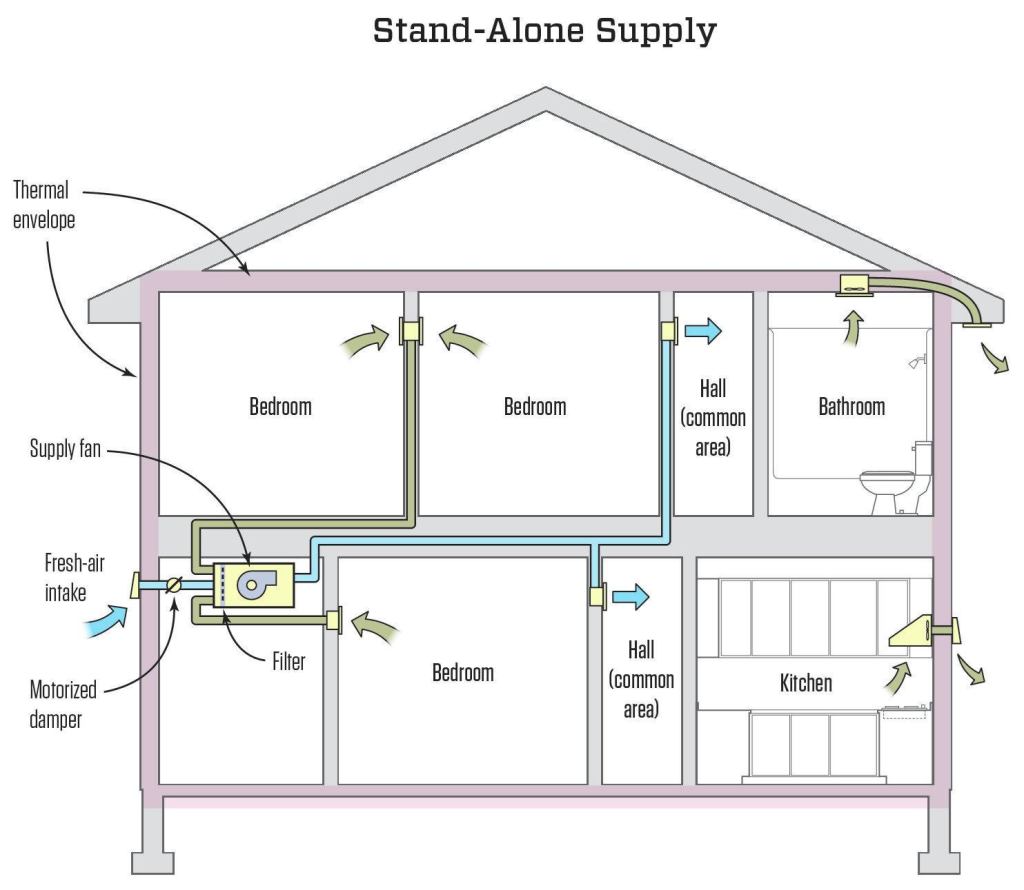
Power ventilation uses fans to move air in and out of a space. It forces stale, humid, or polluted air outside. Fresh air from outside is pulled inside to replace it. This process keeps air moving even when windows are closed. Sensors or timers often control when the system turns on. It can run continuously or only when needed to save energy.
Benefits Of Using Power Ventilation
- Removes excess moisture that causes mold and mildew.
- Reduces indoor odors from cooking or pets.
- Improves overall air quality by removing pollutants.
- Maintains a comfortable temperature by balancing airflow.
- Helps protect building materials from moisture damage.
- Supports better health by reducing allergens and dust.
Credit: www.jlconline.com
Common Signs To Activate Power Ventilation
Knowing when to turn on your power ventilation system can save your home from damage and keep your indoor air fresh. Some signs are easy to spot but often ignored until problems worsen. Paying attention to these common indicators helps you act before issues become costly or unhealthy.
Excessive Humidity Levels
If you notice your home feels damp or sticky, it’s a clear sign humidity is too high. High humidity encourages dust mites and allergens to thrive, which can affect your health. Using a hygrometer to track indoor moisture can help you decide when to switch on power ventilation for better air balance.
Unpleasant Odors
Lingering smells from cooking, pets, or moisture can make your space uncomfortable. If opening windows doesn’t clear the air, it’s time to activate your ventilation system. Removing stale air quickly prevents odors from sticking around and reduces the chance of bacteria buildup.
Visible Mold Or Mildew
Spotting mold or mildew on walls, ceilings, or corners signals poor air circulation and excess moisture. Mold not only damages surfaces but also poses health risks. Turning on your power ventilation system can halt mold growth by drying out the air and improving airflow.
Poor Air Quality
Feeling tired, having headaches, or noticing dust settling faster might mean your indoor air quality is low. Pollutants and allergens build up without proper ventilation. Activating your power system refreshes the air and helps you breathe easier.
Condensation On Windows
Water droplets forming on windows during cold weather show trapped moisture inside your home. This condensation can lead to wood rot or paint damage over time. Power ventilation helps reduce this moisture by exchanging indoor air with drier outdoor air.
Situations Requiring Immediate Ventilation
Knowing when to switch on your power ventilation system can make a big difference in maintaining fresh and healthy indoor air. Certain situations demand immediate action to avoid lingering odors, moisture buildup, or harmful fumes. Recognizing these moments helps you protect your home and well-being effectively.
After Cooking Or Showering
Cooking releases steam, smoke, and strong smells that can quickly fill your kitchen and spread to other rooms. Turning on the ventilation system right after cooking helps clear out these odors and prevents grease from settling on surfaces.
Showers produce a lot of moisture, creating a perfect environment for mold and mildew. Activating the ventilation immediately after showering reduces humidity, keeping your bathroom dry and your air clean.
Following Painting Or Renovations
Fresh paint and renovation materials often emit volatile organic compounds (VOCs) that can cause headaches, dizziness, or irritation. Using your power ventilation system right after these activities helps remove these harmful fumes quickly.
Even if you open windows, mechanical ventilation ensures continuous airflow, especially in spaces without good natural ventilation. This step can improve your comfort and safety during and after home projects.
During High Occupancy
When many people gather in one space, the air can feel stuffy and stale fast. More occupants mean increased carbon dioxide and moisture levels, which can affect your concentration and comfort.
Switching on your ventilation system during these times keeps the air fresh and reduces the risk of airborne germs spreading. Have you noticed how much better a room feels with good airflow during parties or meetings?
Credit: ohmefficient.com
Energy Efficiency Considerations
Energy efficiency plays a key role when deciding the right time to turn on your power ventilation system. You want fresh air without wasting electricity or heating and cooling resources. Striking the right balance can save money and reduce your home’s environmental impact.
Balancing Ventilation And Energy Use
Too much ventilation can cool or heat your home unnecessarily, driving up energy bills. On the other hand, poor ventilation compromises air quality and comfort. Ask yourself: Is the air stale or humid enough to justify running the system?
Try to use natural ventilation when possible, like opening windows during mild weather. Use your power ventilation system mainly during high humidity or pollutant levels. Monitoring indoor air quality can help you decide the right moments to switch it on.
Using Timers And Sensors
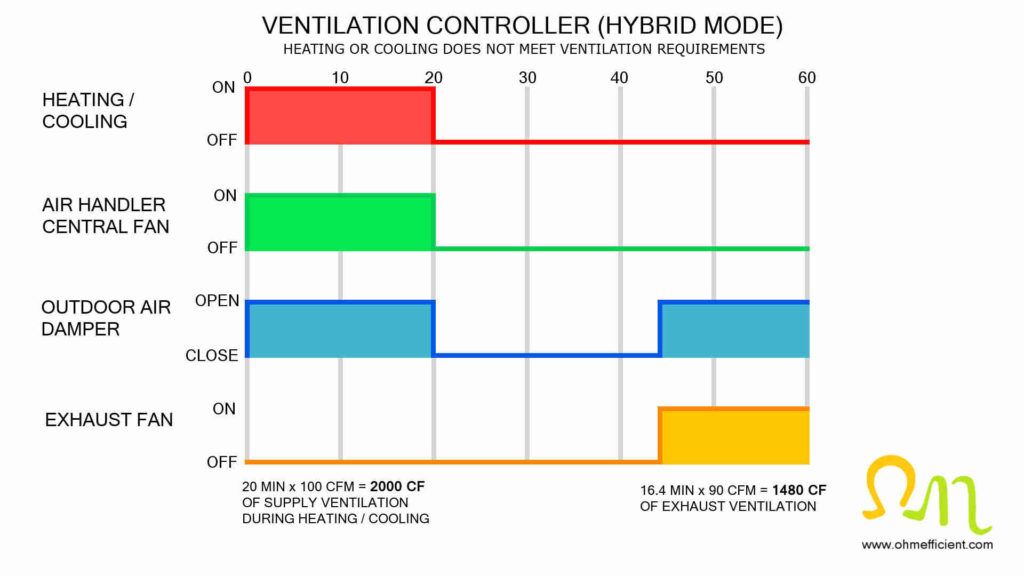
Timers and sensors take the guesswork out of energy-efficient ventilation. Timers let you set the system to run only during specific hours, such as when you’re home or cooking. This avoids unnecessary operation during the night or when the house is empty.
Sensors detect humidity, temperature, or air quality and activate ventilation automatically. This ensures your system runs only when needed, saving energy without compromising comfort. Have you considered installing sensors to make your ventilation smarter and more cost-effective?
Maintenance Tips For Power Ventilation Systems
Power ventilation systems should be turned on when moisture or odors build up indoors. Running the system during cooking or after showers helps keep air fresh and dry. Regular use prevents mold and improves indoor air quality.
Maintaining your power ventilation system ensures optimal performance and longevity. Proper care helps prevent breakdowns and costly repairs. Follow these maintenance tips to keep your system running smoothly.Regular Cleaning
Dust and debris can accumulate in your ventilation system. Clean the vents and ducts regularly. Use a damp cloth or vacuum to remove dirt. This ensures efficient airflow and reduces strain on the system.Checking For Blockages
Blockages can hinder your system’s performance. Inspect vents and ducts for obstructions. Remove any visible debris or foreign objects. Check the outside vents for leaves or twigs.Replacing Filters
Filters can become clogged over time. Replace them every few months. This ensures clean air circulates throughout your home. Check the manufacturer’s instructions for specific filter replacement guidelines.
Credit: www.rokhardware.com
Frequently Asked Questions
When Is The Best Time To Turn On Power Ventilation?
Turn on power ventilation when indoor air feels stale or humid. It helps improve airflow and reduce odors effectively.
How Does Power Ventilation Affect Indoor Air Quality?
Power ventilation removes pollutants and moisture, enhancing indoor air quality. It prevents mold growth and creates a healthier environment.
Can Power Ventilation Reduce Energy Costs?
Yes, power ventilation can lower energy costs by improving air circulation. It reduces the need for excessive heating or cooling.
Should Power Ventilation Run Continuously Or Intermittently?
Power ventilation is best used intermittently, during high humidity or cooking. Continuous use may increase energy consumption unnecessarily.
Conclusion
Power ventilation helps keep air fresh and clean indoors. Turn it on when humidity or odors build up fast. It also works well after cooking or showering. Using it at the right time improves comfort and air quality. Don’t run it all day to save energy.
Listen to your home and use the system smartly. Good timing makes a big difference for healthy air.



