
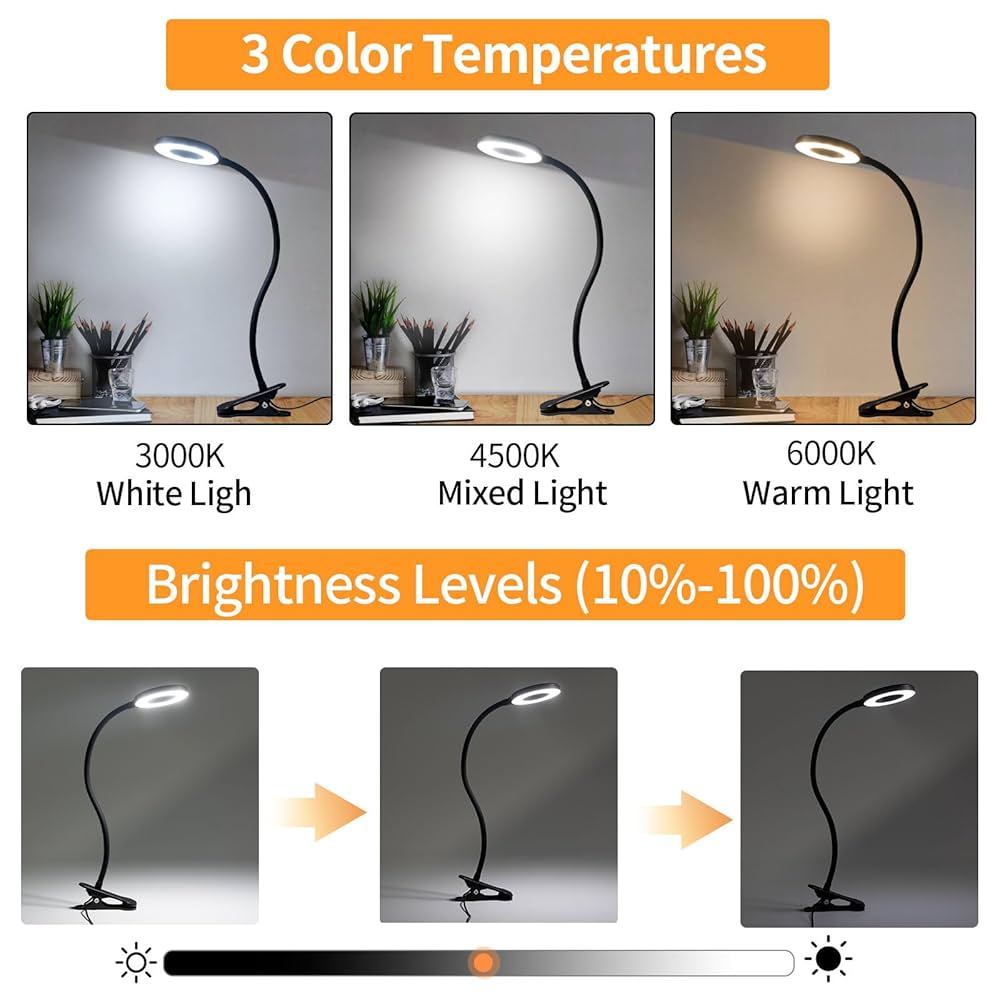
Have you ever wondered how much electricity your desk lamp actually uses? It’s easy to overlook, but knowing this can help you save money on your energy bills and make smarter choices for your home.
Whether you use your lamp for late-night work or cozy reading sessions, understanding its power consumption is key. You’ll discover the facts about desk lamp energy use and simple tips to keep your electricity costs low without sacrificing the light you need.
Keep reading—you might be surprised at what you learn!
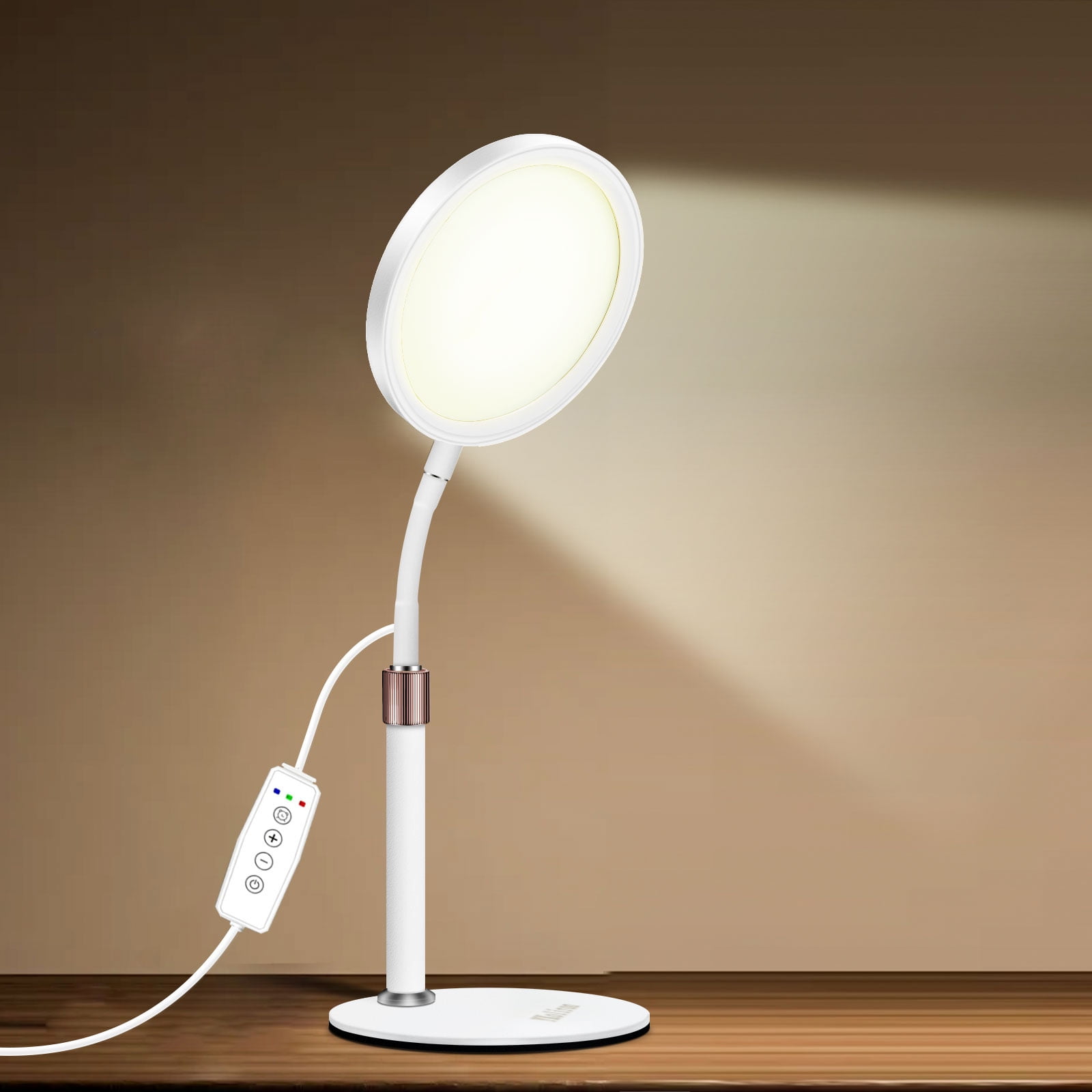
Credit: www.walmart.com
Desk Lamp Power Ratings
Understanding desk lamp power ratings helps you control electricity use and save money. Knowing the wattage of your lamp is the first step to estimating its energy consumption. Let’s break down what these ratings mean and how they impact your electricity bill.
Common Wattage Levels
Desk lamps usually come with bulbs ranging from 5 to 60 watts. Lower wattage bulbs, like 5 to 15 watts, are often LED types that provide bright light with minimal power use. Higher wattage bulbs, such as 40 to 60 watts, are typically incandescent and consume more electricity.
Think about the last desk lamp you used. Was it warm after hours of use? That warmth often means more electricity is being wasted as heat. Choosing the right wattage can reduce this waste while still giving you enough light to work comfortably.
Led Vs Incandescent Bulbs
LED bulbs use significantly less power than incandescent ones. A 10-watt LED can produce the same brightness as a 60-watt incandescent bulb. This means your desk lamp can shine just as brightly while using about 80% less electricity.
LEDs also last longer, so you don’t have to replace them as often. Have you ever noticed how quickly incandescent bulbs burn out? Switching to LED saves you money on both energy and replacement costs.
Energy Star Ratings
Energy Star certified lamps meet strict energy efficiency guidelines. Choosing a desk lamp with this rating ensures you use electricity more wisely without sacrificing light quality. These lamps often feature LED bulbs and smart designs to maximize efficiency.
Look for the Energy Star label when buying a new desk lamp. It’s a simple way to guarantee lower energy use and a smaller electricity bill. Wouldn’t you want a lamp that saves you money every month?

Credit: www.amazon.ca
Calculating Electricity Consumption
Understanding how much electricity a desk lamp uses starts with calculating its consumption. This helps in managing energy costs and choosing the right lamp. The calculation involves converting power ratings into usable units and estimating usage time. Breaking down these steps makes it simple to see the real impact on your electric bill.
Watts To Kilowatt-hours
Desk lamps show power in watts (W). This number tells how much energy the lamp uses per second. To find out the electricity used over time, convert watts to kilowatt-hours (kWh).
One kilowatt equals 1,000 watts. Kilowatt-hour measures energy use in one hour. Use this formula:
- kWh = Watts ÷ 1000 × Hours used
For example, a 40-watt lamp used for 5 hours consumes:
- 40 ÷ 1000 × 5 = 0.2 kWh
Estimating Daily Usage
Daily usage depends on how long the lamp stays on. Write down the average time you use the lamp each day.
Multiply the lamp’s wattage by daily hours. Convert to kilowatt-hours as shown above. This gives the daily energy used.
Example:
- Lamp wattage: 15 W
- Daily use: 6 hours
- Energy use: 15 ÷ 1000 × 6 = 0.09 kWh per day
Monthly And Yearly Costs
Electricity costs come from the price per kilowatt-hour. Find your local rate on your electric bill.
Multiply daily kWh by 30 for monthly use. Then multiply by the rate.
For yearly costs, multiply monthly cost by 12.
| Usage | Calculation | Example (Rate $0.12/kWh) |
|---|---|---|
| Monthly kWh | Daily kWh × 30 | 0.09 × 30 = 2.7 kWh |
| Monthly Cost | Monthly kWh × Rate | 2.7 × $0.12 = $0.32 |
| Yearly Cost | Monthly Cost × 12 | $0.32 × 12 = $3.84 |
This simple approach shows how much your desk lamp adds to your energy bill. Track usage to control electricity expenses.
Factors Affecting Energy Use
Energy use of a desk lamp depends on bulb type, wattage, and usage time. LED bulbs use less electricity than incandescent ones. Frequent use increases overall energy consumption.
Factors influencing the energy consumption of a desk lamp can be varied. Understanding these can help in reducing electricity bills. Let’s delve into the primary factors that affect a desk lamp’s energy use.Bulb Type And Brightness
The type of bulb in your lamp plays a crucial role. Incandescent bulbs consume more power compared to LEDs. LEDs are energy-efficient and provide more brightness per watt. Compact Fluorescent Lamps (CFLs) are also efficient, but not as much as LEDs. The brightness of the bulb, measured in lumens, impacts energy use. Higher brightness often means higher energy consumption.Usage Patterns
How often you use the lamp affects energy use. Leaving the lamp on for longer durations increases electricity consumption. Turning off the lamp when not in use saves energy. The frequency of use also determines energy efficiency over time. Regularly using energy-saving modes can further reduce consumption.Lamp Design And Efficiency
The design of the lamp influences its energy efficiency. Lamps with reflective shades direct light better, reducing energy waste. Adjustable lamps can focus light where needed, improving efficiency. Lamps with built-in dimmers allow for brightness control, saving energy. The material of the lamp can also affect heat dissipation and energy use.Comparing Desk Lamps To Other Devices
Understanding how much electricity a desk lamp uses is easier when you compare it to other common devices in your home or office. This comparison can help you see where your energy dollars are going and decide if switching to a different device or lighting setup makes sense for your budget and environment.
Energy Use Vs Computer Monitors
Desk lamps typically use between 5 to 15 watts, depending on the bulb type. In contrast, computer monitors can consume anywhere from 20 to 100 watts, especially larger or high-resolution screens.
If you’ve noticed your electricity bill spike after upgrading your monitor, it might be because your desk lamp’s energy use is relatively low in comparison. This means focusing on monitor settings like brightness or using energy-saving modes could save more power than just swapping your lamp.
Energy Use Vs Room Lighting
Room lighting, such as ceiling fixtures or floor lamps, often uses 40 to 100 watts or more. Desk lamps are designed for focused light and use significantly less energy.
Think about how many desk lamps you use versus the number of room lights. Could replacing a few room lights with efficient desk lamps reduce your overall energy consumption? It’s worth considering, especially if you spend a lot of time working or reading in one spot.
Impact On Overall Electricity Bill
Even though desk lamps use less electricity individually, their impact on your bill depends on how long you keep them on. Leaving a 10-watt lamp on for 5 hours a day adds up, but it still costs less than running a 60-watt room light for the same time.
Have you ever tracked how long you actually use your desk lamp? Small changes, like turning it off when stepping away, can noticeably lower your electricity bill over time. Your habits, more than the device itself, often determine your energy costs.
Tips To Reduce Desk Lamp Energy Use
Reducing the energy use of a desk lamp can save money and help the environment. Small changes make a big difference. Simple steps can cut electricity without losing light quality. Use these tips to make your desk lamp more energy-friendly.
Choosing Energy-efficient Bulbs
Pick bulbs that use less power but give enough light. LED bulbs are the best choice. They use up to 80% less energy than traditional bulbs. LED bulbs last longer, so you replace them less often. Check the packaging for energy ratings before buying. Avoid old incandescent bulbs as they waste more electricity.
Using Timers And Sensors
Timers turn the lamp off automatically after a set time. This stops wasting electricity if you forget to switch it off. Motion sensors can detect when no one is near. The lamp switches off when the desk is empty. Both devices help lower electricity use without effort. They add convenience and save energy at the same time.
Optimizing Placement And Brightness
Place the lamp where light is most needed. Avoid shining light on empty spaces. Use adjustable lamps to direct light exactly. Set brightness to the lowest comfortable level. Bright lights use more power. Dimming the lamp saves energy and reduces eye strain. Proper placement and brightness make your desk lamp efficient.

Credit: www.amazon.ca
Environmental Impact Of Desk Lamps
Desk lamps might seem small and insignificant, but their environmental impact adds up over time. Every watt of electricity consumed contributes to carbon emissions and resource use. Understanding this can help you make smarter choices that benefit both your wallet and the planet.
Carbon Footprint Considerations
Your desk lamp’s carbon footprint depends largely on the type of bulb and how long it’s used. Traditional incandescent bulbs consume more electricity and release more CO2 compared to LED bulbs. Even a small desk lamp running for several hours daily can add up to a surprising amount of emissions over a year.
Think about where your electricity comes from. If your power source is coal or natural gas, the carbon footprint is higher. Switching to renewable energy or choosing more efficient bulbs can significantly lower your environmental impact.
Benefits Of Energy Savings
Cutting down on electricity use with energy-efficient desk lamps saves you money and helps reduce overall demand on power plants. LEDs use about 75% less energy than incandescent bulbs while lasting much longer. This means fewer replacements and less waste piling up in landfills.
Have you ever noticed how switching to an energy-saving lamp can also reduce your electric bill? That immediate benefit makes it easier to stay committed to greener choices. Plus, less energy consumption means fewer emissions released into the atmosphere.
Sustainable Lighting Practices
You can take simple steps to make your desk lighting more sustainable. Use natural daylight whenever possible, and turn off your lamp when it’s not needed. Consider lamps made from recycled or eco-friendly materials to reduce your environmental footprint further.
Another tip is to select dimmable lamps or use smart timers to avoid wasting energy. What small changes can you make today to brighten your workspace without darkening the planet? Your choices matter more than you might think.
Frequently Asked Questions
How Much Power Does A Desk Lamp Consume?
A typical desk lamp uses between 5 to 60 watts, depending on the bulb type. LED lamps use less power compared to incandescent ones, making them energy-efficient and cost-saving.
Does Bulb Type Affect Desk Lamp Electricity Use?
Yes, bulb type significantly affects electricity use. LED bulbs consume the least power, followed by CFLs and incandescent bulbs, which use the most electricity and generate more heat.
How Can I Reduce My Desk Lamp’s Electricity Usage?
Use energy-efficient LED bulbs and turn off the lamp when not in use. Adjust brightness levels and consider using lamps with timers to save electricity effectively.
Is Led Lighting Better For Desk Lamps Energy-wise?
LED lighting is the most energy-efficient option for desk lamps. It uses up to 80% less electricity than incandescent bulbs and lasts much longer, saving money and energy.
Conclusion
A desk lamp uses only a small amount of electricity. Choosing LED bulbs saves even more energy. Turning off the lamp when not in use helps reduce power waste. Understanding your lamp’s energy use can lower your electricity bills. Small changes make a big difference over time.
Keep these tips in mind for efficient lighting. Simple actions can lead to smart energy use. Save money and help the environment with easy steps.



