
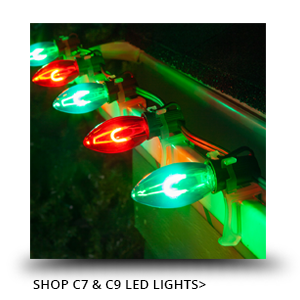
Are you wondering how much electricity your string of Christmas lights actually uses? You’re not alone.
Every holiday season, people decorate their homes with bright, colorful lights that bring joy and warmth. But have you ever stopped to think about the impact those twinkling bulbs have on your electric bill? Knowing the answer can help you enjoy your festive decorations without worrying about unexpected costs.
You’ll discover exactly how much electricity your Christmas lights consume and simple tips to keep your energy use in check. Keep reading—you might be surprised by what you learn!
Types Of Christmas Lights
Choosing the right type of Christmas lights can make a big difference in your holiday energy bill. Each kind of light uses electricity differently, so understanding the options helps you pick what fits your style and your budget. Let’s look at some common types of Christmas lights and how they impact your power use.
Incandescent Bulbs
Incandescent bulbs are the classic choice, glowing with a warm, nostalgic light. They use more electricity because each bulb contains a filament that heats up to produce light. If you use a long string of these bulbs, your electricity consumption can add up quickly.
For example, a standard 100-bulb incandescent string can consume about 40 to 60 watts per hour. That’s something to consider if you plan to leave them on for many hours. They’re often less expensive upfront but cost more to run over time.
Led Lights
LED lights are much more energy-efficient and last longer than incandescent bulbs. They use up to 80-90% less electricity while providing bright, vivid colors. Many people switch to LEDs because they save money on their electricity bills during the holiday season.
One 100-bulb LED string typically uses around 7 to 10 watts per hour. If you’re decorating a large space, those savings can be significant. Plus, LEDs stay cool to the touch, reducing fire risks and allowing you to use more strings safely.
Solar-powered Options
Solar-powered Christmas lights offer a unique way to save electricity by charging during the day with sunlight. They don’t draw any power from your home’s electrical system, which can be a big plus if you want to decorate outdoor spaces without extra wiring.
However, solar lights depend on weather and daylight availability. If you live in a cloudy area or want bright, consistent lighting, solar options might not meet all your needs. Still, they provide a great eco-friendly alternative for many households.

Credit: www.amazon.com
Electricity Consumption Explained
Understanding how much electricity a string of Christmas lights uses helps manage your energy bills. It also guides you in choosing the right lights for your home. This section breaks down the main factors that affect electricity consumption.
Wattage Per String
Wattage shows how much power a string of lights needs to work. Typical incandescent strings use between 40 and 100 watts. LED strings use much less, usually between 5 and 15 watts. Lower wattage means less energy used and lower electricity costs.
Average Usage Duration
The time lights stay on affects total energy use. Many people keep lights on for 4 to 6 hours daily during the holiday season. Longer use means higher electricity consumption. Shorter use saves energy and money.
Calculating Total Energy Use
To find total energy use, multiply wattage by hours used.
- Energy (in watt-hours) = Wattage × Hours
- Convert watt-hours to kilowatt-hours by dividing by 1,000
For example, a 50-watt string used for 5 hours consumes 250 watt-hours or 0.25 kWh. This number helps estimate your cost based on your electricity rate.
Comparing Energy Costs
Electricity use varies by the type and number of Christmas lights in a string. LED lights consume much less power than traditional incandescent bulbs. Comparing energy costs helps save money during the holiday season.
Comparing energy costs for Christmas lights can be eye-opening. As you decorate your home, understanding how much electricity your lights use is crucial. This knowledge not only helps in budgeting but also in making eco-friendly choices.Incandescent Vs Led
Switching from incandescent to LED lights can save you a significant amount of money. Incandescent bulbs are cheaper upfront but consume more electricity. In contrast, LED lights may have a higher initial cost, but they use up to 80% less energy. Imagine your Christmas tree adorned with 100 incandescent bulbs, each using 0.4 watts. Compare that to 100 LED bulbs using only 0.07 watts each. The difference in consumption is dramatic, impacting your energy bill directly.Cost Per Hour
Calculating the cost per hour of your Christmas lights is simple. Multiply the watts used by the cost per kilowatt-hour from your electricity bill. For a string of 100 incandescent bulbs, you might use 40 watts, while LEDs might use just 7 watts. If your electricity costs $0.12 per kilowatt-hour, your incandescent lights will cost roughly $0.0048 per hour. In comparison, LEDs will cost only $0.00084 per hour.Seasonal Energy Impact
Consider how long your lights are on throughout the holiday season. If they illuminate your home for six hours a day over 30 days, energy use adds up. Incandescent lights might cost you around $0.86 for the season, while LEDs could cost just $0.15. These figures show how LEDs can drastically reduce your energy bill over time. Why not make the switch this year? It’s a small change with a noticeable impact, both on your wallet and the environment.Energy Saver Tips
Saving energy while enjoying your festive decorations doesn’t have to be complicated. Small changes in how you use your Christmas lights can make a big difference in your electricity bill and your environmental impact. Here are some practical tips to help you light up your holidays wisely.
Using Timers
Timers are a simple way to control when your Christmas lights turn on and off. Setting your lights to operate only during peak evening hours means you won’t waste electricity all night long. Imagine coming home to a beautifully lit house without worrying if you left the lights on too long.
You can find affordable plug-in timers at most hardware stores. Just set the timer to turn the lights on at dusk and off at bedtime, and you’re good to go. This hands-off approach saves energy without any daily effort from you.
Choosing Efficient Lights
Not all Christmas lights consume the same amount of electricity. LED lights use up to 90% less energy than traditional incandescent bulbs. Switching to LED can cut your lighting costs significantly, especially if you have multiple strings decorating your home.
Plus, LED lights last longer and run cooler, making them safer and more durable. Have you checked if your old lights are costing you more than you realize? Upgrading might be easier than you think.
Reducing Usage Time
Even with energy-efficient lights and timers, the total amount of time your lights are on affects your electricity use. Consider turning off your Christmas lights during the late-night hours when fewer people are around to enjoy them. This simple habit can reduce your power consumption noticeably.
You might also experiment with shorter daily lighting periods. For example, lighting up only during family gatherings or special moments adds to the festive spirit without unnecessary energy waste. How much time do your lights really need to shine to make your holidays feel magical?
Safe And Efficient Setup
Setting up your string of Christmas lights safely and efficiently can save you from unexpected electrical issues and reduce energy waste. It’s not just about plugging them in and hoping for the best. Careful attention to installation, avoiding overloads, and regular maintenance make a big difference in how your lights perform and how much electricity they use.
Proper Installation
Start by checking the lights for any damage before plugging them in. Frayed wires or broken bulbs can cause shorts and increase electricity use.
Use outdoor-rated extension cords and plugs if your lights are outside. This prevents moisture from causing electrical faults.
Secure the lights using insulated hooks or clips instead of nails or staples. This protects the wiring and keeps your setup stable.
Avoiding Overloads
Do you know how many strings you can safely connect together? Most LED light sets allow up to 3 or 4 strings in series, while traditional incandescent lights often allow fewer.
Check the packaging or manufacturer’s instructions for maximum connections. Overloading circuits can trip breakers or cause fires.
Use a power strip with built-in surge protection for extra safety. This helps manage the electrical load and protects your home.
Maintenance Tips
Turn off your lights when you’re not using them. It saves electricity and extends the lifespan of your lights.
Inspect your setup regularly for loose connections or burnt-out bulbs. Replacing faulty parts promptly keeps your system efficient.
Consider using a timer or smart plug. Automating your lights avoids unnecessary energy consumption and makes your holiday setup hassle-free.
Credit: www.maverickforums.net
Alternative Lighting Ideas
Choosing the right holiday lights can save electricity and reduce bills. Alternative lighting ideas offer festive looks with less power use. These options give you bright decorations without high energy costs. Explore simple and creative ways to light your space sustainably.
Battery-operated Lights
Battery-operated lights do not plug into the wall. They run on small batteries, making them easy to place anywhere. These lights use less power than traditional strings. You can decorate small areas or indoor spaces with them.
Rechargeable battery options help save money over time. They also reduce waste from disposable batteries. Battery lights come in many styles and colors. These lights are safe and flexible for any holiday setup.
Solar Decorations
Solar decorations charge during the day using sunlight. At night, they glow without using home electricity. These lights are perfect for outdoor use. Solar power is clean and free once the setup is done.
Place solar lights where they get enough sun. They turn on automatically when it gets dark. Solar decorations come in shapes like stars, lanterns, and orbs. They add charm to gardens and porches with low energy use.
Creative Low-energy Displays
Low-energy displays combine simple designs with power-saving lights. Use LED bulbs that consume minimal electricity. Choose fewer lights but place them in eye-catching ways.
- Wrap a few strands around stair rails or small trees.
- Use reflective ornaments to increase light effects.
- Mix lights with candles or lanterns for warmth and glow.
Try DIY projects with recycled materials and small lights. These displays look unique and use much less energy. Creativity can brighten your holiday without big electricity bills.
Credit: www.amazon.com
Frequently Asked Questions
How Much Electricity Does One String Of Christmas Lights Use?
A typical string of 100 LED Christmas lights uses about 7 to 10 watts. Traditional incandescent lights consume around 40 to 50 watts per string.
Are Led Christmas Lights More Energy-efficient Than Incandescent?
Yes, LED Christmas lights use up to 80% less electricity than incandescent bulbs. They are cost-effective and environmentally friendly.
How Can I Calculate The Electricity Cost Of Christmas Lights?
Multiply the wattage of your lights by hours used, then divide by 1,000. Finally, multiply by your electricity rate to find the cost.
Does The Length Of The String Affect Electricity Usage?
Yes, longer strings with more bulbs consume more electricity. Always check the wattage per bulb and total bulbs on the string.
Conclusion
Knowing how much electricity Christmas lights use helps you plan better. LED lights use less power than old-style bulbs. This saves money and energy during the holidays. Turning off lights when not needed lowers your bill. Small changes make a big difference for your home.
Enjoy festive lights without worrying about high costs. Brighten your season smartly and safely every year.



