
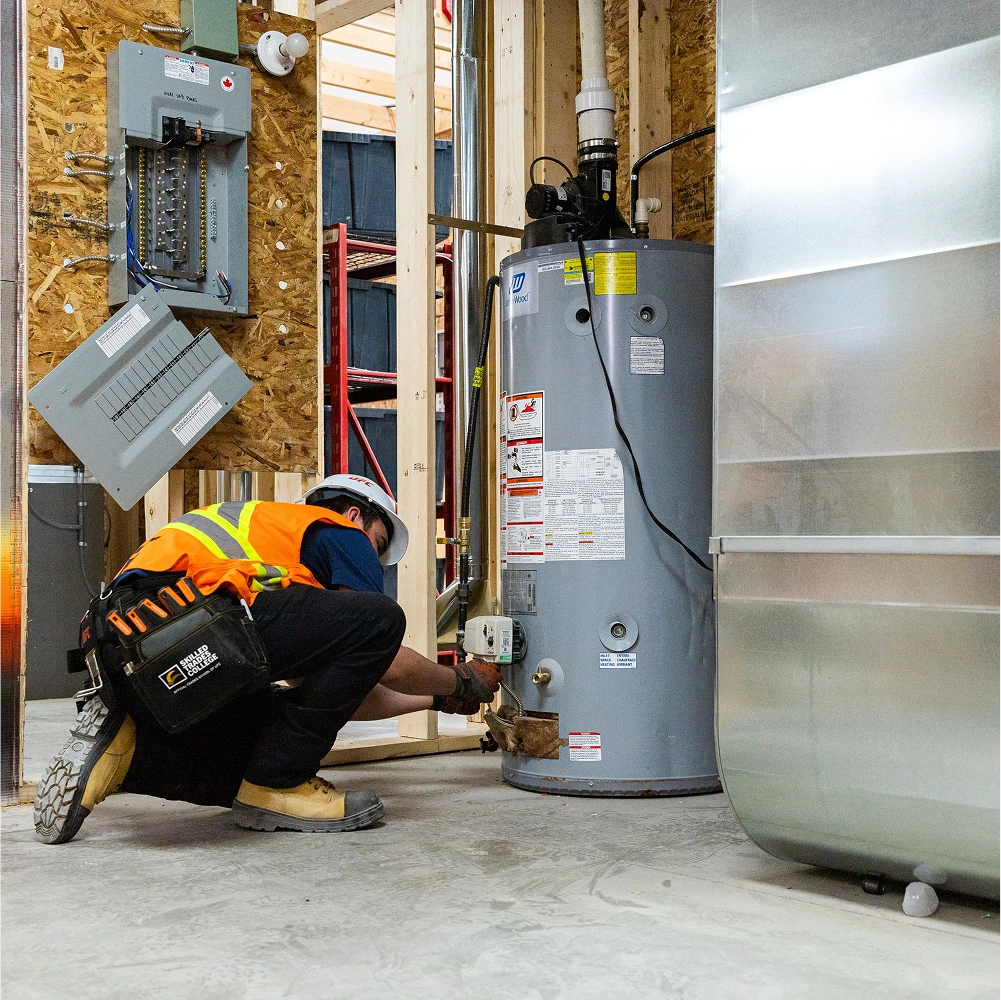
Are you thinking about starting a career in HVAC but wondering, “How much is HVAC school?” You’re not alone. Knowing the cost upfront can help you plan better and avoid surprises.
You’ll discover the real expenses involved in HVAC training, what factors affect the price, and how to find the best value for your investment. Keep reading to get clear answers that will help you take the next step with confidence.
Hvac School Costs Breakdown
Understanding the cost of HVAC school is vital before enrolling. Breaking down expenses helps plan your budget effectively. The total cost includes several key parts. Each part plays a role in your training and success.
Tuition Fees
Tuition is the main cost of HVAC school. It covers classroom learning and instruction. Fees vary by school and location. Public schools tend to be cheaper than private ones. Expect to pay between $1,000 and $15,000 for tuition. Some programs offer shorter or longer courses, affecting the price.
Books And Materials
Books and materials are essential for study. These include textbooks, workbooks, and manuals. Prices usually range from $200 to $600. Schools may provide some materials, but you may need to buy extras. Having the right materials supports better learning and practice.
Lab And Equipment Expenses
Practical skills require lab access and tools. Labs simulate real HVAC work environments. Equipment costs vary widely depending on the program. Some schools include lab fees in tuition. Others charge separately, usually $300 to $1,500. Personal tools may also be needed for hands-on training.
Additional Fees
Other fees can add up during your HVAC schooling. These might include application fees, registration fees, and certification exam costs. Some schools charge technology or facility fees. Plan for $100 to $1,000 in extra expenses. Knowing these costs helps avoid surprises later.
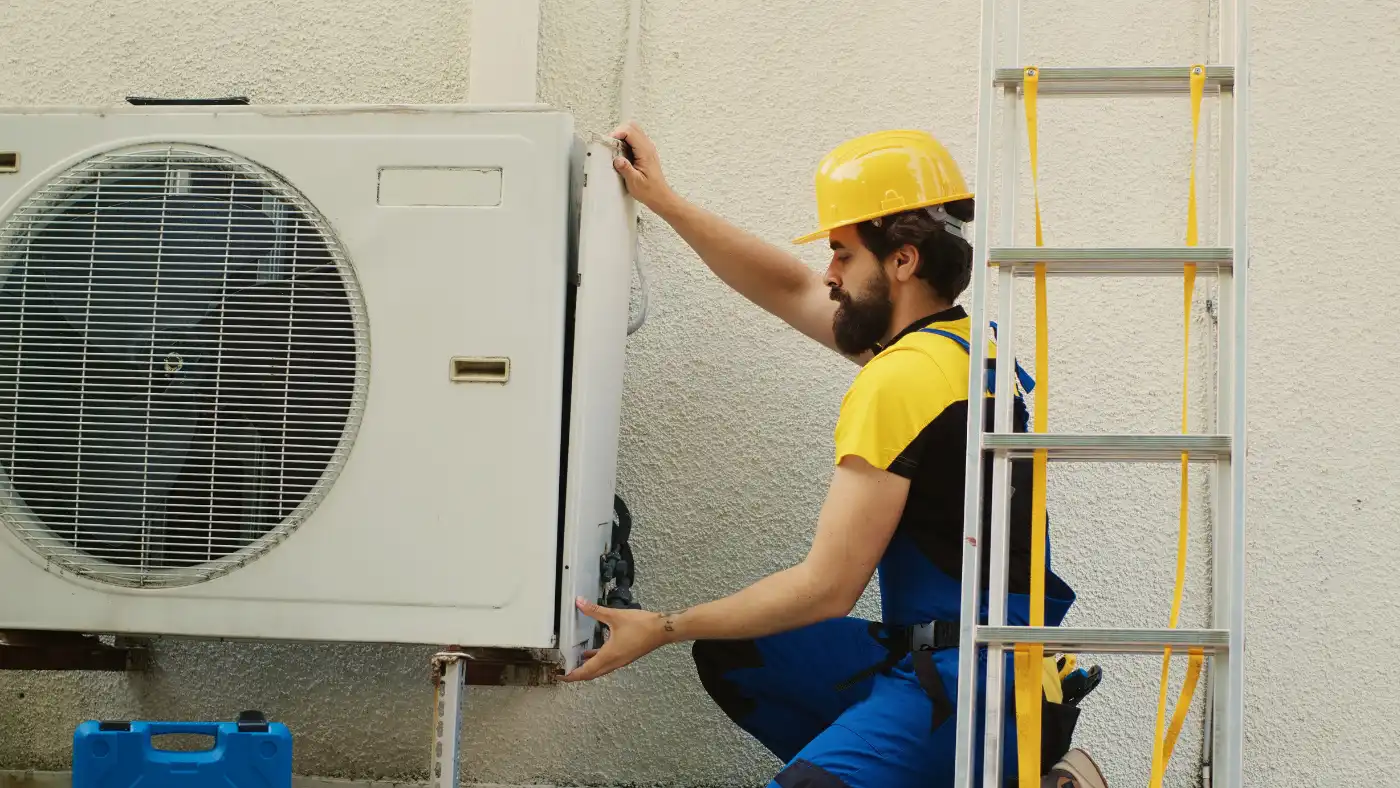
Credit: www.housecallpro.com
Factors Affecting Hvac Training Prices
Understanding the cost of HVAC training is crucial before you commit your time and money. Several factors influence the price you’ll pay, and knowing these can help you choose a program that fits both your budget and career goals. Let’s break down the main elements that affect HVAC training prices so you can make an informed decision.
Program Length
The duration of HVAC programs varies widely, from a few months to two years or more. Longer programs often cost more because they offer in-depth training and more hands-on experience. However, shorter programs might be cheaper but could leave you needing additional courses later.
Think about your schedule and how quickly you want to enter the workforce. Would you prefer a fast track or a comprehensive learning experience? Your choice here directly impacts your upfront costs and how soon you start earning.
Location And Institution Type
Where you study plays a big role in the price. Schools in urban areas or regions with a higher cost of living usually charge more tuition. Public community colleges tend to be less expensive than private technical schools or specialized HVAC academies.
Also, consider the reputation and resources of the institution. A well-known school with modern equipment might cost more but could improve your job prospects. Are you willing to invest extra for better facilities and networking opportunities?
Certification Options
The certifications included in your HVAC training affect the overall cost. Some programs bundle EPA certification, HVAC Excellence, or NATE exams into their tuition, while others charge separately. Certifications add value and credibility but come with extra fees.
Evaluate which certifications are most recognized in your area or desired job market. Would paying more upfront for certifications save you time and money later by avoiding additional courses? Your certification choices can shape both your initial investment and career path.
Affordable Hvac Training Options
Finding affordable HVAC training is key for many students. Various options fit different budgets and learning styles. These choices offer solid education without high costs. Explore community colleges, trade schools, and online programs as affordable paths.
Community Colleges
Community colleges often provide HVAC programs at lower tuition rates. These schools receive state funding, reducing student costs. Programs typically last six months to two years. Students gain hands-on experience and theory knowledge. Financial aid and scholarships may be available to help.
Trade Schools
Trade schools focus on practical HVAC skills. They offer shorter courses with intensive training. Tuition tends to be affordable compared to private colleges. Many trade schools have strong ties to local employers. This connection can lead to job opportunities after graduation.
Online Programs
Online HVAC training offers flexibility and cost savings. Students can study at their own pace from home. These programs often charge lower fees due to no campus costs. Some include virtual labs or local hands-on training. Online options suit those balancing work or family commitments.
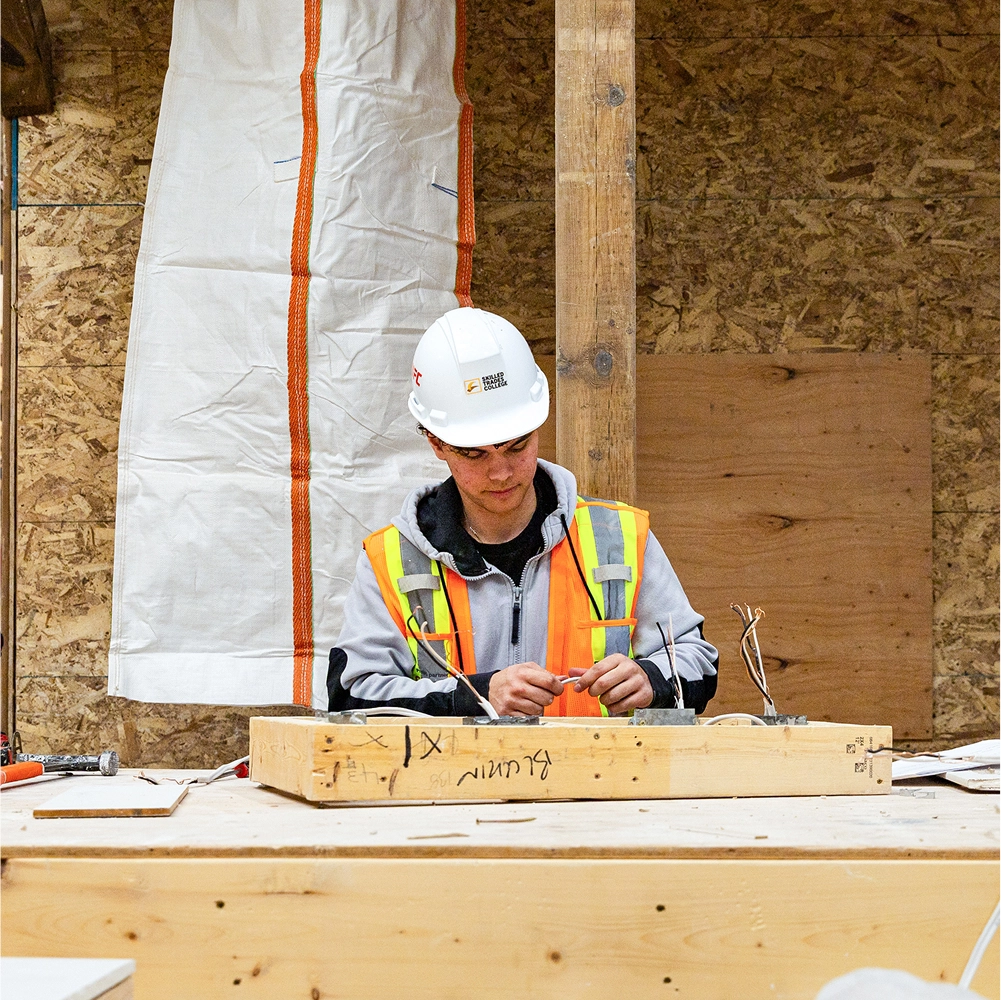
Credit: www.skilledtradescollege.ca
Financial Aid And Scholarships
Paying for HVAC school can feel challenging. Financial aid and scholarships help reduce costs. These options make training more affordable. Many students benefit from government programs, scholarships, and employer help. Understanding these resources can ease your financial burden.
Federal And State Aid
Federal and state governments offer grants and loans. These funds support students in technical programs like HVAC. The Free Application for Federal Student Aid (FAFSA) is key. Completing FAFSA opens access to many aid options. Grants do not require repayment. Loans must be paid back, often with low interest. State aid varies by location. Some states have special grants for trade school students.
Scholarships For Hvac Students
Scholarships reward skills, need, or background. Many organizations provide HVAC-specific scholarships. Trade unions, companies, and schools often offer these awards. Some scholarships focus on women or minorities in trades. Applying early improves chances of winning. Scholarships reduce tuition costs without repayment. Keep track of deadlines and requirements to apply on time.
Employer Tuition Assistance
Some employers help pay for HVAC training. This support may cover part or all of your tuition. Employers benefit by training skilled workers. You may need to work for the company for some time after. Check if your current or future employer offers this program. Employer assistance lowers out-of-pocket expenses. It often requires a work commitment in return.
Saving Money During Hvac School
Attending HVAC school can be expensive. But smart strategies help save money. From buying used books to exploring work-study options, every bit counts. Here are some ways to reduce costs and manage your budget effectively during your HVAC training.
Buying Used Books And Tools
Textbooks and tools can drain your budget quickly. Buying used items is a wise choice. Check online marketplaces for affordable options. Local stores may offer discounts on second-hand goods. Borrowing from recent graduates is another cost-saving idea. This reduces expenses without compromising on quality.
Part-time Vs Full-time Enrollment
Deciding between part-time and full-time enrollment impacts costs. Part-time students often pay less per semester. This allows spreading tuition over a longer period. Balancing work with part-time study helps manage finances better. Consider your schedule and financial goals before choosing.
Work-study Opportunities
Work-study programs offer financial relief during HVAC school. These programs provide part-time jobs related to your field. Earnings help cover tuition and living expenses. Look for opportunities within your college or community. Gaining experience while studying is an added benefit.
Top Tips For Choosing Hvac Schools
Choosing the right HVAC school can make a big difference in your career path and how quickly you land a good job. The cost of HVAC school varies, but focusing on the quality of education is just as important as the price tag. Here are some practical tips to help you pick a school that fits your goals and sets you up for success.
Accreditation And Reputation
Always check if the HVAC school is accredited by recognized organizations. Accreditation ensures the program meets industry standards and employers respect the certificate or degree you earn.
Look for schools with strong reputations in your area or among HVAC professionals. Sometimes, reaching out to local HVAC businesses for recommendations can reveal schools that offer real value.
Have you considered how much your future employer cares about where you studied? The reputation of your school can impact your job prospects more than you think.
Hands-on Training Availability
HVAC work is practical, so hands-on training is crucial. Schools that offer workshops, labs, and real equipment practice will prepare you better than classes focused only on theory.
Ask if the program includes internships or apprenticeships. Getting real-world experience while studying can give you a competitive edge and help build your confidence.
Think about how you learn best—is it by reading or by doing? Choosing a school that matches your learning style can make a big difference in how much you retain and how prepared you feel.
Job Placement Support
Some HVAC schools have dedicated career services to help students find jobs after graduation. This support might include resume writing, interview coaching, and connections with local employers.
Ask about the school’s job placement rate for graduates. A high placement rate often means the school has strong industry ties and a good reputation.
Would you rather search for jobs alone or have a team helping you every step of the way? Schools with job placement support can take much of the stress out of starting your HVAC career.
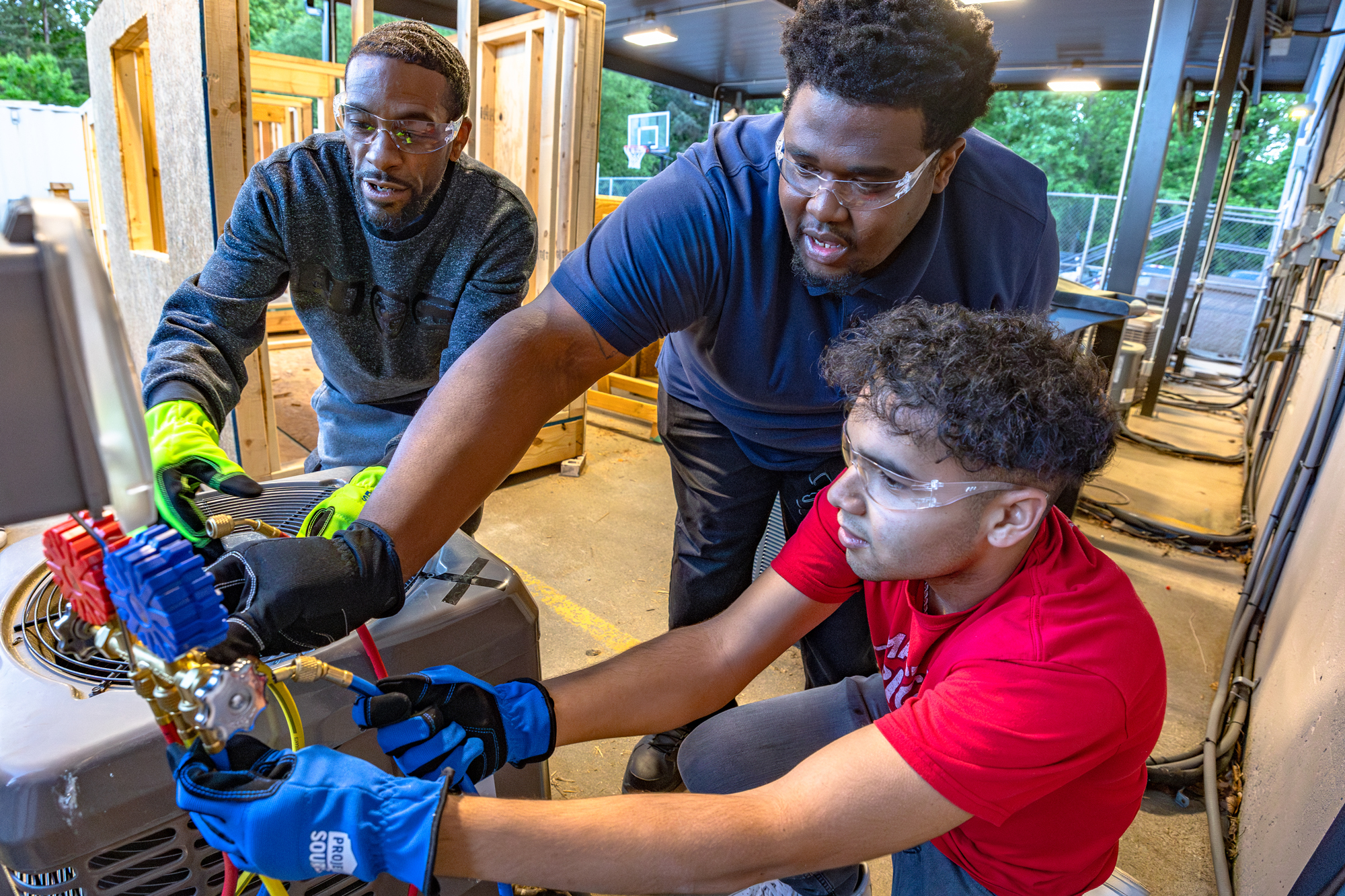
Credit: goodwillsp.org
Frequently Asked Questions
How Much Does Hvac School Typically Cost?
HVAC school costs range from $1,200 to $15,000 depending on the program. Community colleges offer affordable options, while private schools may charge more. Financial aid and scholarships can help reduce expenses.
Are There Cheaper Hvac Training Programs Available?
Yes, some community colleges and trade schools offer affordable HVAC programs. Online courses can also lower costs. Research local options and compare tuition fees for budget-friendly choices.
What Factors Affect Hvac School Tuition Fees?
Tuition depends on program length, school type, and location. Specialized certifications or advanced courses increase costs. Additional fees for tools and materials may apply. Always check the full cost breakdown before enrolling.
Can Financial Aid Cover Hvac School Expenses?
Financial aid, including grants, loans, and scholarships, often helps cover HVAC training costs. Eligibility varies by school and student status. Fill out the FAFSA and explore school-specific aid options early.
Conclusion
HVAC school costs vary depending on the program and location. Many schools offer affordable tuition and financial aid options. Consider the length of the course and what is included in the price. Think about the skills you will gain and future job opportunities.
Training in HVAC can lead to a steady and well-paying career. Choose a school that fits your budget and goals. Investing in education is a smart step toward a good career. Take your time and research before making a decision.



