
Have you ever wondered if the air inside your home or office is truly fresh and healthy? The answer often lies in something called the ventilation rate.
But what exactly is the correct ventilation rate, and why does it matter so much for your comfort and well-being? Getting this right can change the way you feel every day, from boosting your energy to reducing allergies and even improving focus.
You’ll discover how to find the perfect balance of fresh air for your space and why ignoring it could be costing you more than you think. Keep reading to unlock the secrets behind proper ventilation and take control of your indoor air quality today.
Importance Of Ventilation Rate
Ventilation rate plays a key role in maintaining a healthy indoor environment. It controls how much fresh air enters a building and how much stale air is removed. Proper ventilation rate prevents air pollution and helps keep spaces comfortable. The right balance can improve air quality, protect health, and save energy.
Impact On Indoor Air Quality
Correct ventilation rate removes indoor pollutants and excess moisture. It reduces dust, allergens, and odors that build up inside. Fresh air dilutes harmful gases like carbon dioxide and volatile organic compounds. This creates a cleaner and safer indoor atmosphere for everyone.
Effects On Health And Comfort
Good ventilation rate supports breathing and reduces illness risks. It lowers chances of headaches, fatigue, and respiratory problems. Proper airflow also controls humidity levels, making rooms feel more comfortable. People feel more alert and relaxed in well-ventilated spaces.
Energy Efficiency Considerations
Ventilation rate affects heating and cooling costs. Too much ventilation wastes energy by letting conditioned air escape. Too little ventilation causes poor air quality and may lead to increased use of fans or air purifiers. Finding the right ventilation rate helps balance comfort and energy savings.
Factors Influencing Ventilation Rate
Understanding the factors that influence the correct ventilation rate is key to maintaining healthy indoor air quality and comfort. Several variables come into play, affecting how much fresh air your space needs. These factors help you decide the right balance between energy use and air freshness.
Building Size And Occupancy
The size of your building directly impacts how much ventilation is required. Larger spaces generally need more air exchange to prevent stale air buildup. However, occupancy plays an equally important role—more people mean more carbon dioxide and moisture that must be removed.
Think about a crowded conference room versus an empty office. The ventilation rate should increase with the number of occupants to maintain air quality. Are you tracking how many people use your space regularly? This simple check can help adjust ventilation effectively.
Activity Levels And Pollutant Sources
Your activities inside the building affect the pollution levels in the air. Cooking, cleaning, or using chemicals release pollutants that ventilation must address. Higher activity levels demand higher ventilation rates to keep the air safe and fresh.
For instance, a gym needs more ventilation than a quiet library because of increased breathing rates and sweat. Knowing the types of pollutants your environment produces can guide you in setting the right ventilation standards.
Climate And Outdoor Air Quality
Climate conditions impact how ventilation systems work. In hot, humid climates, ventilation must remove moisture without bringing in too much heat. Conversely, in cold areas, ventilation should minimize heat loss while ensuring fresh air supply.
Outdoor air quality is another crucial factor. If the air outside is polluted, simply increasing ventilation might bring in harmful particles. Do you monitor local air quality before adjusting your ventilation rates? Using filters or controlling ventilation times can help manage this challenge.
Recommended Ventilation Rates
Recommended ventilation rates ensure healthy air quality indoors. These rates control the amount of fresh air entering a space. Proper ventilation reduces pollutants and moisture. It also helps maintain comfort and safety. Different environments need different ventilation rates. Understanding these rates helps create better living and working conditions.
Standards And Guidelines
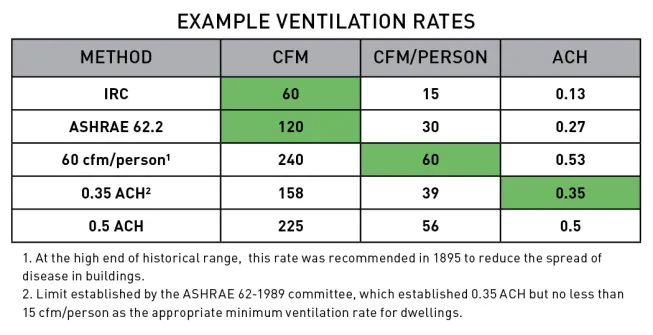
Many organizations set rules for ventilation rates. The American Society of Heating, Refrigerating and Air-Conditioning Engineers (ASHRAE) is a leading source. They publish standards like ASHRAE 62.1 and 62.2. These standards provide minimum ventilation rates for various spaces. They consider factors like occupancy and room size. Following these guidelines helps meet health and safety requirements.
Residential Ventilation Rates
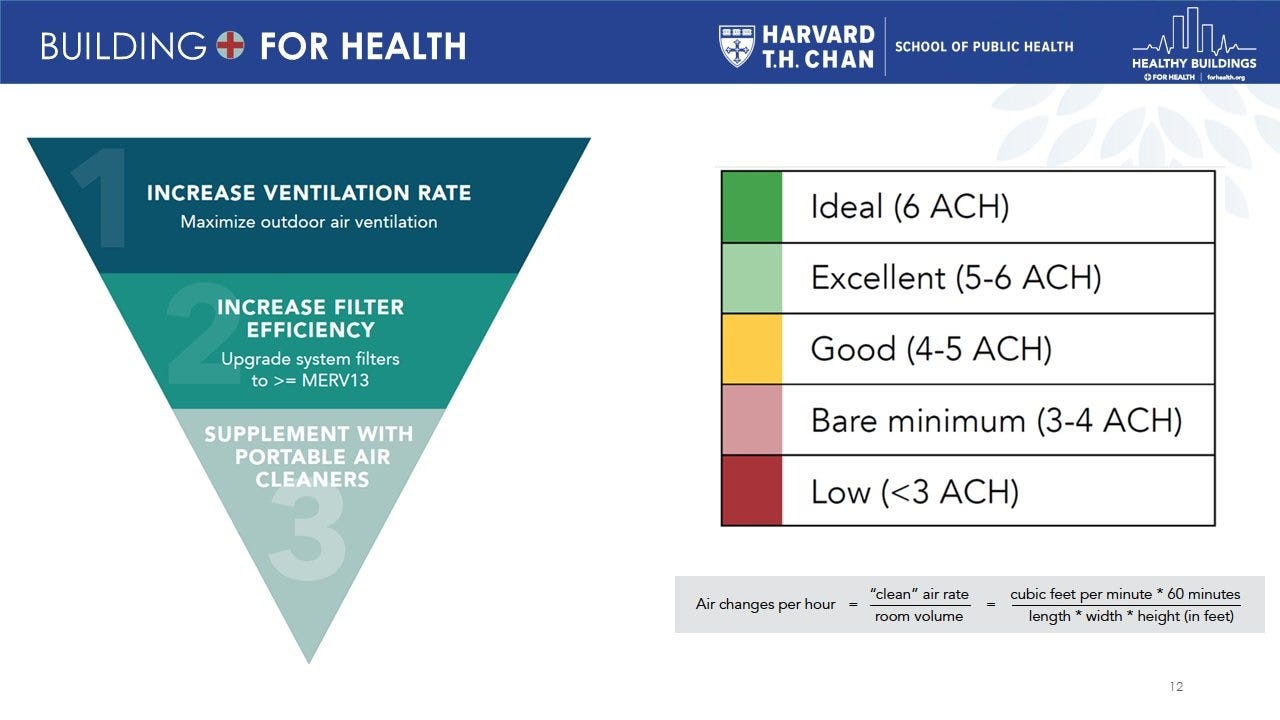
Homes need fresh air to prevent mold and odors. The recommended rate is about 0.35 air changes per hour. Another common measure is 15 to 30 cubic feet per minute (CFM) per person. Kitchens and bathrooms need extra ventilation. Mechanical systems like exhaust fans help achieve these rates. Proper ventilation keeps indoor air clean and reduces allergens.
Commercial And Industrial Ventilation Rates
Workplaces have higher ventilation demands. Offices usually require around 20 CFM per person. Factories and labs may need more due to pollutants. Ventilation rates vary by industry and space use. Systems often include ventilation fans and air exchangers. Maintaining correct rates protects workers’ health and improves productivity.

Credit: www.buildingenclosureonline.com
Methods To Measure Ventilation Rate
Measuring ventilation rate is key to ensuring healthy indoor air quality. Without accurate measurement, you can’t tell if fresh air is circulating enough to keep pollutants low. Various methods exist, each with its own benefits and practical uses depending on your situation.
Tracer Gas Techniques
This method uses a harmless gas released into the space to track how quickly it disperses. You might have heard of using gases like sulfur hexafluoride or carbon dioxide as tracers. By measuring the concentration changes over time, you get a clear picture of how well air moves through the area.
It’s a favorite in research and building diagnostics because of its accuracy. However, it requires special equipment and trained personnel to handle the gases properly. Ever wondered how engineers figure out ventilation in large office buildings? This technique is often their go-to.
Airflow Measurement Tools
Devices like anemometers and balometers help measure the speed and volume of air entering or leaving a space. These tools give immediate readings, making them perfect for on-site checks. You can hold an anemometer near a vent and see the airflow rate in cubic feet per minute (CFM).
This method is practical for HVAC technicians during maintenance or troubleshooting. If you want to ensure your air conditioning system is balanced, airflow measurement offers quick, actionable data. Have you ever noticed uneven cooling in rooms? This tool helps identify airflow problems causing that.
Co2 Monitoring
CO2 levels act as an indirect indicator of ventilation effectiveness, especially in occupied spaces. Humans exhale carbon dioxide, so rising levels suggest inadequate fresh air. Using CO2 sensors, you can track air quality trends throughout the day.
This approach is affordable and straightforward to implement in schools, offices, and homes. You can set alarms to notify when CO2 exceeds recommended levels, prompting ventilation adjustments. Could monitoring CO2 be the simplest way to improve your indoor air quality?
Strategies To Achieve Correct Ventilation
Achieving the correct ventilation rate is crucial for indoor air quality. Proper ventilation ensures fresh air circulation and removes pollutants. Different strategies can help achieve this balance. These strategies range from natural methods to advanced systems. Each approach has its own advantages and considerations. Understanding them helps in creating a comfortable and healthy environment.
Natural Ventilation Approaches
Natural ventilation uses external air to cool and ventilate spaces. It relies on openings like windows and vents. Cross-ventilation is a common method. It involves placing openings on opposite sides of a space. Stack ventilation uses the rise of warm air to draw in cooler air. This approach is cost-effective and energy-efficient. It works best in mild climates.
Mechanical Ventilation Systems
Mechanical systems control air flow using fans and ducts. They ensure consistent air exchange regardless of weather. Common systems include exhaust fans and heat recovery ventilators. These systems can filter and dehumidify air. They are ideal for areas with harsh weather or high pollution. Maintenance is key to keep these systems effective.
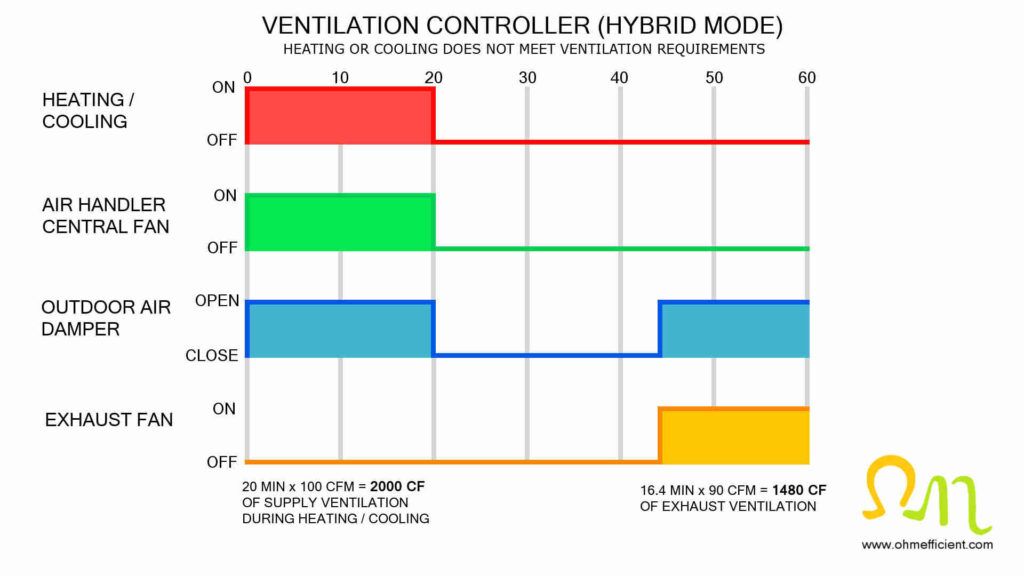
Hybrid Ventilation Solutions
Hybrid solutions combine natural and mechanical methods. They optimize energy use and indoor comfort. Automated controls adjust between systems based on conditions. This flexibility offers the best of both worlds. Hybrid systems are suitable for varied climates. They balance energy savings with air quality needs.
Common Ventilation Challenges
Getting the ventilation rate right is trickier than it sounds. Many homes and offices face persistent issues that affect comfort, health, and energy bills. Understanding these common ventilation challenges helps you spot problems early and make smarter choices for your space.
Over-ventilation And Energy Waste
Too much ventilation can feel like an open window in the middle of winter—wasting energy and driving up costs.
Excessive airflow means your heating or cooling system works harder, leading to higher utility bills. If you notice drafts or a constantly running HVAC, your ventilation rate might be too high.
Could dialing back ventilation slightly save you money without sacrificing comfort? It’s worth checking your system’s settings or consulting a professional to avoid unnecessary energy waste.
Under-ventilation And Poor Air Quality
On the flip side, too little ventilation traps pollutants, moisture, and stale air inside your rooms.
This can lead to headaches, allergies, and even mold growth, especially in bathrooms and kitchens. If your space feels stuffy or you notice lingering odors, your ventilation rate might be too low.
How often do you air out your space, and have you noticed any health symptoms that improve with fresh air? Addressing under-ventilation could be a simple fix to boost your well-being.
Balancing Ventilation With Noise And Security
Getting fresh air in usually means opening windows or vents, but this can bring unwanted noise and security risks.
If you live near a busy street or worry about safety, you might hesitate to ventilate properly. This balancing act is a common challenge for many homeowners.
Have you tried noise-reducing window inserts or secure vent covers? These solutions can help you maintain good air flow without compromising on peace or safety.
Technologies Enhancing Ventilation
Understanding the correct ventilation rate is vital for maintaining healthy indoor air quality. Technologies today are making it easier to control and improve ventilation efficiently. These tools not only ensure fresh air but also help save energy and reduce costs.
Energy Recovery Ventilators
Energy Recovery Ventilators (ERVs) capture heat or coolness from the outgoing stale air and transfer it to the incoming fresh air. This process reduces the energy needed to heat or cool your home. If you’ve ever noticed your heating bills drop after upgrading your ventilation, an ERV is likely behind that savings.
ERVs work well in climates with extreme temperatures because they balance energy use and air freshness. You get clean air without wasting power. Are you ready to cut energy waste while keeping your air quality high?
Smart Ventilation Controls
Smart ventilation controls let you customize your airflow based on your lifestyle. These systems use sensors to monitor humidity, carbon dioxide, and occupancy, adjusting ventilation automatically. Imagine your ventilation system responding instantly when you have guests or cooking in the kitchen.
With these controls, you avoid over-ventilating, which can waste energy, or under-ventilating, which harms air quality. The convenience of managing ventilation from your phone adds another layer of control. How much more efficient could your home be with a ventilation system that thinks for you?
Air Purification Integration
Combining ventilation with air purification technology improves indoor air quality beyond just fresh air supply. Filters remove allergens, dust, and even some airborne viruses. Pairing ventilation with purification means you breathe cleaner air every day.
Some systems come with HEPA filters or UV light to kill germs. This integration is especially beneficial if you or your family members suffer from allergies or asthma. Could adding purification to your ventilation be the key to healthier living?
Credit: www.jlconline.com
Credit: itsairborne.com
Frequently Asked Questions
What Is The Ideal Ventilation Rate For Homes?
The ideal ventilation rate for homes is typically 0. 35 air changes per hour. This rate ensures fresh air while minimizing energy loss. Proper ventilation helps remove indoor pollutants and moisture, promoting healthier living spaces and comfort.
How Does Ventilation Rate Affect Indoor Air Quality?
Ventilation rate directly impacts indoor air quality by controlling pollutant levels. Higher rates dilute contaminants and reduce allergens. Proper ventilation prevents buildup of carbon dioxide, odors, and humidity, creating a safer and more comfortable environment.
What Factors Determine The Correct Ventilation Rate?
The correct ventilation rate depends on room size, occupancy, and activity levels. Building design, climate, and pollutant sources also influence requirements. Balancing these factors ensures adequate fresh air without excessive energy consumption.
Why Is Correct Ventilation Rate Important For Health?
Correct ventilation rate reduces airborne illnesses and respiratory problems. It controls moisture, preventing mold growth and allergens. Proper airflow promotes better oxygen levels, supporting overall well-being and productivity.
Conclusion
Correct ventilation rate keeps indoor air fresh and healthy. It helps remove pollutants and controls humidity. Good airflow prevents mold and protects your health. Always choose ventilation that fits your space and needs. Proper ventilation saves energy and improves comfort.
Remember, fresh air supports better breathing and focus. Keep your home or office well-ventilated for a happier life. Simple steps make a big difference. Breathe easy with the right ventilation rate.



