
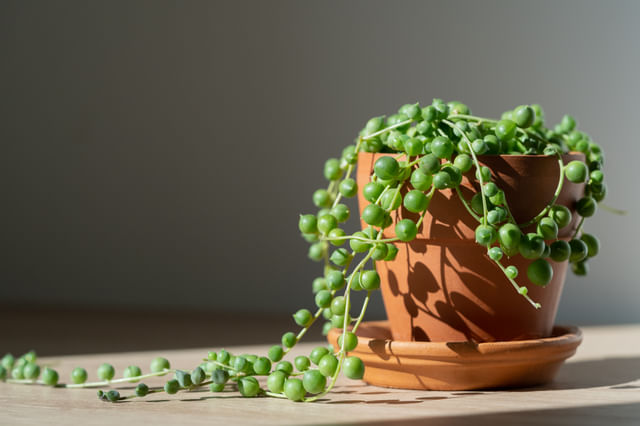
If you have a String of Pearls plant, you probably wonder, “How much light does it really need to thrive?” Getting the light just right can make all the difference between a healthy, vibrant plant and one that looks sad and droopy. You want your String of Pearls to grow lush and full, but too much or too little light can cause problems.
You’ll discover exactly how to find the perfect light balance for your plant. Keep reading to learn simple tips that will help your String of Pearls shine and stay healthy—no guesswork needed!

Credit: greg.app
Light Requirements
Understanding the light needs of your String of Pearls is key to keeping it healthy and thriving. Too little or too much light can affect its growth and appearance. Let’s break down the best conditions to provide the right amount of light for this unique plant.
Ideal Brightness Levels
String of Pearls thrives in bright, indirect light. A spot near a window with filtered sunlight works perfectly. You want to mimic the bright but shaded conditions it experiences in its natural habitat.
If the light is too dim, your pearls will stretch out and lose their round shape. On the other hand, direct sunlight can scorch the leaves, so balance is essential. Have you noticed your plant getting leggy? It might be a sign it needs more brightness.
Effects Of Low Light
Low light makes your String of Pearls grow slower and look weak. The beads may become sparse and elongated as the plant reaches for any available light. This can make your plant look unhealthy and less attractive.
In low light, the plant is more vulnerable to disease due to reduced vigor. If you don’t have a bright spot, consider supplementing with a grow light. It’s a simple fix that can revive your pearls quickly.
Impact Of Direct Sunlight
Direct sunlight, especially intense afternoon rays, can burn the delicate pearls. You might see brown or scorched spots appearing on the leaves. This damage is often irreversible and can weaken the plant.
However, gentle morning sun can be beneficial if it’s not too strong. Using sheer curtains or placing the plant a few feet away from the window helps protect it. Have you tried adjusting your plant’s position to avoid harsh sunlight? Small changes can make a big difference.
Watering And Moisture
Watering and moisture play a vital role in keeping your String of Pearls healthy. This plant thrives best in well-drained soil and needs careful watering habits. Too much or too little water can harm its delicate roots. Understanding how often to water and the humidity it prefers helps maintain its unique charm.
Frequency Of Watering
Water your String of Pearls only when the top inch of soil feels dry. Usually, this means watering every 2 to 3 weeks. During warmer months, water more often. In winter, reduce watering to avoid root rot. Always let the soil dry out between waterings.
Signs Of Overwatering
Leaves turning yellow or translucent signal too much water. The pearls may become mushy or fall off easily. Soil that stays wet for days traps roots in water. This causes root rot and kills the plant. Watch for a sour or musty smell in the soil.
Humidity Preferences
String of Pearls prefers low to moderate humidity. It grows well in dry indoor air. High humidity can cause fungal problems on the leaves and stems. Keep air flowing around the plant to prevent moisture buildup. Avoid placing it in bathrooms or kitchens with steam.
Temperature And Environment
String of Pearls is a charming succulent that can add a touch of elegance to any space with its cascading beads. However, to keep this plant thriving, understanding the right temperature and environment is crucial. While light is a key factor, temperature plays a significant role in its health and growth.
Optimal Temperature Range
Your String of Pearls will flourish in temperatures ranging between 70°F to 80°F (21°C to 27°C) during the day. At night, it can tolerate slightly cooler temperatures, around 50°F to 60°F (10°C to 16°C). This range mimics its natural habitat, ensuring the plant stays comfortable and healthy.
Avoiding Temperature Stress
Too much heat or cold can stress your plant, leading to wilting or discoloration. If you notice your plant’s beads looking shriveled or losing their vibrant green color, check the temperature. Rapid changes or prolonged exposure to unfavorable conditions can harm your plant.
Best Indoor Locations
Finding the right spot in your home is key. Consider placing your String of Pearls near a south or west-facing window where it can enjoy indirect sunlight. Avoid drafty areas or places close to heating vents, as these can create fluctuating temperatures that stress the plant.
Have you ever noticed how your plant responds to different spots in your home? Experiment with different locations and observe the results. You might discover that a simple shift can make all the difference in your plant’s health.
Soil And Potting
Soil and potting play a key role in the health of your String of Pearls plant. Proper soil helps roots breathe and absorb water well. The right pot supports growth and prevents root problems. Both soil and pot choices affect how much light the plant needs to thrive.
Soil Type Recommendations
Choose well-draining soil for String of Pearls. A cactus or succulent mix works best. These soils have sand or perlite to allow water flow. Avoid heavy or clay soils that hold too much water. Good soil keeps roots dry and healthy.
Pot Drainage Importance
Pots must have drainage holes to let excess water escape. Standing water can cause root rot and kill the plant. Use pots with holes at the bottom. Place a tray under the pot to catch extra water. Proper drainage keeps the soil from staying soggy.
Repotting Tips
Repot String of Pearls every 1-2 years for fresh soil and space. Choose a pot slightly larger than the current one. Gently remove the plant and shake off old soil. Place it in new soil, covering roots but not burying stems. Water lightly after repotting to settle the soil.
Fertilizing Guide
Fertilizing String of Pearls is key to keeping it healthy and vibrant. This plant needs the right nutrients to grow well and maintain its delicate appearance. Fertilizer helps replace nutrients lost from the soil and supports steady growth.
Choosing the correct fertilizer and feeding schedule ensures your plant thrives. Watch for signs that show the plant needs extra nutrients. Knowing these signs helps prevent problems early.
Fertilizer Types
- Use a balanced, water-soluble fertilizer with equal N-P-K values (like 10-10-10).
- Liquid fertilizers are easy to apply and absorb quickly.
- Slow-release fertilizers can provide nutrients over time but use them sparingly.
- A fertilizer formulated for succulents or cacti works well.
Feeding Schedule
- Feed String of Pearls every 4 weeks during spring and summer.
- Reduce feeding to every 6-8 weeks in fall and winter.
- Always water the plant before fertilizing to avoid root burn.
- Skip fertilizing if the plant looks healthy and growth is steady.
Signs Of Nutrient Deficiency
- Yellowing leaves can indicate nitrogen deficiency.
- Weak, leggy growth may mean lack of phosphorus.
- Leaves turning pale or showing spots suggest potassium shortage.
- Slow growth or poor pearl formation signals overall nutrient lack.

Credit: www.verdantlyfe.com
Pest And Disease Control
Keeping your String of Pearls healthy means watching out for pests and diseases that can quickly take hold if conditions aren’t right. These plants thrive best with proper care, but even then, unwanted visitors and infections can appear. Understanding what to look for and how to respond can save your pearls from damage and keep them looking vibrant.
Common Pests
String of Pearls often attract pests like aphids, mealybugs, and spider mites. These tiny critters feed on the plant’s sap, causing yellowing leaves and stunted growth. Sometimes, you might notice sticky residue or fine webs on your pearls—clear signs pests are present.
Preventive Measures
You can reduce the risk of pests by keeping your plant healthy with the right amount of light and watering. Regularly inspect your pearls, especially under leaves and around the stems, to catch problems early. Avoid overcrowding plants, which creates a humid environment pests love.
- Use a gentle spray of water to wash off dust and small insects.
- Keep your gardening tools clean to prevent spreading pests.
- Place your plant in an area with good air circulation.
Treatment Options
If you spot pests, act quickly to prevent them from spreading. Dab mealybugs with a cotton swab dipped in rubbing alcohol to remove them effectively. For heavier infestations, insecticidal soap or neem oil sprays can work well without harming your plant.
Be patient and repeat treatments every few days until the pests disappear. Have you tried natural remedies before? Sometimes, a simple change in care routine is all your pearls need to bounce back.

Credit: greg.app
Frequently Asked Questions
How Much Sunlight Does String Of Pearls Need?
String of Pearls thrives in bright, indirect sunlight. Avoid direct sun as it can scorch the leaves. Aim for 4-6 hours of filtered light daily for healthy growth and vibrant pearls.
Can String Of Pearls Survive In Low Light?
String of Pearls can tolerate low light but grows slower and becomes leggy. For best results, provide bright, indirect light. Low light may cause sparse foliage and weak stems.
Is Artificial Light Enough For String Of Pearls?
Yes, fluorescent or LED grow lights work well. Provide 12-14 hours of light daily to mimic natural conditions. Ensure the light is not too intense to avoid leaf damage.
What Happens If String Of Pearls Gets Too Much Light?
Too much direct sunlight causes leaves to turn brown or yellow and dry out. It stresses the plant and slows growth. Move it to a shadier spot with indirect light.
Conclusion
String of Pearls plants thrive best with bright, indirect light. Too much direct sun can burn their leaves. Too little light makes them grow slowly and lose their charm. Place them near a window with filtered sunlight for healthy growth.
Remember to adjust light based on your plant’s response. This simple care helps your String of Pearls stay lush and beautiful. Keep an eye on the light, and your plant will reward you with its unique, trailing pearls. Small steps make a big difference in plant health.



